
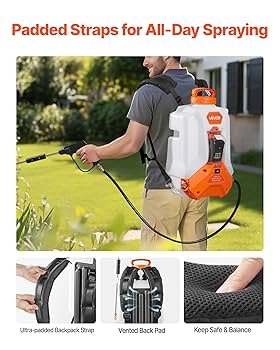
You’ve just finished using your backpack sprayer, and now it’s time to store it properly. But do you really know how to keep it in good shape for the next use?
Storing your sprayer the right way can save you money, prevent damage, and ensure it works perfectly every time. You’ll learn simple, effective steps to store your backpack sprayer so it lasts longer and stays ready when you need it most.
Keep reading—your sprayer will thank you!

Credit: www.amazon.com
Clean Before Storage
Cleaning your backpack sprayer before storing it helps keep it in good shape. Dirt and chemicals can damage parts if left inside.
Proper cleaning also protects you and the environment from harmful residues. Follow these steps for a safe and clean sprayer.
Flush Out Residues
Flush out all chemical residues from the tank and hoses by rinsing thoroughly. Use clean water to remove leftover sprays.
- Fill the tank halfway with clean water
- Pump the water through the nozzle until clear
- Repeat the rinse process two or three times
- Empty the tank completely after flushing
Disassemble Components
Take apart removable parts like nozzles, filters, and hoses. This helps clean small areas that may trap residue.
| Component | Cleaning Tip |
| Nozzle | Soak in warm soapy water and scrub gently |
| Filter | Rinse under running water to clear debris |
| Hose | Flush with clean water and inspect for cracks |
Dry Thoroughly
Dry all parts completely before storage. Moisture can cause rust or mold inside the sprayer.
Use these tips for drying your sprayer parts:
- Leave parts in a well-ventilated area
- Wipe with a clean cloth to remove excess water
- Allow hoses to hang so water drains out
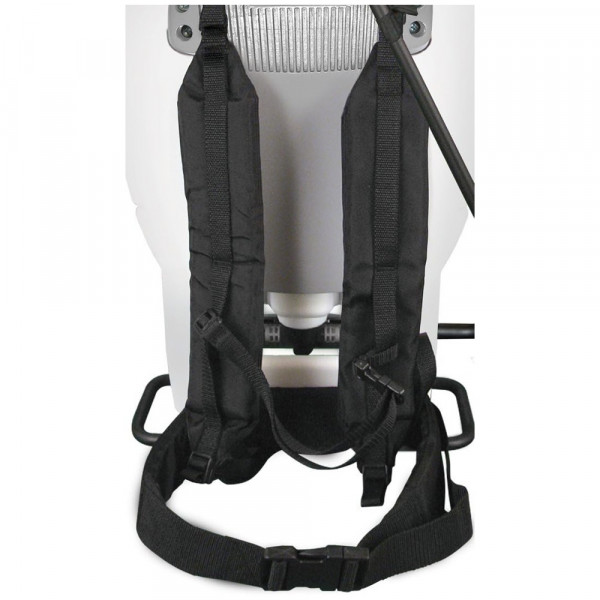
Credit: www.directwatertanks.co.uk
Choose The Right Location
Storing a backpack sprayer correctly keeps it in good condition. Picking the right spot protects it from damage. This guide helps you find the best place to store your sprayer.
Focus on avoiding extreme temperatures, direct sunlight, and moisture. These factors can harm the sprayer and shorten its life.
Avoid Extreme Temperatures
Heat or freezing cold can damage the sprayer parts. High temperatures may warp plastic and degrade seals. Cold can cause liquids inside to freeze and crack the container.
- Store sprayers in places that stay between 40°F and 85°F (4°C and 29°C).
- Avoid garages or sheds that get very hot or cold.
- Use insulated storage if needed during winter or summer.
Keep Away From Direct Sunlight
Sunlight can cause the sprayer’s plastic to weaken and fade. UV rays break down the material and reduce its strength over time.
- Store sprayers in shaded areas or inside cabinets.
- Cover the sprayer with a cloth or tarp if outside storage is necessary.
- Rotate sprayer position to avoid constant sun exposure on one side.
Store In A Dry Area
Moisture can cause rust on metal parts and mold inside the sprayer. A dry place stops these problems and keeps the sprayer ready to use.
| Storage Condition | Effect on Sprayer | Recommended Action |
| High Humidity | Rust and mold growth | Use dehumidifier or silica gel packs |
| Wet Surface | Corrosion and damage | Place on shelves or pallets |
| Dry Air | Maintains sprayer condition | Store in ventilated room |
Protect The Sprayer
Keeping your backpack sprayer safe helps it last longer. Proper care stops damage from dirt and weather. Use simple methods to guard your sprayer.
Protecting your sprayer makes sure it works well every time. Follow easy steps to keep it clean and safe.
Cover With A Protective Bag
Use a protective bag to cover your backpack sprayer after use. This keeps it safe from rain, sun, and scratches. A cover also helps stop dirt from settling on the sprayer.
Choose a bag made from waterproof material. Make sure it fits well around the sprayer without being too tight. Store the sprayer indoors inside the bag for best protection.
Prevent Dust Accumulation
Dust can clog the sprayer parts and reduce its performance. Clean the sprayer before storage to stop dust build-up. Keep the sprayer in a clean area, away from dust sources.
- Wipe the sprayer with a damp cloth after each use
- Store it on a shelf or hook, not on the floor
- Use a sealed container or cabinet if possible
- Check and clean filters regularly
Use Protective Caps
Cover open nozzles and valves with protective caps to avoid dirt and damage. Caps keep small parts safe and stop leaks during storage. Always keep extra caps ready for replacements.
| Part | Why Use Caps | Tip |
| Nozzle | Prevents clogging and damage | Clean before capping |
| Valve | Stops leaks and dirt entry | Check seal tightness |
| Filter | Protects from dust | Replace if damaged |

Credit: www.petratools.com
Maintain The Battery And Hoses
Proper care of your backpack sprayer’s battery and hoses helps it work longer. This guide shows easy ways to keep them in good shape.
Check these parts regularly to avoid damage. Clean and store them correctly after each use.
Charge Or Remove Batteries
Always charge the battery fully before storing your sprayer. This keeps the battery healthy and ready for the next use.
If you store the sprayer for a long time, remove the battery. Keep it in a cool, dry place to avoid damage.
- Charge battery after each use
- Remove battery if storing over 2 weeks
- Store battery away from heat and moisture
- Check battery terminals for dirt or corrosion
Inspect And Replace Hoses
Look at the hoses for cracks or wear before and after each use. Damaged hoses can cause leaks or poor spraying.
Replace any hose that looks weak or cracked. Using good hoses keeps your sprayer working well and safe.
- Check hoses for cracks and holes
- Replace hoses with any damage
- Use hoses made for your sprayer model
- Clean hoses inside and outside after use
Check For Leaks
Leaks waste chemicals and reduce sprayer power. Always check for leaks before spraying.
Look at connections, hose joints, and the tank. Fix small leaks right away to avoid bigger problems.
- Inspect all hose connections
- Check pump seals and tank lid
- Tighten loose fittings
- Replace worn seals or parts
Regular Maintenance Checks
Proper care keeps your backpack sprayer working well. Regular checks help avoid problems. Set a routine to keep your sprayer ready.
Check parts often and fix small issues early. This saves time and money in the long run.
Lubricate Moving Parts
Lubrication reduces wear and stops parts from sticking. Use the right oil or grease on joints and moving pieces. Clean parts before applying lubricant.
- Apply lubricant to pump handles
- Grease the trigger mechanism
- Oiling seals and valves as needed
- Wipe off excess lubricant to avoid dirt build-up
Test Spray Function
Check the spray pattern and pressure before use. Testing ensures even coverage and avoids clogs. Use clean water to test the nozzle.
| Test Area | What to Check | Action if Needed |
| Nozzle | Spray pattern and flow | Clean or replace nozzle |
| Pressure | Consistent pressure during spraying | Check pump seals |
| Trigger | Easy operation and release | Lubricate or adjust |
Schedule Periodic Inspections
Set dates for full inspections to catch hidden problems. Follow a checklist to cover all parts. Keep a log of inspections and repairs.
- Check hose for cracks or leaks
- Inspect tank for damage
- Test all seals and gaskets
- Review calibration of spray output
- Clean filters and strainers
Frequently Asked Questions
How Do I Clean A Backpack Sprayer Before Storage?
Rinse the tank thoroughly with clean water after each use. Run clean water through the hose and nozzle to remove residue. This prevents clogs and corrosion, ensuring your sprayer stays functional for longer.
What Is The Best Place To Store A Backpack Sprayer?
Store the sprayer in a cool, dry, and well-ventilated area. Avoid direct sunlight and freezing temperatures. This protects the sprayer from damage and prolongs its lifespan.
Should I Remove The Battery Or Fuel Before Storing?
Yes, remove the battery or drain the fuel tank before storage. This prevents battery drain and fuel degradation, which can damage your sprayer and affect performance.
How Often Should I Inspect My Backpack Sprayer During Storage?
Inspect your sprayer monthly for leaks, cracks, or damage. Regular checks help catch issues early and keep your sprayer ready for use when needed.
Conclusion
Properly storing your backpack sprayer keeps it working well longer. Always clean it after use to stop damage. Store it in a dry place away from sunlight. Keep the tank empty to avoid leaks or smells. Check parts regularly and fix any problems fast.
Taking these simple steps saves money and time later. A well-kept sprayer makes your job easier and safer. Remember, good care means your sprayer lasts many seasons. Simple habits lead to better results every time you spray.

