
Are you looking for an easy way to keep your lawn smooth and healthy? Plastic lawn rollers might be exactly what you need.
These simple tools help you flatten uneven ground, press grass seeds into the soil, and improve your lawn’s overall appearance. If you want a greener, more even yard without spending hours of hard work, understanding how plastic lawn rollers work can make a big difference.
Keep reading to discover how this handy tool can transform your lawn care routine.

Credit: www.amazon.ca
Plastic Lawn Rollers Basics
Plastic lawn rollers help smooth and flatten your lawn. They are useful after seeding or lawn repair.
These rollers are lighter than metal ones and easy to use. They help press grass seeds into the soil for better growth.
Types Of Plastic Lawn Rollers
Plastic lawn rollers come in different types. Each type suits different lawn care needs.
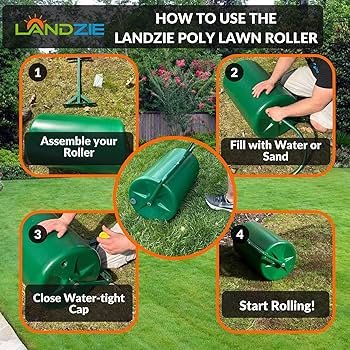
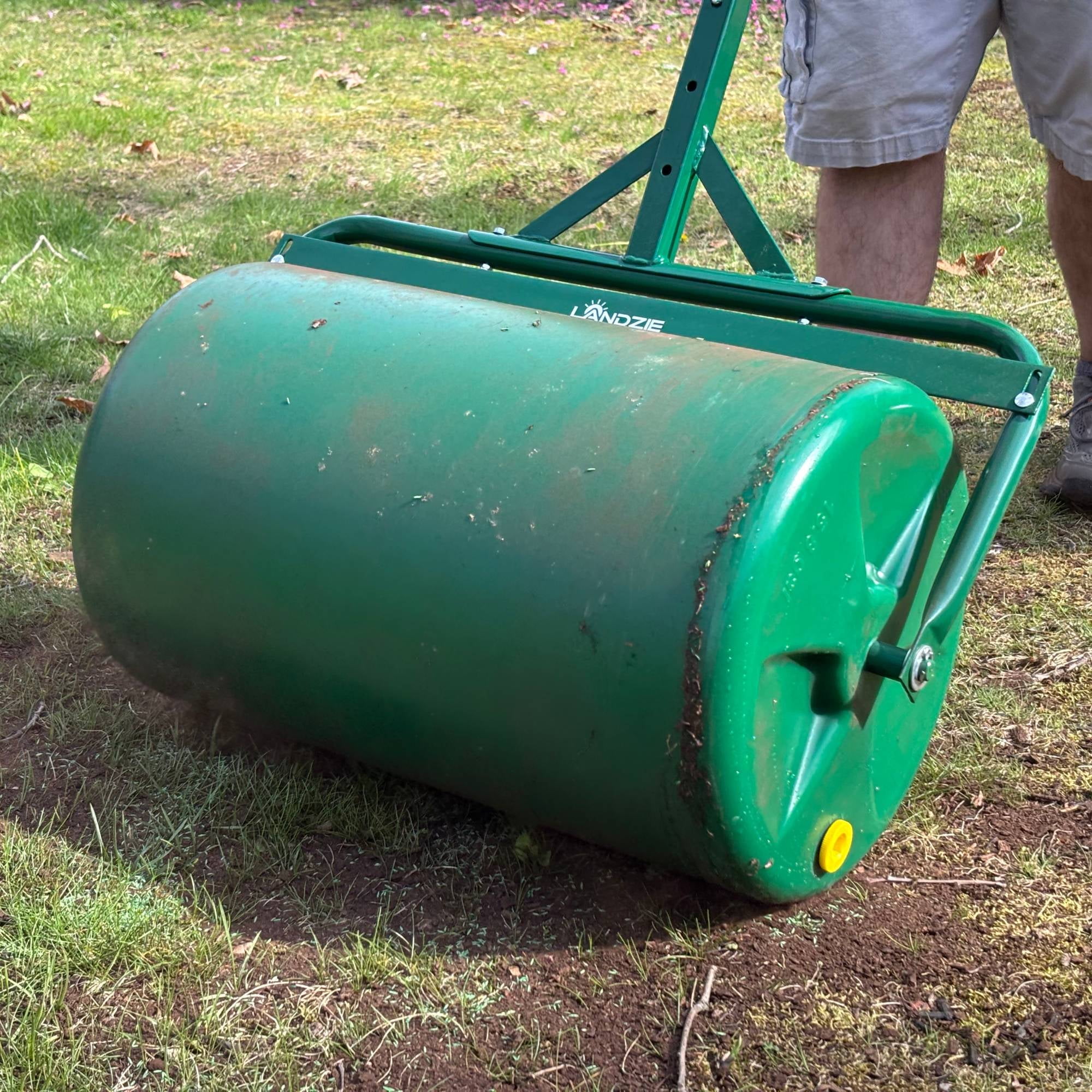
- Hollow plastic rollers that fill with water or sand for weight
- Solid plastic rollers for light flattening tasks
- Plastic rollers with handles for easy pushing
- Rollers designed to attach to lawn tractors or ride-on mowers
How Plastic Rollers Work
Plastic lawn rollers work by applying weight evenly across your lawn. This presses the soil and seeds down.
The roller smooths bumps and helps soil settle. This creates a flat surface that encourages grass to grow well.
- Fill hollow rollers with water or sand for added weight
- Push or pull the roller slowly over the lawn
- Repeat in different directions for even flattening
Benefits Of Using Plastic Rollers
Plastic lawn rollers offer many benefits for lawn care. They are easy to handle and safe to use.
These rollers do not rust and require low maintenance. They are gentle on the lawn and lightweight when empty.
- Lightweight and easy to move
- Do not rust or corrode
- Can be filled for adjustable weight
- Affordable and durable
- Help improve seed-to-soil contact
- Flatten uneven ground for better lawn appearance
Choosing The Right Roller
Plastic lawn rollers help keep your lawn smooth and even. Picking the right roller makes your work easier and your lawn better. Consider size, weight, and material before buying.
Understanding filling options can also improve how you use the roller. Each choice suits different lawn types and tasks. Read on to learn more about these factors.
Size And Weight Considerations
Choose a roller size that fits your lawn area. A larger roller covers more ground but may be heavier to move. Weight affects how well the roller presses the soil.
- Small rollers are easy to handle but cover less area.
- Large rollers save time on big lawns.
- Heavy rollers press soil deeper, good for leveling.
- Lighter rollers work well on soft or new soil.
Material Quality And Durability
Plastic rollers must be strong to last long. Good quality plastic resists cracks and damage. Look for UV protection to avoid sun wear. Check the handle and frame for sturdy build.
| Material Feature | Benefit |
| High-density plastic | Strong and crack-resistant |
| UV protection | Prevents sun damage |
| Reinforced handles | Easy to grip and durable |
| Rust-proof frame | Lasts longer outdoors |
Filling Options: Water Vs Sand
Plastic rollers can be filled with water or sand. Water makes the roller lighter and easy to move. Sand adds more weight for firm soil pressing.
- Water filling is quicker and easier to empty.
- Sand filling adds more pressure but is harder to clean.
- Choose water for soft lawns and light tasks.
- Choose sand for hard soils and heavy rolling.
Using Plastic Lawn Rollers Effectively
Plastic lawn rollers help smooth uneven grass and soil. They are lighter than metal rollers and easier to handle.
Using them the right way improves your lawn’s look and health. Learn when and how to use plastic lawn rollers well.
When To Roll Your Lawn
Roll your lawn after seeding or repairing bare spots. This helps press seeds into the soil for better growth.
Avoid rolling when the soil is too wet or dry. Wet soil can get compacted and dry soil can crack.
- Roll in early spring or fall for best results
- Use after heavy rain once the soil is firm
- Do not roll during drought or frozen ground
Rolling Techniques For Best Results
Roll your lawn in straight lines to cover all areas evenly. Overlap each pass slightly for full coverage.
Push the roller at a steady pace. Avoid stopping suddenly to keep the soil smooth and even.
- Start at one corner and move across the lawn
- Roll in one direction, then cross-roll at a right angle
- Use light pressure with plastic rollers to avoid soil damage
Safety Tips For Lawn Rolling
Wear sturdy shoes and gloves when using a lawn roller. This protects you from slips and blisters.
Do not overload plastic rollers with heavy water or soil. Too much weight can cause cracks or breaks.
- Check the roller for cracks before use
- Keep children and pets away during rolling
- Store the roller in a dry place after use

Credit: www.amazon.ca
Maintaining Your Roller
Plastic lawn rollers help smooth and flatten your lawn surface. Keeping your roller in good condition makes it last longer.
Regular care prevents damage and keeps the roller working well. This guide covers cleaning, storage, and repairs.
Cleaning And Storage Tips
Cleaning your plastic lawn roller after use stops dirt build-up. Store it properly to avoid damage from weather or pests.
- Rinse the roller with water to remove mud and grass.
- Use a soft brush to clean hard spots gently.
- Dry the roller completely to stop mold or mildew.
- Store in a dry, shaded place away from sunlight.
- Keep the roller off the ground using blocks or shelves.
- Cover the roller with a tarp if stored outside.
Repairing Common Issues
Plastic lawn rollers can crack or leak over time. Fixing small problems early stops bigger damage.
| Issue | Cause | Solution |
| Cracks | Impact or pressure | Use plastic adhesive or patch kit |
| Leaks | Hole or worn area | Seal with waterproof tape or filler |
| Handle loosening | Wear or rust | Tighten screws or replace parts |
| Roller not rolling smoothly | Dirt in axle or bearings | Clean and lubricate axle |
Alternatives To Plastic Lawn Rollers
Plastic lawn rollers help flatten soil and seeds after planting. They are light and easy to use but may not last long.
Other types of lawn rollers and tools can do the same job. These alternatives can be stronger or work without power.
Metal Rollers
Metal rollers are heavy and last a long time. They press soil firmly, helping grass grow evenly.
They can be filled with water or sand to add weight. Metal rollers are good for bigger lawns and tougher soil.
- Made from steel or iron
- Can be filled for extra weight
- Durable and long-lasting
- Better for large areas
Manual Lawn Care Tools
Manual tools like rakes and hand rollers help prepare soil without machines. They work well for small gardens.
These tools give control over soil pressure and can be easy to handle. They do not need fuel or electricity.
- Garden rakes for leveling soil
- Hand rollers for small patches
- Simple and low cost
- Good for light soil pressing
Credit: www.walmart.com
Frequently Asked Questions
What Are Plastic Lawn Rollers Used For?
Plastic lawn rollers are used to flatten soil and grass. They help create smooth, even lawns by pressing down bumps and seedbeds. They are ideal for lawn maintenance and preparing ground for seeding or sod installation.
How Do Plastic Lawn Rollers Work?
Plastic lawn rollers work by evenly distributing weight across the surface. Filled with water or sand, they apply pressure to compact soil and grass. This helps improve lawn appearance and promotes healthy grass growth by leveling uneven areas.
Are Plastic Lawn Rollers Better Than Metal Ones?
Plastic lawn rollers are lighter and rust-resistant compared to metal rollers. They are easier to handle and maintain. However, metal rollers are heavier and provide more pressure. Choice depends on lawn size and soil type.
Can Plastic Lawn Rollers Damage My Lawn?
When used properly, plastic lawn rollers do not damage lawns. Overuse or rolling on wet soil may compact roots and harm grass. It’s best to roll lawns when soil is moist but not soggy for safe results.
Conclusion
Plastic lawn rollers help keep your lawn smooth and even. They are easy to use and lightweight. Filling them with water or sand adds weight for better results. These rollers prevent bumps and help seeds settle into the soil. They work well for small to medium lawns.
Choosing the right roller makes lawn care simpler and faster. A good lawn roller is a useful tool for any gardener. Simple, effective, and affordable—plastic lawn rollers improve lawn health and appearance.

