
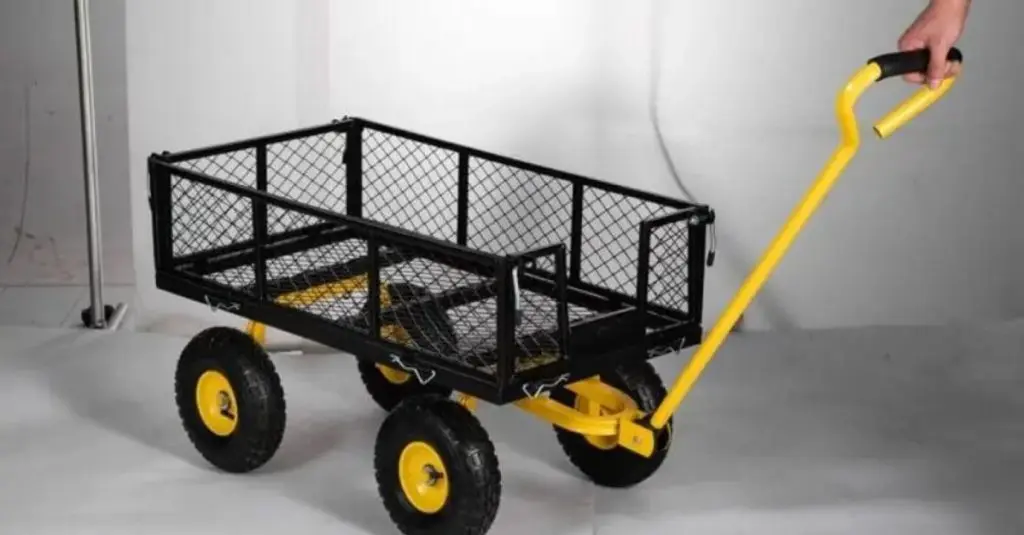
Your yard cart is one of your best helpers when it comes to gardening, hauling, or any outdoor task. But just like any tool, it needs some care to keep working smoothly and last longer.
If you want to avoid frustrating breakdowns and save money on repairs, these simple yard cart maintenance tips are exactly what you need. Keep reading, and you’ll discover easy steps that help you protect your investment and make your outdoor work easier every time.
Cleaning Your Yard Cart
Keeping your yard cart clean helps it last longer. Dirt and debris can cause damage if left on the cart.
Regular cleaning keeps the cart working well and looking good. It also makes your yard work easier.
Removing Dirt And Debris
Start by removing loose dirt and debris from the cart. Use a brush or broom to clear out leaves, mud, and grass.
Check the wheels and under the cart for stuck debris. Clearing these parts helps the cart roll smoothly.
- Use a stiff brush for dried mud
- Remove leaves with your hands or a leaf blower
- Clean wheel areas carefully
Washing Techniques
After removing dirt, wash the cart with water and mild soap. Use a sponge or cloth to scrub the surfaces gently.
Avoid harsh chemicals that can harm the cart’s finish. Focus on areas with stubborn stains or sticky residue.
- Use a bucket of warm soapy water
- Scrub with a soft brush or sponge
- Rinse thoroughly with a garden hose
- Do not use high-pressure washers
Drying Tips
Dry the yard cart after washing to prevent rust and damage. Use a clean towel or let it air dry in the sun.
Make sure to dry the wheels and metal parts well. This stops water from causing corrosion or sticking dirt later.
- Wipe down with a dry cloth or towel
- Leave the cart in a sunny spot to dry fully
- Check for any moisture in hard-to-reach areas
Credit: www.vevor.com
Lubricating Moving Parts
Keeping your yard cart’s moving parts lubricated helps it work smoothly. Regular care stops rust and wear. This makes your cart last longer and move easier.
Lubrication is simple if you know what parts to focus on. Using the right lubricant and applying it well is key.
Identifying Key Components
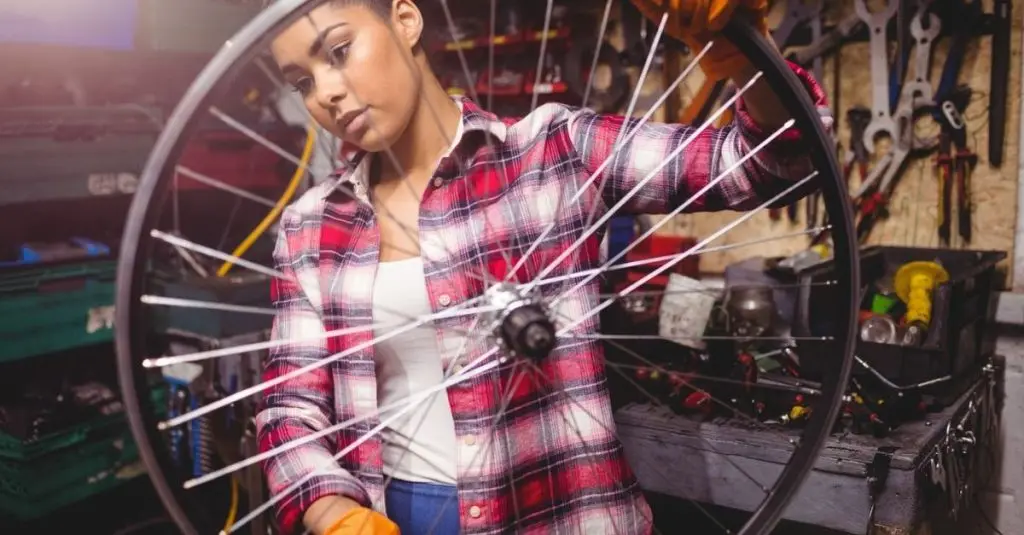
Look for parts that move or rub together. These include wheel axles, hinges, and joints. These parts need lubrication to avoid friction and damage.
- Wheel axles
- Hinges on foldable sections
- Steering joints or pivot points
- Handle grips with moving parts
Choosing The Right Lubricant
Select a lubricant that fits outdoor tools. It should protect metal from rust and work in wet or dry weather. Avoid thick grease that can attract dirt.
| Lubricant Type | Best Use | Notes |
| Silicone spray | General moving parts | Dries fast, no sticky residue |
| Light machine oil | Axles and joints | Penetrates rust, smooths motion |
| Dry graphite lubricant | Hinges in dusty areas | Does not attract dirt |
| WD-40 | Rust removal and light lubrication | Good for cleaning before lubricating |
Application Methods
Apply lubricant carefully to avoid mess. Clean parts first. Use tools like spray nozzles or small brushes to reach tight spots. Wipe off extra oil to stop dirt build-up.
- Clean the moving part with a dry cloth.
- Spray or apply lubricant sparingly.
- Move the part to spread lubricant evenly.
- Wipe off any excess to keep parts clean.
- Repeat regularly based on use and weather.
Inspecting For Damage
Regularly checking your yard cart helps keep it safe and working well. Look for any signs of damage before use.
Small problems can turn into big repairs if you ignore them. A quick inspection saves time and money.
Checking Wheels And Axles
Look at the wheels to see if they spin smoothly. Check for cracks, flat spots, or wear on the tires.
Examine the axles for bending or damage. Make sure the wheels are tightly attached and not loose.
- Spin each wheel to test movement
- Check tire surface for cracks or wear
- Look for bent or broken axles
- Ensure wheels are tight and secure
Examining The Frame
Inspect the frame for bends, cracks, or breaks. A damaged frame can cause unsafe use or failure.
Pay attention to welds and joints. These areas may weaken over time and need repairs.
- Look closely for cracks or dents
- Check welds for signs of wear
- Make sure the frame is straight and stable
Spotting Rust And Corrosion
Rust weakens metal parts and can cause breakage. Look for orange or brown spots on metal surfaces.
Clean off rust early and apply protective coatings. This helps your yard cart last longer.
- Check all metal parts for discoloration
- Remove rust with a wire brush or sandpaper
- Use rust-resistant paint or spray
Tire Care And Maintenance
Proper tire care keeps your yard cart running smoothly. It helps avoid damage and saves money on repairs.
Check your tires regularly. Good maintenance extends tire life and improves safety.
Inflation Guidelines
Keep your tires inflated to the right pressure. Underinflated tires wear out fast and reduce control.
- Find the recommended pressure on the tire sidewall.
- Use a tire gauge to check pressure before use.
- Inflate tires when cold for an accurate reading.
- Do not overinflate, which can cause a rough ride.
Repairing Punctures
Small punctures can often be fixed without replacing the tire. Repair kits are easy to use.
| Repair Step | Description |
| Locate Puncture | Listen for air or use soapy water to find bubbles. |
| Remove Object | Pull out nails or debris carefully. |
| Insert Plug | Use a tire plug kit to fill the hole. |
| Trim Excess | Cut off extra plug material flush with the tire. |
| Reinflate Tire | Check pressure and adjust to the correct level. |
Replacing Tires
Replace tires if they have deep cuts, cracks, or worn treads. Old tires can cause accidents.
- Check tire tread depth regularly.
- Replace tires if the tread is less than 1/16 inch deep.
- Match new tires to the size and type recommended by the manufacturer.
- Balance and align new tires for smooth operation.
- Dispose of old tires safely to protect the environment.
Storage Best Practices
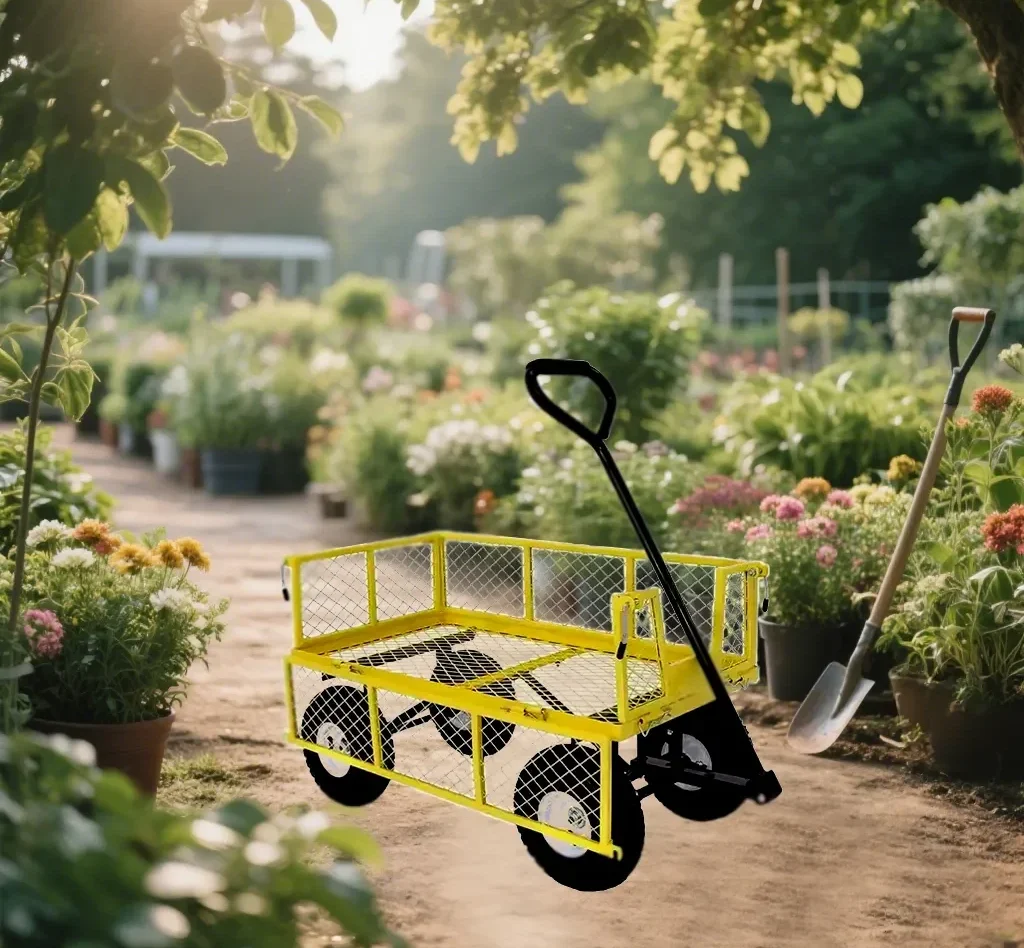
Proper storage helps keep your yard cart in good shape. It also makes it last longer.
Storing your yard cart correctly protects it from damage and rust. It saves you money on repairs.
Protecting From Weather
Weather can cause rust and wear on your yard cart. Rain, snow, and sun all harm its parts.
Cover your cart with a waterproof tarp to keep it dry. Use a breathable cover to avoid moisture buildup.
- Use a heavy-duty, waterproof cover
- Lift wheels off the ground to avoid water damage
- Store in a shaded spot to prevent sun damage
Ideal Storage Locations
Choose a dry, level place to store your yard cart. Avoid areas that flood or stay damp.
A garage or shed works best. If you do not have one, pick a spot with good air flow.
- Garage or garden shed
- Covered porch or carport
- Flat, dry ground with good drainage
Seasonal Storage Tips
Before storing for a season, clean your yard cart. Remove dirt, leaves, and debris from all parts.
Check tires and tighten any loose bolts. Lubricate moving parts to prevent rust during storage.
- Clean and dry the cart thoroughly
- Inspect and tighten bolts and screws
- Lubricate axles and hinges
- Store with tires off the ground if possible
Credit: cnfsgroup.com
Preventing Common Issues
Regular yard cart maintenance is crucial to prevent common issues. By following these tips, you can keep your yard cart in good condition and avoid costly repairs.
Avoiding Overloading
Overloading your yard cart can cause it to become unbalanced, leading to uneven tire wear and potentially even damage to the cart itself. To avoid overloading, make sure to only carry what is necessary and distribute the weight evenly.
When loading your yard cart, consider the weight of the items you are carrying. Heavy items like rocks or soil should be placed in the center of the cart, while lighter items like leaves or branches can be placed on the sides.
- Check the manufacturer’s recommended weight capacity for your yard cart.
- Do not overload the cart, as this can cause it to become unstable.
- Keep the cart balanced by distributing the weight evenly.
Balancing Loads
Balancing loads is crucial to prevent uneven tire wear and potential damage to the cart. To balance loads, make sure to distribute the weight evenly and keep the cart level.
When balancing loads, consider the center of gravity of the cart. Make sure that the weight is evenly distributed and that the cart is level to prevent any tipping or instability.
Regular Maintenance Schedule
A regular maintenance schedule is essential to keep your yard cart in good condition. Regular maintenance can help prevent common issues and extend the life of the cart.
Set aside time each week to check and maintain your yard cart. This can include checking the tires, lubricating the wheels, and cleaning the cart.
Additionally, consider performing a deep clean of the cart every few months. This can include washing the cart, replacing worn-out parts, and applying a rust inhibitor to protect the metal.

Credit: www.youtube.com
Frequently Asked Questions
How Often Should I Clean My Yard Cart?
Cleaning your yard cart after each use prevents rust and dirt buildup. Use mild soap, water, and a soft brush. Dry it completely to avoid moisture damage. Regular cleaning keeps your cart in good condition and extends its lifespan.
What Is The Best Way To Lubricate Yard Cart Wheels?
Apply a light machine oil or grease to the wheel axles. This reduces friction and prevents squeaking. Lubricate wheels every few months or when they start to feel stiff. Proper lubrication ensures smooth movement and better handling.
How Do I Store A Yard Cart During Winter?
Store your yard cart in a dry, sheltered area during winter. Cover it with a waterproof tarp if kept outside. This protects it from moisture, rust, and weather damage. Proper storage helps maintain its durability and performance.
When Should I Check The Tire Pressure On My Yard Cart?
Check tire pressure before each use or at least once a month. Properly inflated tires improve maneuverability and prevent damage. Use a tire gauge and inflate tires to the manufacturer’s recommended pressure. This ensures safe and efficient operation.
Conclusion
Taking care of your yard cart keeps it working well for years. Clean it often to stop rust and dirt build-up. Check the wheels and handles to fix problems early. Store the cart in a dry place to protect it from weather.
Small efforts now save you from big repairs later. Keep these simple steps in mind to enjoy your yard cart without trouble. A well-maintained cart makes yard work easier and faster. Simple care goes a long way in keeping your cart ready.

