
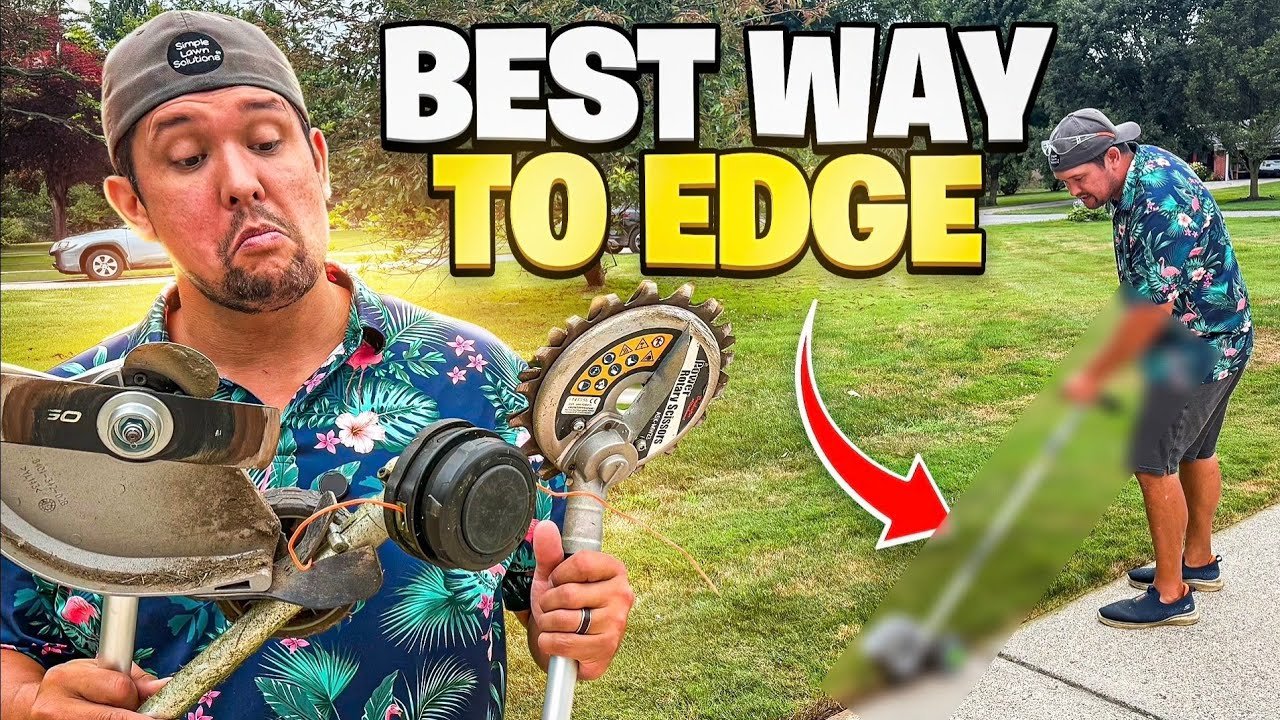
Are you tired of your lawn looking messy around the edges? A sharp, clean edge can make your entire yard look neat and well cared for.
But what is the best way to edge a lawn so it stands out in your neighborhood? Whether you want a simple, quick fix or a long-lasting professional finish, this guide will help you find the perfect method for your lawn.
Keep reading to discover easy tips and tricks that will transform your outdoor space and make your lawn the envy of everyone nearby.

Credit: fencearmor.com
Choosing The Right Lawn Edger
Edging your lawn gives it a neat and clean appearance. Picking the right lawn edger helps make this task easier and more effective.
There are different types of lawn edgers. Each type works best for different needs and lawn sizes.
Manual Edgers
Manual edgers are simple tools that need physical effort. They are perfect for small lawns and tight spaces.
- No fuel or electricity needed
- Lightweight and easy to store
- Best for small jobs and detailed edging
- Requires more time and effort
Electric And Battery-powered Edgers
These edgers run on electricity or batteries. They offer more power than manual edgers and less noise than gas models.
| Type | Power Source | Pros | Cons |
|---|---|---|---|
| Electric | Plug-in cord | Continuous power, lighter | Limited by cord length |
| Battery-Powered | Rechargeable battery | Portable, no cords | Battery life limits usage |
Gas-powered Edgers
Gas edgers provide strong power for large lawns. They handle thick grass and tough edges well.
- Do not need cords or batteries
- Good for heavy-duty and long jobs
- Louder and heavier than other types
- Require fuel and maintenance

Credit: www.youtube.com
Preparing Your Lawn For Edging
Edging your lawn makes it look neat and well cared for. Proper preparation helps you get clean, sharp edges.
Before you start edging, take time to prepare your lawn. This makes the work easier and the results better.
Clearing Debris
Remove leaves, sticks, and other debris from your lawn before edging. This stops your tools from getting stuck.
Clearing debris also helps you see the exact spots that need edging. It keeps the area clean and safe.
Mowing Before Edging
Mow your grass before edging. Cut it to a manageable height to make edging easier and cleaner.
Freshly mowed grass shows the lawn’s shape better. It helps you follow the edges closely.
Marking The Edging Line
Mark the line where you want to edge. Use a garden hose, string, or spray chalk for a clear guide.
This step keeps your edges straight and even. It prevents mistakes and saves time.
- Lay a garden hose along the desired edge
- Stretch a string tightly for a straight line
- Use spray chalk to mark curves or corners
Techniques For Clean Lawn Edges
Edging your lawn creates a neat and tidy look. Clean edges make your yard look well cared for.
Using the right techniques helps you get straight and smooth lawn edges. This guide explains key steps.
Proper Stance And Grip
Stand with your feet shoulder-width apart for balance. Keep your knees slightly bent.
Hold the edger or trimmer firmly but not too tight. Use both hands to control the tool well.
- Feet shoulder-width apart
- Knees slightly bent
- Firm but relaxed grip
- Use both hands on the tool
Correct Cutting Angle
Hold the blade at a 90-degree angle to the ground. This helps cut clean edges without damaging the lawn.
A slight tilt forward can improve control. Avoid cutting too deep into the soil to prevent damage.
- Blade at 90 degrees to ground
- Small forward tilt for control
- Do not cut too deep
Maintaining A Steady Pace
Move the edger slowly along the edge. A steady pace gives a smooth, even line.
Rushing can cause uneven edges and missed spots. Take your time for the best results.
- Move slowly and steadily
- Keep a consistent speed
- Avoid rushing
- Check your work often
Maintaining Edged Lawn Borders
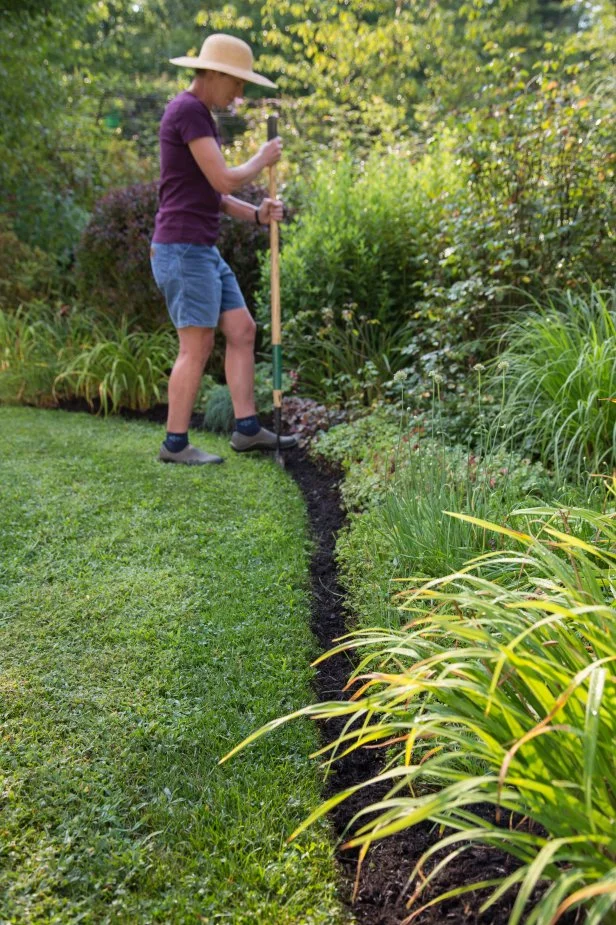
Edging your lawn gives it a clean, neat look. It helps separate grass from flower beds and paths.
Keeping your lawn edges sharp takes regular care. A well-maintained edge improves your yard’s appearance.
Regular Trimming Schedule
Trim your lawn edges often to keep them sharp. A weekly or biweekly schedule works well in most areas.
Use a string trimmer or edging tool to cut grass that grows over the border. This prevents the edges from looking messy.
- Trim edges every 7 to 14 days
- Use sharp blades for clean cuts
- Trim after mowing for best results
Dealing With Overgrowth
Overgrowth can make edges look untidy and hard to manage. Remove weeds and extra grass regularly.
Pull out weeds by hand or use a weed killer safe for lawns. Clear away dead grass and debris to keep edges healthy.
- Check edges weekly for weeds
- Pull weeds before they spread
- Clear dead grass and leaves
Using Edging Materials
Edging materials help keep lawn borders defined and prevent grass from spreading. Choose materials that suit your yard style.
Common materials include plastic, metal, stone, and brick. Install them along the edge to create a clear boundary.
- Plastic: flexible and easy to install
- Metal: durable and clean-looking
- Stone and brick: natural and sturdy
- Keep materials flush with soil for safety
Troubleshooting Common Edging Issues
Edging your lawn keeps it neat and tidy. Sometimes, problems come up that make your edges look rough.
Fixing these common issues helps your lawn look its best and saves time in the long run.
Uneven Edges
Uneven edges happen when the edging tool moves at different speeds or angles. This makes the line look jagged or patchy.
Keep a steady hand and move slowly for a clean, smooth edge. Using a string or guide can help you stay straight.
- Walk at a steady pace while edging
- Hold the tool at the same angle
- Use a garden hose or string as a guide
- Check your work often and fix mistakes early
Damaged Grass Blades
Grass blades can get cut or torn if the edging tool is too sharp or used incorrectly. This can make your lawn look unhealthy.
Use the right tool for your grass type. Avoid edging on wet grass because it tears more easily.
- Choose a blade suitable for your grass
- Edge only when the grass is dry
- Don’t press too hard on the grass
- Trim blades carefully near the edges
Equipment Maintenance Tips
Well-maintained tools work better and last longer. Dull blades can cause uneven cuts and damage grass blades.
Clean your tools after each use. Sharpen blades regularly and check for loose parts or damage.
- Clean dirt and grass off blades after use
- Sharpen blades every few uses
- Check screws and bolts for tightness
- Store tools in a dry place to avoid rust
Credit: www.hgtv.com
Frequently Asked Questions
What Tools Are Best For Edging A Lawn?
The best tools for edging a lawn include manual edgers, string trimmers, and powered lawn edgers. Choose based on lawn size and precision needed. Manual tools offer control; powered tools save time. Proper tools ensure clean, sharp edges for a neat lawn appearance.
How Often Should I Edge My Lawn?
Edge your lawn every 2 to 4 weeks during the growing season. Frequent edging keeps grass from spreading onto walkways and flower beds. Regular maintenance enhances lawn appearance and prevents overgrowth, making your yard look tidy and well-kept throughout spring and summer.
Can I Edge A Lawn Without Damaging Grass?
Yes, by using sharp tools and proper technique, you can edge without damaging grass. Cut along the edge carefully, avoid cutting too deep, and trim slowly. This method preserves grass health and maintains clean, defined lawn borders.
Is Edging Necessary For Lawn Health?
Edging is important for lawn health as it prevents grass from invading sidewalks and garden beds. It also reduces weed growth and improves air circulation. Proper edging helps maintain a balanced, healthy lawn by defining boundaries and promoting better growth.
Conclusion
Edging a lawn keeps it neat and healthy. Choose the right tool for your yard size. Regular trimming helps grass grow strong and tidy. Clean edges also stop weeds from spreading. Take your time and work carefully for best results.
A well-edged lawn makes your garden look cared for. Simple steps lead to a fresh, sharp lawn border. Try different methods to find what suits you best. Keep your lawn edges clean for a great outdoor space.

