

If you need to move gravel for your project, using a wheelbarrow is one of the easiest and most efficient ways to do it. But without the right techniques, you might find yourself struggling with heavy loads, spills, or even injury.
This guide will show you how to transport gravel with a wheelbarrow safely and smoothly, saving you time and effort. Keep reading to discover simple tips that will make your work faster and less tiring. Your next gravel haul will feel much easier than you expect!
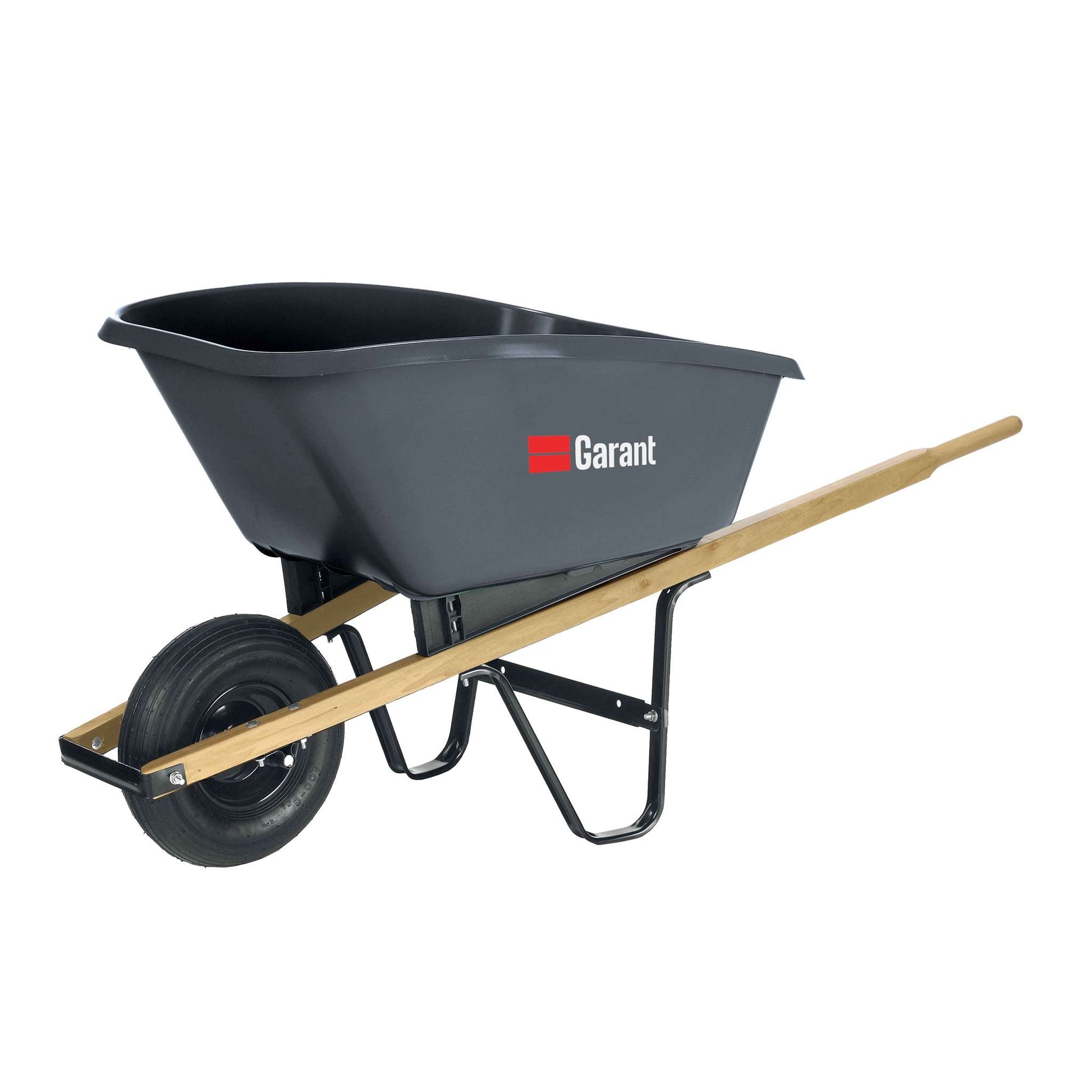
Credit: www.garant.com
Choosing The Right Wheelbarrow
Moving gravel with a wheelbarrow is easier with the right tool. Picking the right wheelbarrow saves time and effort.
Consider the type, size, and material before buying. These factors affect how well the wheelbarrow works for gravel.
Types Of Wheelbarrows
Wheelbarrows come in many shapes and designs. Each type has strengths for different tasks.
- Standard Wheelbarrow:One wheel in front, good for stability on flat ground.
- Two-Wheel Wheelbarrow:Two wheels add balance, ideal for uneven surfaces.
- Collapsible Wheelbarrow:Easy to store and carry but smaller capacity.
- Electric Wheelbarrow:Powered for heavy loads, less physical effort required.
Capacity And Size
Choose a size that fits your project. Too big can be hard to push; too small means more trips.
| Capacity (Cubic Feet) | Best For | Weight Range When Full |
| 4 to 6 | Small gardens, light gravel | 80 to 120 lbs |
| 7 to 10 | Medium projects, driveway gravel | 140 to 200 lbs |
| 11 and above | Large jobs, heavy gravel | 220+ lbs |
Material And Durability
Materials affect how long the wheelbarrow lasts and how much it weighs.
- Steel:Very strong and durable but heavier to push.
- Plastic:Lightweight and rust-proof but can crack under heavy loads.
- Aluminum:Light and rust-resistant, balances strength and weight.
Preparing For Gravel Transport
Transporting gravel with a wheelbarrow needs proper preparation. Good planning makes the job safer and easier.
This guide focuses on key steps before moving gravel. Follow these tips to get ready efficiently.
Selecting Gravel Type
Choose gravel that fits your project needs. Different types have different weights and sizes.
| Gravel Type | Description | Best Use |
| Pea Gravel | Small, smooth stones | Paths and decoration |
| Crushed Stone | Sharp, angular rocks | Driveways and drainage |
| River Rock | Rounded, large stones | Landscaping and edging |
Safety Gear Essentials
Wear the right safety gear before you start. It protects you from injuries and strain.
- Sturdy gloves to protect your hands
- Closed-toe shoes with good grip
- Eye protection to block dust
- Long pants to avoid scratches
- Back support belt if needed
Clearing The Path
Clear the route where you will push the wheelbarrow. Remove obstacles to avoid spills and accidents.
- Pick up stones and sticks
- Trim low branches or bushes
- Check for slippery or uneven spots
- Plan the shortest and easiest path
Loading Gravel Efficiently
Transporting gravel with a wheelbarrow saves time and effort. Loading it correctly helps keep the work safe and smooth.
Use the right techniques to avoid spills and injuries. Follow simple tips to load gravel quickly and evenly.
Proper Shoveling Techniques
Use a shovel with a comfortable handle and the right size blade. Bend your knees and keep your back straight while shoveling.
- Scoop gravel close to the pile’s edge
- Lift with your legs, not your back
- Keep the shovel blade flat to avoid spilling
- Move gravel in small, manageable amounts
Avoiding Overloading
Do not fill the wheelbarrow too full. Overloading makes it hard to push and can cause accidents.
| Load Level | Effect |
| Too Full | Hard to control, risk of tipping |
| Half to Three-Quarters Full | Easy to push and balance |
| Too Light | More trips needed, less efficient |
Balancing The Load
Place gravel evenly in the wheelbarrow. Keep the heaviest part near the wheel to reduce strain.
- Center the gravel side to side
- Keep the load low and close to the wheelbarrow’s front
- Avoid piles that lean to one side
- Check balance before moving the wheelbarrow
Transporting Tips
Moving gravel with a wheelbarrow can be hard work. Using the right tips makes it easier and safer. Follow these ideas to carry gravel smoothly and avoid accidents.
Focus on controlling the wheelbarrow, handling rough ground, and using your body well. These tips help you finish the job faster and with less strain.
Maintaining Wheelbarrow Control
Keep your wheelbarrow steady by holding the handles firmly. Watch the load and balance it evenly to stop tipping. Move slowly to keep control.
Check the wheelbarrow’s tire pressure before you start. A well-inflated tire rolls easier and helps you steer better.
- Hold handles tightly with both hands
- Balance gravel evenly inside the tray
- Push at a slow, steady pace
- Check tire pressure before use
Managing Uneven Terrain
Rough or uneven ground can make the wheelbarrow tip. Look ahead to spot bumps or holes. Choose the safest path for a smooth trip.
Go slow and lift the wheelbarrow slightly over obstacles. Use your legs to absorb shocks and keep balance.
- Scan the path for rocks or holes
- Pick a flat, clear route if possible
- Lift the wheelbarrow gently over bumps
- Use your knees to keep steady
Using Handles And Body Positioning
Hold the handles close to your body for better strength. Keep your back straight and bend your knees. Use your legs to push the wheelbarrow forward.
Take short steps and keep a steady speed. This helps you avoid losing balance and reduces strain on your back.
- Grip handles near your body
- Keep your back straight
- Bend knees, use legs to push
- Walk with short, steady steps
Unloading Gravel Safely
Moving gravel with a wheelbarrow can be hard work. It is important to unload the gravel safely. Doing this helps prevent injury and keeps the work area neat.
Follow simple steps to unload your gravel without causing damage or making a mess. This guide will help you do it right.
Choosing The Best Spot
Pick a flat and stable place to unload gravel. This prevents the wheelbarrow from tipping over. Make sure the spot is close to where you want the gravel.
A clear area helps you dump safely. Avoid places with slippery or loose ground. Check for obstacles like rocks or tools that can cause accidents.
- Choose flat, firm ground
- Keep area free of obstacles
- Stay close to the final gravel spot
Dumping Techniques
Lift the wheelbarrow handles carefully. Tilt the wheelbarrow slowly to pour out the gravel. Avoid dumping too fast to stop spills and injuries.
Use your legs, not your back, to lift. Keep your feet firm and balanced. Stop if the load feels too heavy to control safely.
- Lift with your legs, not your back
- Tilt slowly to control gravel flow
- Keep a firm, balanced stance
- Dump in small amounts if needed
Spreading Gravel Evenly
After dumping, spread the gravel evenly. Use a rake or shovel to level the gravel. This makes the surface smooth and safe to walk on.
Check for thin or thick spots. Add gravel to low areas and smooth high piles. Even spreading helps the gravel stay in place longer.
- Use a rake or shovel to spread gravel
- Fill low spots for even surface
- Break up clumps and smooth piles
- Work in small sections for control
Maintaining Your Wheelbarrow
Proper care of your wheelbarrow ensures it lasts longer and works efficiently. Simple maintenance can prevent future problems.
Here are some tips on keeping your wheelbarrow in top condition. Follow these steps to maintain its performance and durability.
Cleaning After Use
Cleaning your wheelbarrow after each use removes dirt and debris. This prevents rust and prolongs the lifespan of your tool.
- Rinse the wheelbarrow with a hose
- Scrub using a brush for tough dirt
- Dry thoroughly to avoid rust
Checking Tire Pressure
Correct tire pressure makes pushing the wheelbarrow easier. Check the pressure regularly to ensure smooth operation.
| Pressure Level | Recommended PSI |
| Low | 15 PSI |
| Normal | 25 PSI |
| High | 35 PSI |
Storing Properly
Proper storage protects your wheelbarrow from weather damage. It also keeps it ready for the next job.
Common Mistakes To Avoid
Transporting gravel with a wheelbarrow can seem simple. Yet, mistakes often happen. Understanding these can make the task safer and more efficient.
Here are common mistakes to avoid when moving gravel with a wheelbarrow. Follow these tips to ensure a smooth process.
Ignoring Weight Limits
Overloading the wheelbarrow can lead to accidents. It may also damage the wheelbarrow. Always check the weight capacity before loading gravel.
- Check the manufacturer’s weight limit.
- Load small amounts and test the balance.
- Never exceed the wheelbarrow’s capacity.
Poor Path Planning
Planning the path is crucial for safety. Uneven surfaces and obstacles can cause spills or injuries. Evaluate the route before starting.
Neglecting Safety Precautions
Safety should always be a priority. Wearing the right gear can prevent injuries. Proper lifting techniques also reduce the risk of strain.
| Safety Gear | Purpose |
| Gloves | Protect hands from blisters |
| Sturdy Shoes | Prevent slips and falls |
| Back Brace | Support for lifting |

Credit: topwheelbarrow.com

Credit: www.yahoo.com
Frequently Asked Questions
How Much Gravel Can A Wheelbarrow Carry?
A standard wheelbarrow holds about 4 to 6 cubic feet of gravel. Avoid overloading to maintain balance and prevent damage. Distribute the gravel evenly for easier transport. Regularly check the wheelbarrow’s capacity to ensure safe handling.
What Is The Best Way To Load Gravel Into A Wheelbarrow?
Use a shovel to scoop gravel carefully into the wheelbarrow. Fill it halfway to maintain balance. Avoid piling gravel above the rim to prevent spills. Spread the load evenly to make pushing easier and safer.
How Do You Prevent Spills When Transporting Gravel?
Keep the gravel level and don’t overload the wheelbarrow. Move slowly over uneven surfaces to avoid tipping. Use a tarp or liner inside the wheelbarrow for extra containment. Steady your grip and watch your path closely.
Can Any Wheelbarrow Be Used For Gravel Transport?
Choose a wheelbarrow with a sturdy frame and pneumatic tire. Larger tires handle rough terrain better. Steel or heavy-duty plastic tubs are ideal for gravel. Ensure the wheelbarrow can support the weight without bending or breaking.
Conclusion
Transporting gravel with a wheelbarrow takes some care and planning. Keep loads light to avoid spills and strain. Push steadily and watch your path for obstacles. Take breaks to stay safe and avoid tiredness. Using the right tools makes the job easier and faster.
With patience and practice, you can move gravel smoothly. Small steps lead to big progress in your project. Keep these tips in mind for your next task.

