
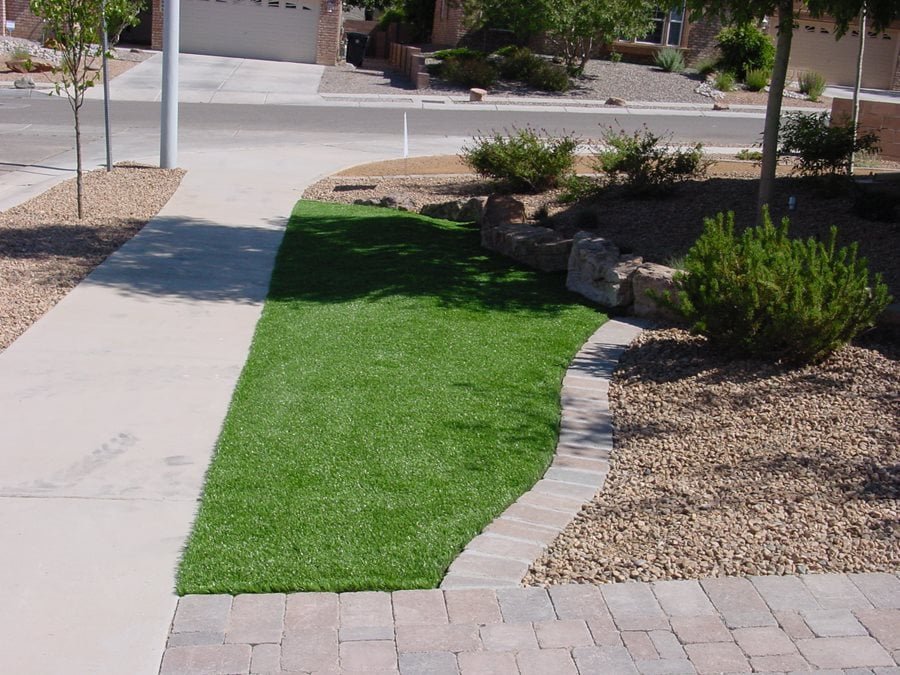
Your lawn looks fresh right after mowing, but there’s one simple step that can take it from neat to perfectly polished: edging. If you want your yard to have those clean, sharp lines that make your grass stand out, knowing how to edge your lawn after mowing is key.
You’ll discover easy tips and tricks to give your lawn that professional finish. Ready to transform your outdoor space and impress your neighbors? Keep reading to learn how you can edge your lawn like a pro, quickly and effortlessly.

Credit: fencearmor.com
Why Edge Your Lawn
Edging your lawn after mowing gives it a neat and tidy look. It separates grass from sidewalks, flower beds, and driveways.
Many people skip edging, but it can make a big difference in the lawn’s health and beauty.
Benefits Of Clean Edges
Clean edges make your lawn look well cared for and sharp. They stop grass from growing into unwanted areas.
- Prevents grass from invading flower beds
- Keeps pathways clear and safe to walk on
- Makes mowing easier and more efficient
- Helps control weeds along borders
Impact On Lawn Health
Edging helps grass grow stronger by reducing competition with weeds. It also improves air and water flow around the grass roots.
| Effect | Benefit to Lawn |
| Separation of grass and plants | Less weed growth |
| Clear boundaries | Healthier root systems |
| Better water drainage | Less water pooling |
Enhancing Curb Appeal
Edged lawns look clean and inviting. They add value to your home by improving its first impression.
- Use a sharp edger for clean lines
- Edge regularly after each mow
- Trim edges near walkways and driveways
- Add mulch or stones along edges for contrast

Credit: www.youtube.com
Tools For Lawn Edging
Edging your lawn after mowing gives it a clean and neat look. Using the right tools makes the job easier and faster.
There are different tools available for edging. You can choose manual, powered, or alternative tools based on your needs.
Manual Edgers
Manual edgers are simple tools that need physical effort. They are great for small yards or tight spaces.
These edgers usually have a long handle and a sharp blade to cut grass along edges.
- Easy to control and precise
- No fuel or electricity needed
- Require more effort and time
- Affordable and low maintenance
Powered Edgers
Powered edgers use gas or electricity to cut grass quickly. They reduce physical work and speed up the process.
These tools often come with adjustable blades and handles for comfort and control.
- Work well for medium to large lawns
- Require fuel, battery charging, or electricity
- Can be heavier and noisier than manual tools
- Offer faster and cleaner cuts
Alternative Tools
Alternative tools can help edge your lawn in different ways. They may not be made for edging but still work well.
Some gardeners use string trimmers or even garden knives for edging small areas.
- String trimmers can edge and trim grass edges
- Garden knives offer precision in tight spots
- Hand trowels can help clean up edges carefully
- These tools need skill for good results
Best Time To Edge
Edging your lawn gives it a clean, sharp look. Choosing the right time to edge helps keep your grass healthy.
Edging at the best time makes the job easier and protects your plants from damage.
After Mowing Tips
Edge your lawn right after mowing to get clear lines. The grass is shorter and easier to cut along sidewalks and flower beds.
Use a sharp edger to avoid tearing the grass. Clean up trimmed grass pieces to keep the area neat.
Ideal Weather Conditions
Choose a dry day to edge your lawn. Wet grass can clump and stick to your tools, making edging harder.
A calm, mild day is best. Strong winds can blow grass clippings around, and hot sun can stress your grass.
- Dry soil helps create clean edges
- Low wind keeps trimmed grass in place
- Mild temperatures protect grass from stress

Credit: www.amazon.ca
Step-by-step Edging Process
Edging your lawn after mowing gives it a neat and clean look. It helps define the borders of your grass and keeps the lawn tidy.
Follow these simple steps to edge your lawn properly and improve its appearance.
Prepare The Lawn
Before edging, make sure your lawn is dry and freshly mowed. This makes edging easier and more effective.
Clear away any sticks, stones, or debris near the edges. These can damage your edger or cause uneven cuts.
Mark The Edging Line
Decide where you want the edge to be. This could be along sidewalks, driveways, or garden beds.
Use a garden hose or string to create a smooth, visible line. This helps guide your edging tool for a straight edge.
- Lay a garden hose in the desired edge shape
- Adjust the hose until you like the curve or line
- Use string and stakes for straight edges
Using The Edger Correctly
Hold the edger firmly and place the blade on the ground along the marked line. Move the tool slowly to cut the grass cleanly.
Keep your body steady and use smooth, controlled motions. Avoid rushing to get a straight and even cut.
- Wear safety glasses and gloves
- Keep the blade vertical and close to the edge
- Push or pull the edger along the marked line
- Stop if the blade hits hard objects
Cleaning Up After Edging
After edging, remove the cut grass and soil from sidewalks and driveways. This keeps your yard looking tidy.
Use a broom or leaf blower to clear debris. Check the edger for any damage or dirt before storing it.
- Sweep or blow grass clippings off hard surfaces
- Rinse the edger blade with water if dirty
- Store the tool in a dry place
Common Edging Mistakes
Edging your lawn after mowing gives it a sharp, clean look. Many people make simple mistakes that hurt their lawn’s health and appearance.
Knowing what to avoid helps you edge safely and keep your lawn borders neat. Here are some common errors to watch for.
Cutting Too Deep
Cutting too deep can damage your grass roots and soil. It makes the lawn weak and more likely to dry out or die.
- Avoid pushing the edger blade too far below the soil surface.
- Keep the blade level with the grass edge for a clean cut.
- Check your equipment settings before starting.
Ignoring Safety Precautions
Many accidents happen when people forget safety steps. Edgers have sharp blades and can throw debris far.
- Wear safety glasses to protect your eyes from flying dirt and rocks.
- Use ear protection if the machine is loud.
- Wear sturdy shoes and long pants to protect your feet and legs.
- Keep children and pets away from the work area.
- Turn off the edger before adjusting or cleaning it.
Overlooking Lawn Borders
Not paying attention to lawn borders can create uneven edges or damage flower beds and walkways.
| Common Border Issue | Effect | How to Fix |
|---|---|---|
| Cutting into flower beds | Hurts plants and soil | Use a string guide or edge carefully along the border |
| Leaving uneven edges | Lawn looks messy | Follow a steady path and keep the edger straight |
| Damaging walkways | Chips or cracks in concrete | Keep distance and use a guard on the edger |
Maintaining Perfect Edges
Keeping your lawn edges neat enhances your garden’s look. Edging after mowing is crucial for a polished finish.
Learn how to maintain these edges with a regular schedule and adjust for seasonal changes.
Regular Edging Schedule
Consistent edging is key to a tidy lawn. Follow these steps for best results.
- Edge your lawn every two weeks.
- Use a string trimmer or edging tool.
- Clear debris from edges after trimming.
Seasonal Adjustments
Different seasons affect how often you need to edge. Adjust your schedule based on seasonal growth patterns.
| Season | Edging Frequency |
| Spring | Every 10-14 days |
| Summer | Weekly |
| Fall | Every 10-14 days |
| Winter | Monthly |
Lawn Care Tips Post-edging
After edging, your lawn needs some care to stay healthy. Here are some tips to consider.
- Water your lawn to help it recover from trimming.
- Fertilize if necessary to promote growth.
- Inspect edges for pests or diseases.
Frequently Asked Questions
How Often Should I Edge My Lawn After Mowing?
Edge your lawn every 1-2 weeks after mowing. Regular edging keeps clean borders and prevents grass overgrowth. It maintains a neat, healthy lawn appearance and reduces weed growth along the edges.
What Tools Are Best For Edging A Lawn?
Use a manual edger, string trimmer, or electric lawn edger. Choose based on lawn size and your comfort. Each tool creates sharp, clean edges efficiently when used properly.
Can I Edge My Lawn Without Damaging Grass?
Yes, edge carefully along the border without cutting too deep. Use steady, controlled movements to avoid harming grass roots. Proper edging improves lawn health and creates crisp edges.
Should I Edge Before Or After Mowing The Lawn?
Mow first, then edge for best results. Mowing trims grass height evenly, while edging defines borders clearly. This sequence ensures a polished, well-maintained lawn look.
Conclusion
Edging your lawn after mowing keeps it neat and tidy. It helps define paths and garden beds clearly. Use the right tools and take your time. Clean edges improve your lawn’s overall look quickly. Regular edging stops grass from growing over sidewalks.
Your yard will look cared for and inviting. Small efforts make a big difference in lawn care. Try edging after each mow for best results. Enjoy the fresh, sharp lines around your lawn. Simple steps lead to a well-kept outdoor space.

