
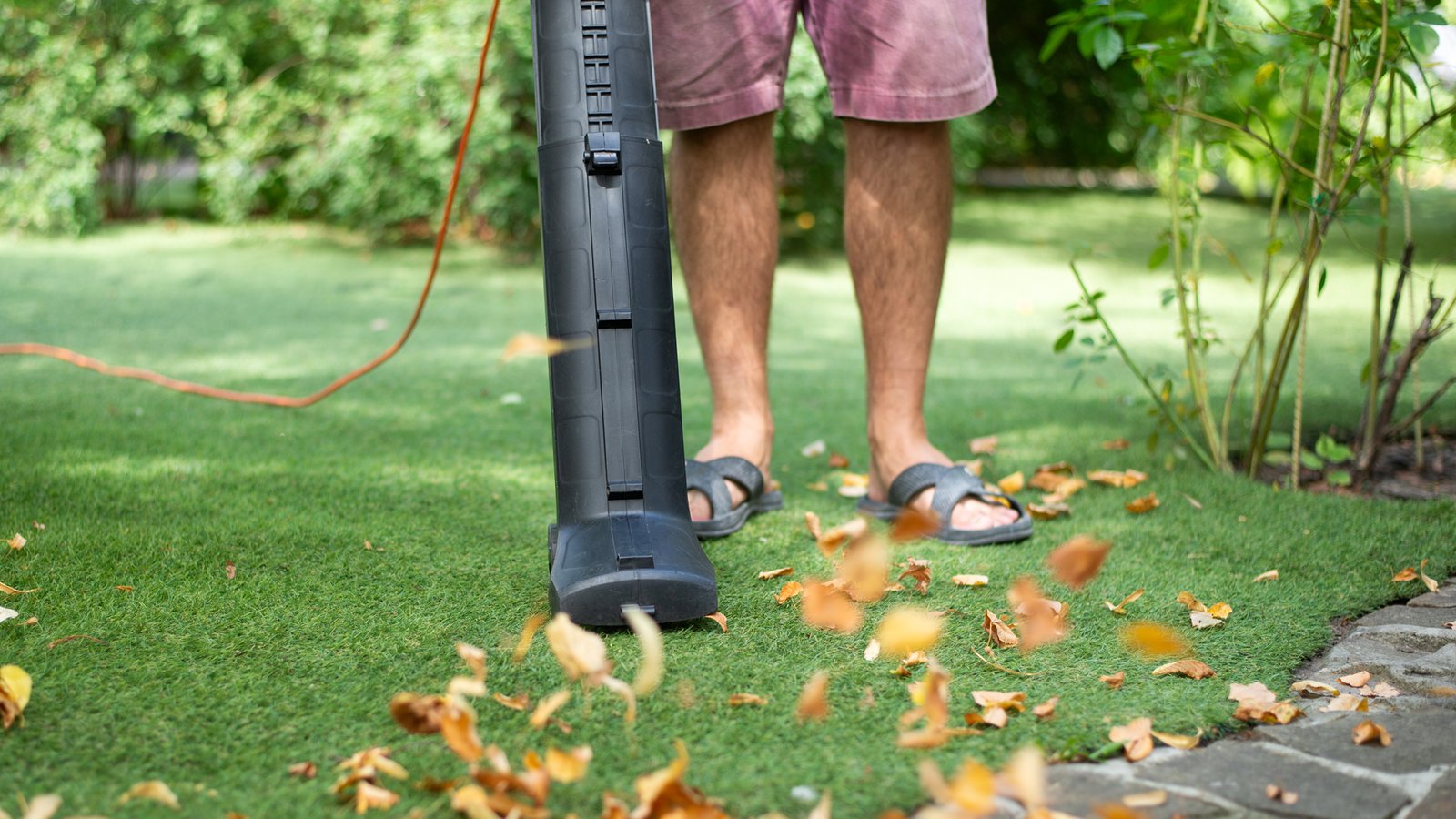
Are fallen leaves piling up in your yard, making your outdoor space look messy? You don’t have to spend hours raking and bagging them anymore.
With a handheld leaf vacuum, you can quickly turn those leaves into useful mulch for your garden. Imagine saving time, reducing waste, and boosting your plants’ health all at once. You’ll discover simple steps to mulch leaves using your handheld leaf vacuum, transforming a chore into a smart and satisfying task.
Keep reading—you’re about to make leaf cleanup easier and more rewarding than ever.
Benefits Of Mulching Leaves
Mulching leaves with a handheld leaf vacuum helps turn fallen leaves into useful mulch. This mulch can improve your garden and reduce waste.
Using a handheld leaf vacuum makes leaf mulching easier and faster. It also supports healthy soil and a cleaner yard.
Improving Soil Health
Mulched leaves add valuable nutrients to the soil. As they break down, they feed plants and help soil stay fertile.
Leaves help keep soil moist and reduce erosion. They create a natural cover that protects soil from harsh weather.
Reducing Yard Waste
Mulching leaves lowers the amount of yard waste sent to landfills. It turns what is usually trash into a useful resource.
This process helps keep your yard clean and less cluttered. It also cuts down on the need for trash bags and trips to the dump.
Saving Time And Effort
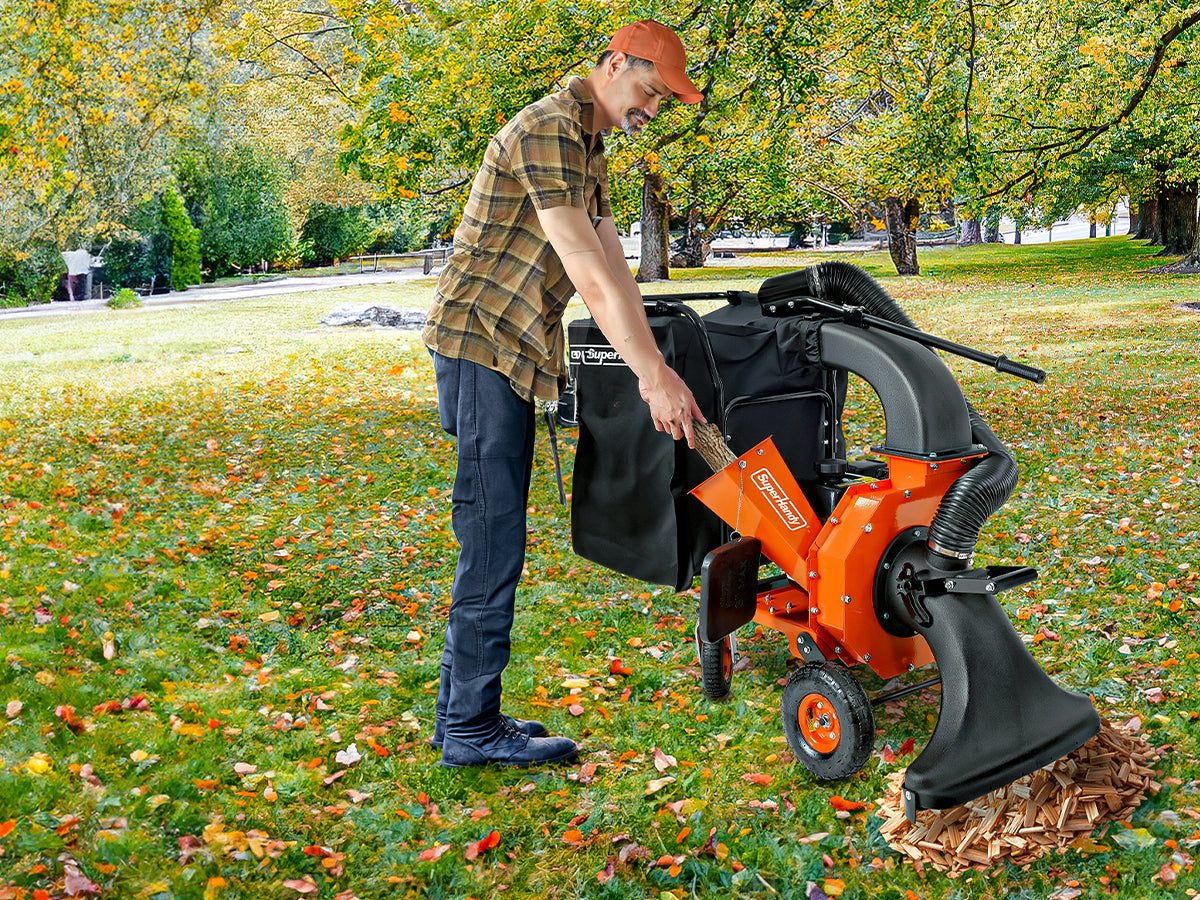
A handheld leaf vacuum makes leaf cleanup faster and easier. It mulches leaves as it collects them, so you do two jobs at once.
This reduces the time you spend raking and bagging leaves. You also avoid extra steps like hauling bags to the trash.
Credit: superhandyus.com
Choosing The Right Leaf Vacuum
Mulching leaves with a handheld leaf vacuum makes yard cleanup easier. Picking the right vacuum helps you work faster and cleaner.
This guide explains the types of handheld vacuums, key features to watch for, and the choice between battery and corded models.
Types Of Handheld Vacuums
Handheld leaf vacuums come in three main types: blower-only, vacuum-only, and blower-vacuum combos. Each type fits different needs.
- Blower-only:Pushes leaves into piles for easy collection.
- Vacuum-only:Sucks leaves into a bag for quick removal.
- Blower-vacuum combo:Offers both functions in one tool for more flexibility.
Key Features To Look For
Some features make a handheld leaf vacuum easier and safer to use. Check for these before buying.
| Feature | Why It Matters |
| Weight | Lighter models reduce user fatigue. |
| Mulching Ratio | Higher ratio means smaller leaf pieces. |
| Bag Capacity | Bigger bags need less emptying. |
| Noise Level | Quieter machines are more pleasant to use. |
| Safety Switch | Prevents accidental starts. |
Battery Vs. Corded Models
Choosing between battery and corded models depends on your yard size and power needs. Both have pros and cons.
- Battery models:Offer freedom of movement and less noise. Limited runtime needs recharging.
- Corded models:Provide constant power and no recharge breaks. Cord limits your range and can tangle.
Preparing Your Yard
Mulching leaves with a handheld leaf vacuum helps keep your yard tidy. Proper preparation makes the process easier and safer.
Before you start, clear the area and check the types of leaves. Follow safety tips to avoid accidents.
Clearing Large Debris
Remove large sticks, rocks, and trash from your yard. These can damage your leaf vacuum or block the chute.
- Pick up big branches and sticks by hand.
- Rake or sweep away trash and large debris.
- Check corners and under bushes for hidden objects.
Identifying Leaf Types
Different leaves break down differently. Knowing leaf types helps you adjust your vacuum and mulching settings.
| Leaf Type | Texture | Mulching Ease |
| Oak | Thick and stiff | Moderate |
| Maple | Smooth and thin | Easy |
| Pine | Needle-like | Hard |
| Birch | Light and small | Very easy |
Safety Precautions
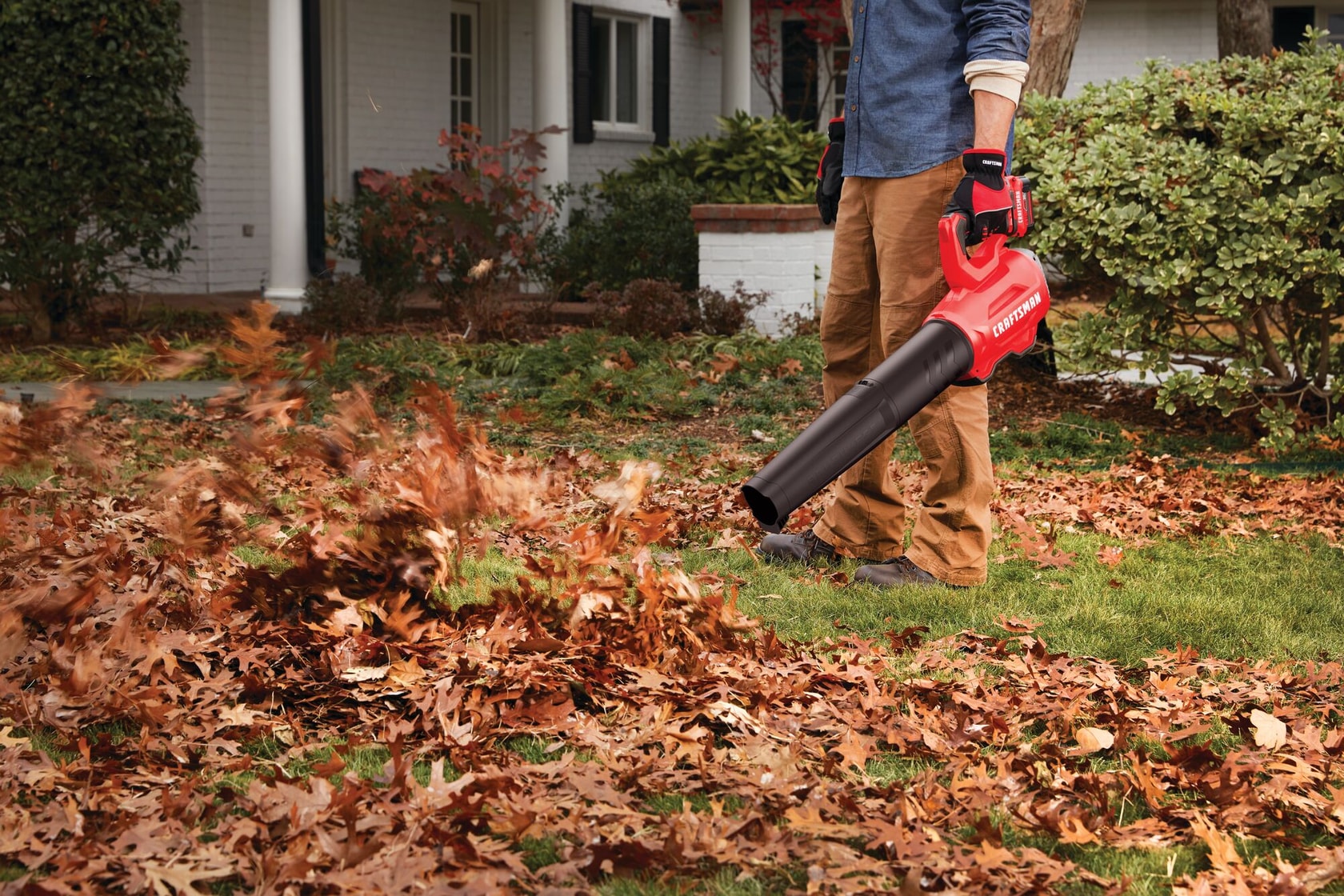
Wear protective gear and follow safety rules to avoid injury while mulching leaves.
- Use safety glasses to protect your eyes.
- Wear gloves to avoid cuts and blisters.
- Check the vacuum for loose parts before use.
- Keep children and pets away from the working area.
- Do not vacuum wet leaves to prevent clogging.
Credit: www.craftsman.com
Step-by-step Mulching Process
Mulching leaves with a handheld leaf vacuum helps reduce yard waste. It turns leaves into small pieces that break down faster.
This guide shows you how to use your vacuum in four clear steps. Follow along to mulch leaves safely and efficiently.
Setting Up The Vacuum
Start by reading the vacuum’s manual for safety tips. Check the vacuum bag and empty it if needed.
Make sure the vacuum is fully charged or plugged in. Attach the mulching blade or bag as directed.
Collecting Leaves Efficiently
Choose dry leaves for easier mulching. Wet leaves can clog the vacuum and reduce performance.
- Start at one corner of your yard
- Move slowly to let the vacuum suck up leaves
- Avoid large piles that can jam the machine
- Use a rake to gather scattered leaves first
Adjusting Mulch Settings
Check your vacuum’s mulch settings. Many models let you control the size of leaf pieces.
| Setting | Effect |
|---|---|
| Fine Mulch | Leaves are shredded into small pieces |
| Coarse Mulch | Leaves are chopped into larger bits |
| Bag Mode | Leaves collected without mulching |
Emptying And Maintaining The Vacuum
Turn off and unplug the vacuum before emptying. Open the collection bag carefully to avoid dust.
To keep your vacuum working well:
- Clean or replace the vacuum bag regularly
- Check the mulching blade for damage
- Remove any stuck leaves or debris
- Store the vacuum in a dry place
Using Mulched Leaves In Your Garden
Mulched leaves are a great natural resource for your garden. They break down quickly and add valuable nutrients to the soil.
Using a handheld leaf vacuum to mulch leaves saves time and helps create fine leaf pieces. These pieces are easier to use in different gardening tasks.
Applying As Compost
Mulched leaves work well as compost material. They add carbon, which balances nitrogen-rich green waste in your compost pile.
To use mulched leaves for compost:
- Mix leaves with kitchen scraps or grass clippings.
- Keep the compost moist but not wet.
- Turn the pile every few weeks to add air.
- Let it break down for a few months.
Using As Mulch Around Plants
Spread mulched leaves around your plants as mulch. This helps keep soil moist and stops weeds from growing.
Mulch also protects roots from cold weather and adds nutrients as it breaks down. Apply a layer 2 to 3 inches thick for best results.
| Benefit | How Mulched Leaves Help |
| Moisture retention | Leaves keep soil damp longer |
| Weed control | Blocks sunlight to weed seeds |
| Soil health | Adds organic matter and nutrients |
| Temperature regulation | Keeps soil cooler in summer, warmer in winter |
Avoiding Common Mistakes
Using mulched leaves needs care. Some common errors can harm your plants or soil quality.
- Do not use leaves from diseased plants.
- Avoid thick layers that stay wet and cause rot.
- Do not use leaves treated with chemicals or pesticides.
- Mix leaves with other mulch to improve airflow.
- Shred leaves finely for faster breakdown.

Credit: www.everydaycheapskate.com
Troubleshooting Common Issues
Using a handheld leaf vacuum can make yard work easier. However, issues like clogs and wet leaves can cause problems.
Understanding how to handle these issues helps in maintaining the vacuum’s performance.
Dealing With Clogs
Clogs happen when leaves or debris block the vacuum’s tube. Regularly checking the tube can prevent blockages.
If a clog occurs, turn off the vacuum first. Then, remove the obstruction carefully.
- Check for sticks or large leaves
- Use a long object to push out clogs
- Inspect the tube after each use
Handling Wet Leaves
Wet leaves are heavier and stickier than dry leaves. They can reduce the vacuum’s effectiveness.
To handle wet leaves, try to vacuum after the leaves have dried. If necessary, work slowly to prevent jams.
- Wait for sunny days to vacuum
- Shake off excess moisture before vacuuming
- Be patient when vacuuming wet leaves
Extending Vacuum Lifespan
Maintaining your vacuum can extend its life. Regular cleaning and proper storage are key factors.
After each use, clean the vacuum thoroughly. Store it in a dry place to avoid rust or damage.
- Clean filters regularly
- Inspect for worn-out parts
- Store in a cool, dry place
Frequently Asked Questions
What Is The Best Way To Mulch Leaves With A Handheld Vacuum?
Use the handheld vacuum with a built-in mulching feature. Collect leaves in small batches for better mulching. Empty the bag regularly to avoid clogging and maintain efficiency.
Can All Handheld Leaf Vacuums Mulch Leaves Effectively?
Not all models mulch leaves well. Choose vacuums with a powerful motor and sharp mulching blades. Check product specifications to ensure it supports mulching before purchase.
How Often Should I Mulch Leaves Using A Handheld Vacuum?
Mulch leaves weekly during fall for best results. Frequent mulching prevents leaf buildup and keeps your yard tidy. It also improves compost quality and soil health.
Is Mulched Leaf Debris Good For Garden Soil?
Yes, mulched leaves add nutrients and organic matter to soil. They improve soil moisture retention and promote healthy plant growth. Use mulched leaves as mulch or compost material.
Conclusion
Mulching leaves with a handheld leaf vacuum saves time and effort. It keeps your yard clean and healthy. The mulch enriches the soil and helps plants grow. You can easily collect and shred leaves in one step. This method reduces waste and makes yard work easier.
Try it out for a neat and green garden. Simple tools, smart work. Your lawn will thank you.

