
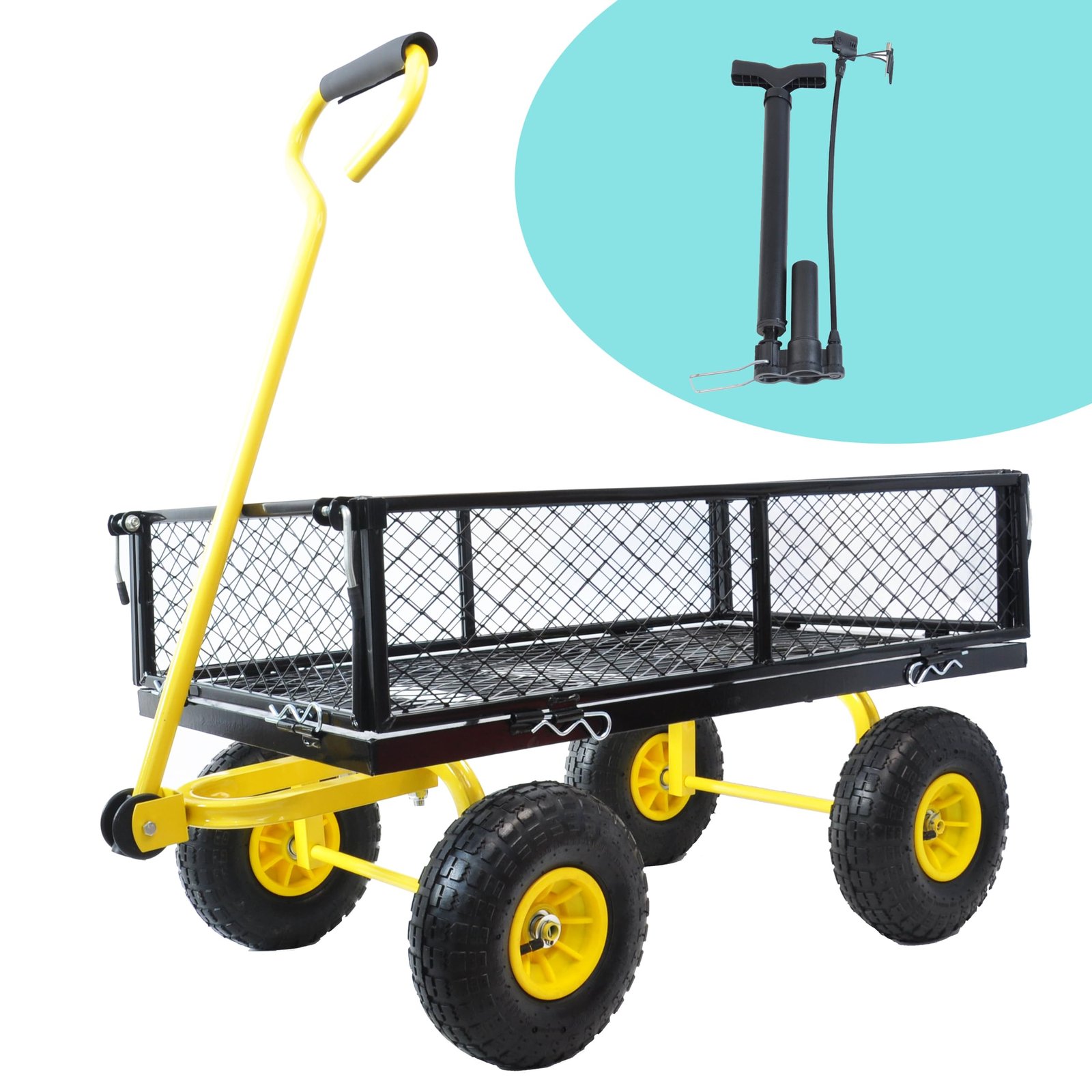
Do you ever find yourself struggling to carry heavy tools across your garden or yard? Moving your equipment doesn’t have to be a tiring chore.
Imagine having an easy, reliable way to transport all your tools in one trip, saving you time and effort. You’ll discover simple, practical tips on how to use a garden cart to move your tools efficiently. By the end, you’ll feel ready to tackle your outdoor projects with less hassle and more convenience.
Keep reading to transform the way you handle your garden tools forever!
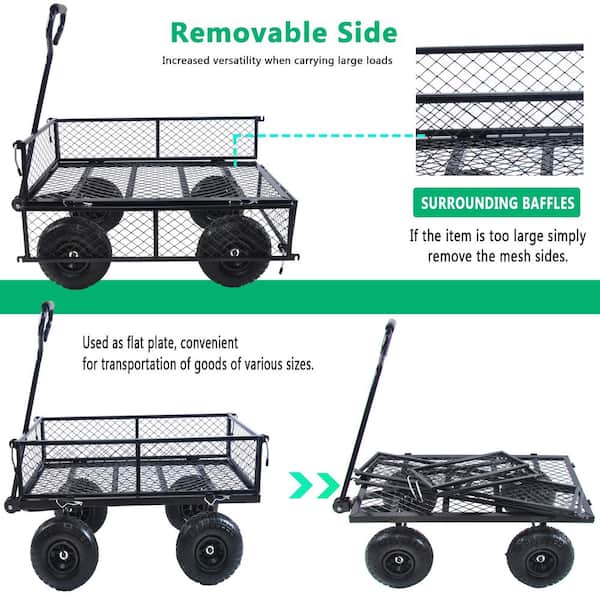
Credit: www.homedepot.com
Choosing The Right Garden Cart
Using a garden cart makes moving tools easier and faster. Picking the right cart can save time and effort.
This guide helps you choose a garden cart that fits your needs and tools.
Types Of Garden Carts
Garden carts come in many styles. Each type serves different tasks for carrying tools and supplies.
- Wheelbarrows: Good for rough terrain and heavy loads.
- Utility Carts: Have multiple wheels and can carry more weight.
- Folding Carts: Easy to store and move around small spaces.
- Dump Carts: Allow quick unloading of soil or debris.
Weight Capacity Considerations
Check the cart’s weight limit to avoid damage. Make sure it can hold your heaviest tools safely.
| Cart Type | Typical Weight Capacity |
| Wheelbarrow | 100-150 lbs |
| Utility Cart | 200-400 lbs |
| Folding Cart | 100-200 lbs |
| Dump Cart | 300-600 lbs |
Material And Durability
Choose carts made from strong materials. Metal carts last longer but weigh more. Plastic carts are lighter and resist rust.
- Steel: Very strong, good for heavy tools, may rust if not coated.
- Aluminum: Lightweight and rust-resistant but less strong.
- Plastic: Light and rust-free, best for lighter loads.
- Wood: Traditional look, not very durable for heavy use.

Credit: www.amazon.sa
Preparing Tools For Transport
Transporting tools safely ensures they stay in good condition. Proper preparation helps avoid damage and accidents.
Using a garden cart makes moving tools easier. Organizing tools before loading is important for safety and efficiency.
Sorting And Grouping Tools
Sort tools by type and size. Group similar tools together to keep them organized during transport.
- Separate hand tools from power tools
- Group long-handled tools like rakes and shovels
- Keep small tools in a dedicated container
- Place heavy tools at the bottom of the cart
Securing Sharp Or Fragile Items
Protect sharp and fragile tools to avoid injury and damage. Wrap blades and glass parts carefully before transport.
| Item | Protection Method |
| Sharp blades | Cover with blade guards or wrap in cloth |
| Glass parts | Use bubble wrap or foam padding |
| Fragile handles | Secure with soft padding and avoid stacking |
Using Toolboxes And Containers
Toolboxes and containers keep tools secure and easy to carry. Choose boxes that fit your tools well.
- Use small boxes for hand tools and nails
- Label containers for quick identification
- Place heavier containers at the bottom of the cart
- Lock or close containers to prevent spills
Loading Techniques
Loading tools into a garden cart needs care to avoid damage. Good loading helps carry more items safely.
This guide shows ways to load your garden cart well. Follow these tips for better balance and safety.
Balancing The Load
Keep heavy tools near the cart’s center. This stops tipping and makes pulling easier. Spread weight evenly on both sides.
Place lighter tools on top or at the edges. This balance helps the cart stay steady on uneven ground.
Maximizing Space
Use every inch of the cart to fit more tools. Stack items by size and shape. Long handles go together to save room.
- Place flat tools at the bottom
- Stack small items inside buckets or containers
- Lay long handles side by side
- Fill gaps with soft items like gloves or cloths
Preventing Shifting During Transport
Secure your load to stop tools from moving. Use ropes, bungee cords, or straps to tie items down.
| Method | How It Helps |
| Ropes | Hold tools tightly in place |
| Bungee Cords | Stretch to fit and secure uneven shapes |
| Straps | Strong grip on heavy or bulky items |
Safe Transport Practices
Transporting tools using a garden cart makes work easier and faster. Safety during transport prevents accidents and tool damage.
Follow simple rules to keep your tools secure and avoid injuries while moving them around your garden or yard.
Navigating Different Terrains
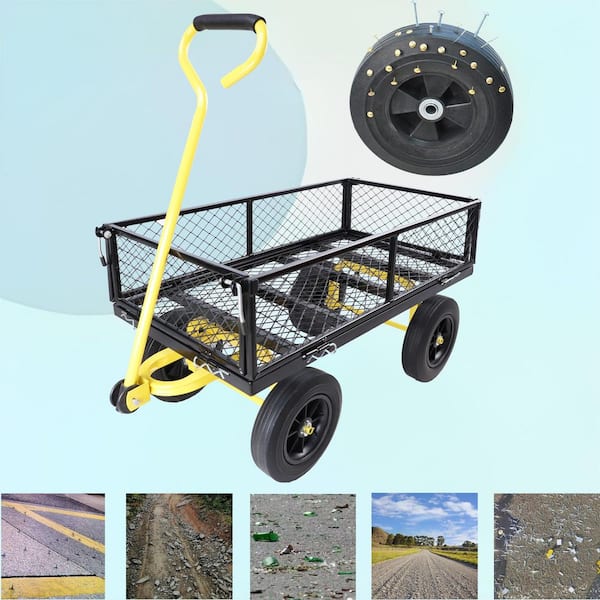
Garden carts face many surfaces like grass, dirt, and pavement. Each surface needs careful handling for safe transport.
Use slow and steady movements to avoid tipping or losing control on rough or slippery ground.
- Check the cart’s wheels before use
- Slow down on uneven or wet surfaces
- Keep tools balanced inside the cart
Handling Inclines And Obstacles
Inclines and obstacles like rocks or roots can cause the cart to tip. Always watch the path ahead.
Push the cart uphill and pull it downhill to keep control. Go slowly to prevent sudden movements.
- Keep a firm grip on the handle
- Do not overload the cart
- Clear small obstacles before moving
Maintaining Stability
Stable loading is key for safe tool transport. Tools should be arranged to keep weight low and even.
Secure loose items to stop them from falling out while moving the cart.
- Place heavy tools at the bottom
- Distribute weight evenly side to side
- Use straps or bungee cords if needed
Maintenance Tips For Garden Carts
Keeping your garden cart in good shape helps it last longer. Regular care makes it safer and easier to use.
Simple maintenance tasks can prevent big problems. Follow these tips to keep your cart working well.
Cleaning After Use
After each use, clean your garden cart to remove dirt and plant residue. This stops rust and damage.
- Use a brush to remove loose soil
- Wash the cart with water and mild soap
- Dry the cart completely before storing
- Check for any stuck debris in wheels or axles
Checking Tires And Wheels
Inspect tires and wheels regularly to ensure smooth movement. Fix problems early to avoid bigger repairs.
| Check Item | What to Look For | Action Needed |
| Tire Pressure | Proper firmness | Inflate if low |
| Wheel Bearings | Noise or stiffness | Lubricate or replace |
| Axles | Rust or bending | Clean or straighten |
| Tire Condition | Cracks or wear | Replace if damaged |
Storage Recommendations
Store your garden cart in a dry, sheltered place. This protects it from weather damage and keeps it ready to use.
- Keep cart off the ground to avoid moisture
- Cover with a waterproof tarp if stored outside
- Remove tools and debris before storing
- Check cart monthly for any new damage
Enhancing Your Garden Cart
A garden cart is useful for transporting tools around your yard. Enhancing it can make gardening easier.
Improve your cart by adding features. This guide shows you how to make the most of your garden cart.
Adding Tool Holders
Tool holders keep your tools organized and easy to access. Attach them to your cart for convenience.
- Secure holders to the cart’s sides.
- Use adjustable holders for different tool sizes.
- Consider adding a small shelf for smaller items.
Customizing For Specific Needs
Every gardener has unique needs. Customize your cart to fit yours.
Consider these customization ideas:
- Add a water-proof liner for transporting wet plants.
- Install hooks for hanging bags or baskets.
- Use padded handles for comfort.
Using Covers And Protectors
Covers and protectors shield your tools from weather and damage. They are vital for maintaining your tools.
| Type | Benefit |
| Waterproof Cover | Keeps tools dry |
| UV Protector | Prevents sun damage |
| Cushioned Liner | Reduces impact damage |
Credit: www.homedepot.com
Frequently Asked Questions
How Do I Load Tools Safely In A Garden Cart?
Distribute weight evenly when loading tools in the garden cart. Place heavier items at the bottom. Secure tools with straps or bungee cords to prevent shifting during transport.
What Types Of Garden Carts Are Best For Tools?
Choose garden carts with sturdy frames and flat beds. Steel or heavy-duty plastic carts offer durability. Carts with sides or removable panels help contain smaller tools safely.
How Can I Protect Delicate Tools During Transport?
Wrap delicate tools in cloth or bubble wrap before loading. Use dividers or compartments in the cart to prevent tool contact. Handle the cart gently to avoid damage.
What Is The Best Way To Organize Tools In A Garden Cart?
Group similar tools together and place frequently used ones on top. Use toolboxes or bins inside the cart for small items. Label containers for easy identification during transport.
Conclusion
Using a garden cart makes moving tools easier and safer. It saves time and effort during your work. Keep your tools organized and secure in the cart. Choose the right size cart for your needs. Regularly check the cart for any damage or wear.
This simple method helps you work more efficiently outdoors. Try using a garden cart to carry your tools today. It makes your gardening or repair tasks less tiring. A good cart is a handy helper for all your projects.

