
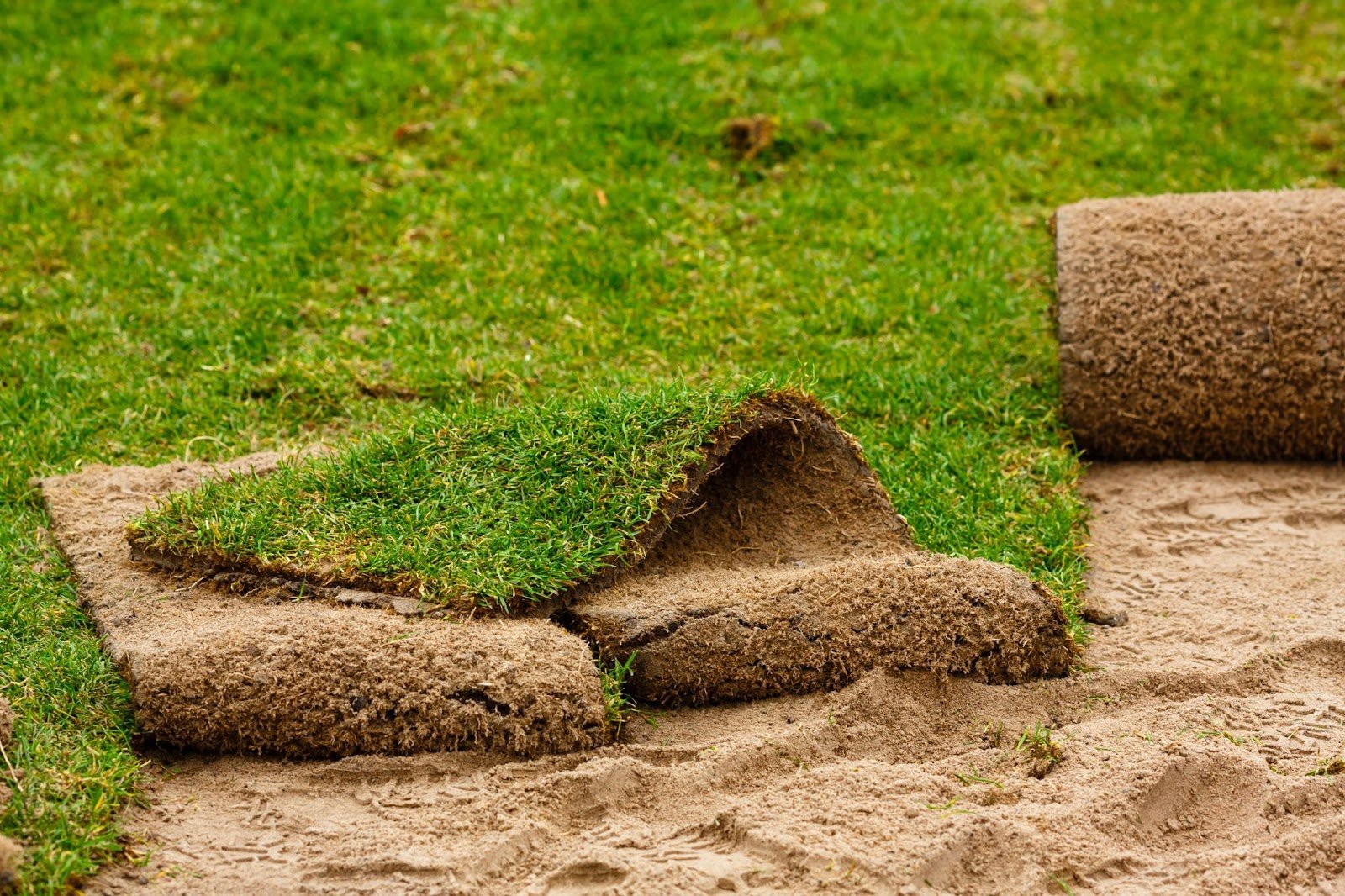
Is your lawn looking uneven or patchy in certain spots? You might be surprised how much a simple step like rolling a medium lawn patch can improve its appearance and health.
If you want a smooth, lush lawn that feels great underfoot, this guide is made just for you. Keep reading, and you’ll discover easy, effective techniques to transform your lawn quickly—no special tools or skills needed. Your perfect lawn is closer than you think!

Credit: medium.com
Choosing The Right Lawn Roller
Rolling a medium lawn patch helps level the surface and press seeds into the soil. Choosing the right lawn roller makes this job easier and more effective.
This guide explains different lawn rollers, their materials and weights, and whether to rent or buy one.
Types Of Lawn Rollers
Lawn rollers come in different types based on how they are filled or powered. Each type fits certain lawn needs.
- Water-Filled Rollers:These rollers are hollow and filled with water for weight. You can empty them for easy storage.
- Steel Rollers:Made from solid steel, these are very heavy and work well for tough compaction.
- Plastic Rollers:Lightweight and easy to handle, but less effective on hard soil.
- Gas or Tractor-Pulled Rollers:Large rollers pulled by machines for big lawns or fields.
Material And Weight Considerations
The material affects the roller’s durability and weight. Weight is important to avoid damage to the soil or grass.
Heavier rollers press the soil better but can harm soft lawns. Lighter rollers are safer but may need more passes.
- Steel:Very heavy and durable, best for tough soils.
- Plastic:Lightweight and easy to use, good for gentle rolling.
- Water-Filled:Adjustable weight by filling with water, versatile choice.
Rental Vs. Purchase
Decide if you need to rent or buy a lawn roller based on how often you will use it. Buying is good for regular use.
Renting saves money for one-time or rare use. Rentals are usually available at garden centers or equipment stores.
- Buy:Cost-effective if you roll lawns often or have a large area.
- Rent:Saves money if you only need it once or twice a year.
- Storage:Buying needs space to store the roller safely.
- Condition:Rentals may show wear; buying lets you choose new equipment.

Credit: growwild.kew.org
Preparing Your Lawn For Rolling
Rolling a medium lawn patch helps to smooth the surface and improve seed contact. Proper preparation makes rolling more effective and protects your grass.
Prepare your lawn by mowing, checking soil moisture, and fixing damaged areas. These steps create the best conditions for rolling.
Mowing And Cleaning
Mow your lawn before rolling to make the grass even. Cut the grass to a medium height, about 2 to 3 inches tall.
Remove leaves, sticks, and other debris. A clean lawn helps the roller work better and prevents damage.
- Mow to a medium height (2-3 inches)
- Clear leaves and sticks from the surface
- Use a rake to remove small debris
Soil Moisture Levels
Check the soil moisture before rolling. The soil should be moist but not wet or dry.
Rolling on very wet soil can compact it too much. Dry soil may not press evenly, causing bumps.
- Test soil moisture by feeling the ground
- Soil should feel damp but not muddy
- Water your lawn a day before if soil is dry
- Avoid rolling after heavy rain
Repairing Damaged Areas
Fix any bare or damaged spots before rolling. Repairing helps grass grow evenly after rolling.
Fill holes with topsoil and spread grass seed if needed. Lightly water repaired areas before rolling.
- Fill holes and low spots with fresh soil
- Spread grass seed on bare patches
- Water repaired spots gently
- Let new seed settle before rolling
Rolling Techniques For Medium Lawn Patches
Rolling a medium lawn patch helps level the soil and improve grass growth. It presses seeds and dirt together for better root contact.
Using the right rolling techniques makes your lawn look smooth and healthy. Careful rolling avoids soil damage and helps grass grow evenly.
Best Time To Roll
Roll your lawn patch when the soil is moist but not wet. This helps the roller work well without causing damage.
Avoid rolling during drought or after heavy rain. Early morning or late afternoon is best to prevent grass stress.
- Soil should be damp, not soaked
- Roll in cooler parts of the day
- Avoid rolling on dry, hard soil
Rolling Patterns And Direction
Use straight, overlapping passes to cover the patch evenly. Change the direction of rolling for better soil compaction.
Start rolling lengthwise, then roll widthwise. This crisscross pattern helps smooth out bumps and fills low spots.
- Roll in straight lines with some overlap
- Use a crisscross pattern for even coverage
- Cover the entire patch carefully
Pressure And Speed Tips
Use moderate pressure to avoid compacting soil too much. Too much pressure can harm grass roots and soil health.
Move the roller slowly and steadily. Fast rolling can miss spots and cause uneven soil leveling.
- Apply moderate pressure, not heavy
- Roll slowly at a steady pace
- Avoid rushing to get better results

Credit: aucklandlandscaping.co.nz
Aftercare For Rolled Lawn
Rolling a medium lawn patch helps smooth the surface and improve soil contact. After rolling, proper care is important. It helps the grass grow strong and healthy.
Good aftercare includes watering, fertilizing, and avoiding common mistakes. These steps keep your lawn looking green and fresh.
Watering Schedule
Water the rolled lawn patch right after rolling. Keep the soil moist but not soaked. Watering helps roots settle into the soil.
Water the lawn twice a day for the first week. In the morning and evening, give enough water to soak the top few inches of soil.
- Day 1-7: Water twice daily
- Day 8-14: Water once daily in the morning
- After 2 weeks: Water deeply 2-3 times a week
Fertilizing Tips
Wait two weeks before fertilizing your rolled lawn patch. This gives grass time to establish roots. Use a balanced fertilizer with equal parts nitrogen, phosphorus, and potassium.
Apply fertilizer evenly across the patch. Follow the instructions on the package for the right amount. Over-fertilizing can harm the grass.
- Choose a balanced fertilizer like 10-10-10
- Apply after 2 weeks of rolling
- Follow package instructions for amounts
- Do not over-fertilize to avoid damage
Avoiding Common Mistakes
Do not walk on the rolled lawn patch for at least two weeks. Walking can damage the young grass and soil. Avoid heavy mowing until grass grows thicker.
Do not let the soil dry out. Dry soil can kill the grass roots. Also, avoid overwatering to stop fungal growth.
- Keep off the lawn for 2 weeks
- Avoid heavy mowing early on
- Do not let soil dry out
- Prevent overwatering to stop fungi
Troubleshooting Lawn Rolling Issues
Rolling a medium lawn patch can smooth the surface and help seeds settle. Yet, some problems can arise during the process. Knowing how to fix these issues saves time and protects your lawn.
This guide covers common problems and ways to handle them. Focus areas include uneven surfaces, soil compaction, and lawn stress.
Dealing With Uneven Surfaces
Uneven surfaces cause water pooling and poor grass growth. Rolling might not fix bumps or low spots alone. Prepare the lawn before rolling to get the best results.
- Fill low spots with soil or sand to level the area.
- Use a rake to smooth high spots and break clumps.
- Roll the lawn slowly and in different directions for even pressure.
- Check the surface often and adjust as needed.
Preventing Soil Compaction
Soil compaction stops air, water, and nutrients from reaching grass roots. Rolling too often or on wet soil causes this problem. Use these tips to keep soil loose and healthy.
| Cause | Solution |
| Rolling on wet soil | Wait for soil to dry before rolling |
| Excessive rolling | Limit rolling to a few passes only |
| Heavy equipment used | Use lightweight rollers for medium lawns |
| Frequent foot traffic | Reduce walking on the lawn after rolling |
Handling Lawn Stress
Rolling can stress grass by pressing down blades and roots. Stress weakens grass and makes it prone to disease. Follow these steps to protect your lawn.
- Roll only when grass is dry to avoid damage.
- Roll in the morning or late afternoon to reduce heat stress.
- Water the lawn lightly after rolling to help grass recover.
- Avoid rolling during extreme heat or drought.
Frequently Asked Questions
What Tools Are Needed To Roll A Medium Lawn Patch?
You need a lawn roller, rake, hose, and seeds or sod. These tools prepare, level, and water the lawn patch properly. Using the right tools ensures smooth soil and healthy grass growth.
When Is The Best Time To Roll A Lawn Patch?
The best time is early spring or fall when the soil is moist. Rolling during these seasons helps seeds settle and roots establish better. Avoid rolling in extreme heat or dry conditions to prevent grass damage.
How Often Should I Roll A Medium Lawn Patch?
Roll the lawn patch once after seeding or laying sod. Avoid frequent rolling as it compacts soil, restricting root growth. Rolling once ensures even soil contact and promotes healthy grass development.
Can I Roll A Lawn Patch On Uneven Ground?
Yes, rolling helps level uneven patches by pressing soil down. For very rough spots, rake and fill with soil before rolling. This creates a smooth surface for new grass to grow evenly.
Conclusion
Rolling a medium lawn patch helps the grass grow evenly. It presses soil and seeds together for better contact. This makes grass roots stronger and soil smoother. Use a lawn roller after planting seeds or laying sod. Water the area gently but regularly.
Avoid walking on the patch until grass grows well. Keep the soil moist and watch for weeds. With care, your lawn will become healthy and green. Simple steps like rolling can improve your lawn’s look quickly. Try it and enjoy a neat, even lawn soon.

