
Do you ever wonder if your lawn is getting just the right amount of water? Too much or too little moisture can harm your grass and waste your time and money.
Learning how to test lawn soil moisture is the key to keeping your lawn healthy and green. You’ll discover simple and effective ways to check your soil’s moisture levels. By the end, you’ll know exactly when to water your lawn and how to avoid common watering mistakes.
Keep reading to give your lawn the care it truly needs!

Credit: www.amazon.com
Why Soil Moisture Matters
Soil moisture is the amount of water in the soil. It helps plants grow strong and stay healthy.
Testing soil moisture tells you if your lawn has enough water or needs more care.
Impact On Lawn Health
Soil with the right moisture helps grass roots grow deep. This makes the lawn more green and thick.
Too little water makes grass dry and brown. Too much water can cause roots to rot and kill the grass.
- Proper moisture helps grass absorb nutrients
- Good moisture levels reduce lawn diseases
- Balanced water keeps soil alive with helpful organisms
Common Soil Moisture Issues
Dry soil can happen during hot weather or if you do not water enough. It makes grass weak and dusty.
Wet soil happens when water stays too long. It blocks air from reaching roots and causes mold or fungus.
- Dry soil: grass turns yellow and feels hard
- Wet soil: lawn looks patchy with soft, muddy spots
- Soil that dries unevenly causes brown spots

Credit: www.amazon.com
Signs Of Dry Or Overwatered Soil
Knowing if your lawn soil is too dry or too wet helps keep grass healthy.
Look for clear signs in your lawn and check the soil texture to test moisture levels.
Visual Lawn Indicators
Watch your lawn for changes in color, texture, and growth. These clues show soil moisture.
- Dry Soil Signs:Grass turns brown or yellow and feels brittle.
- Overwatered Soil Signs:Grass looks dark green and may develop mold or fungus.
- Wilting Grass:Both dry and overwatered soil can cause grass to wilt.
- Patchy Growth:Bare or thin spots often mean soil moisture is unbalanced.
Soil Texture And Feel
Touch the soil to learn about its moisture. Feel changes tell you if it is dry or wet.
| Soil Condition | Texture | How It Feels |
| Dry | Crumbly and light | Powdery or dusty, cracks may appear |
| Ideal Moisture | Soft and loose | Holds shape when squeezed, not sticky |
| Overwatered | Wet and heavy | Sticky, clumps together, may drip water |
Simple Tools For Testing Soil Moisture
Testing soil moisture helps you know when to water your lawn. You can use easy tools to check the moisture level.
This guide covers two simple methods you can try at home. Both give quick results without special skills.
Using A Soil Moisture Meter
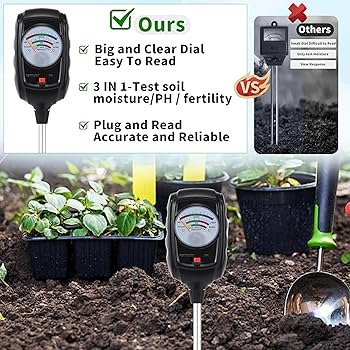
A soil moisture meter is a small device that shows how wet the soil is. It has a probe you push into the ground.
- Insert the probe into the soil about 4 to 6 inches deep.
- Wait a few seconds for the meter to read the moisture level.
- Check the dial or digital display to see if the soil is dry, moist, or wet.
- Move to different spots on your lawn for an overall reading.
Diy Soil Probe Methods
You can test soil moisture without a meter using simple tools you already have. These methods help estimate moisture levels.
| Tool | How to Use | What to Look For |
| Screwdriver or Rod | Push into soil 6 inches deep | Easy push means wet soil, hard means dry |
| Shovel or Trowel | Dig a small hole and feel the soil | Soil should feel cool and slightly damp |
| Finger Test | Stick your finger into soil 2-3 inches | Soil should feel moist but not muddy |
Step-by-step Soil Moisture Testing
Testing your lawn’s soil moisture helps keep grass healthy. It tells you if the soil needs water or if it holds too much.
This guide shows simple steps to test soil moisture accurately at home.
Preparing Your Lawn Area
Choose several spots around your lawn to test. Make sure these areas represent different parts of the yard.
- Clear debris like leaves and grass clippings.
- Water the lawn lightly a day before testing if it has been dry.
- Avoid testing right after heavy rain or watering.
- Mark your test spots to keep track.
Collecting Soil Samples
Use a small shovel or soil probe to collect samples about 4 inches deep. This depth shows moisture where grass roots grow.
- Dig a hole about 4 inches deep at each spot.
- Take soil from the hole and place it in a clean container.
- Mix soil from all spots together for an average sample.
- Remove any stones, roots, or debris from the sample.
Interpreting Test Results
Check the feel and appearance of the soil sample to judge moisture. Use this table as a guide.
| Soil Texture | Moisture Level | What It Means |
| Dry and Crumbly | Low | Needs watering soon |
| Cool and Slightly Damp | Ideal | Good moisture for grass |
| Wet and Sticky | High | Overwatered or poor drainage |
Adjusting Watering Practices
Testing lawn soil moisture helps you water your lawn just right. Adjusting watering practices saves water and keeps grass healthy.
Knowing when and how much to water depends on soil moisture levels. This guide covers tips to improve your watering routine.
Watering Frequency Tips
Check soil moisture before watering. Water only when the top 2 inches of soil feel dry. This prevents wasting water and helps roots grow deep.
- Water early in the morning to reduce evaporation.
- Use a soil moisture meter to track moisture levels.
- Adjust watering based on weather changes.
- Deep water less often to encourage strong roots.
- Reduce watering during rainy periods.
Avoiding Overwatering
Overwatering causes weak roots and lawn diseases. It also wastes water and can lead to muddy soil.
| Signs of Overwatering | Actions to Take |
| Soil stays wet for days | Skip watering for several days |
| Grass looks yellow or patchy | Check soil moisture before watering |
| Water pools on the surface | Water less and improve drainage |

Credit: www.amazon.com
Maintaining Optimal Soil Moisture
Keeping your lawn’s soil moisture at the right level is important. It helps plants grow strong and healthy.
There are several techniques to ensure soil retains the right amount of water. Let’s explore some methods.
Mulching Benefits
Mulching covers the soil with organic materials. It helps keep moisture in the ground and reduces water loss.
- Reduces evaporation from the soil surface
- Regulates soil temperature
- Suppresses weed growth
Soil Amendments For Moisture Retention
Adding soil amendments can improve moisture retention. They change the texture and structure of the soil.
| Amendment | Benefit |
| Compost | Improves soil structure |
| Peat Moss | Holds water effectively |
| Vermiculite | Enhances moisture retention |
Frequently Asked Questions
How Do I Test Lawn Soil Moisture At Home?
You can test soil moisture using a soil moisture meter or by the simple squeeze test. Insert the meter probe into the soil or grab a handful of soil and squeeze it. If water drips, soil is wet; if it crumbles, soil is dry.
What Is The Best Time To Test Lawn Soil Moisture?
Test soil moisture early in the morning or late in the evening. Avoid testing right after watering or rain to get accurate moisture levels. This helps determine if your lawn needs watering.
How Often Should I Check Lawn Soil Moisture?
Check your lawn soil moisture once or twice a week during growing seasons. Frequent monitoring helps prevent overwatering or underwatering, keeping your lawn healthy and vibrant.
Can I Use A Homemade Tool To Test Soil Moisture?
Yes, you can use simple tools like a screwdriver or wooden stick. Insert it into the soil; if it comes out moist, soil moisture is adequate. This method is cheap and fairly effective.
Conclusion
Testing lawn soil moisture helps keep your grass healthy and green. Use simple tools like a moisture meter or a screwdriver for quick checks. Test soil regularly to avoid watering too much or too little. Knowing your soil’s moisture saves water and helps grass grow strong.
Try these easy steps and watch your lawn thrive this season. Soil moisture matters more than you think. Keep checking, keep your lawn happy!

