
Are you about to use a sprayer for your garden or home? You might wonder, “Do I really need gloves when using sprayers?” It’s a simple question, but the answer can protect your health and make your task safer.
Your hands come in direct contact with chemicals and sprays that could irritate or harm your skin. Wearing gloves might seem like an extra step, but it could save you from serious problems later. Keep reading to discover why gloves are more than just an option—they could be your best defense while using sprayers.
Types Of Sprayers
Sprayers help apply liquids like pesticides or fertilizers. Different sprayers fit different jobs. Choosing the right sprayer can save time and effort.
Wearing gloves while using sprayers can protect your skin. Let’s look at common sprayer types and glove needs.
Handheld Sprayers
Handheld sprayers are small and easy to carry. They work well for light tasks or small gardens. You pump or press a trigger to spray.
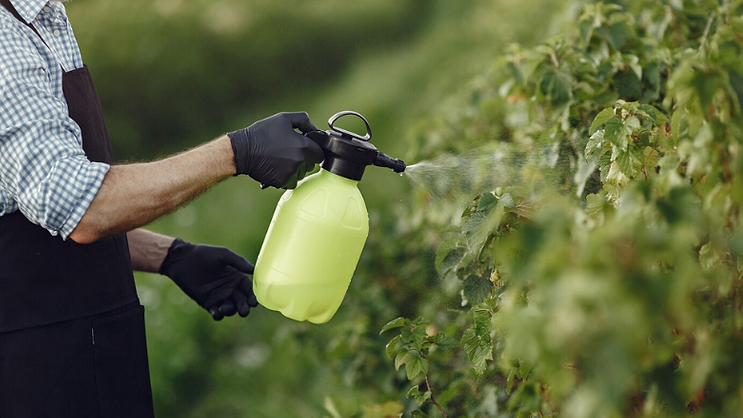
Gloves are important with handheld sprayers. They protect your hands from chemicals and spills. Use gloves made of chemical-resistant material.
Backpack Sprayers
Backpack sprayers carry a larger liquid tank on your back. They work well for bigger gardens or fields. You pump the handle to build pressure.
Gloves are needed with backpack sprayers too. The bigger tank means more chance of spills. Wearing gloves keeps your hands safe from chemicals.
Tank Sprayers
Tank sprayers are large and often mounted on equipment. They cover wide areas quickly. You may use them on tractors or carts.
Gloves are crucial with tank sprayers. Large amounts of chemicals increase risk. Use thick, chemical-resistant gloves for good protection.
Risks Of Handling Sprayers
Using sprayers can expose you to many risks. It is important to know these dangers. Wearing gloves may protect your hands.
This guide covers key risks like chemical exposure, skin irritation, and accidental spills. Understanding these helps keep you safe.
Chemical Exposure
Chemicals in sprayers can harm your skin and body. They may be toxic or cause allergic reactions. Gloves form a barrier to stop chemicals from touching your hands.
- Some chemicals are absorbed through the skin.
- Spray mist can land on your hands easily.
- Gloves reduce the risk of poisoning.
- Always check the chemical label for safety instructions.
Skin Irritation
Many chemicals cause redness, itching, or burns on the skin. Even mild irritation can worsen over time. Gloves protect against these effects by preventing direct contact.
| Type of Irritation | Cause | Prevention |
| Redness | Allergic reaction | Wear chemical-resistant gloves |
| Burns | Strong acids or bases | Use thick gloves and wash hands after |
| Itching | Contact with irritants | Change gloves if torn or dirty |
Accidental Spills
Spills can happen anytime while spraying. They may splash on your hands or drip down your arms. Gloves help reduce injury and make cleanup easier.
Tips for handling spills safely:
- Wear gloves that fit well and cover your wrists.
- Keep extra gloves nearby to change if needed.
- Clean spills immediately to avoid skin contact.
- Dispose of used gloves properly.
Benefits Of Wearing Gloves
Wearing gloves when using sprayers is important for safety. Gloves protect your hands from harmful substances. They also help you work more comfortably and safely.
Understanding the benefits of gloves can help you decide to use them every time. Here are key reasons why gloves matter during spraying tasks.
Protection From Chemicals
Sprayers often contain chemicals that can harm your skin. Gloves form a barrier between your hands and these substances. This stops chemicals from causing burns or irritation.
- Prevent chemical burns
- Stop allergic reactions
- Reduce risk of absorption through skin
- Keep hands clean and safe
Preventing Skin Damage
Continuous use of sprayers can dry out or crack your skin. Gloves protect your skin from rough surfaces and harsh sprays. They keep your hands soft and healthy.
| Skin Issue | How Gloves Help |
| Dryness | Block moisture loss |
| Cracking | Provide a protective layer |
| Irritation | Prevent contact with irritants |
Improving Grip And Safety
Sprayers can be slippery, especially when wet. Gloves improve your grip on the sprayer. This lowers the chance of dropping it or causing accidents.
- Reduce slipping from sweat or water
- Increase control over sprayer nozzle
- Enhance precision in spraying tasks
- Boost overall hand safety
Choosing The Right Gloves
Using sprayers can expose your hands to chemicals and irritants. Wearing gloves protects your skin from harm.
Picking the right gloves is important for safety and comfort. Learn how to choose gloves that fit well and last long.
Material Types
Gloves come in many materials. Each type works better for certain sprays and tasks.
Common materials include latex, nitrile, and neoprene. Latex is stretchy but can cause allergies. Nitrile is strong and chemical-resistant. Neoprene works well with oils and solvents.
- Latex: flexible, good for light chemicals
- Nitrile: durable, resists many chemicals
- Neoprene: protects against harsh chemicals
- Vinyl: low cost, less durable
Durability And Comfort
Gloves must be tough enough to resist chemicals and tears. They also need to feel comfortable for long use.
Look for gloves with good thickness and stretch. Thin gloves offer better touch but may wear out fast. Thick gloves last longer but can feel stiff.
- Thicker gloves protect better but reduce flexibility
- Thinner gloves allow better movement but wear faster
- Choose gloves with a soft lining for comfort
- Check if gloves let your skin breathe to avoid sweating
Size And Fit
Proper glove size matters for safety and ease of use. Gloves that are too tight can tear easily. Loose gloves may reduce grip.
Measure your hand around the palm to find the right size. Try gloves on before buying to check comfort and movement.
- Small gloves fit tightly but may limit movement
- Medium gloves suit most hand sizes
- Large gloves offer more room but less control
- Ensure gloves cover wrists for full protection
Additional Safety Gear
Using sprayers can expose you to chemicals and particles. Wearing safety gear helps protect your body.
Gloves are important, but other gear also keeps you safe. Let’s look at eye protection, respirators, and clothing.
Eye Protection
Sprayers can cause chemicals to splash or spray into your eyes. Eye protection stops this from happening.
Wear safety goggles or glasses that fit well. They block harmful substances from reaching your eyes.
- Choose goggles with side shields
- Make sure lenses are clear and scratch-free
- Use anti-fog options for better vision
Respirators And Masks
Spraying can release tiny harmful particles in the air. Breathing them in can hurt your lungs.
Use a respirator or mask made for the chemicals you spray. This keeps the air you breathe clean.
- Pick masks with proper filters for chemicals
- Check the fit to avoid air leaks
- Replace filters as needed to stay protected
Protective Clothing
Clothing shields your skin from sprays and splashes. It stops chemicals from soaking into your clothes.
Wear long sleeves, long pants, and closed shoes. Use special coveralls if you handle strong chemicals.
- Choose water-resistant or chemical-resistant fabric
- Wear boots that cover your ankles
- Remove and wash clothes after spraying

Credit: mycityplants.com
Proper Glove Usage Tips
Sprayers are useful tools for various tasks. They can help with gardening, cleaning, and more. Using gloves while spraying is important for safety.
Gloves protect your skin from chemicals and irritants. Knowing when and how to use them is essential.
When To Wear Gloves
Gloves are necessary when you handle chemical sprayers. They prevent contact with harmful substances.
- Wear gloves when mixing chemicals.
- Use gloves while spraying in gardens or homes.
- Always have gloves on when cleaning equipment.
How To Remove Gloves Safely
Removing gloves correctly is crucial to avoid contamination. Follow these steps to ensure safety.
- Pinch the outside of one glove at the wrist.
- Peel it away from your hand, turning it inside out.
- Hold the removed glove in the gloved hand.
- Slide fingers under the wrist of the remaining glove.
- Peel it off over the first glove.
- Dispose of both gloves safely.
Disposal And Cleaning
Proper disposal and cleaning of gloves help maintain hygiene. It ensures that no harmful chemicals are left behind.
| Action | Details |
| Dispose of gloves | Use a designated waste bin |
| Wash hands | Use soap and water |
| Clean reusable gloves | Rinse thoroughly with water |
Common Mistakes To Avoid
Using sprayers can be safe if you use the right gear. Gloves are important to protect your hands. Many people make mistakes when using gloves.
Let’s look at some common mistakes people make with gloves. Avoid these mistakes to stay safe.
Reusing Disposable Gloves
Disposable gloves are made for one-time use. Reusing them can be risky. They may not protect you well after the first use.
Always use a new pair of gloves for each task. This helps keep your hands safe from chemicals and dirt.
Ignoring Glove Damage
Gloves can get damaged easily. Small holes or tears can make them useless. Check your gloves for damage before use.
If you find any damage, replace the gloves right away. Damaged gloves cannot protect you properly.
Neglecting Other Protective Gear
Gloves are not the only safety gear you need. Other protective gear is also important. Goggles, masks, and aprons can protect other parts of your body.
Always wear all necessary protective gear when using sprayers. This will ensure you stay safe from harmful chemicals and spills.
- Use goggles to protect your eyes
- Wear a mask to avoid inhaling fumes
- Put on an apron to shield your clothes
Credit: www.food-safety.com

Credit: www.shutterstock.com
Frequently Asked Questions
Do You Need Gloves When Using Chemical Sprayers?
Yes, gloves protect your skin from harmful chemicals in sprayers. They prevent irritation, burns, and long-term damage. Always wear chemical-resistant gloves for safety.
What Type Of Gloves Is Best For Sprayer Use?
Nitrile or rubber gloves are ideal for sprayers. They resist chemicals, are durable, and provide good grip. Avoid cotton gloves as they absorb chemicals.
Can Sprayer Gloves Prevent Allergic Reactions?
Yes, gloves act as a barrier against allergens in sprays. They reduce skin contact with irritants, preventing rashes and allergic reactions effectively.
Are Disposable Gloves Enough For Spraying Tasks?
Disposable gloves are suitable for short, light spraying jobs. For heavy or prolonged use, durable chemical-resistant gloves offer better protection and comfort.
Conclusion
Wearing gloves while using sprayers protects your skin from chemicals. It helps prevent irritation and allergic reactions. Gloves also keep your hands clean and safe. Choosing the right gloves is important for comfort and protection. Always check if the gloves fit well and are made for spraying tasks.
Safety should be your top priority. Protect yourself to work better and avoid health risks. Simple steps like wearing gloves make a big difference. Stay safe and take care of your hands every time.

