
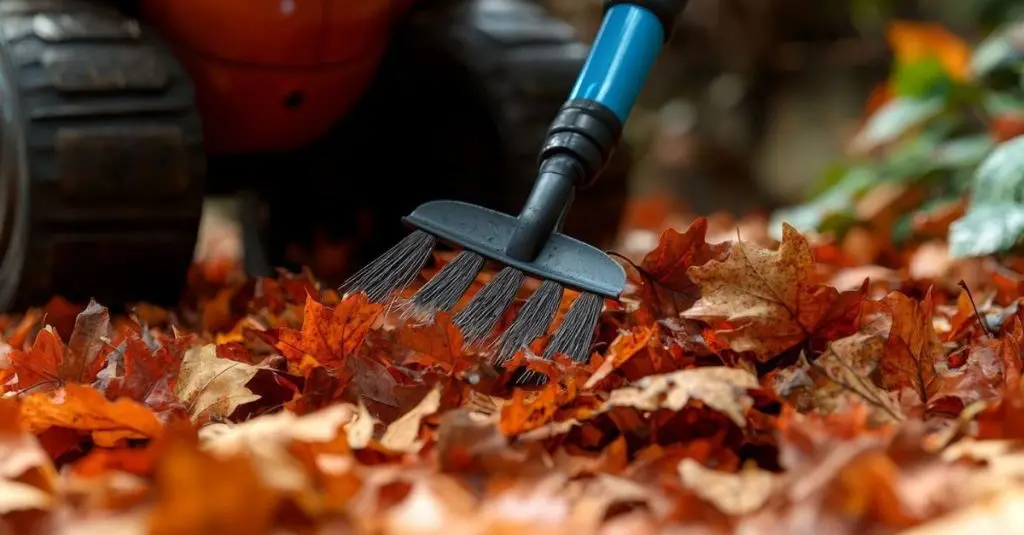
Fall is the perfect time to get your lawn ready for winter, and using a lawn sweeper can make this job much easier. If you want to keep your yard clean from leaves, twigs, and debris, knowing how to use a lawn sweeper will save you time and effort.
Imagine having a neat, healthy lawn without the hassle of raking for hours. In this guide, you’ll discover simple steps to get the most out of your lawn sweeper this fall. Keep reading to learn how to make your lawn care routine faster and more effective!

Credit: www.youtube.com
Choosing The Right Lawn Sweeper
Using a lawn sweeper in fall helps keep your yard clean. Picking the right one makes the job easier.
There are different types of lawn sweepers. You should also think about size and model type.
Types Of Lawn Sweepers
Lawn sweepers come in a few types. Each type fits different yard needs and budgets.
- Push lawn sweepers are simple and good for small yards.
- Tow-behind sweepers attach to lawn tractors for bigger areas.
- Electric sweepers run quietly and need less effort.
Size And Capacity Considerations
Choose a sweeper size that matches your yard size. Bigger lawns need larger sweepers with bigger bags.
| Yard Size | Sweeper Size | Bag Capacity |
| Small (Under 1/4 acre) | Compact | Small (up to 4 bushels) |
| Medium (1/4 to 1 acre) | Medium | Medium (4 to 8 bushels) |
| Large (Over 1 acre) | Large | Large (8+ bushels) |
Manual Vs. Tow-behind Models
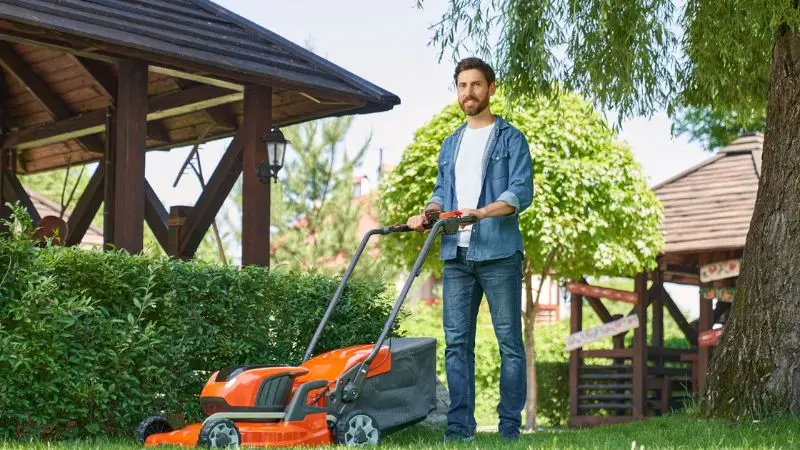
Manual sweepers need you to push them. They are good for small yards and light debris.
Tow-behind models connect to a tractor. They cover more ground and handle heavy debris better.
- Manual sweepers are lighter and easier to store.
- Tow-behind sweepers save time on large lawns.
- Manual models cost less but need more effort.
- Tow-behind models are more expensive but more efficient.
Credit: www.vevor.com
Preparing Your Yard
Preparing your yard before using a lawn sweeper in fall is important. It helps the sweeper work well and protects your equipment.
Start by making sure the area is clear and ready for sweeping. This will save time and prevent damage.
Clearing Large Debris
Remove big sticks, rocks, and other large debris from your lawn. These can block or break the lawn sweeper’s brushes.
- Walk the yard to spot large objects
- Pick up branches and sticks by hand
- Move rocks and heavy items to a safe place
- Clear toys or garden tools left on the grass
Mowing Before Sweeping
Mowing your lawn before using the sweeper helps collect leaves and small debris better. Cut the grass short but not too low.
| Grass Height | Recommended Mowing Height |
| Warm-season grass | 1.5 to 2 inches |
| Cool-season grass | 2 to 3 inches |
| After mowing | Wait 1 day before sweeping |
Checking For Hidden Obstacles
Look closely for hidden obstacles under leaves or grass. These can stop the sweeper or cause damage.
- Check near trees and garden beds
- Look for sprinkler heads or pipes
- Find uneven ground or holes
- Mark obstacles with flags or markers
Setting Up The Lawn Sweeper
Using a lawn sweeper in the fall helps remove leaves and debris from your yard. Proper setup ensures efficient cleaning and protects your equipment. Follow these simple steps to prepare your lawn sweeper for use.
Check each part carefully before starting. This will make your work easier and safer. Focus on brush height, vehicle attachment, and inspection of brushes and wheels.
Adjusting Brush Height
Set the brush height to match your lawn’s surface. Too low can damage grass, too high may miss debris. Adjusting height improves sweeping results and protects your lawn.
- Locate the adjustment knob or lever near the brush assembly.
- Turn or move the control to raise or lower the brushes.
- Test the brush height by moving the sweeper on a flat surface.
- Adjust until brushes lightly touch the ground without digging in.
Attaching To Your Vehicle
Secure the lawn sweeper to your vehicle before use. Most sweepers connect to lawn tractors or ATVs. Proper attachment keeps the sweeper stable and easy to pull.
- Align the sweeper hitch with the vehicle’s tow bar.
- Insert the hitch pin through both parts and secure with a clip.
- Check that the connection is tight and cannot move freely.
- Connect safety chains if your sweeper has them.
Inspecting Brushes And Wheels
Inspect brushes and wheels before each use. Clean brushes and check for wear. Make sure wheels turn freely and have no damage. Proper inspection prevents breakdowns and improves sweeping.
| Part | What to Check | Action Needed |
|---|---|---|
| Brushes | Wear, missing bristles, dirt buildup | Replace if worn, clean if dirty |
| Wheels | Rotation, cracks, flat spots | Lubricate or replace if damaged |
Credit: www.vevor.com
Sweeping Techniques For Fall
Using a lawn sweeper in fall helps clear leaves and debris quickly. Good sweeping techniques make the job easier and more effective.
Learn how to adjust your speed, overlap your passes, and handle wet leaves for the best results.
Optimal Sweeping Speed
Keep a steady, moderate speed while pushing or towing the lawn sweeper. Moving too fast can miss leaves, while going too slow wastes time.
- Start at a slow pace to test the sweeper’s pickup rate.
- Increase speed until you see leaves collected efficiently.
- Maintain this speed for even coverage.
Overlapping Passes
Overlap your sweeping passes slightly to avoid leaving strips of leaves behind. This ensures complete coverage.
| Pass | Overlap Amount |
| First | None |
| Second | 2-3 inches |
| Third | 2-3 inches |
Handling Wet Leaves
Wet leaves can clog your sweeper. Use these tips to handle them well.
- Try to sweep after leaves dry in the sun.
- Slow down your speed to allow better pickup.
- Clean the sweeper brushes often to prevent clogging.
- Empty the collection bag frequently to avoid overload.
Maintaining Your Lawn Sweeper
Taking good care of your lawn sweeper keeps it working well for years. Regular maintenance helps avoid costly repairs. It is important to clean, lubricate, and store it properly.
This guide explains key steps to maintain your lawn sweeper after fall use. Follow these tips to keep it ready for the next season.
Cleaning After Use
Cleaning your lawn sweeper after each use removes dirt, leaves, and debris. This prevents rust and damage to parts.
- Remove all grass clippings and leaves from brushes and hopper.
- Use a brush or compressed air to clean hard-to-reach areas.
- Wipe metal parts with a damp cloth to remove dirt.
- Dry the sweeper completely before storing it.
Lubricating Moving Parts
Lubrication reduces friction and wear on moving parts like wheels and brushes. It helps the sweeper run smoothly.
| Part | Type of Lubricant | Frequency |
| Wheel bearings | Light machine oil | Every 3 uses |
| Brush shafts | Grease | Monthly |
| Hopper hinges | Spray lubricant | Before storage |
Storing For Winter
Proper storage protects your lawn sweeper during cold months. It keeps parts safe from moisture and damage.
- Store the sweeper in a dry, covered place away from rain and snow.
- Keep it off the ground by placing it on a pallet or shelf.
- Cover the sweeper with a breathable tarp to prevent dust buildup.
- Release tension on any springs or belts to avoid stretching.
Benefits Of Using A Lawn Sweeper In Fall
A lawn sweeper can be a helpful tool in the fall season. It helps keep your yard clean and healthy.
This tool picks up leaves and debris quickly. It also offers several benefits for your lawn’s health.
Preventing Lawn Damage
Leaves left on the lawn can cause damage. They block sunlight and trap moisture, leading to problems.
- Prevents waterlogging by removing wet leaves
- Stops grass from suffocating under piles of leaves
- Avoids dead spots and patchy grass
Promoting Healthy Grass Growth
Using a lawn sweeper helps the grass to grow well. It ensures the grass receives enough sunlight and air.
| Action | Benefit |
| Removing debris | Improves air circulation |
| Clearing leaves | Allows sunlight to reach grass |
| Regular sweeping | Maintains an even lawn surface |
Reducing Mold And Pests
Leaves can attract mold and pests if left on the ground. A lawn sweeper reduces these risks effectively.
Frequently Asked Questions
How Do I Prepare My Lawn Sweeper For Fall Use?
Clean the sweeper thoroughly and check for worn parts. Adjust the height to match your lawn and ensure the collection bag is secure.
What Is The Best Time To Use A Lawn Sweeper In Fall?
Use it after leaves have fallen but before heavy frost. Early morning or dry days work best for effective sweeping.
Can A Lawn Sweeper Handle Wet Leaves In Fall?
Wet leaves can clog the sweeper and reduce efficiency. It’s best to wait until leaves are dry before using the sweeper.
How Often Should I Use A Lawn Sweeper During Fall?
Sweep your lawn weekly or biweekly to prevent leaf buildup. Regular use keeps the grass healthy and your yard tidy.
Conclusion
Using a lawn sweeper in fall keeps your yard neat and healthy. It quickly collects leaves, grass, and debris from your lawn. Regular sweeping prevents mold and helps grass breathe. Set the sweeper to the right height for best results.
Sweep your lawn before the first frost for easier cleanup. Taking these small steps saves time and effort later. Keep your lawn ready for winter with simple care. A clean yard means a fresh start in spring. Try using a lawn sweeper this fall to see the difference.
