
Have you ever wondered if cutting back your plants could actually help them grow stronger? Pruning might seem like just trimming away parts of your plant, but it can do much more than that.
When done right, pruning can boost your plant’s health and encourage new growth. If you want to learn how a simple snip can transform your garden or indoor plants, keep reading. This article will reveal the surprising ways pruning can help your plants thrive and give you easy tips to get started today.
How Pruning Influences Plant Growth
Pruning is the process of cutting parts of a plant like branches or leaves. It helps plants grow better and stay healthy.
By removing certain parts, pruning can change how a plant grows and develops new shoots and roots.
Types Of Pruning Techniques
Different pruning techniques serve different purposes. Some focus on shaping the plant, while others remove dead or weak parts.
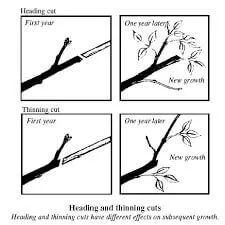
Common techniques include thinning, heading back, and rejuvenation pruning. Each affects growth in unique ways.
- Thinning:Removes whole branches to improve air and light flow.
- Heading Back:Cuts the tips to encourage bushier growth.
- Rejuvenation:Removes old wood to stimulate new growth.
Impact On Root And Shoot Development
Pruning above ground affects the roots below. Cutting shoots can make roots grow stronger to support new growth.
Removing some shoots tells the plant to focus energy on fewer branches. This helps shoots and roots grow healthier.
- Pruning balances root and shoot growth for better stability.
- It redirects nutrients to new shoots, boosting growth.
- Pruning old branches encourages fresh root development.
Timing And Frequency Of Pruning
Pruning can help plants grow stronger and healthier. Cutting the right parts at the right time encourages new growth.
How often you prune depends on the type of plant and the season. Prune too much or too often, and you may harm the plant.
Seasonal Pruning Benefits
Pruning during certain seasons helps plants recover and grow well. Different plants need pruning at different times.
Pruning in the right season can improve flowering and fruit production. It also helps prevent diseases and pests.
- Prune in late winter for most trees to encourage spring growth
- Summer pruning controls size and removes dead parts
- Fall pruning is good for removing damaged or diseased branches
Signs Your Plant Needs Pruning
Knowing when to prune is key. Watch for signs that show your plant needs care.
Common signs include slow growth, crowded branches, and dead or damaged leaves. Removing these parts helps the plant focus on healthy growth.
- Branches crossing or rubbing against each other
- Yellowing or dead leaves
- Weak or spindly growth
- Fewer flowers or fruits than usual
- Overgrown or misshapen plant shape
Common Mistakes To Avoid
Pruning can help plants grow strong. But some mistakes can harm your plants. It is important to know what to avoid.
This guide covers common pruning errors. Learn about risks of cutting too much and using wrong tools.
Over-pruning Risks
Cutting too many branches at once can weaken plants. Over-pruning removes leaves that make food.
- Reduces plant energy and slows growth
- Makes plants more open to pests and diseases
- Can cause stress and damage to the plant
- May stop flowering or fruit production
Using Improper Tools
Using dull or dirty tools can hurt your plants. Bad tools make uneven cuts that heal slowly.
| Tool Type | Common Problem | Impact on Plant |
| Dull Pruners | Crush branches | Slow healing, more damage |
| Dirty Tools | Spread disease | Infects plant tissue |
| Wrong Size | Hard to control cuts | More mistakes, bigger wounds |
Credit: www.starkbros.com
Pruning For Different Plant Types
Pruning helps plants grow stronger and healthier. Different plants need different pruning methods. Knowing how to prune each type can improve growth.
This guide covers pruning for shrubs and bushes, fruit trees, and flowering plants. Each section explains how to prune for the best results.
Shrubs And Bushes
Pruning shrubs and bushes keeps them neat and encourages new growth. Cut back old or dead branches in early spring. This lets sunlight reach the center.
- Remove dead or damaged branches
- Thin crowded areas to improve air flow
- Cut back to shape the plant
- Use clean, sharp tools
Fruit Trees
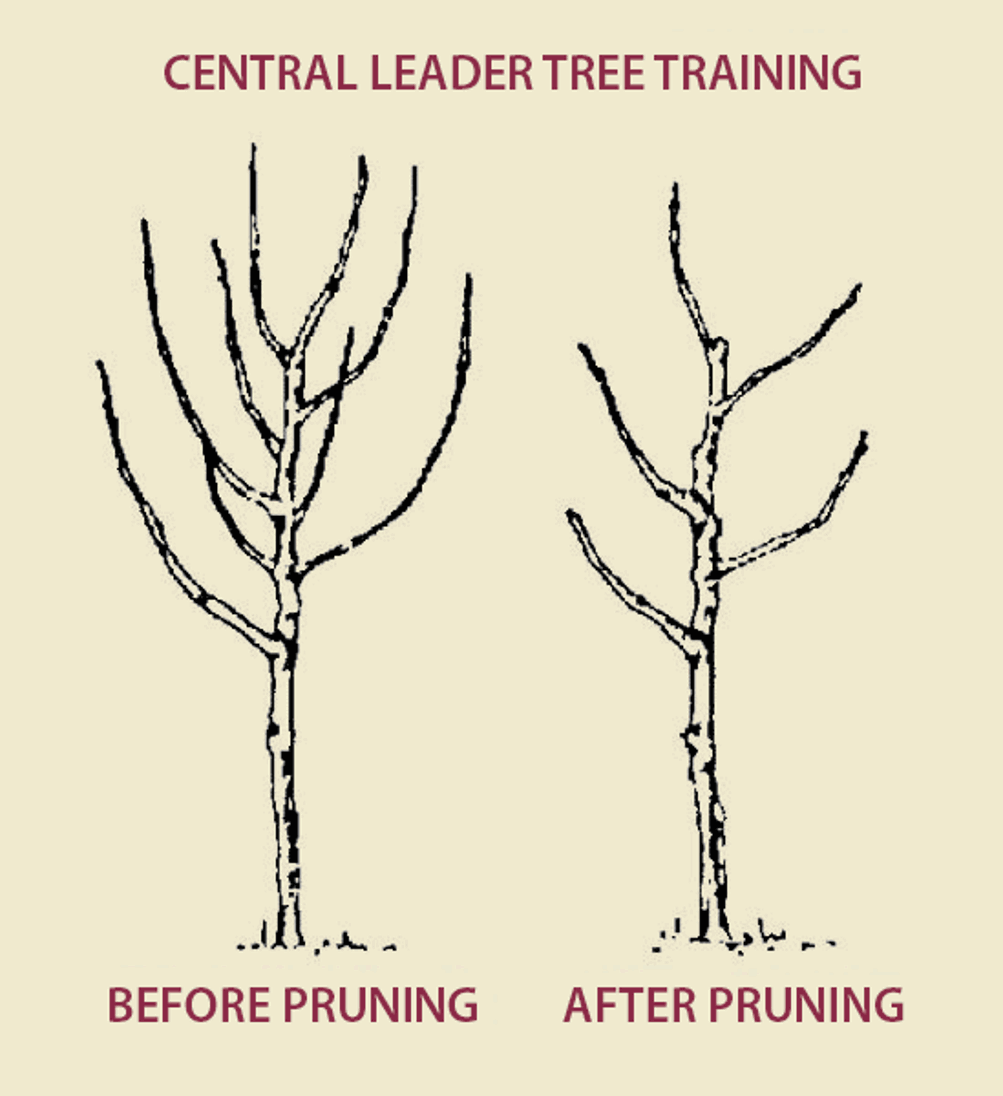
Pruning fruit trees helps increase fruit size and quality. Remove weak or crossing branches. This lets the tree focus energy on healthy fruit.
| Pruning Task | When to Do It | Purpose |
| Remove dead wood | Winter | Prevent disease |
| Thin branches | Late winter | Improve air flow |
| Shorten long branches | Early spring | Encourage fruit growth |
Flowering Plants
Pruning flowering plants helps them bloom more. Cut back after flowers fade. Remove old stems to make room for new ones.
Tips for pruning flowering plants:
- Cut just above a leaf or bud
- Use sharp shears to avoid damage
- Remove spent flowers regularly
- Do light pruning to keep shape
Enhancing Plant Health Through Pruning
Pruning helps plants stay healthy and grow better. Cutting old or dead parts lets the plant focus on new growth.
Good pruning improves the plant’s strength and appearance. It also reduces risks of damage from disease or pests.
Disease Prevention
Removing dead or weak branches stops diseases from spreading. It keeps plants cleaner and less crowded.
Pruning helps spot early signs of illness. You can cut off infected parts before the problem grows.
- Cut away dead or diseased branches
- Remove crowded growth to reduce infection
- Keep tools clean to avoid spreading germs
Improved Air Circulation
Pruning opens up the plant’s interior. This lets air flow freely around leaves and stems.
Good air circulation lowers moisture buildup. It helps prevent mold and fungus on the plant.
- Thin crowded branches to increase airflow
- Cut lower leaves to avoid ground moisture
- Space plants properly to allow wind movement
Credit: blog.carolinatree.com
Practical Tips For Effective Pruning
Pruning helps plants grow better. It removes dead or unwanted parts. Careful pruning can make plants healthier.
Good pruning techniques encourage new growth. Follow these simple steps to prune effectively.
Step-by-step Pruning Guide
Start by choosing the right tools. Sharp tools make clean cuts. Clean cuts heal faster.
Identify branches that need removal. Look for dead or crossed branches. Prune them to improve air flow.
- Use sharp scissors or pruners
- Cut at a 45-degree angle
- Focus on dead or damaged parts
Aftercare And Maintenance
After pruning, care for your plants. Water them well to reduce stress. This helps them recover quickly.
Check plants regularly for signs of disease. Early detection prevents problems. Use mulch to retain moisture.
| Task | Frequency |
| Watering | Weekly |
| Checking for disease | Bi-weekly |
| Applying mulch | Monthly |

Credit: dinternursery.ca
Frequently Asked Questions
Does Pruning Really Stimulate Plant Growth?
Yes, pruning stimulates growth by removing dead or weak branches. This redirects energy to healthier parts, promoting new shoots and stronger growth.
When Is The Best Time To Prune For Growth?
The best time to prune is during early spring or late winter. This timing encourages vigorous growth as plants enter their active growing phase.
How Does Pruning Affect Plant Health And Growth?
Pruning improves plant health by removing diseased or damaged parts. It boosts air circulation and light penetration, leading to healthier and more robust growth.
Can Pruning Help Control Plant Size And Shape?
Yes, pruning controls size and shape by selectively cutting branches. This maintains a desired form and prevents overcrowding, enhancing overall plant vigor.
Conclusion
Pruning helps plants grow stronger and healthier. Cutting old or weak branches lets new ones grow. It also helps sunlight reach all parts of the plant. Regular pruning can improve the shape and size of plants. It encourages fresh leaves and flowers to appear.
Careful pruning supports the overall growth process. Remember, timing and technique matter for best results. Pruning is a simple step with clear benefits for your garden. Try it and watch your plants thrive. Growth is often just a cut away.
