
Do you want your lawn to look sharp and well-kept, but struggle with uneven, messy edges? Perfectly straight lawn edges can make your yard stand out and boost your home’s curb appeal instantly.
In this guide, you’ll discover simple, effective ways to create clean, straight edges that make your lawn look professionally maintained. Ready to transform your outdoor space with just a few easy steps? Let’s dive in and get your lawn looking its best!
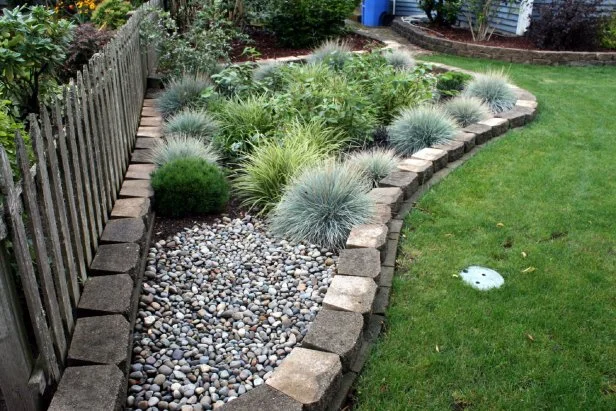
Credit: www.hgtv.com
Tools For Sharp Lawn Edges
Sharp lawn edges make your yard look neat and clean. Using the right tools helps you create straight edges easily.
This guide covers hand tools, power edgers, and how to care for your equipment.
Essential Hand Tools
Hand tools are simple and effective for straight lawn edges. They give you control and precision.
Common hand tools include edging shears, half-moon edgers, and spades.
- Edging shears:Scissor-like tools for trimming grass along edges.
- Half-moon edgers:Round blade tools to cut clean lines in soil and grass.
- Spades:Flat-bladed shovels to create sharp edges by cutting and lifting turf.
Using Power Edgers
Power edgers speed up the job and cut strong, straight lines. They work well for large lawns.
There are electric, battery-powered, and gas-powered edgers. Choose one based on your yard size and power needs.
- Electric edgers:Lightweight and quiet, best for small yards.
- Battery-powered edgers:Cordless and easy to handle, good for medium lawns.
- Gas-powered edgers:Strong and durable, ideal for big jobs and thick soil.
Maintenance Tips For Tools
Clean your tools after each use to keep edges sharp and rust-free. Dirt and grass can dull blades quickly.
Sharpen blades regularly with a file or sharpening stone. Check handles for cracks and tighten loose parts.
- Wash tools with water and dry them well.
- Apply oil to metal parts to stop rust.
- Store tools in a dry place, away from moisture.
- Replace worn-out parts to keep tools safe.
:max_bytes(150000):strip_icc()/spr-easyflex-no-dig-landscape-edging-kit-laura-hard-04-b601fc0708bc4522930427eca7d4168c.jpeg)
Credit: www.thespruce.com
Preparing The Lawn
Creating straight lawn edges starts with good preparation. Preparing the lawn well makes the edging easier and cleaner.
Clear the area and mark your lines before working on the soil. These steps help you get neat and sharp edges.
Clearing Grass And Debris
Remove any grass, leaves, or sticks along the edge line. This makes the soil easier to work with and shapes the edge better.
Use a small shovel or garden rake to clear the area. Make sure the ground is clean before marking lines.
Marking Straight Lines
Use string or a garden hose to mark straight lines where you want the edge. This gives you a clear guide to follow.
Stretch the string tight between two stakes for a straight line. Check the line from different angles to keep it even.
- Place stakes at each end of the desired edge
- Tie string tightly between stakes
- Adjust string to keep it straight and level
Soil Conditions And Preparation
Check the soil to see if it is soft enough to dig. Hard or dry soil is harder to shape and may crack.
Loosen the soil with a garden fork or spade. Remove stones and roots to make a smooth base for your lawn edge.
- Test soil by pressing with your finger
- Dig and turn soil if it feels hard
- Remove rocks and plant roots
- Level the soil surface for clean edges
Techniques For Straight Edges
Creating straight lawn edges gives your yard a neat and tidy look. It helps separate grass from flower beds and walkways. There are simple ways to make clean edges without special tools.
Choose the right technique based on your lawn size and tools. Using string lines, a spade, or a lawn mower can all work well. Each method needs some care to get sharp lines.
Using String Lines
String lines help mark a straight edge before cutting. Stretch a string tight between two stakes along the path you want. This line guides your trimming or digging.
Check that the string is level and secure. You can move it as you work to keep your edge straight along curves or corners.
- Place stakes at both ends of the edge
- Tie a string tightly between the stakes
- Use the string as a guide for cutting or digging
- Adjust string as you move along the edge
Edging With A Spade
A spade is a simple tool to cut straight lawn edges. Use a flat-edged spade to slice the grass and soil along your line. Push the spade straight down and pull it towards you.
Remove the cut grass or soil to create a clean gap. Keep the spade vertical for a sharp edge. Repeat the process along the marked line until the edge is clear.
- Hold the spade upright along the edge line
- Push the spade down into the soil firmly
- Pull the spade towards you to cut
- Remove cut grass or soil for a clean border
Trimming With A Lawn Mower
Many lawn mowers have edge wheels or settings for trimming straight edges. Mow along the edge slowly for a clean cut. Use the mower’s wheel to keep your line straight.
Trim edges regularly to prevent grass from growing over. For sharper lines, mow edges after using a spade or string guide.
- Adjust mower height to match grass length
- Use edge wheel to follow the border line
- Move mower slowly for a neat finish
- Trim edges often to maintain straight lines
Maintaining Crisp Edges
Maintaining crisp lawn edges makes your garden look neat. It also helps in defining spaces clearly. Learn simple ways to achieve this.
Discover how regular care can keep your lawn edges sharp. Follow easy steps to prevent grass from overgrowing.
Regular Trimming Schedule
Trimming regularly keeps the edges neat and tidy. It stops the grass from spreading into unwanted areas.
- Trim edges every two weeks
- Use sharp tools for clean cuts
- Check for overgrowth before trimming
Preventing Grass Overgrowth
Prevent grass from growing into flower beds or pathways. Make sure to establish clear boundaries.
Seasonal Edge Care
Different seasons require different care for lawn edges. Adapt your methods to suit the weather.
| Season | Care Tip |
| Spring | Fertilize and aerate soil |
| Summer | Water edges during dry spells |
| Autumn | Remove fallen leaves regularly |
| Winter | Protect edges from frost |
Common Mistakes To Avoid
Creating straight lawn edges can be tricky if you make simple mistakes. These errors can lead to uneven lines and a messy yard. Avoiding common problems helps keep your lawn neat and tidy.
Below are some key mistakes to watch out for. Fixing these will improve your lawn edging results.
Uneven Cutting
Uneven cutting is the top mistake that ruins lawn edges. Cutting at different heights or angles makes the edges look jagged.
Keep your cutting tool steady and move it slowly along the edge. Use a guide like a string or a straight board for help.
- Use a sharp blade for clean cuts
- Cut in one smooth motion
- Check your line often during cutting
Ignoring Soil Compaction
Soil compaction makes it hard to cut clean edges. Hard soil causes tools to slip or cut unevenly. It also stops grass roots from growing well.
Loosen the soil before edging. Use a garden fork or aerator to break up hard soil. This will make cutting easier and the edges sharper.
- Water the soil lightly before loosening
- Remove rocks and debris
- Check soil firmness regularly
Skipping Tool Maintenance
Tools that are dull or dirty do not cut well. Skipping maintenance causes uneven edges and can damage your lawn.
Clean your tools after each use. Sharpen blades often to keep them effective. Proper care extends tool life and improves performance.
- Remove grass and dirt from blades
- Sharpen blades with a file or sharpener
- Oil moving parts to prevent rust
:max_bytes(150000):strip_icc()/spr-easy-flex-no-dig-adirondak-landscape-edging-jena-wilson-07-during-3983ef1d4a014130b79f143b2130bd31.jpeg)
Credit: www.thespruce.com
Enhancing Lawn Borders
Creating straight lawn edges gives your yard a clean, neat look. It also helps separate your lawn from flower beds and walkways.
Use simple methods to make your lawn borders sharp and attractive. These include adding mulch or stones, planting border plants, and installing physical barriers.
Adding Mulch Or Stones
Mulch or stones create a clear line between your lawn and garden beds. They help stop grass from spreading and keep soil moist.
- Choose mulch like bark, wood chips, or pine needles for a soft look.
- Use stones or gravel for a harder, more durable edge.
- Lay a weed barrier under mulch or stones to prevent weeds.
- Keep the edge narrow and tidy for a sharp line.
Planting Border Plants
Border plants mark lawn edges with natural beauty. Low-growing plants work best to keep edges neat and visible.
| Plant Type | Height | Care Level |
| Boxwood | 1 to 3 feet | Low |
| Lavender | 1 to 2 feet | Medium |
| Hosta | 1 to 2 feet | Low |
| Daylilies | 1 to 3 feet | Medium |
Installing Physical Barriers
Physical barriers hold soil and grass in place. They make lawn edges clean and stop grass from growing into beds.
Common materials for barriers include:
- Metal edging – flexible and long-lasting
- Plastic edging – easy to install and inexpensive
- Brick or stone – decorative and sturdy
- Wood – natural look but may need replacement
Frequently Asked Questions
How Do I Create Straight Lawn Edges Easily?
To create straight lawn edges, use a string line as a guide. Mark the edge with a garden spade, then cut along the line. This method ensures clean, precise edges that improve your lawn’s appearance.
What Tools Are Best For Making Straight Lawn Edges?
The best tools include a garden spade, edging shears, and a string line. A sharp spade cuts soil cleanly, while shears trim grass for neatness. The string line helps maintain straightness during edging.
How Often Should I Edge My Lawn For Straight Edges?
Edge your lawn every 2 to 4 weeks during the growing season. Regular edging prevents grass from overgrowing and maintains clean, defined edges. This keeps your lawn looking tidy and well-maintained.
Can I Make Straight Lawn Edges Without Professional Tools?
Yes, you can use simple tools like a garden spade and string line. Mark the edge carefully and cut along it. This DIY method is effective and affordable for straight lawn edges.
Conclusion
Creating straight lawn edges takes patience and the right tools. Start with clear lines and steady hands. Use a sharp edger or spade for clean cuts. Regular trimming keeps edges looking fresh and neat. Straight edges make your lawn appear well cared for and tidy.
Practice often to improve your technique. Your garden will look more polished and inviting. Keep tools clean and sharp for best results. A simple step that changes your lawn’s look. Try it today and enjoy the neat finish.
