
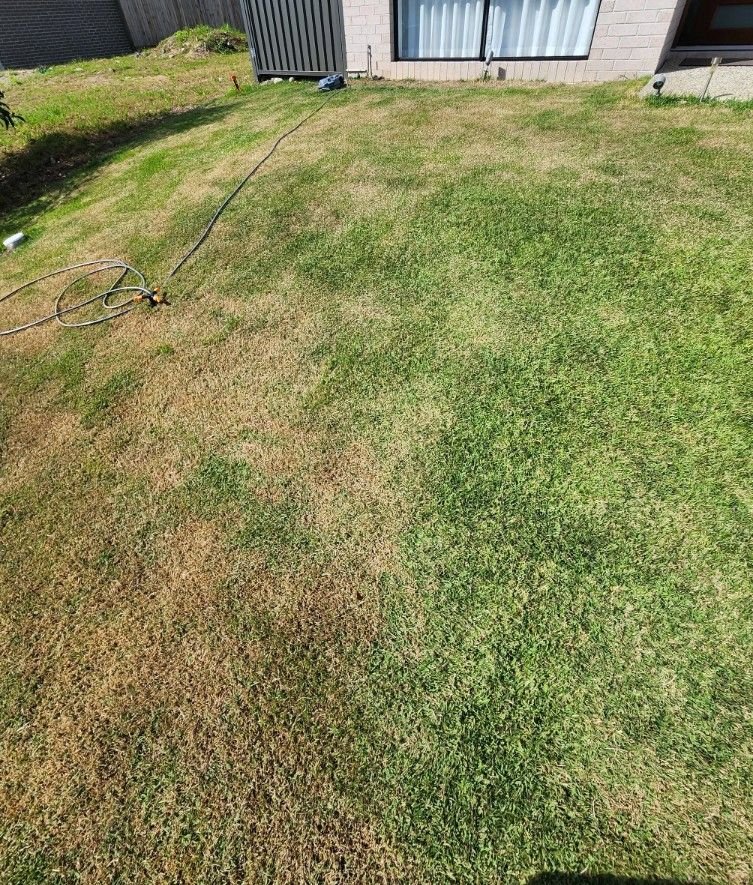
Is your yard looking bumpy and uneven? It can be frustrating when you want a smooth, lush lawn but end up with patches that stick up or dip down.
You might think rolling your yard is complicated or only for pros, but it’s easier than you expect—and it makes a huge difference. In this guide, you’ll discover simple steps to roll your uneven yard and create a level surface that looks great and feels perfect underfoot.
Keep reading, and you’ll learn how to transform your lawn without wasting time or money.

Credit: www.youtube.com
Causes Of An Uneven Lawn
An uneven lawn can make your yard look messy and be hard to mow. Many factors cause the ground to be bumpy or sloped. Knowing these causes helps you fix the problem better.
This guide looks at three main reasons for an uneven lawn. These are soil erosion and compaction, tree roots and underground obstacles, and improper lawn installation.
Soil Erosion And Compaction
Soil erosion happens when rain or wind removes the topsoil. This leaves some parts of your lawn lower than others. Compaction happens when soil is pressed down hard. It stops water from soaking in and roots from growing well.
- Heavy rain washes soil away
- Foot traffic compacts soil
- Vehicles or equipment press down the ground
- Dry soil cracks and shifts
Tree Roots And Underground Obstacles
Tree roots grow under your lawn and push the soil up. This creates bumps and uneven spots. Other underground obstacles like rocks or old pipes also block soil from settling evenly.
| Obstacle | Effect on Lawn |
| Tree Roots | Raise soil, cause bumps |
| Large Rocks | Create hard spots |
| Old Pipes | Collapse causes dips |
| Buried Debris | Uneven soil surface |
Improper Lawn Installation
Installing a lawn without preparing the soil well leads to uneven ground. If the soil is not leveled or compacted correctly, the grass will not grow evenly. Poor drainage also causes water to pool in low spots.
Common mistakes during lawn installation:
- Skipping soil grading before planting
- Ignoring compaction and soil settling
- Not fixing drainage problems
- Using uneven sod or seed distribution
Credit: muthlerlandscaping.com
Tools Needed For Yard Rolling
Yard rolling helps even out bumps and smooth your lawn. To do this job well, you need the right tools. Choosing the right equipment makes the work easier and gives better results.
This guide covers the main types of lawn rollers and extra tools that help repair your yard. Use this information to pick what fits your yard’s needs.
Types Of Lawn Rollers
Lawn rollers come in different styles. Each type works best for certain yard sizes and conditions. Knowing the options helps you pick the right one.
- Water-Filled Rollers:These rollers fill with water to add weight. They are easy to move when empty and heavy when full.
- Steel Rollers:Made of solid steel, these are very heavy and good for large, tough yards. They give strong pressure to flatten bumps.
- Gas or Tractor-Pulled Rollers:These connect to a tractor or gas engine. They are best for very large yards or fields.
- Manual Push Rollers:Light and easy to use for small yards. You push them by hand to level the ground.
Additional Equipment For Lawn Repair
Besides a lawn roller, other tools help fix your yard. These tools prepare the soil and repair damage after rolling.
| Tool | Use |
|---|---|
| Rake | Remove debris and level soil before rolling |
| Spreader | Apply grass seed or fertilizer evenly |
| Shovel | Fill holes and move soil to low spots |
| Water Hose | Moisten soil for better rolling results |
| Lawn Roller | Flatten uneven areas and compact soil |
Preparing Your Lawn For Rolling
Rolling your uneven yard can help level the surface and improve its appearance. Before rolling, it is important to prepare your lawn properly. This helps prevent damage and gives the best results.
Preparation involves several key steps. These steps include mowing and watering, filling low spots, and marking problem areas. Each step helps make the rolling process smoother.
Mowing And Watering
Start by mowing your lawn to a short but safe height. This makes the rolling more effective by allowing the roller to reach the soil better.
Water your lawn a day or two before rolling. The soil should be moist but not wet. Moist soil compacts better and reduces damage to grass roots.
Filling Low Spots
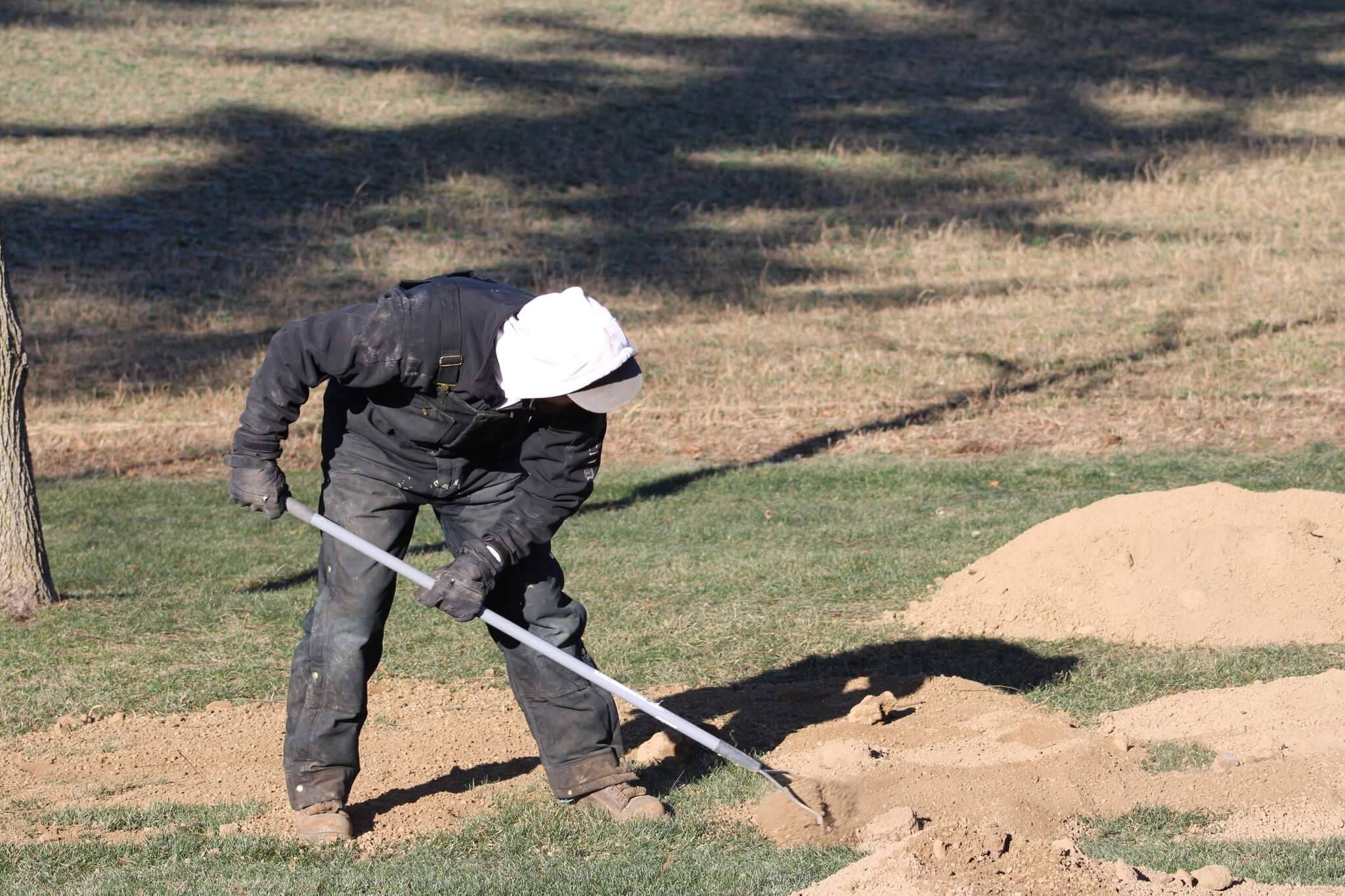
Uneven lawns often have low spots where water collects. Fill these areas with soil or top dressing to raise them. This helps create a flat surface.
Use a rake to spread the soil evenly. Let the soil settle for a few days before rolling. This prevents new uneven areas from forming.
Marking Problem Areas
Identify spots that need extra attention, like steep slopes or deep holes. Mark these areas with flags or stakes. This helps you avoid damage during rolling.
Marking problem areas also helps you plan your rolling path. You can roll gently over sensitive spots to protect your lawn.
Credit: www.thelawnforum.com
Techniques For Rolling Uneven Lawns
Rolling uneven lawns helps smooth the surface and improve grass growth. This process compacts the soil and removes small bumps. Proper rolling keeps your lawn healthy and neat.
Use the right tools and methods to avoid damage. Timing and pattern matter to get the best results on uneven ground.
When And How To Roll
Roll your lawn when the soil is moist but not wet. Too dry or too wet soil can harm grass roots. Early spring and late fall are good times for rolling.
- Check soil moisture before rolling
- Use a lawn roller filled with water or sand
- Roll slowly to avoid compacting soil too much
- Roll in one direction first, then cross-roll for evenness
- Avoid rolling during drought or heavy rain
Rolling Patterns For Best Results
Use specific rolling patterns to cover uneven areas well. Changing directions helps smooth all parts of your lawn evenly. Plan your path before starting.
| Pattern | Description |
| Straight Lines | Roll in parallel lines across the lawn |
| Cross Rolling | Roll again at a 90-degree angle to the first pass |
| Diagonal | Roll diagonally to smooth slopes and dips |
| Circular | Roll in circles on small uneven spots |
Avoiding Over-rolling
Over-rolling can damage grass roots and compact soil too much. This stops water and nutrients from reaching roots. Watch your lawn carefully while rolling.
- Roll only once or twice per season
- Do not roll if soil is very wet or dry
- Check lawn after rolling for signs of stress
- Use aeration before rolling if soil is hard
Fixing Persistent Uneven Spots
Uneven spots in your yard can make it look rough and cause problems for mowing. Fixing these spots needs patience and the right methods. Using proper lawn care helps even out the surface over time.
This guide covers three key ways to fix uneven yards: topdressing and overseeding, aeration benefits, and addressing drainage issues. Each method helps your lawn grow stronger and smoother.
Topdressing And Overseeding
Topdressing adds a thin layer of soil or compost over your grass. It fills small low spots and improves soil quality. Overseeding adds new grass seeds to bare or thin areas, helping the lawn grow thicker and more even.
- Rake the lawn to remove debris before topdressing.
- Spread a ¼ to ½ inch layer of soil or compost evenly.
- Seed the area with grass that matches your existing lawn.
- Water gently but thoroughly after seeding.
- Repeat in early fall or spring for best results.
Aeration Benefits
Aeration pokes holes in the soil to let air, water, and nutrients reach grass roots. It reduces soil compaction and helps roots grow deep. Aeration is important for fixing uneven lawns because it improves soil structure and supports healthy grass.
| Benefit | Effect on Lawn |
| Improves air flow | Strengthens roots |
| Enhances water absorption | Reduces puddles |
| Relieves soil compaction | Allows grass to grow evenly |
| Promotes nutrient uptake | Increases lawn health |
Addressing Drainage Issues
Poor drainage causes water to pool in low spots. This makes the ground soft and uneven. Fix drainage problems to keep your yard level and healthy.
Here are simple fixes for drainage problems:
- Install a French drain to redirect water.
- Grade the soil to slope away from low spots.
- Add organic matter to improve soil absorption.
- Use rain gardens to collect excess water.
- Check gutters and downspouts for clogs.
Maintaining A Smooth Lawn Year-round
A smooth lawn is a joy to see and walk on. It needs regular care to stay even. Let’s explore how to keep your yard level through the year.
From regular maintenance to seasonal changes, each step helps in preserving your lawn’s smoothness.
Regular Lawn Care Tips
Regular care keeps your lawn healthy and even. Here are some key tips to follow.
- Mow your lawn weekly during the growing season
- Water deeply but less often to encourage deep root growth
- Aerate the soil to improve drainage and reduce compaction
Seasonal Adjustments
Each season brings different challenges for lawn care. Adjust your routine accordingly.
| Season | Task |
| Spring | Rake and remove debris |
| Summer | Increase mowing height to prevent stress |
| Fall | Fertilize to prepare for winter |
| Winter | Minimize foot traffic on frozen grass |
Preventing Future Unevenness
To keep your lawn even, take steps to prevent issues before they start.
Ensure proper drainage to avoid water pooling. Fill in holes promptly with a mix of soil and grass seed. Rotate mowing patterns to avoid creating paths.
Frequently Asked Questions
How Do I Prepare An Uneven Yard For Rolling?
Clear debris, mow the grass, and water the soil lightly. Mark low spots for extra attention. This preparation ensures smooth rolling and better lawn leveling results.
What Tools Are Best For Rolling An Uneven Lawn?
Use a heavy lawn roller filled with water or sand. A hand tamper can help for small patches. Proper tools ensure even pressure and effective yard leveling.
When Is The Best Time To Roll An Uneven Yard?
Roll your yard during moist soil conditions, ideally in spring or fall. Avoid dry or overly wet soil to prevent damage and achieve better leveling.
How Often Should I Roll My Uneven Yard?
Roll your yard once or twice a year, depending on unevenness. Frequent rolling can compact soil, so balance is key to maintain healthy grass growth.
Conclusion
Rolling an uneven yard takes patience and the right tools. Start by mowing and watering your lawn well. Use a lawn roller to press down bumps gently. Work in one direction to keep the surface smooth. Avoid rolling when the soil is too dry or too wet.
Regular care helps keep your yard even and healthy. Small steps make a big difference over time. Your lawn will look neat and inviting with steady effort. Keep watching and adjusting as needed for the best results.
