
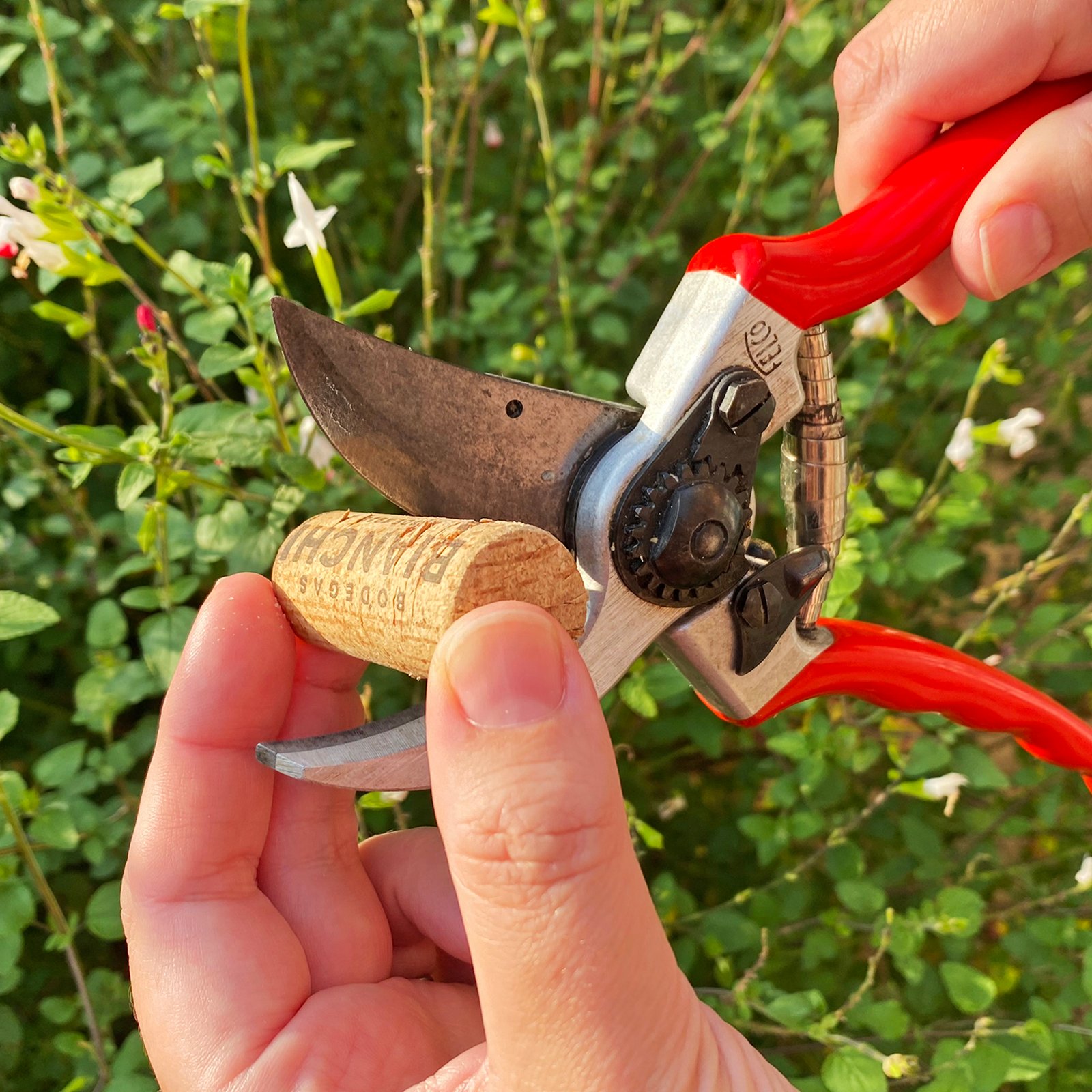
Are you looking to keep your garden neat and healthy but aren’t sure which tool to use? Pruning shears might be the answer you’ve been searching for.
These simple yet powerful tools can make a huge difference in how your plants grow and look. Whether you want to trim overgrown branches, shape your shrubs, or remove dead leaves, pruning shears are designed to help you do it easily and precisely.
Keep reading to discover exactly what pruning shears are used for and how they can transform your gardening experience.
Types Of Pruning Shears
Pruning shears help gardeners cut branches and stems. Different types suit various tasks in the garden.
Choosing the right pruning shears makes pruning easier and cleaner. Here are the main types you should know.
Bypass Shears
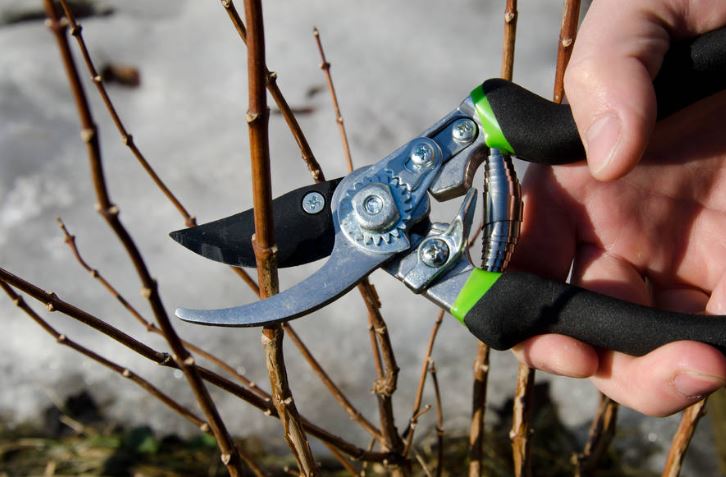
Bypass shears have two curved blades that slide past each other. They work like scissors and give clean cuts.
These shears are best for live plants. They help the plant heal faster and reduce damage.
Anvil Shears
Anvil shears have one straight blade that cuts down on a flat metal surface. They crush the stem as they cut.
- Work well on dry or dead branches
- Not good for live plants because they can bruise stems
- Best for thick or hard branches
Ratchet Shears
Ratchet shears have a special mechanism that breaks cutting into steps. This helps cut thick branches with less force.
| Feature | Benefit |
|---|---|
| Ratchet Mechanism | Reduces hand strain |
| Step-by-step cutting | Handles thick branches easily |
| Used for | Older or woody plants |
Key Uses In Gardening
Pruning shears are important tools for gardeners. They help keep plants healthy and neat.
These shears are easy to use and work well for many gardening tasks.
Trimming Small Branches
Pruning shears cut small branches that are too thick for scissors. This helps remove dead or weak parts.
Trimming small branches improves air flow and sunlight for the plant.
- Remove dead or damaged branches
- Cut branches that cross or crowd others
- Keep plants healthy and growing well
Shaping Plants
Use pruning shears to shape plants and keep them tidy. This makes gardens look neat and organized.
Shaping helps control plant size and encourages strong growth in the right spots.
- Trim overgrown stems
- Guide plant growth
- Create desired shapes for bushes and flowers
Harvesting Fruits And Flowers
Pruning shears are perfect for picking fruits and flowers without damaging the plant. They make clean cuts.
Using shears helps keep plants healthy and ready for the next harvest.
- Cut ripe fruits carefully
- Harvest flowers without tearing stems
- Keep plants ready for new growth
Choosing The Right Pruning Shears
Pruning shears help you trim plants and keep your garden healthy. Picking the right shears makes your work easier and safer.
Look at the blade, handle, size, and weight. These parts affect how well the shears work and how comfortable they feel.
Blade Material And Sharpness
Blades come in different materials like stainless steel or carbon steel. Sharp blades cut cleanly and cause less damage to plants.
| Blade Material | Advantages | Disadvantages |
| Stainless Steel | Rust-resistant, low maintenance | May dull faster |
| Carbon Steel | Very sharp, easy to sharpen | Can rust if not cared for |
Handle Comfort And Grip
Comfortable handles reduce hand strain. Look for soft grips and ergonomic shapes. A good grip helps prevent slipping.
- Soft rubber or foam grips
- Ergonomic handle design
- Non-slip texture
- Shock-absorbing features
Size And Weight
Choose shears that fit your hand size. Lightweight tools help you work longer without fatigue. Size and weight affect control and ease of use.
- Small shears for delicate plants
- Medium size for general use
- Heavier shears for thick branches
Credit: thegardenersfriend.com
Maintenance Tips
Pruning shears help keep plants healthy by cutting branches and stems. To make them last longer, you need to take good care of them. Regular maintenance keeps the blades sharp and clean.
Proper care also prevents rust and damage. Follow these tips to keep your pruning shears in top condition.
Cleaning After Use
Always clean your pruning shears after using them. Dirt and sap can stick to the blades and cause rust. Use a damp cloth to wipe off any residue.
If there is sticky sap, use rubbing alcohol or soapy water to remove it. Dry the blades well to stop rust from forming.
Sharpening Blades
Sharp blades make cutting easier and safer. Use a sharpening stone or a file to keep the edges sharp. Hold the blade at the correct angle while sharpening.
Sharpen the blades regularly, especially if you notice them pulling or crushing plants instead of cutting cleanly.
- Use light, even strokes
- Sharpen both sides if needed
- Remove metal filings after sharpening
Proper Storage
Store pruning shears in a dry place to avoid rust. Keep them away from moisture and dirt. You can use a case or hang them on a hook.
Oiling the blades before storing helps protect them. Apply a thin layer of light oil to keep the metal from drying out.
Safety Precautions
Pruning shears are useful tools for gardening and plant care. Using them safely helps prevent accidents and injuries.
Following safety rules keeps you and others safe while pruning plants and trees.
Wearing Protective Gear
Always wear gloves to protect your hands from cuts and thorns. Long sleeves protect your arms from scratches.
Safety glasses shield your eyes from flying debris or small branches.
- Wear sturdy gloves made for gardening
- Put on safety glasses or goggles
- Use long-sleeved shirts and pants
- Wear closed-toe shoes for foot protection
Safe Cutting Techniques
Hold the pruning shears firmly with a comfortable grip. Cut branches at a safe distance from your body.
Make clean cuts to avoid damaging plants and reduce the risk of the shears slipping.
- Keep your hands away from the blade
- Cut branches at a 45-degree angle
- Use the right size shears for the job
- Work slowly and steadily
Avoiding Common Injuries
Keep pruning shears sharp and clean to prevent accidents. Dull blades require more force and may slip.
Store shears in a safe place and lock them when not in use to avoid accidental cuts.
- Do not rush while cutting
- Check the tool for damage before use
- Keep fingers clear of the cutting area
- Store shears away from children

Credit: www.familyhandyman.com

Credit: www.amazon.ca
Frequently Asked Questions
What Are Pruning Shears Mainly Used For?
Pruning shears are mainly used for trimming and shaping plants. They cut small branches, dead stems, and flowers. They help keep plants healthy and promote growth. They are essential for gardeners and landscapers for precise cuts on shrubs and small trees.
Can Pruning Shears Cut Thick Branches?
Pruning shears are best for branches up to ¾ inch thick. For thicker branches, loppers or saws are recommended. Using shears on thick branches can damage the tool and plant. Always choose the right tool for the branch size.
How Often Should Pruning Shears Be Cleaned?
Pruning shears should be cleaned after every use. Cleaning prevents rust, sap build-up, and disease spread. Use warm soapy water and dry thoroughly. Regular maintenance extends tool life and ensures efficient cutting.
Are Pruning Shears Suitable For All Plants?
Pruning shears work well for most garden plants and shrubs. However, they are not suitable for very thick or woody branches. For delicate flowers, use small, sharp shears for clean cuts. Choosing the right shears protects plants and improves results.
Conclusion
Pruning shears help keep plants healthy and neat. They cut small branches and shape bushes easily. Using them right saves time and effort. Sharp blades make clean cuts that heal fast. Gardeners rely on pruning shears for better growth. Simple tools but very useful in every garden.
Remember to clean and store shears carefully. Good care makes them last many seasons. A small tool with big benefits for plants.

