
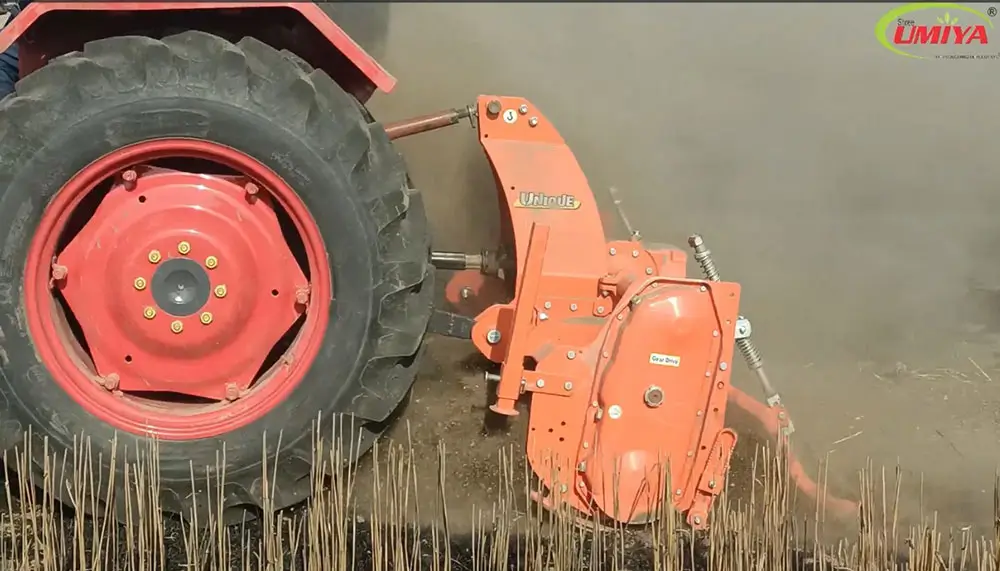
Are you wondering if you can use a tiller to mix fertilizer in your garden? It’s a common question for gardeners who want to save time and effort.
Using a tiller might seem like a quick fix, but is it really the best way to get your soil ready? You’ll discover the pros and cons of using a tiller for fertilizer mixing. By the end, you’ll know exactly how to make your soil nutrient-rich and ready for planting without risking damage to your garden.
Keep reading to find out what works best for your soil and plants!
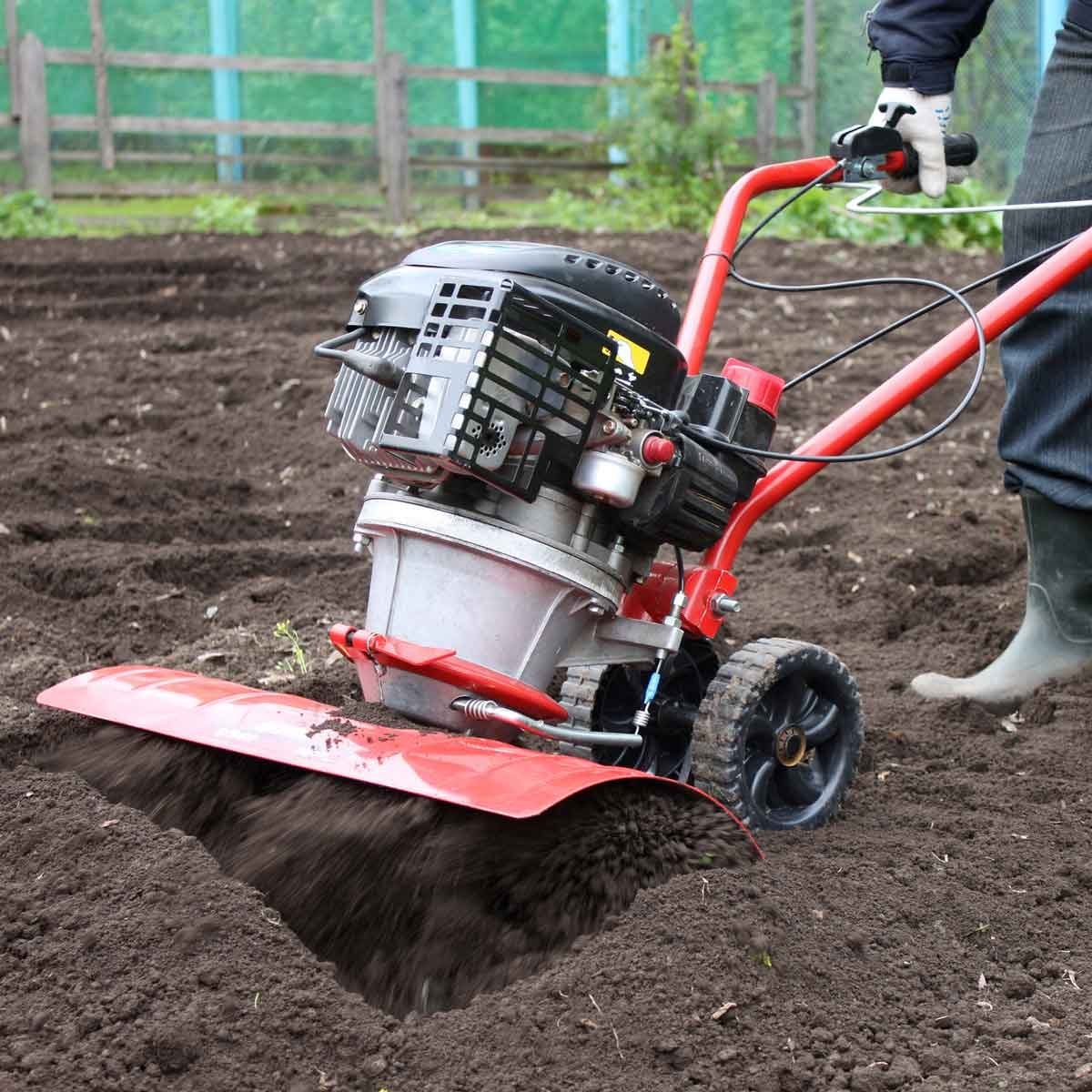
Credit: www.familyhandyman.com
Tiller Basics
A tiller is a useful tool for preparing garden soil. It helps loosen the earth and mix materials into the soil.
Some gardeners wonder if a tiller can also mix fertilizer. Understanding how a tiller works is important before trying this.
How Tillers Work
Tillers use rotating blades or tines to break up soil. They dig deep to turn the soil over and mix it.
- The blades spin to cut through dirt and roots.
- They mix air into the soil to help plants grow.
- Tillers can also blend compost and other materials.
- The depth of tilling depends on the model and settings.
Types Of Garden Tillers
There are several kinds of tillers for different garden jobs. Choosing the right type helps in mixing fertilizer safely.
| Type | Description | Best Use |
| Front-Tine Tiller | Blades are in front of the wheels. | Light soil and small gardens. |
| Rear-Tine Tiller | Blades are behind the wheels. | Heavy soil and large gardens. |
| Cultivator | Smaller, less powerful tiller. | Weeding and light soil mixing. |
| Electric Tiller | Runs on electricity, less noise. | Small to medium gardens. |

Credit: www.no-tillfarmer.com
Fertilizer Types
Fertilizers help plants grow strong and healthy. Different types work in different ways. Knowing the types helps you choose the right one for your garden.
This article explains two main fertilizer types. It also covers how fertilizers come in different forms for use.
Organic Vs Synthetic Fertilizers
Organic fertilizers come from natural sources like plants and animals. Synthetic fertilizers are made from chemicals in factories. Both types add nutrients to soil but work differently.
- Organic Fertilizers:Release nutrients slowly and improve soil health.
- Synthetic Fertilizers:Provide quick nutrient supply but may harm soil over time.
- Use:Organic is best for long-term soil care. Synthetic suits fast growth needs.
Granular And Liquid Forms
Fertilizers come as granules or liquids. Each form has its own way of feeding plants. Knowing their differences helps decide how to apply fertilizer.
| Form | Description | Advantages | Application |
| Granular | Solid particles spread on soil | Easy to store, slow release | Spread by hand or machine |
| Liquid | Dissolved in water for spraying | Fast nutrient uptake | Applied with sprayers or watering cans |
Mixing Fertilizer With Tillers
Using a tiller to mix fertilizer into soil can save time and effort. This method helps spread nutrients evenly in the garden or farm.
It is important to know when and how to use a tiller for mixing fertilizer to get the best results.
Suitability Of Tillers For Mixing
Tillers work best in loose or previously worked soil. They can mix fertilizer well in small to medium garden areas. Heavy clay or compacted soil may need extra preparation.
Using tillers in wet soil can cause clumping and uneven mixing. Dry soil allows better penetration of fertilizer.
Best Practices For Mixing
Follow these tips to mix fertilizer with a tiller safely and effectively.
- Wear protective gloves and eyewear.
- Spread fertilizer evenly over the soil surface.
- Till the soil to a depth of 4 to 6 inches.
- Move the tiller slowly to avoid throwing fertilizer out.
- Water the area lightly after mixing to help nutrients absorb.
Common Mistakes To Avoid
| Mistake | Effect |
|---|---|
| Mixing fertilizer in wet soil | Leads to clumps and poor nutrient distribution |
| Using a tiller with dull blades | Reduces soil penetration and mixing quality |
| Over-applying fertilizer | Can harm plants and waste resources |
| Not cleaning the tiller after use | Causes corrosion and damage to equipment |
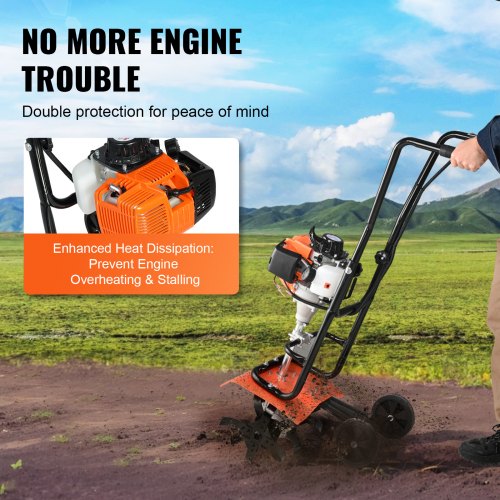
Credit: www.vevor.com
Safety And Maintenance
Using a tiller to mix fertilizer can save time and effort. It is important to follow safety rules and maintain your equipment well.
Proper care helps the tiller last longer and keeps you safe while working with chemicals.
Protective Gear Recommendations
Fertilizers can irritate skin, eyes, and lungs. Always wear the right gear to protect yourself.
- Wear gloves made of chemical-resistant material
- Use safety goggles to protect your eyes
- Wear a long-sleeve shirt and long pants
- Use a dust mask or respirator to avoid breathing dust
- Wear closed-toe shoes or boots
Check your protective gear for damage before starting work. Replace any worn or torn items.
Cleaning And Upkeep After Mixing
Clean your tiller right after mixing fertilizer to stop damage and rust. Residue can harm the machine’s parts.
- Turn off the tiller and unplug it before cleaning
- Use water and a brush to remove fertilizer residue
- Do not use harsh chemicals that can damage the tiller
- Dry the tiller completely to prevent rust
- Check the blades and engine for wear or damage
- Lubricate moving parts as the manual suggests
Store your tiller in a dry place. Regular upkeep keeps it ready for future use and extends its life.
Alternative Methods
Using a tiller to mix fertilizer is common, but other ways exist. These methods can be easier or better for small gardens.
Let’s explore manual mixing techniques and other garden tools that help mix fertilizer well.
Manual Mixing Techniques
You can mix fertilizer by hand using simple tools and methods. This is useful for small spaces or if you want more control.
- Wear gloves to protect your hands.
- Place fertilizer and soil in a wheelbarrow or large container.
- Use a shovel or hoe to turn and mix the materials evenly.
- Check that the fertilizer is spread well throughout the soil.
- Adjust amounts if needed before planting.
Using Other Garden Tools
Besides tillers, many garden tools help mix fertilizer into soil. Some tools work better for different garden sizes or soil types.
| Tool | Best Use | Advantages |
| Garden Fork | Small beds | Good for turning soil gently |
| Hoe | Large areas | Breaks up soil and mixes fertilizer |
| Shovel | All sizes | Easy to mix in tight spots |
| Spade | Compact areas | Helps slice through soil layers |
Expert Tips
Using a tiller to mix fertilizer into your garden soil can be efficient. It ensures even distribution and can improve soil health over time.
Here are expert tips on maximizing the efficiency of your tiller while enhancing soil quality.
Maximizing Efficiency
Proper use of your tiller can save time and effort when mixing fertilizer. Follow these steps for best results.
- Choose a dry day to till, as wet soil can clump and stick.
- Set the tiller depth to reach just below the root zone.
- Overlap each pass slightly to ensure even mixing.
Improving Soil Health
Mixing fertilizer with a tiller can enhance the nutrient profile of your soil. This supports healthy plant growth.
| Benefit | Description |
| Even Nutrient Distribution | Fertilizer spreads evenly, reaching all plants. |
| Root Aeration | Tilling loosens soil, allowing roots to breathe. |
| Improved Water Infiltration | Looser soil absorbs water better, reducing runoff. |
Frequently Asked Questions
Can A Tiller Effectively Mix Fertilizer In Soil?
Yes, a tiller can mix fertilizer well by blending it evenly into the soil. This improves nutrient distribution for plants.
Is It Safe To Use A Tiller With Chemical Fertilizers?
Yes, but avoid overloading the tiller. Use proper protective gear and follow fertilizer instructions to prevent damage or hazards.
How Deep Should A Tiller Mix Fertilizer Into Soil?
Till fertilizer about 4 to 6 inches deep. This depth ensures nutrients reach plant roots effectively for better growth.
Can Tilling Fertilizer Reduce Soil Compaction?
Yes, tilling loosens compacted soil and incorporates fertilizer. This enhances soil aeration and root penetration for healthier plants.
Conclusion
Using a tiller to mix fertilizer can save time and effort. It helps spread nutrients evenly in the soil. Make sure to follow safety steps while working. Avoid using too much fertilizer at once. This keeps your plants healthy and growing strong.
A tiller can be a helpful tool in your garden. Just use it carefully for the best results. Mixing fertilizer with a tiller works well for many gardeners. Try it out and see how your garden improves. Simple, quick, and effective.

