
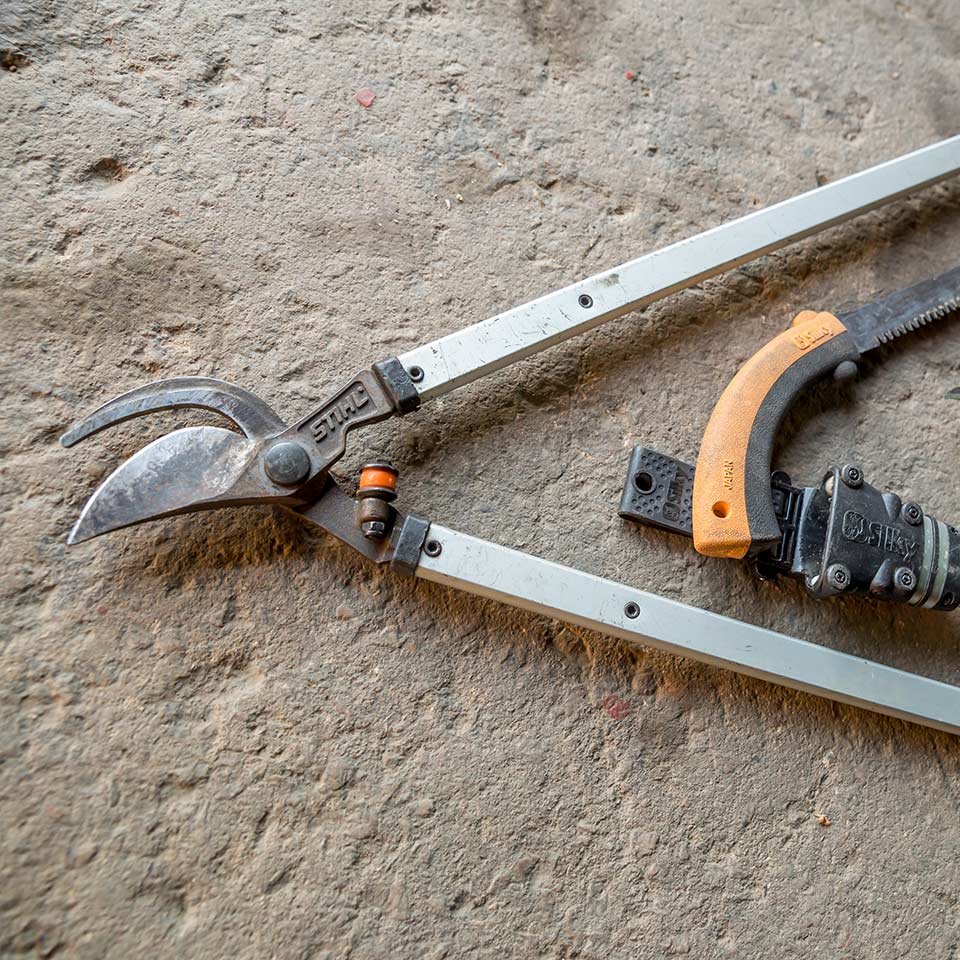
Using loppers can make yard work easier and more efficient, but if you’re not careful, they can also be dangerous. You might think it’s just a simple tool, but one wrong move can lead to serious cuts or injuries.
That’s why knowing the right safety tips before you start is crucial. You’ll discover easy, practical steps to protect yourself every time you use loppers. Keep reading to make your gardening safer and more enjoyable—you deserve to work with confidence and peace of mind.
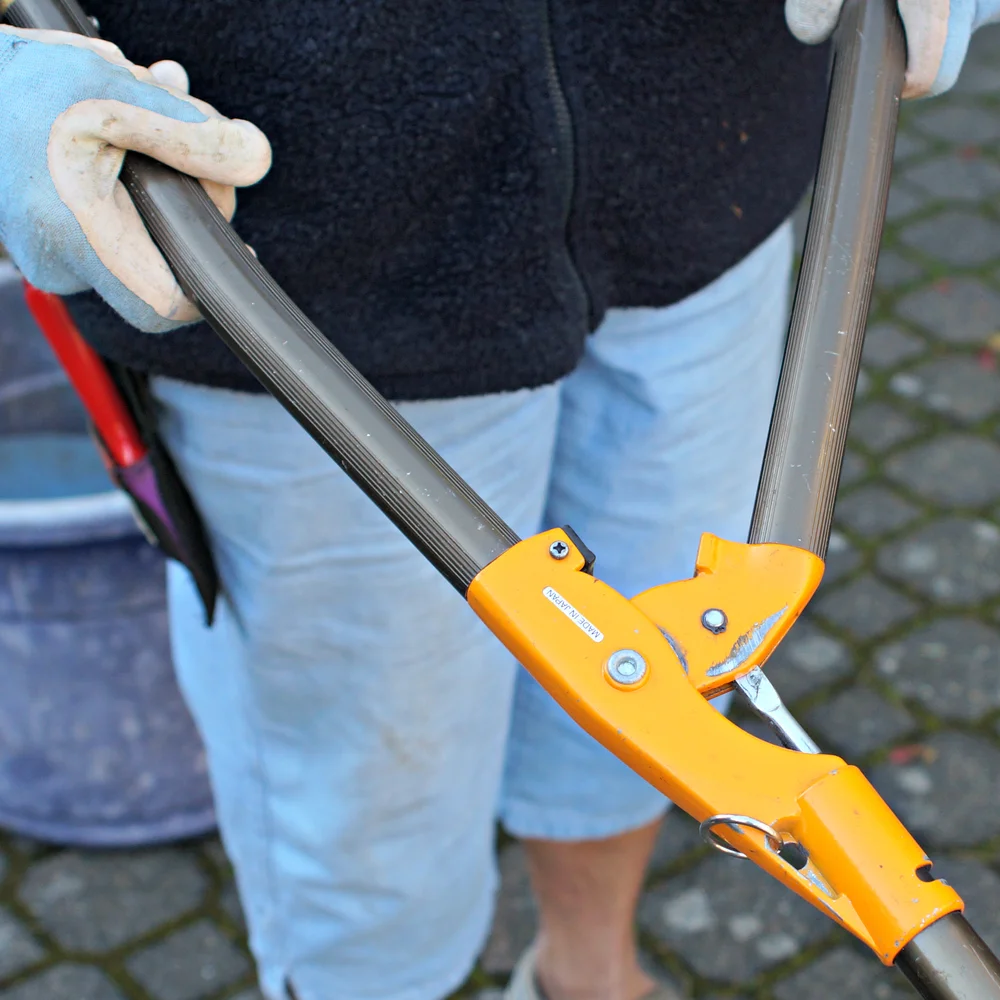
Credit: www.westseattlegardentour.org
Choosing The Right Loppers
Loppers are useful tools for cutting branches and shaping plants. Choosing the right loppers helps you work safely and efficiently.
Consider the type, blade quality, and handle design before buying loppers. These factors affect your comfort and the tool’s performance.
Types Of Loppers
There are three main types of loppers: bypass, anvil, and ratchet. Each type works best for different cutting tasks.
- Bypass loppershave two blades that slide past each other. They cut cleanly and are good for live branches.
- Anvil loppershave one sharp blade that closes onto a flat surface. They work well for dead or dry wood.
- Ratchet loppersuse a mechanism to increase cutting power. They help cut thick branches with less effort.
Blade Material And Quality
Blade material affects sharpness and durability. High-quality blades stay sharp longer and resist rust.
| Blade Material | Benefits | Drawbacks |
| Carbon Steel | Very sharp and strong | Can rust if not maintained |
| Stainless Steel | Rust-resistant and low maintenance | May dull faster than carbon steel |
| Chrome-plated Steel | Combines sharpness and rust resistance | Often more expensive |
Handle Length And Grip
Handle length affects reach and leverage. Longer handles cut thicker branches but can be harder to control.
- Short handles are good for precision and close work.
- Long handles increase cutting power and reach.
- Look for handles with comfortable grips to reduce hand fatigue.
Preparing For Safe Pruning
Using loppers helps keep plants and trees healthy. Safety is very important to avoid injuries. Preparing well makes pruning easier and safer.
Before you start, take time to get ready. Check your tools, wear the right gear, and clear the area. These steps protect you and others.
Inspecting The Tool
Look closely at your loppers before use. Make sure the blades are sharp and clean. Dull blades can slip and cause accidents.
Check the handles for cracks or loose parts. Tighten any screws or bolts. A well-maintained tool works better and keeps you safe.
- Blades sharp and rust-free
- Handles solid and unbroken
- Joints smooth and tight
- No loose screws or bolts
Wearing Protective Gear
Wear safety gear to protect your hands, eyes, and body. Gloves stop cuts and blisters. Safety glasses shield your eyes from flying debris.
Long sleeves and pants help avoid scratches. Good shoes protect your feet from falling branches. Dress properly before pruning.
- Sturdy gloves for hand protection
- Safety glasses or goggles
- Long sleeves and pants
- Closed-toe shoes or boots
Clearing The Work Area
Make sure the area around you is clear. Remove toys, tools, and obstacles. This prevents trips and falls while pruning.
Check for pets or people nearby. Keep children and animals away from the work zone. A clean space helps you focus and stay safe.
- Pick up toys and tools
- Remove tripping hazards
- Keep pets and kids away
- Work in good light conditions
Proper Pruning Techniques
Using loppers safely helps protect you and your plants. Proper pruning keeps trees and shrubs healthy.
Learn correct ways to cut branches with loppers to avoid damage and injury.
Correct Cutting Angle
Cut branches at a slight angle to help water run off. This prevents rot and disease.
A 45-degree angle is best for most pruning tasks. It lets the plant heal faster.
- Place the blade just above a bud or branch junction
- Cut away from the bud to avoid damage
- Keep the angle consistent on each cut
Avoiding Overreaching
Do not stretch too far when using loppers. Overreaching can cause loss of balance.
Move closer to the branch instead of stretching your arms. Use a stable ladder if needed.
- Keep both feet firmly on the ground or ladder
- Hold loppers with both hands for control
- Ask for help if a branch is hard to reach safely
Managing Branch Size
Use loppers only on branches that fit between the blades. Large branches need a saw.
Cutting too large branches can damage the tool and cause injury.
- Check branch thickness before cutting
- Do not force loppers on thick branches
- Use pruning saws for branches thicker than 1 inch

Credit: www.westseattlegardentour.org
Maintaining Your Loppers
Keeping your loppers in good condition makes cutting easier and safer. Regular care helps your tool last longer.
Follow simple steps to clean, sharpen, and store your loppers properly. This keeps them working well every time.
Cleaning And Sharpening Blades
Clean the blades after each use to remove sap and dirt. Use a damp cloth or brush with soapy water.
Sharpen the blades regularly to keep cuts smooth. Use a sharpening stone or file at the blade’s edge.
- Wipe blades dry after cleaning to prevent rust
- Sharpen blades following the original bevel angle
- Check for nicks or damage before sharpening
Lubricating Moving Parts
Lubricate the pivot and joints to keep the loppers moving smoothly. Use light oil like WD-40 or machine oil.
Apply oil sparingly and wipe off any excess. This prevents dirt build-up and rust on moving parts.
- Open and close the loppers while oiling for even coverage
- Oil at least once a month or after heavy use
- Check bolts and screws for tightness during lubrication
Storing Safely
Store loppers in a dry place to avoid rust and damage. Hang them up or keep in a tool rack.
Keep the blades closed and locked if possible. This protects the blades and prevents injuries.
- Use blade covers or sheaths for extra protection
- Keep loppers out of reach of children
- Check storage area for moisture and clean regularly
Handling Common Hazards
Using loppers can be safe if you know how to avoid common dangers. This guide helps you handle risks clearly and simply.
Read each section to learn how to protect yourself and work with loppers safely.
Preventing Cuts And Injuries
Wear thick gloves to protect your hands from sharp blades. Always hold loppers firmly and cut away from your body.
- Check blades for sharpness before use
- Keep fingers clear of the cutting area
- Wear safety goggles to protect your eyes
- Do not rush; cut slowly and carefully
- Store loppers safely after use
Dealing With Stuck Blades
If the blades get stuck in a branch, do not force them open. Forcing can cause sudden slips and injuries.
- Stop cutting and hold the loppers steady
- Try to move the branch gently to free the blades
- If stuck tight, use a stick or tool to push the branch away
- Release pressure slowly to avoid blade snap-back
- Inspect blades after freeing to check for damage
Recognizing Unsafe Conditions
| Unsafe Condition | What to Do |
|---|---|
| Wet or slippery handles | Dry the handles before use |
| Dull or damaged blades | Sharpen or replace blades before cutting |
| Overgrown or tangled branches | Clear area or use proper tools |
| Unstable footing | Find a stable place to stand |
| Nearby people or pets | Keep a safe distance from others |
Credit: www.gardeningknowhow.com
Frequently Asked Questions
What Safety Gear Is Essential When Using Loppers?
Always wear gloves and safety goggles to protect hands and eyes. Use sturdy shoes and long sleeves for added safety. Proper gear prevents injuries from sharp blades and flying debris.
How Should I Inspect Loppers Before Use?
Check blades for sharpness and damage. Ensure handles are secure and free from cracks. Proper inspection prevents accidents and improves cutting efficiency.
What Is The Correct Technique For Using Loppers Safely?
Use both hands and keep fingers away from blades. Cut branches at a comfortable height and avoid overreaching. Proper technique reduces strain and risk of injury.
How Can I Maintain Loppers For Safe Use?
Clean blades after use and oil them regularly to prevent rust. Sharpen blades as needed. Well-maintained loppers work safely and last longer.
Conclusion
Using loppers safely protects you and your plants. Always wear gloves and eye protection. Keep your hands away from the blades. Cut branches slowly and carefully. Check the tool for damage before use. Store loppers in a safe place after work.
These simple steps help avoid accidents. Enjoy your gardening with peace of mind. Safety first, every time you prune.

