
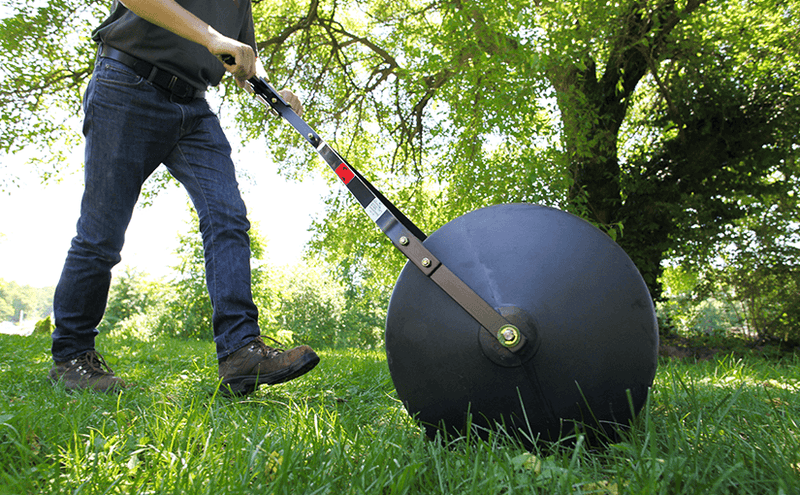
Have you ever wondered if using a lawn roller could actually harm your grass? You might think rolling your lawn is a simple way to get a smooth, even surface.
But what if it’s doing more damage than good? Understanding how a lawn roller affects your grass is key to keeping your lawn healthy and green. You’ll discover the truth about lawn rollers and learn how to use them without risking your lawn’s well-being.
Keep reading to protect your grass and get the best results from your lawn care efforts.
Credit: www.greentractortalk.com
How Lawn Rollers Work
Lawn rollers are tools used to press the soil and grass. They help create a flat and even surface in your yard.
By applying weight on the lawn, rollers can smooth bumps and help seeds make better contact with soil.
Purpose Of Lawn Rolling
Lawn rolling helps improve the lawn’s appearance and health. It presses down soil after seeding or sod laying. It also flattens uneven ground caused by frost or digging.
- Presses seeds into the soil for better growth
- Flattens bumps and holes in the lawn surface
- Helps new sod settle firmly on the ground
- Reduces air pockets under the grass roots
- Improves water contact with soil
Types Of Lawn Rollers
There are different lawn rollers for various tasks. The right type depends on the size of your lawn and the job you need to do.
| Type | Description | Best Use |
|---|---|---|
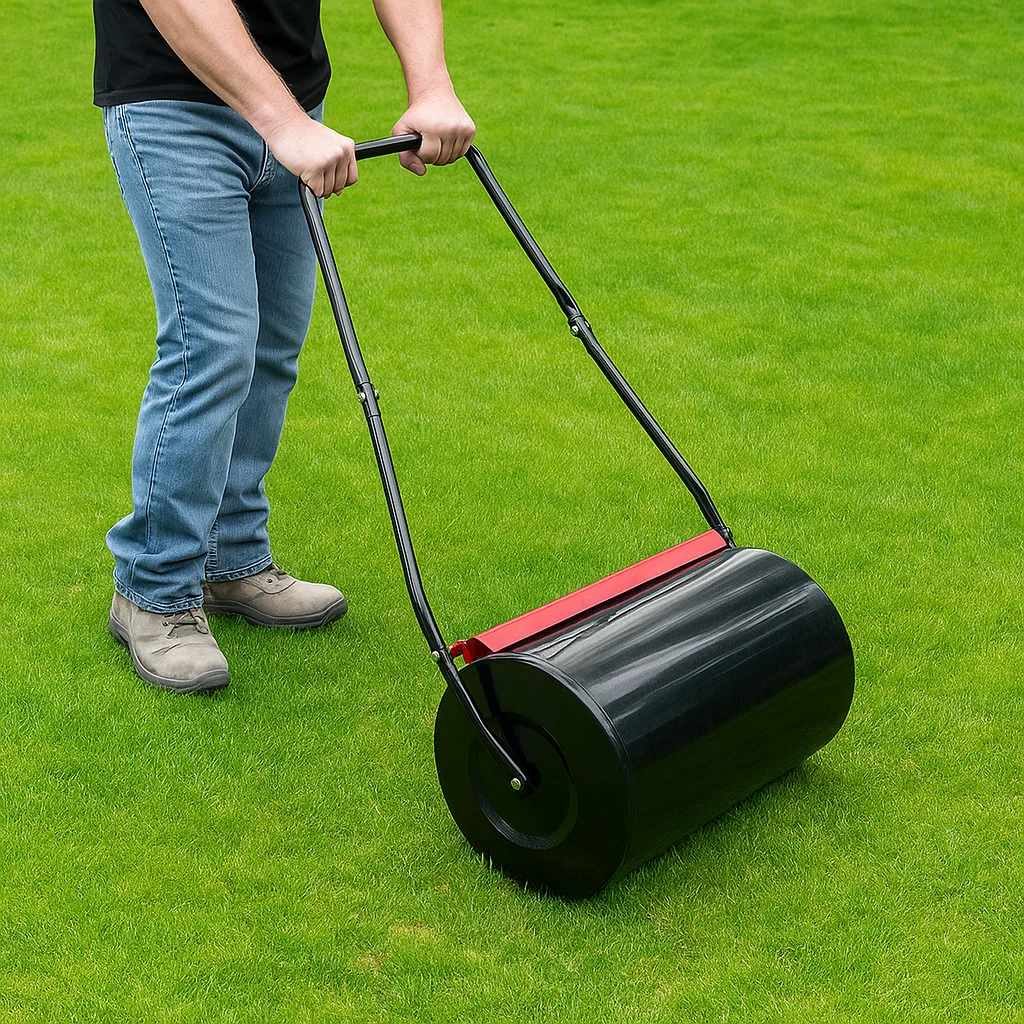
| Manual Roller | Filled with water or sand to add weight | Small yards and light tasks |
| Tow-Behind Roller | Attached to a lawn tractor or ATV | Large lawns and heavy rolling |
| Powered Roller | Self-propelled with engine power | Professional and commercial use |
Credit: www.aosom.com
Potential Risks To Grass
Using a lawn roller can change how your grass grows. It may seem helpful, but it can cause problems.
Understanding the risks helps you care for your lawn better and avoid damage.
Soil Compaction Effects
Lawn rollers press down the soil, making it denser. This is called soil compaction.
Compacted soil blocks air and water from reaching grass roots. This stops grass from growing well.
- Less air in the soil
- Reduced water absorption
- Harder for roots to spread
Impact On Grass Roots
Heavy rolling can crush or damage grass roots. Weak roots make grass less healthy.
Damaged roots cannot take in enough nutrients or water. This causes yellow and thin grass.
- Roots get crushed under pressure
- Grass struggles to absorb nutrients
- Grass becomes weaker and patchy
Timing And Frequency Concerns
Rolling the lawn at the wrong time can harm grass. Wet or frozen soil is not good for rolling.
Rolling too often can increase soil compaction and root damage. Use a roller only when needed.
- Avoid rolling when soil is wet or frozen
- Roll only a few times a year
- Check soil condition before rolling
Signs Of Lawn Damage
A lawn roller can help flatten soil and seeds. But too much rolling can harm grass. It is important to spot signs of damage early.
Not all lawn damage is easy to see. Some signs show below the surface or in grass color and health.
Discoloration And Thinning
Rolling can press grass too hard, causing it to turn yellow or brown. Thin grass patches mean the lawn is weak. This happens because the roots get crushed and cannot absorb water well.
Poor Drainage Issues
Heavy rolling can compact soil and block water flow. Water may pool on the lawn surface instead of soaking in. This can cause muddy spots and damage grass roots.
- Water stays on lawn after rain
- Soil feels hard and dense
- Grass looks weak in wet areas
Increased Weed Growth
Damaged grass grows slowly and leaves space for weeds. Weeds take nutrients and water, making the lawn worse. Look out for more weeds than usual after rolling.
| Type of Weed | Common Signs | Why It Grows |
| Dandelions | Yellow flowers, round leaves | Open spaces in grass |
| Clover | Small green leaves, white flowers | Weak grass competition |
| Crabgrass | Spreading grass-like leaves | Compacted soil |
Credit: www.aosom.com
When Lawn Rolling Helps
Lawn rolling can be useful if done carefully. It helps improve lawn appearance and health in certain cases. Knowing when to roll your lawn can protect the grass from damage.
Using a lawn roller at the right time and for the right reason can make your grass look smoother and grow better. Let’s look at some situations where lawn rolling helps.
Smoothing Uneven Lawns
Uneven lawns can cause water to pool and make mowing hard. Lawn rolling helps flatten small bumps and dips. This creates a smoother surface that is easier to care for.
- Roll your lawn in spring or fall when soil is moist but not wet.
- Use a light roller to avoid compacting the soil too much.
- Avoid rolling after heavy rain to prevent damage.
Post-seeding Benefits
After planting new grass seeds, lawn rolling helps press seeds into the soil. This improves seed-to-soil contact, making it easier for seeds to sprout.
| Benefit | Details |
| Seed Contact | Roller presses seeds into soil for better growth |
| Soil Moisture | Helps soil hold moisture around seeds |
| Prevents Seed Loss | Reduces seed washout from wind or rain |
Improving Soil Contact
Good soil contact helps grass roots grow deep and strong. Rolling helps firm the soil around roots and seeds. This creates a better environment for healthy grass.
Tips to improve soil contact with rolling:
- Choose a roller weight that matches your soil type.
- Roll gently to avoid soil compaction.
- Roll when soil is moist but not soaked.
- Avoid rolling on very dry or frozen ground.
Best Practices For Lawn Rolling
Lawn rolling can improve your yard’s appearance by flattening bumps. It helps seed contact with soil for better growth. Yet, improper rolling can harm grass health.
Follow these best practices to protect your lawn while using a roller. Knowing the right soil, techniques, and timing is key for good results.
Ideal Soil Conditions
Roll your lawn only when soil is moist but not wet. Wet soil compacts easily and can damage roots. Dry soil is hard and won’t roll smoothly.
- Test soil moisture by squeezing a handful. It should hold shape but not drip water.
- Avoid rolling after heavy rain or irrigation.
- Roll during mild weather to prevent stress on grass.
Proper Rolling Techniques
Use slow and even passes to avoid uneven pressure. Overlapping each pass helps create a smooth surface. Avoid rolling the same spot repeatedly.
| Technique | Description |
| Roll Slowly | Move at a steady pace to avoid turf damage. |
| Overlap Passes | Cover edges to prevent ridges. |
| Limit Passes | One or two passes per session to protect roots. |
Recommended Frequency
Do not roll your lawn too often. Excessive rolling can suffocate grass and compact soil too much. Follow a schedule based on lawn needs.
- Roll new seedbeds lightly to help seed contact.
- Roll established lawns once or twice a year in spring or fall.
- Avoid rolling during hot, dry periods.
Alternatives To Lawn Rolling
Lawn rolling can harm grass if done improperly. It compacts the soil, limiting air and water flow. There are better ways to care for your lawn.
Exploring other methods helps keep your lawn healthy and vibrant. Consider these alternatives for a lush, green yard.
Aeration Methods
Aeration helps your lawn breathe. It involves poking small holes in the soil. This allows air, water, and nutrients to reach grass roots.
You can use different tools like manual aerators or powered aerators. They help reduce soil compaction and promote healthy growth.
- Manual aerators are budget-friendly and easy to use.
- Powered aerators cover large areas quickly.
Topdressing Options
Topdressing involves adding a thin layer of soil over your lawn. It improves soil quality and encourages strong grass growth.
Choose materials like sand, compost, or a soil mix. They help fill in low spots and improve drainage.
- Sand enhances drainage in clay soils.
- Compost adds nutrients and organic matter.
- Soil mix balances texture and drainage.
Other Lawn Care Tips
Regular lawn care keeps your grass healthy. Mow frequently but not too short. Water deeply but less often for strong roots.
Consider using natural fertilizers. They provide nutrients without harming the environment. Remove weeds to reduce competition for resources.
- Mow at the right height for your grass type.
- Water early in the morning to reduce evaporation.
- Use organic fertilizers for a healthier lawn.
Frequently Asked Questions
Can A Lawn Roller Harm Grass Health?
Yes, excessive rolling can compact soil and damage grass roots. Use a lawn roller sparingly to avoid suffocating the grass and slowing growth.
When Is The Best Time To Use A Lawn Roller?
The best time is during early spring or fall when soil is moist. Avoid rolling on dry or frozen ground to prevent grass damage.
How Often Should I Use A Lawn Roller On My Lawn?
Use a lawn roller only as needed, typically once or twice a season. Overuse can lead to soil compaction and poor lawn health.
Does Lawn Rolling Improve Grass Appearance?
Lawn rolling can flatten bumps and improve uniformity temporarily. However, too much rolling can harm grass vitality and lead to patchy growth.
Conclusion
A lawn roller can help flatten uneven ground and improve soil contact. Still, using it too often or when the soil is wet may harm grass roots. Roll gently and only when needed to avoid compacting the soil. Healthy grass grows best in loose soil with good air and water flow.
Choose the right time and weight for rolling to keep your lawn green and strong. Careful use keeps your grass safe and your yard looking neat.

