
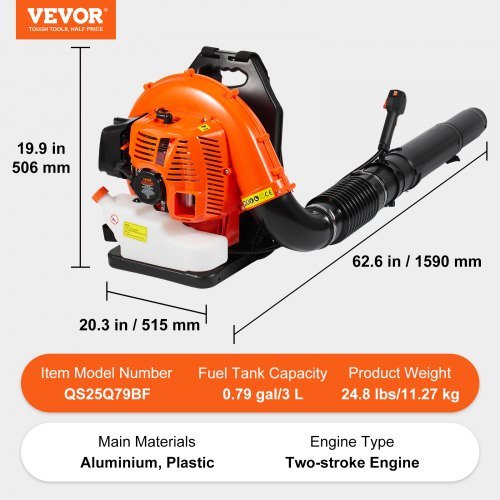
Are you tired of spending hours raking leaves and cleaning up your yard? What if you could make the job faster, easier, and even a little fun?
That’s where a backpack leaf vacuum comes in. Using this tool can save your energy and give you a cleaner yard in no time. But how do you get the most out of it? In this guide, you’ll discover simple steps and expert tips to use your backpack leaf vacuum like a pro.
Keep reading, and you’ll be amazed at how quickly your outdoor chores become a breeze.
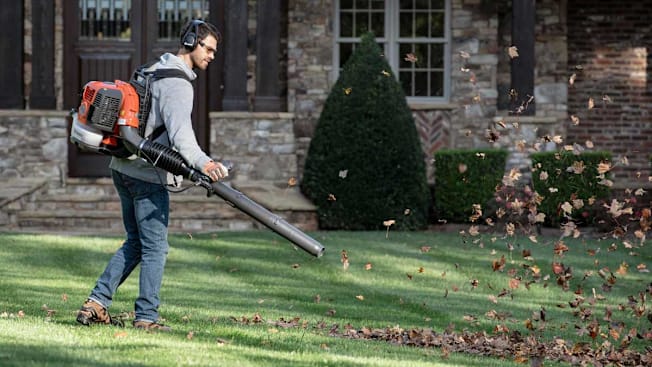
Credit: www.consumerreports.org
Choosing The Right Backpack Leaf Vacuum
Choosing the right backpack leaf vacuum helps you clean leaves faster. The right vacuum fits your needs and feels comfortable.
Look at key features, power type, and comfort before buying. This guide explains what to check for.
Key Features To Consider
Check the vacuum’s power and capacity. A strong vacuum can handle many leaves at once. Look for adjustable speed settings for different tasks.
Consider the vacuum’s noise level and ease of use. Some models have extra features like mulching or easy debris emptying.
- Power and suction strength
- Bag size and capacity
- Noise level
- Extra features like mulching
- Ease of emptying the bag
Gas Vs Electric Models
Gas models are powerful and work longer without charging. They are good for big yards. But they are heavier and noisy.
Electric models are lighter and quieter. They need charging or a power cord. They are better for small yards and easy storage.
- Gas: strong power, longer run time, heavier, noisy
- Electric: lighter, quieter, needs charging or cord, less power
Weight And Comfort Factors
Check the vacuum’s weight before buying. Heavier vacuums can tire you quickly. Look for padded straps to reduce shoulder pain.
Adjustable straps help fit the vacuum to your body. Good airflow in the back panel keeps you cool while working.
- Lightweight models reduce fatigue
- Padded, adjustable straps improve comfort
- Good back airflow prevents overheating
Setting Up Your Leaf Vacuum
Setting up your backpack leaf vacuum correctly helps you work safely and efficiently. Follow simple steps to get your equipment ready.
We will cover how to assemble the vacuum, what safety gear to wear, and tips for fueling or charging your machine.
Assembly Steps
Start by unpacking all parts from the box. Make sure you have every piece before you begin assembly.
Follow the instructions to attach the vacuum tube and secure the backpack straps. Tighten all screws firmly but do not overtighten.
- Attach the vacuum tube to the main unit
- Secure the collection bag or container
- Put on the backpack frame and adjust straps
- Check all connections for tightness
Safety Gear Essentials
Wear safety gear to protect yourself from dust, debris, and noise while using the leaf vacuum. Proper gear reduces injury risk.
Use safety glasses to shield your eyes and ear protection to prevent hearing damage. Gloves help protect your hands.
- Safety glasses or goggles
- Ear plugs or earmuffs
- Durable gloves
- Long pants and closed-toe shoes
Fueling And Charging Tips
Use the right fuel or battery type for your leaf vacuum. Follow the manufacturer’s guidelines to avoid damage.
Fill the fuel tank outdoors and avoid spills. For battery models, charge the battery fully before use to ensure maximum power.
- Use fresh fuel mix if required
- Fill fuel tank in a well-ventilated area
- Charge battery fully before first use
- Store fuel and batteries safely
Operating The Backpack Leaf Vacuum
The backpack leaf vacuum helps clean leaves quickly in yards and parks. It is easy to use with some basic knowledge. This guide shows how to operate it safely and well.
Learn how to start the machine, adjust the power, and collect leaves efficiently. Follow these steps for good results.
Starting The Machine
Before starting, check the fuel level and make sure the vacuum is ready. Use the right safety gear like gloves and ear protection. Follow these steps to start:
- Put on the backpack and tighten the straps.
- Turn the fuel valve to the “on” position.
- Set the choke lever to “closed” if the engine is cold.
- Pull the starter cord firmly until the engine runs.
- Move the choke lever to “open” as the engine warms up.
- Let the engine run for a minute before use.
Adjusting Suction Power
You can change the suction power based on leaf size and ground condition. Use the control lever or throttle to adjust power. Higher power works well on wet or heavy leaves. Lower power saves fuel on light leaves.
| Leaf Type | Recommended Suction Power |
| Dry leaves | Low to medium |
| Wet or heavy leaves | High |
| Small debris | Low |
| Large piles | Medium to high |
Efficient Leaf Collection Techniques
Use proper techniques to collect leaves faster and avoid blocking the vacuum. Move slowly and stay close to the ground. Pick up leaves in small sections to keep the machine clear.
- Keep the vacuum nozzle close to leaf piles.
- Move in a straight line to cover the area.
- Empty the collection bag before it gets full.
- Clean the nozzle if leaves get stuck inside.
- Use both hands to steady the backpack for balance.
Maintaining Your Leaf Vacuum
Keeping your backpack leaf vacuum in good shape helps it last longer. Regular care makes sure it works well every time.
This guide covers simple steps to clean, inspect, and fix common problems with your leaf vacuum.
Cleaning And Storage
Cleaning your leaf vacuum after each use stops dirt and leaves from building up. Store it in a dry, safe place.
Always empty the bag or container to prevent mold and smells. Wipe the machine with a damp cloth to remove dust.
- Remove and clean the collection bag or container
- Clear any leaf clogs in the nozzle or tube
- Wipe the outside with a damp cloth
- Store in a dry, cool area away from sunlight
- Keep away from moisture to avoid rust
Routine Inspection
Check your leaf vacuum before each use to find any problems early. Look at key parts and replace damaged items.
Routine checks keep your vacuum safe and working at its best.
- Look for cracks or damage on the vacuum body
- Check straps and buckles for wear
- Inspect the air filter and clean or replace if dirty
- Test the throttle and switches to ensure they work well
- Examine the spark plug and replace it yearly
Troubleshooting Common Issues
If your leaf vacuum does not start or loses power, some simple fixes may help. Check fuel, air, and spark parts first.
Many issues come from clogged filters or old fuel. Fix these to avoid big repairs.
- Clean or replace the air filter to improve airflow
- Use fresh fuel and check the fuel line for blockages
- Inspect the spark plug and clean or replace it if fouled
- Clear any blockages in the vacuum tube or impeller
- Check that all cables and wires are connected properly
Maximizing Cleanup Efficiency
Using a backpack leaf vacuum can save time and effort during outdoor cleanup. Knowing how to use it well helps get the job done faster.
This guide shares tips to clean different areas efficiently with your backpack leaf vacuum.
Best Practices For Different Terrains
Different surfaces need different approaches. Hard surfaces like concrete are easier to clean than grass or gravel.
Adjust the vacuum speed and nozzle height based on the terrain for better results.
- Use higher suction on flat, hard surfaces
- Lower suction on grass to avoid pulling plants
- Move slowly on uneven terrain to collect all debris
- Use a wide nozzle on open areas and narrow on tight spots
Working In Wet Vs Dry Conditions
Wet leaves and debris are heavier and harder to vacuum. Dry leaves flow easier through the vacuum hose.
Check the machine’s wet debris capacity before starting. Avoid vacuuming soaked leaves if your model is not designed for it.
- For wet leaves, use lower suction to prevent clogging
- Clear the vacuum bag often to maintain airflow
- Use dry conditions when possible for faster cleanup
- Wear waterproof gear when working in wet areas
Time-saving Tips
Plan your cleaning route to avoid covering the same area twice. Use quick movements but keep control to pick up debris well.
Regularly empty the vacuum bag to keep suction strong. This prevents slowdowns and saves time.
- Start from the farthest point and work toward the exit
- Keep the vacuum hose clear of blockages
- Use the correct nozzle attachment for the debris type
- Take short breaks to check equipment and empty bags
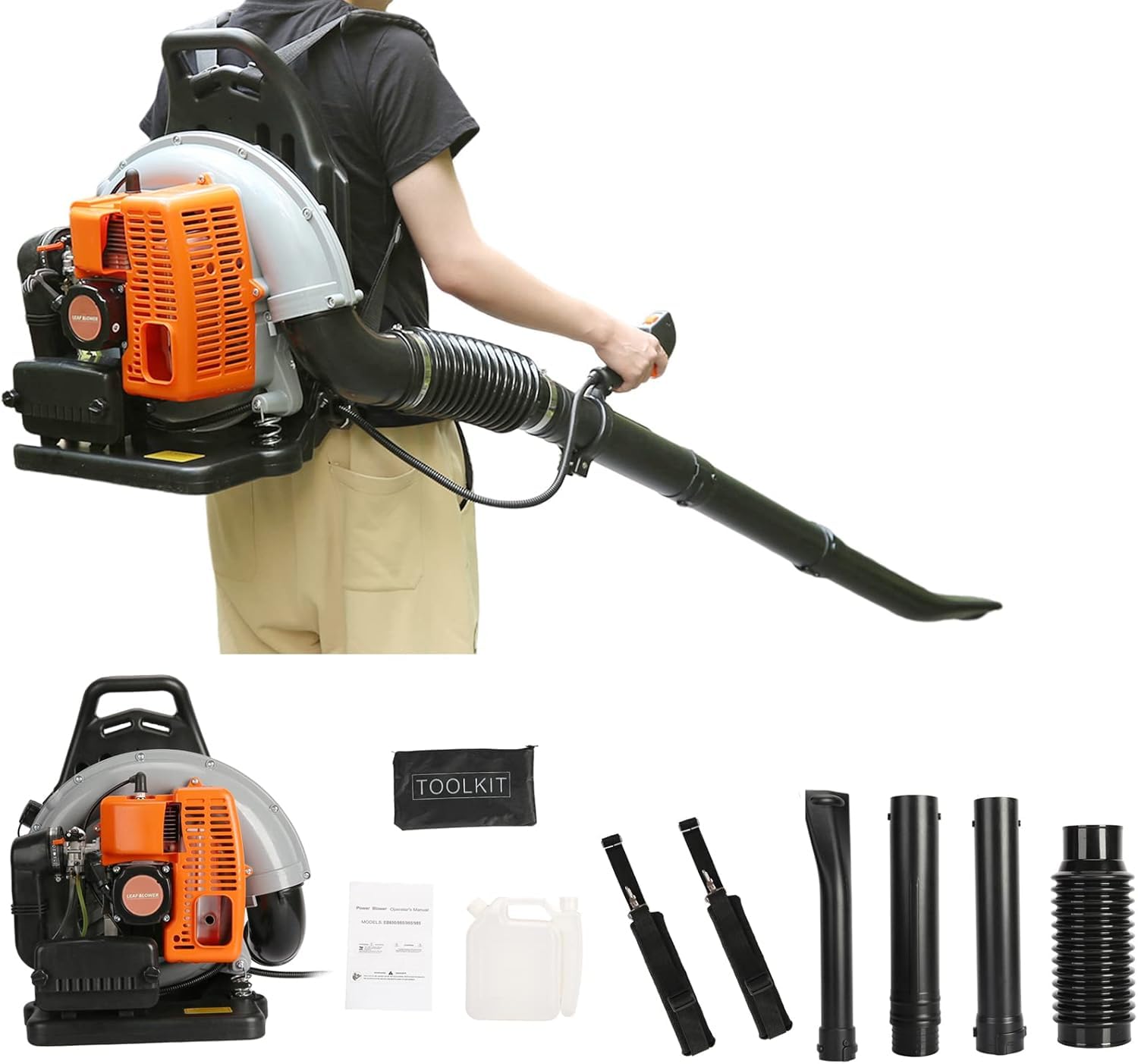
Credit: www.amazon.com
Safety Precautions
Using a backpack leaf vacuum requires attention to safety. Follow these guidelines to protect yourself and others.
Be aware of your surroundings and handle the equipment responsibly.
Handling Debris Safely
Properly handling debris is crucial to prevent accidents and maintain efficiency.
- Wear gloves to protect your hands from sharp objects.
- Inspect the area for large debris before vacuuming.
- Empty the vacuum bag regularly to avoid overflow.
Avoiding Common Hazards
Awareness of common hazards can help you stay safe while using the vacuum.
Ensure the vacuum is turned off before inspecting or cleaning it. Avoid using the vacuum in wet conditions to prevent electric shock.
Protecting Your Hearing And Eyes
Protection for your hearing and eyes is important when operating noisy machinery.
| Protection Gear | Purpose |
| Earplugs | Reduce noise levels |
| Safety goggles | Shield eyes from debris |

Credit: www.tooled-up.com
Frequently Asked Questions
How Do I Start Using A Backpack Leaf Vacuum?
First, read the manual to understand controls. Wear safety gear. Fill the fuel tank if gas-powered. Secure the vacuum on your back. Turn it on and adjust the throttle for best suction.
What Leaves Can A Backpack Leaf Vacuum Handle?
It can handle dry, wet, and light debris leaves. Avoid large branches or thick sticks as they can clog or damage the vacuum.
How Do I Maintain My Backpack Leaf Vacuum?
Clean the filter and empty the bag regularly. Check and tighten screws. Lubricate moving parts. Store in a dry place to prevent rust and damage.
Can I Use A Backpack Leaf Vacuum On Wet Grass?
Yes, but wet grass may reduce suction efficiency. It’s better to wait for grass to dry for optimal performance.
Conclusion
Using a backpack leaf vacuum makes yard cleanup easier and faster. It saves time by collecting leaves in one place. Wearing the backpack feels comfortable with proper adjustment. Regular use keeps your yard neat and tidy. Always follow safety tips for smooth operation.
Practice a bit to get used to the controls. Soon, you will enjoy a cleaner outdoor space. Simple steps lead to great results every time.

