
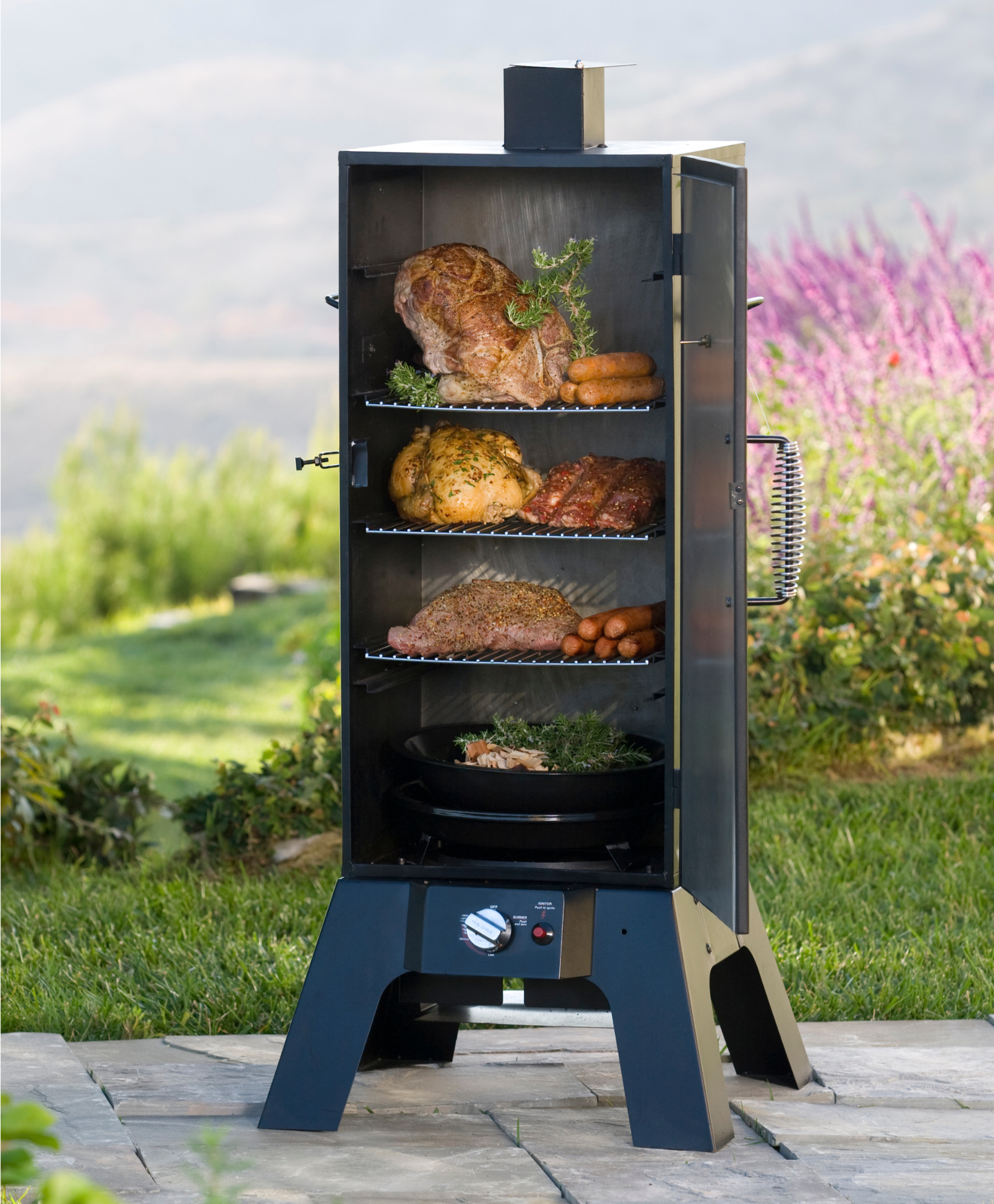
If you’ve ever wanted to enjoy tender, flavorful smoked meat but thought it was too complicated, this guide is for you. Smoking meat on an electric smoker is easier than you think, and you don’t need to be an expert to get amazing results.
Imagine biting into juicy, smoky ribs or brisket right from your backyard. You’ll discover simple steps and tips to help you master your electric smoker and impress your family and friends with delicious homemade smoked meat. Ready to become the grill master you’ve always wanted to be?
Let’s get started!
Choosing The Right Electric Smoker
Choosing the right electric smoker sets the stage for perfect smoked meat. The right smoker fits your needs and skill level. It helps you cook evenly and maintain the right temperature. A good choice saves time and improves your smoking experience.
Key Features To Look For
- Temperature control: Precise and easy to adjust
- Insulation: Keeps heat steady and reduces energy use
- Material: Stainless steel is durable and resists rust
- Water pan: Adds moisture to keep meat juicy
- Digital display: Shows temperature and timer clearly
- Ease of cleaning: Removable trays and simple design
- Safety features: Auto shut-off and cool-touch handles
Popular Models And Brands
Brands like Masterbuilt, Char-Broil, and Traeger offer reliable smokers. Masterbuilt models are user-friendly and budget-friendly. Char-Broil smokers have solid build quality and good temperature control. Traeger offers wood pellet smokers with electric features. Each brand has options for beginners and experts alike.
Size And Capacity Considerations
Choose a size based on how many people you cook for. Small smokers fit 4-6 pounds of meat, good for family meals. Medium smokers hold 10-15 pounds, great for gatherings. Large smokers can handle 20+ pounds for parties or events. Think about storage space and portability too. Bigger smokers need more room and power.

Credit: themeatstick.com
Preparing Meat For Smoking
Preparing your meat correctly is crucial for smoking success. How you handle your cuts before they hit the smoker can make a huge difference in flavor, texture, and moisture. Let’s break down the essentials to get your meat ready for a perfect smoke.
Selecting Quality Cuts
Choosing the right cut sets the foundation for great smoked meat. Look for cuts with good marbling—this fat melts during smoking, keeping the meat juicy and flavorful.
Popular options include brisket, pork shoulder, ribs, and chicken thighs. Ask your butcher for fresh, well-marbled pieces and avoid meat with excessive gristle or dryness.
Have you ever noticed how cheaper cuts can become tender and delicious after slow smoking? That’s the magic of low and slow cooking in an electric smoker.
Trimming And Seasoning Tips
Trimming your meat is about balance. Remove thick silver skin or large fat caps that won’t render well, but keep a thin layer of fat to protect and flavor the meat.
Trim excess fat carefully with a sharp knife—this helps smoke penetrate better and prevents greasy results. Don’t over-trim; a little fat is your friend.
Season your meat evenly with salt and pepper before adding any rubs or marinades. Salt helps draw out moisture and enhances the meat’s natural flavors.
Using Rubs And Marinades
Rubs and marinades add layers of flavor that make smoked meat unforgettable. Dry rubs usually combine spices, herbs, and sugar to create a crust that seals in juices.
Marinades add moisture and can tenderize tougher cuts. Use acidic ingredients like vinegar or citrus juice combined with oil and seasonings for a few hours or overnight.
Have you tried applying a rub and then letting the meat rest in the fridge overnight? It lets the flavors really soak in, giving your smoked meat a deeper taste.
Setting Up Your Electric Smoker
Setting up your electric smoker correctly is key to smoking delicious meat. Each part of the setup affects the flavor and texture of your food. Preparing the smoker carefully helps maintain steady heat and smoke flow. Attention to detail at this stage saves time and prevents problems later.
Loading Wood Chips
Choose wood chips that match the meat you plan to smoke. Soak the chips in water for about 30 minutes before use. This slows burning and creates more smoke. Spread the chips evenly in the smoker’s wood chip tray. Avoid overfilling to keep smoke steady and prevent flare-ups.
Controlling Temperature
Set the smoker’s temperature control to the desired heat level. Most electric smokers have digital controls for easy adjustment. Keep the temperature steady between 225°F and 250°F for best smoking results. Avoid opening the smoker door often; it lowers the temperature.
Water Pan Usage
Place a water pan inside the smoker to add moisture during cooking. Fill it with hot water before starting the smoker. The water pan helps keep the meat juicy and tender. Check the water level regularly and refill as needed during long smoking sessions.
Smoking Techniques And Tips
Electric smokers need steady temperature control for tender, smoky meat. Use wood chips for flavor and avoid opening the door often to keep heat stable. Patience is key—low and slow cooking brings out the best taste.
Smoking meat on an electric smoker is a rewarding experience, offering rich flavors and tender textures. To achieve the best results, mastering key smoking techniques and tips is essential. Each aspect, from maintaining heat to managing smoke levels, plays a crucial role in crafting the perfect smoked dish. Let’s dive into some essential techniques and tips to elevate your smoking game.Maintaining Consistent Heat
Consistent heat is the backbone of successful smoking. An electric smoker is designed to maintain a steady temperature, but external factors like wind and cold weather can affect its performance. Always preheat your smoker. This ensures that the cooking chamber reaches the desired temperature before adding the meat. Consider using a windbreak or placing your smoker in a sheltered area during adverse weather conditions. This helps maintain even heat and prevents temperature fluctuations.Monitoring Internal Meat Temperature
Monitoring the internal temperature of your meat is vital for both safety and quality. An undercooked brisket can ruin your meal, while overcooked ribs may become dry and tough. Invest in a reliable meat thermometer. A digital probe that stays in the meat during cooking provides accurate readings without opening the smoker. Remember, different meats have different ideal temperatures. For example, chicken should reach 165°F, while beef brisket is best at around 195°F. Knowing these specifics ensures perfectly cooked meat every time.Managing Smoke Levels
The right amount of smoke is crucial for flavor. Too much smoke can make your meat taste bitter, while too little might result in a lack of flavor. Start with a small amount of wood chips. You can always add more as needed, but removing excess smoke is challenging once the process starts. Keep an eye on the color of the smoke. Thin, bluish smoke is ideal, indicating clean combustion, while thick, white smoke suggests incomplete burning and can lead to unwanted flavors. By honing these techniques and tips, you can create mouthwatering smoked dishes that impress every time. What’s your favorite meat to smoke, and how do you ensure it turns out perfect?Timing And Cooking Durations
Timing and cooking durations play a key role in smoking meat on an electric smoker. The goal is to cook the meat low and slow, allowing smoke to flavor the meat deeply. Knowing the right time helps avoid overcooking or undercooking. Each type of meat has its own ideal smoking time and temperature. Patience brings tender, juicy results.
Smoking Different Types Of Meat
Different meats need different times and temperatures to cook well. Here is a simple guide:
| Meat Type | Temperature (°F) | Approximate Time | Internal Temperature (°F) |
|---|---|---|---|
| Brisket | 225-250 | 10-14 hours | 195-205 |
| Pork Shoulder | 225-250 | 8-12 hours | 195-205 |
| Ribs | 225-250 | 5-6 hours | 190-203 |
| Chicken | 225-275 | 3-4 hours | 165 |
Check the internal temperature with a meat thermometer. This ensures safety and perfect doneness.
Resting And Carryover Cooking
Resting meat after smoking is important. It lets juices redistribute inside the meat. This keeps the meat moist and flavorful.
Carryover cooking happens when the meat’s internal temperature rises after you take it off the smoker. Rest meat for 15-30 minutes. Wrap it in foil or a towel to keep heat in. This step improves tenderness and taste.
Adjusting For Weather Conditions
Weather affects smoking times. Cold, windy, or rainy days may increase cooking time. The smoker works harder to keep heat stable.
On hot or calm days, cooking may take less time. Monitor your smoker temperature closely. Use a water pan to maintain moisture inside the smoker. Adjust your cooking time by watching the meat’s internal temperature, not just the clock.

Credit: themeatstick.com
Enhancing Flavor Profiles
Enhancing the flavor of smoked meat brings a new level of enjoyment to every bite. The electric smoker offers control and consistency, but adding extra flavor makes the meat truly special. Understanding how to boost taste can turn simple smoking into a delicious art.
Choosing Wood Types
Wood type changes the smoke flavor significantly. Some woods produce strong, bold flavors. Others create mild, sweet notes. Picking the right wood matches the meat and desired taste.
- Hickory:Strong and smoky, great for pork and ribs.
- Apple:Mild and sweet, perfect for poultry and fish.
- Cherry:Slightly fruity and sweet, pairs well with beef.
- Mesquite:Intense and earthy, ideal for red meat.
Adding Moisture And Flavor
Keeping meat moist is key during smoking. Moisture helps flavors soak deeper and keeps meat tender. Use water pans inside the smoker to keep humidity high. Marinades and brines add extra taste and juiciness.
- Soak wood chips in apple juice or tea for subtle flavor.
- Apply a dry rub with herbs and spices before smoking.
- Spritz meat with a mix of apple cider vinegar and water during cooking.
Finishing Sauces And Glazes
Finishing sauces give smoked meat a glossy, tasty finish. Apply sauces in the last 30 minutes to avoid burning. Sweet, spicy, or tangy glazes add layers of flavor and texture. Experiment with barbecue sauces, honey glazes, or mustard-based finishes.
Cleaning And Maintenance
Cleaning and maintaining your electric smoker is key for tasty results and long use. A clean smoker works better and lasts longer. Regular care keeps smoke flavor pure and prevents damage. Let’s explore how to keep your smoker in top shape.
Post-smoking Cleanup
After smoking, let the smoker cool down. Remove leftover ashes and grease from the drip pan. Clean the racks with warm soapy water. Wipe inside walls and door to remove residue. Avoid harsh chemicals that can leave odors. Dry all parts well before reassembling. This keeps your smoker ready for the next use.
Extending Smoker Lifespan
Cover your smoker when not in use to protect it from weather. Check and tighten screws and bolts regularly. Season the smoker’s interior with a light coat of cooking oil to prevent rust. Store it in a dry place during winter or long breaks. Regular maintenance prevents costly repairs and keeps your smoker working smoothly.
Troubleshooting Common Issues
If the smoker won’t heat properly, check the power source first. Clean the heating element if it looks dirty. For uneven smoke, adjust the vents to improve airflow. Strange smells may mean leftover grease or food particles—clean thoroughly. If the smoker won’t turn on, inspect the wiring or fuse. Most problems come from simple issues you can fix yourself.

Credit: themeatstick.com
Frequently Asked Questions
How Long Does It Take To Smoke Meat On An Electric Smoker?
Smoking meat on an electric smoker usually takes 2 to 8 hours. The time depends on the meat type and thickness. Always monitor internal temperature for perfect doneness and flavor.
What Wood Chips Work Best For Electric Smokers?
Hickory, apple, cherry, and mesquite wood chips are ideal. They provide rich, smoky flavors that complement most meats well. Soak chips before use to ensure slow, consistent smoke.
Can I Use An Electric Smoker Indoors Safely?
Electric smokers are designed for outdoor use only. Using them indoors can cause smoke buildup and fire hazards. Always operate your electric smoker in a well-ventilated outdoor area.
How Do I Control Temperature On An Electric Smoker?
Use the built-in thermostat to set your desired temperature. Avoid frequent door opening to maintain consistent heat and smoke levels. Some models allow remote temperature monitoring for convenience.
Conclusion
Smoking meat on an electric smoker takes patience and care. Keep the temperature steady and use the right wood chips. Check your meat often to avoid overcooking. Experiment with different flavors to find what you like best. Enjoy the process as much as the tasty results.
Smoking meat can be simple and fun for everyone. Give it a try and taste the difference yourself.

