
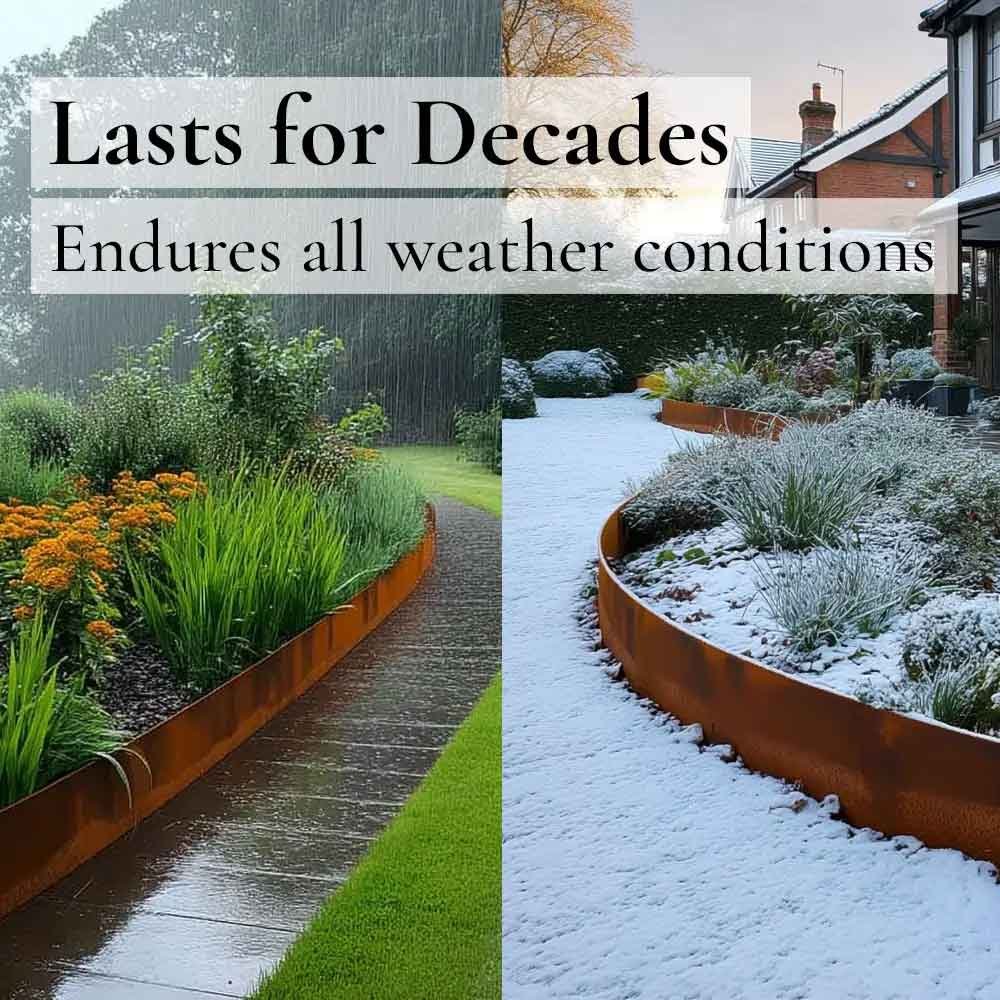
When it comes to keeping your garden or lawn looking sharp and neat, choosing the right edging is key. But with so many options out there, you might be wondering: which edging lasts longest without losing its charm or breaking down?
You want something that stands up to weather, wear, and time—saving you money and effort in the long run. You’ll discover the best edging materials that offer durability and style, helping you make a smart choice for your outdoor space.
Keep reading to find the perfect edging that will keep your garden looking great year after year.
Types Of Edging Materials
Choosing the right edging material affects how long your garden or pathway border lasts. Different materials offer different strengths and looks.
This guide covers common edging types and their durability to help you pick what suits your needs.
Natural Stone Options
Natural stone is popular for its strong, lasting qualities and natural beauty. Stones like granite, limestone, and slate resist wear and weather well.
These stones need little upkeep and can last for decades, making them a good long-term choice.
Concrete And Cement Choices
Concrete edging can be molded into many shapes and styles. It is tough and weather-resistant but may crack over time.
- Precast concrete is easy to install and consistent in shape.
- Poured concrete can be customized to fit curves and designs.
- Concrete lasts many years with proper care and sealing.
Metal Edging Varieties
Metal edging, such as steel, aluminum, or copper, offers a sleek and modern look. It is strong and resists damage.
| Metal Type | Durability | Maintenance |
| Steel | Very durable | May rust, needs coating |
| Aluminum | Durable | Rust-proof, low maintenance |
| Copper | Durable | Develops patina, no rust |
Plastic And Rubber Alternatives
Plastic and rubber edging is lightweight and easy to install. It resists rot and insect damage but may fade in sun.
- Plastic edging is flexible and affordable.
- Rubber edging is made from recycled tires and is eco-friendly.
- Both types last around 5 to 10 years.
Wood Edging Styles
Wood edging gives a natural look but needs treatment to resist rot and pests. Cedar and redwood last longer than pine.
Wood usually lasts 3 to 7 years outdoors unless sealed or replaced regularly.

Credit: appadvice.com
Durability Factors
Choosing the longest-lasting edging depends on several key durability factors. These factors affect how well the edging holds up in different conditions.
This guide explains four main durability factors: resistance to weather, impact of soil conditions, maintenance requirements, and wear and tear over time.
Resistance To Weather
Edging materials must resist rain, sun, snow, and temperature changes. Some materials crack or fade quickly.
- Plastic edging can warp in hot sun.
- Metal edging resists cold but may rust without coating.
- Stone edging withstands weather best but can chip.
- Wood edging may rot or swell if untreated.
Impact Of Soil Conditions
Soil type and moisture affect edging durability. Wet or acidic soil can damage some materials.
| Material | Soil Suitability | Notes |
| Plastic | All soils | May shift in loose soil |
| Metal | Dry soils | Rusts in wet, acidic soil |
| Stone | All soils | Stable but heavy |
| Wood | Dry soils | Rot risk in wet soil |
Maintenance Requirements
Regular upkeep helps edging last longer. Some materials need more care than others.
- Plastic needs little maintenance.
- Metal requires rust prevention treatments.
- Stone may need cleaning to prevent moss.
- Wood needs sealing and repairs.
Wear And Tear Over Time
Daily use and natural aging cause edging to wear down. Durability varies by material strength.
- Plastic: cracks and bends
- Metal: rust and dents
- Stone: chips and cracks
- Wood: splinters and rot
Comparing Lifespans
Choosing the right edging material depends on how long it will last. Different materials have different lifespans. This guide compares popular edging materials to help you decide.
We look at average lifespan, real-world durability, and cost versus longevity. This information shows which edging holds up best over time.
Average Lifespan By Material
Edging materials vary in how long they last. Here is an overview of common types and their average lifespans in years.
| Material | Average Lifespan (Years) |
| Plastic | 5-10 |
| Metal (Steel or Aluminum) | 15-25 |
| Wood | 3-7 |
| Stone | 50+ |
| Concrete | 40-60 |
Real-world Durability Examples
Materials can last differently depending on weather and use. Here are real examples of durability for edging materials.
- Plastic edging may crack or warp in strong sun or cold climates.
- Metal edging can rust if not coated but holds well in most areas.
- Wood edging often rots or splinters without regular treatment.
- Stone edging resists weather and damage but can shift if ground moves.
- Concrete edging is very strong but may crack over many years.
Cost Vs Longevity Analysis
Considering cost and lifespan together helps find the best value. Some materials cost more but last longer.
| Material | Average Cost (per foot) | Average Lifespan (years) | Cost per Year |
|---|---|---|---|
| Plastic | $1 – $3 | 5 – 10 | $0.10 – $0.60 |
| Metal | $5 – $15 | 15 – 25 | $0.20 – $1.00 |
| Wood | $2 – $6 | 3 – 7 | $0.29 – $2.00 |
| Stone | $10 – $30 | 50+ | $0.20 – $0.60 |
| Concrete | $8 – $20 | 40 – 60 | $0.13 – $0.50 |
Credit: x.com
Installation Tips For Longevity
Choosing the right edging for your garden is important. It helps maintain your landscape’s shape and health. Let’s explore tips to ensure your edging lasts long.
Proper installation is key. By following these tips, your edging will withstand time and weather.
Proper Ground Preparation
Preparing the ground sets the foundation for durable edging. Remove any debris and level the soil. This prevents uneven edges.
- Clear away rocks and roots
- Level the surface using a rake
- Ensure soil is compacted
Securing And Anchoring Methods
Securing your edging correctly is crucial. Use stakes or pegs for support. This keeps the edging in place during strong winds and heavy rain.
| Anchoring Method | Recommended Use |
| Stakes | Wood or metal edging |
| Pegs | Plastic or rubber edging |
| Concrete | Permanent installations |
Preventing Common Issues
Address common issues to extend your edging’s life. Watch for soil erosion and plant overgrowth. Regular checks help maintain its condition.
Environmental Impact
Choosing the right edging for your project can affect the environment. Some materials last longer and cause less waste. It is important to think about how they impact nature.
Durable edging uses fewer resources over time. This helps reduce pollution and saves energy. Let’s explore how different factors affect the environment.
Sustainability Of Materials
Materials that come from natural sources or recycled content are more sustainable. They use less energy to make and create less pollution. Some common edging materials include wood, plastic, and metal.
Wood is renewable if harvested responsibly. Plastic takes a long time to break down and uses fossil fuels. Metal lasts long but requires a lot of energy to produce.
Recyclability And Disposal
How edging is recycled or thrown away matters. Some materials can be reused or recycled easily. Others end up in landfills and harm the environment.
- Wood edging can often be composted or reused.
- Plastic edging is hard to recycle and lasts long in landfills.
- Metal edging is highly recyclable but needs special facilities.
Eco-friendly Alternatives
Some new options reduce environmental harm. Materials like recycled rubber or bamboo offer good durability. They break down faster and use fewer resources.
- Recycled rubber edging absorbs impact and lasts well.
- Bamboo is fast-growing and biodegradable.
- Natural fiber blends can be strong and compostable.
Choosing The Right Edging
Edging helps define garden beds and paths. Choosing the right type affects how long it lasts.
Consider style, budget, and how much value the edging adds over time.
Matching Style And Function
Select edging that fits your garden’s look and purpose. Some materials suit formal gardens better. Others fit natural settings.
- Wood edging offers a rustic look but may decay faster.
- Metal edging gives a clean, modern line and holds shape well.
- Stone edging is durable and natural but can be costly.
- Plastic edging is affordable and flexible but less sturdy.
Budget Considerations
Your budget limits which edging types you can choose. Some last longer but cost more upfront.
| Edging Type | Average Cost | Durability |
| Wood | Low | 2-5 years |
| Plastic | Low | 3-7 years |
| Metal | Medium | 10-20 years |
| Stone | High | 20+ years |
Long-term Investment Value
Think about how long your edging will last and save money on repairs or replacement.
Tips for long-lasting edging:
- Choose materials resistant to weather and pests.
- Install edging properly to avoid shifting.
- Regularly check and maintain the edging.
- Consider the impact on your home’s value.

Credit: appadvice.com
Frequently Asked Questions
Which Edging Material Lasts The Longest Outdoors?
Metal edging, such as steel or aluminum, generally lasts longest outdoors. It resists weather, rust, and physical damage better than plastic or wood. Proper installation and maintenance can extend its lifespan significantly.
How Does Vinyl Edging Compare In Durability?
Vinyl edging is resistant to rot, insects, and moisture. However, it can become brittle and crack under extreme temperatures or UV exposure. It typically lasts 5-10 years with proper care.
Is Stone Edging A Durable Option?
Yes, stone edging is extremely durable and can last decades. It withstands weather, erosion, and physical wear naturally. Stone requires minimal maintenance but may be costlier to install.
What Factors Affect Edging Longevity?
Material type, weather conditions, installation quality, and maintenance all impact edging lifespan. Harsh climates and poor installation reduce durability, while proper care extends it significantly.
Conclusion
Choosing the right edging depends on your needs and budget. Stone and metal edges last the longest with proper care. Plastic edges wear out faster but cost less. Wood edges look nice but need frequent replacement. Think about how much effort you want to spend maintaining your lawn.
Durable edging saves money over time and keeps your yard tidy. Pick materials that match your style and climate. A smart choice today means less work tomorrow.

