

Are you wondering when to prune your hydrangeas to keep them healthy and blooming beautifully? Pruning at the right time can make all the difference in how vibrant and full your hydrangea bushes look.
If you prune too early or too late, you might end up cutting off next season’s flowers or damaging the plant. You’ll discover the best moments to trim your hydrangeas, simple tips to follow, and how to avoid common mistakes.
Keep reading, and you’ll learn how to make your hydrangeas thrive like never before.
Hydrangea Types And Blooming Cycles
Pruning hydrangeas at the right time helps them grow strong and bloom well. Each type of hydrangea has its own blooming cycle and pruning needs.
Knowing when to prune depends on the type of hydrangea. This guide covers four common types and their best pruning times.
Bigleaf Hydrangeas
Bigleaf hydrangeas bloom on old wood. Prune them right after they finish blooming in summer. Pruning too late may cut off next year’s flowers.
Panicle Hydrangeas
Panicle hydrangeas bloom on new wood. Prune them in late winter or early spring before new growth starts. This encourages bigger flowers.
- Bloom on new wood
- Prune in late winter or early spring
- Cut back old stems to encourage growth
Smooth Hydrangeas
Smooth hydrangeas also bloom on new wood. Prune them in late winter before buds break. Remove old stems to promote healthy growth and large blooms.
Oakleaf Hydrangeas
Oakleaf hydrangeas bloom on old wood. Prune right after flowering in summer. Avoid pruning in late fall or spring, or you risk losing flowers.
| Hydrangea Type | Blooming Wood | Best Pruning Time |
| Bigleaf | Old Wood | After Summer Bloom |
| Panicle | New Wood | Late Winter or Early Spring |
| Smooth | New Wood | Late Winter |
| Oakleaf | Old Wood | After Summer Bloom |
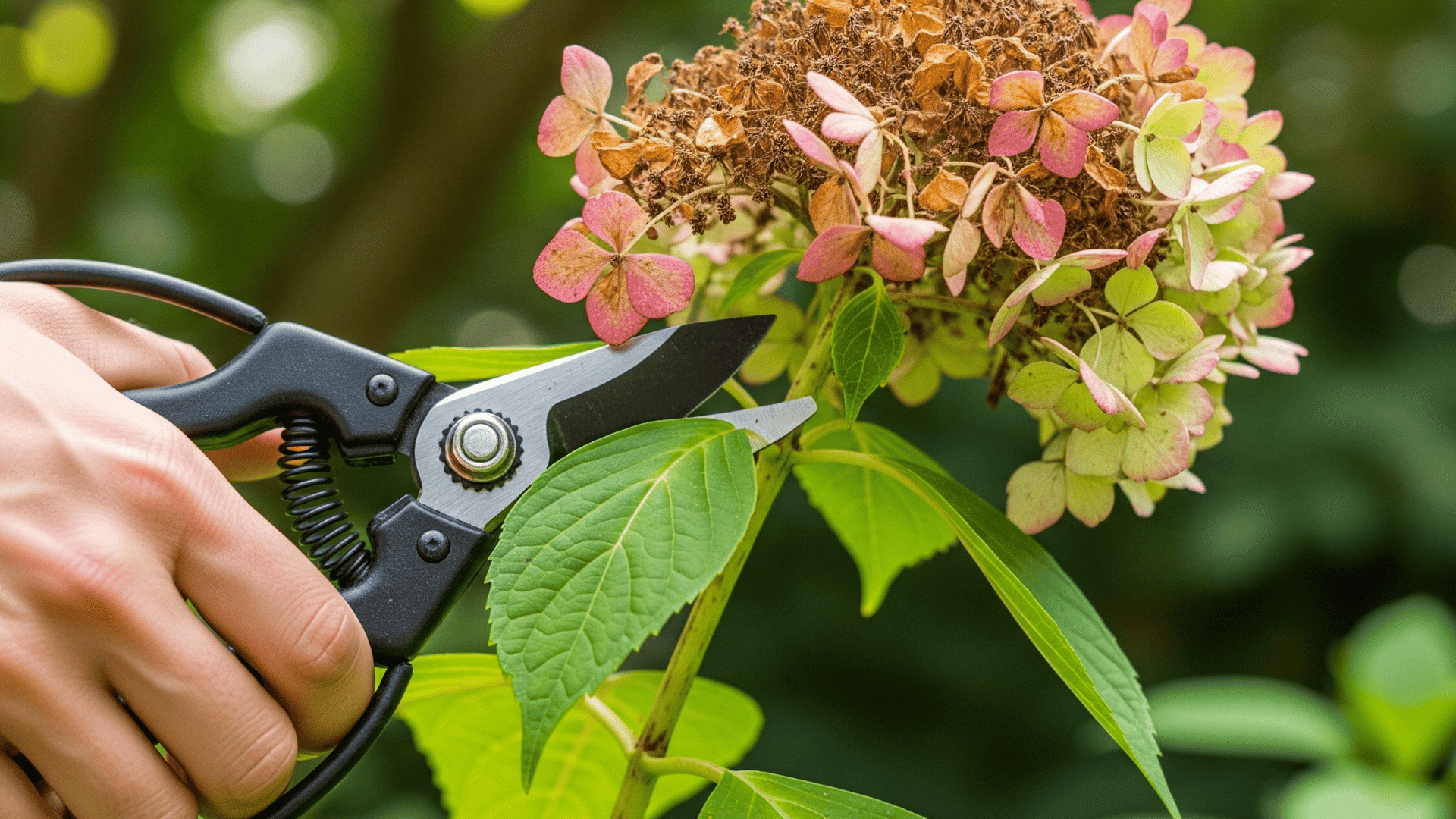
Credit: www.stewartmilnehomes.com
Signs It’s Time To Prune
Knowing when to prune hydrangeas helps keep them healthy and blooming. Pruning at the right time improves growth and flower size.
Look for certain signs on your hydrangeas to decide if pruning is needed. These signs show the plant needs care to stay strong.
Dead Or Damaged Stems
Dead or damaged stems can stop your hydrangea from growing well. These stems look dry, cracked, or broken.
Removing these stems helps the plant use energy to grow healthy branches and flowers.
- Look for brown or gray stems that feel brittle
- Cut off broken branches close to healthy wood
- Prune dead stems in late winter or early spring
Overgrown Branches
Hydrangeas with many thick branches can become crowded. Overgrown branches block light and air flow inside the bush.
Pruning these branches opens the plant up, making it healthier and easier to maintain.
- Look for branches growing inward or crossing each other
- Remove some older, woody stems to thin the bush
- Prune after flowering to avoid cutting next year’s buds
Declining Flower Production
If your hydrangea produces fewer flowers each year, it may need pruning. Old wood can lose its ability to bloom well.
Pruning encourages new growth, which can increase flower numbers and size.
- Notice if flowers are smaller or less in number
- Cut back some old stems to promote new shoots
- Prune after blooming to protect flower buds for next season
Pruning Windows For Different Hydrangeas
Knowing when to prune hydrangeas helps keep plants healthy. Different types need pruning at different times.
Pruning at the right time encourages more blooms and stronger growth. This guide explains the best pruning windows.
Early Spring Pruning
Early spring pruning is best for hydrangeas that bloom on new wood. This includes panicle and smooth hydrangeas.
Cut back dead stems to about 12-18 inches. This helps new shoots grow well and produces large flowers.
- Prune before buds start to swell
- Remove weak or damaged branches
- Shape the plant for good air flow
Late Summer Pruning
Late summer pruning works for some hydrangeas that bloom on old wood. It can help remove spent flowers.
Cut back flower heads after they fade. Avoid heavy pruning since it may reduce next year’s blooms.
- Deadhead faded flowers to tidy the plant
- Do light pruning to avoid cutting new buds
- Use clean tools to prevent disease
After Bloom Pruning
After bloom pruning is ideal for mophead and lacecap hydrangeas that flower on old wood. Prune soon after flowers fade.
Remove old flower heads and weak stems. This helps the plant store energy for next year’s flowers.
- Cut just above a pair of healthy buds
- Prune to keep shape and size controlled
- Avoid pruning late in the season

Credit: www.countryliving.com
How To Prune For Health And Growth
Pruning hydrangeas helps keep them healthy and encourages new growth. Cutting the right branches at the right time is important.
Knowing which tools to use and how to remove old wood can make your pruning easier and more effective.
Tools You’ll Need
Using sharp and clean tools protects your plants from damage and disease. Here are the main tools needed for pruning hydrangeas.
- Hand pruners for small branches
- Loppers for thicker stems
- Gloves to protect your hands
- Disinfectant to clean tools between cuts
- Gardening shears for shaping
Cutting Techniques
Cut just above a pair of healthy buds to help the plant grow new shoots. Avoid leaving stubs that can invite disease.
- Find a bud that faces outward from the center of the plant.
- Make a clean cut about 1/4 inch above the bud.
- Remove any dead or weak branches first.
- Thin crowded areas to improve air flow.
- Cut branches at an angle for better water runoff.
Removing Old Wood
Old wood can reduce flower production. Removing it helps the plant focus energy on new growth and blooms.
| Type of Wood | What to Do |
| Dead Branches | Cut at base, remove completely |
| Thick Old Stems | Prune to ground level every few years |
| Thin New Shoots | Keep healthy ones for flowers |
Common Pruning Mistakes To Avoid
Pruning hydrangeas helps them grow strong and bloom beautifully. Doing it right is important. Many gardeners make simple mistakes that hurt the plant.
Learn about common pruning errors to keep your hydrangeas healthy. Avoid these mistakes to enjoy better flowers every season.
Pruning At The Wrong Time
Pruning hydrangeas at the wrong time can stop them from blooming. Different types of hydrangeas need pruning at specific times.
- Prune spring-blooming hydrangeas right after they flower.
- Prune summer-blooming types in late winter or early spring.
- Avoid pruning in fall or winter unless needed.
Cutting Too Much
Cutting too many branches can hurt your hydrangea. It reduces flowers and weakens the plant.
| What Happens | Effect on Plant |
| Cut more than one-third of branches | Less blooms next season |
| Cut old wood on some types | No flowers at all |
| Remove too many leaves | Lower energy for growth |
Ignoring Plant Health
Pruning unhealthy hydrangeas can spread disease or stress the plant. Always check the plant’s health first.
Signs to check before pruning:
- Look for brown or black spots on stems.
- Avoid cutting branches with wilting leaves.
- Remove dead or damaged parts only.
- Use clean tools to prevent infection.

Credit: www.youtube.com
Tips For Encouraging Vibrant Blooms
Pruning hydrangeas at the right time helps them produce more blooms. Understanding their care needs can make them thrive.
Learn about fertilizing, watering, and sunlight to ensure your hydrangeas are healthy and colorful.
Fertilizing After Pruning
Fertilizing hydrangeas after pruning is crucial for bloom production. Use a balanced, slow-release fertilizer to nourish the plants.
- Apply fertilizer in early spring
- Use a 10-10-10 formula for balanced nutrients
- Avoid over-fertilizing to prevent leaf growth over blooms
Proper Watering
Hydrangeas need consistent moisture to bloom well. Water them deeply to encourage root growth.
Water tips:
- Water early in the morning
- Ensure the soil is well-draining
- Mulch around the base to retain moisture
Sunlight Requirements
Hydrangeas thrive in locations with morning sun and afternoon shade. Too much sun can scorch the leaves.
| Sunlight Exposure | Effect on Hydrangeas |
| Full Sun | May cause wilting |
| Partial Sun | Optimal growth |
| Full Shade | Fewer blooms |
Frequently Asked Questions
When Is The Best Time To Prune Hydrangeas?
The best time to prune hydrangeas depends on the type. For mophead and lacecap, prune after flowering. For panicle and smooth hydrangeas, prune in late winter or early spring before new growth begins.
How Often Should Hydrangeas Be Pruned Yearly?
Hydrangeas should be pruned once a year. Timing varies by species, but annual pruning encourages healthy growth and abundant blooms. Avoid pruning too late to prevent cutting off next season’s flower buds.
Can Pruning Hydrangeas Improve Bloom Size?
Yes, pruning hydrangeas can improve bloom size. Removing old wood and dead branches redirects energy to new growth. Proper pruning encourages larger, healthier flowers in the next blooming cycle.
Should I Prune Hydrangeas Before Or After Flowering?
Prune mophead and lacecap hydrangeas after flowering to protect buds. Panicle and smooth hydrangeas should be pruned before flowering, typically in late winter or early spring for best results.
Conclusion
Pruning hydrangeas at the right time helps them grow strong and bloom well. Cut old or dead branches to keep plants healthy. Different hydrangea types need pruning at different times. Watch your plant’s growth to know when to trim. Proper pruning makes flowers bigger and leaves greener.
Remember to use clean, sharp tools for best results. Taking care of hydrangeas this way keeps your garden beautiful all season. A little effort brings bright, healthy blooms every year. Keep these tips in mind for happy hydrangeas.

