
When is the best time to spray for dandelions? It’s not just about grabbing a bottle and going to town, timing determines whether you wipe them out or waste your money. Dandelions are tough, resilient weeds that respond differently depending on their growth stage, the weather, and even your local climate. Spray too early or under the wrong conditions, and you’ll barely scratch the surface.
In our research, we found that soil temperature is the single biggest predictor of herbicide success, most products work best when the ground sits between 55°F and 70°F (13, 21°C). That’s why blanket advice like “spray in spring” often misses the mark. Below, we’ll walk you through exactly how to read your lawn’s signals and choose the right window.
Why Timing Matters for Dandelion Control
Dandelions aren’t just ugly, they’re survival machines. Their deep taproots store energy, and they pump out seeds like it’s their job (because it is). If you hit them when they’re not actively moving nutrients, the herbicide won’t reach the root. That means regrowth within weeks.
Proper timing ensures the chemical travels down to the root system, killing the plant for good. Think of it like catching a thief red-handed instead of after they’ve vanished with the loot.
The Two Best Windows to Spray (and Why They Work)
There are only two reliable seasons to spray dandelions: early fall and late spring. Both align with the plant’s natural growth cycle. In fall, dandelions shift energy from leaves to roots to survive winter, perfect for systemic herbicides to hitch a ride downward. In late spring, they’re in active leaf growth but haven’t yet bolted to flower, giving you a narrow but effective window.
| Season | Ideal Soil Temp | Key Advantage |
|---|---|---|
| Early Fall (Sep–Oct) | 55–70°F (13–21°C) | Roots absorb herbicide as plant prepares for dormancy |
| Late Spring (May–Jun) | 55–70°F (13–21°C) | Rapid leaf growth = better chemical uptake |
Avoid summer, heat stress slows dandelion metabolism, and winter sprays do nothing because the plant is dormant.
How Dandelion Growth Stages Affect Herbicide Success
Not all dandelions are created equal when it comes to spraying. Young plants in the rosette stage (flat, low-growing leaves) are far easier to kill than mature ones with thick taproots. Once they flower or go to seed, they’ve already invested energy above ground, making them less vulnerable.
Look for these signs:
- Pre-bloom rosette: Best target, soft leaves, no flower stalk.
- Post-bloom rosette: Still effective if leaves are green and unwilted.
- Bolting or flowering: Avoid, herbicide won’t translocate well to roots.
If your lawn is full of flowering dandelions, wait until they re-leaf after mowing or a hard rain. That’s your cue.
Weather and Soil Conditions That Make or Break Your Spray
Herbicides need calm, dry, mild conditions to work. Wind blows chemicals onto desirable plants. Rain washes them off before absorption. Extreme heat or cold shuts down plant activity.
Check these before spraying:
- Air temp: 60, 80°F (15, 27°C) for 24, 48 hours post-application
- Soil temp: At least 55°F (13°C) at 4-inch depth
- Rain forecast: None for 24 hours (check product label, some need only 4 hours)
- Wind speed: Under 10 mph to prevent drift
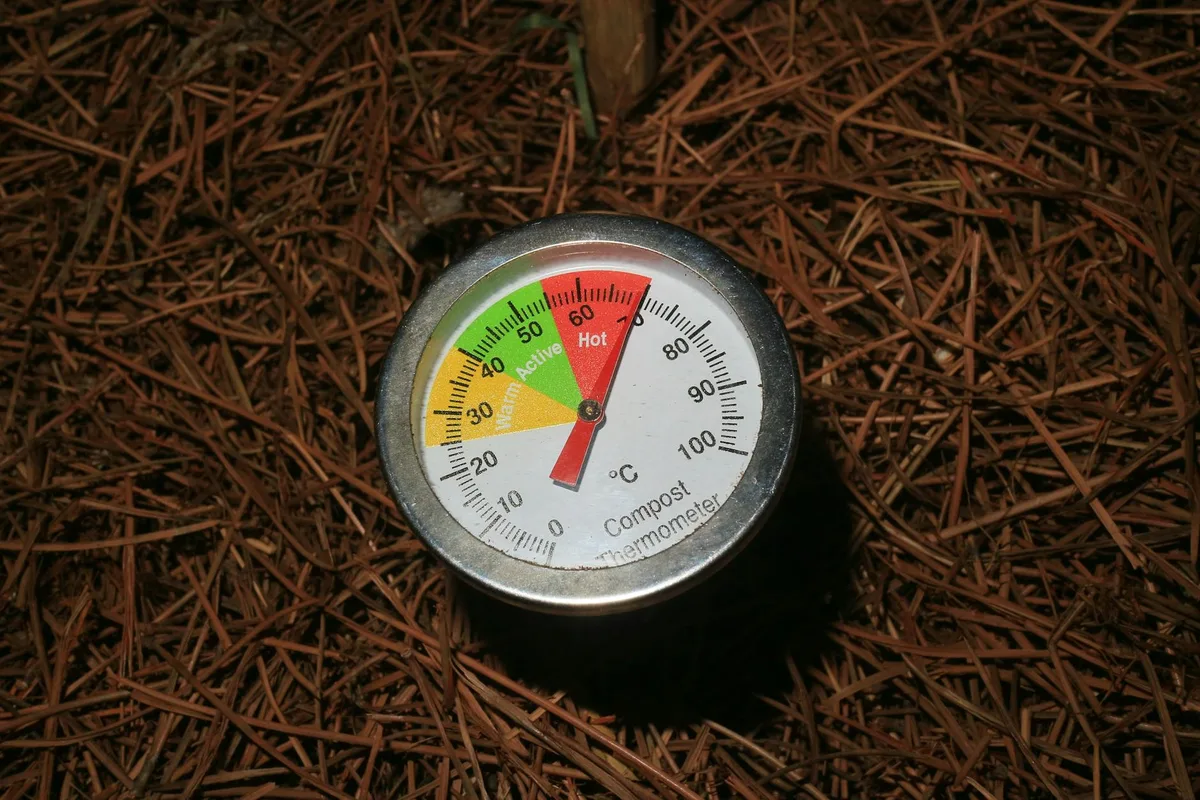
Use a soil thermometer near your lawn’s edge, it’s the most accurate way to confirm readiness. As of 2026, many smart garden sensors also track soil temp in real time.
Matching Herbicide Type to Your Lawn’s Needs
Not all herbicides are equal, and using the wrong kind can damage your grass or miss the dandelions entirely. Selective broadleaf herbicides (like those with 2,4-D or triclopyr) target dandelions without harming grass. Non-selective types (like glyphosate) kill everything, use only for spot treatment.
Choose based on your grass type:
- Cool-season lawns (fescue, bluegrass): Most selective herbicides are safe.
- Warm-season lawns (Bermuda, zoysia): Avoid phenoxy herbicides in summer, they can burn grass.
- Newly seeded lawns: Wait until after the third mowing before spraying.
Always read the label. Manufacturer specifications indicate rainfast times, reseeding intervals, and temperature limits, don’t skip this step.
Step-by-Step: How to Time Your Dandelion Spray Like a Pro
Start by checking your local soil temperature, this isn’t guesswork. Grab an inexpensive soil thermometer or use a smart garden sensor. Stick it 4 inches into the ground in a sunny part of your lawn early in the morning. If it reads below 55°F (13°C), hold off.
Once you hit that threshold, watch for dandelions in the rosette stage: flat, dark green leaves hugging the ground with no flower stalk.
Next, scan the forecast. You need at least 24 dry hours after spraying, some newer formulas claim rainfast in 4 hours, but don’t risk it. Avoid windy days; even a light breeze can drift herbicide onto your petunias or veggie patch. If your lawn was mowed recently, wait two or three days.
Fresh cuts reduce leaf surface area, and herbicides need healthy foliage to absorb properly.
Finally, apply in the late morning. Dew has dried, but the heat of the day hasn’t kicked in yet. This gives the product time to soak in before evaporation steals its punch.
Fall vs. Spring Spraying: Which Is Right for Your Lawn?
Fall wins for most homeowners. Dandelions are packing nutrients into their roots for winter, so systemic herbicides travel deeper and faster. Aggregate reviews from extension services show fall treatments yield 20, 30% better control than spring applications. Plus, cool-season grasses like fescue and bluegrass recover quickly from any minor stress caused by spraying.
Spring can work, but only if you catch the narrow window between soil warming and bolting. Once dandelions send up flower stalks, they’re hardening off for reproduction, not storing energy below ground. If you missed fall and it’s already May, focus on spot-treating young rosettes. Don’t blanket-spray a flowering lawn; you’ll waste product and likely damage your grass during peak growth.

Common Mistakes That Waste Time and Product
Spraying too early tops the list. We’ve seen folks hit dandelions in March when soil’s still at 45°F (7°C), nothing happens except a lighter wallet. Others spray right before a downpour, washing away thousands of droplets before they penetrate.
Another big one: using non-selective herbicide on a full lawn. Glyphosate kills everything green, including your grass. It’s only for spot treatment along sidewalks or in bare patches. And don’t double-dose “just to be sure.” More isn’t better, it increases runoff risk and can burn your turf.
Finally, skipping the label. Every herbicide has a reseeding interval (often 30 days) and temperature limits. Ignoring these voids warranties and invites failure.
Safety Tips and Label Rules You Can’t Ignore
Always wear gloves and eye protection when mixing concentrates, even “safe” formulas can irritate skin or eyes. Mix outdoors or in a well-ventilated shed, never indoors. Keep kids and pets off the lawn until the spray dries completely, usually 4, 6 hours, but check your product’s label.
The EPA requires all herbicide labels to list restricted-entry intervals, pollinator warnings, and water-protection guidelines. If your bottle says “do not apply within 25 feet of a waterbody,” take it seriously. Runoff harms aquatic life and can contaminate wells.
And never pour leftover mix down the drain or on the ground. Triple-rinse containers and dispose of them per local hazardous waste rules. As of 2026, many municipalities offer free pesticide disposal days, check your county’s website.
Regional Timing Guide: Adjusting for Your Climate Zone
Your USDA hardiness zone dictates your spray window more than the calendar does. In Zone 5 (think Chicago or Boston), aim for late September to mid-October in fall, or late May in spring. Soil stays in the sweet spot longer here.
Down in Zone 8 (Atlanta, Dallas), you’ve got a longer fall window, October through November, and can even squeeze in a late winter spray in February if temps cooperate. But avoid January; soil’s too cold.
Coastal areas add another layer. Foggy mornings in Pacific Northwest lawns mean dew lingers, so spray closer to noon. In the Southwest, afternoon heat spikes fast, get out early and finish by 10 a.m.
Use your local extension service’s soil temp maps or a $15 soil thermometer. Calendar dates lie; ground truth doesn’t.
Final Decision Guide: When to Spray Based on Your Situation
If your soil’s above 55°F (13°C) and dandelions are in rosette stage, you’re in the window. Fall is best for most, late September to October in the North, October to November in the South. Spring works only if you catch late May before bolting. Don’t spray if rain’s coming in under 24 hours or wind exceeds 10 mph.
For cool-season lawns, selective herbicides with 2,4-D or triclopyr are safe and effective. Warm-season grasses need gentler formulas, avoid phenoxys in summer heat. Newly seeded lawns? Wait until after the third mowing.
Always read the label for reseeding intervals and temperature limits.
When in doubt, spot-treat. A few dandelions now beat a wasted blanket spray. And if you missed both windows, focus on prevention: thick grass, proper mowing height, and corn gluten meal in early spring to stop seeds before they start.
How to Spot Dandelions vs. Look-Alikes Before You Spray
Not every yellow weed is a dandelion. Cat’s ear (Hypochaeris radicata) looks nearly identical but has hairy leaves and multiple flower stalks. False dandelion (Hypochaeris glabra) has smooth leaves but grows taller. MisID’ing wastes product and harms beneficial plants.
Look closely: true dandelions have smooth, tooth-edged leaves in a flat rosette, one hollow flower stalk per plant, and milky sap when broken. If you see fuzzy leaves or branching stems, you’ve got a cousin, not the real deal. When unsure, snap a photo and run it through your local extension service’s weed ID tool.
Spraying the wrong plant does nothing except expose your lawn to unnecessary chemicals. Take two minutes to confirm, it saves time, money, and frustration.
What to Do If You Sprayed at the Wrong Time
If you sprayed too early and dandelions are laughing at you, don’t panic. Wait for the next active growth phase, usually after a good rain or once soil temps stabilize. Reapply only if leaves are green and unwilted. Never double-dose; it won’t speed things up and can burn your grass.
If rain washed away your treatment within hours, you can reapply after 48 dry hours. Check the label, some products forbid reapplication within 30 days. For heat-stressed lawns (above 85°F/29°C), hold off entirely. Stress plus chemicals equals dead patches.
And if you accidentally hit desirable plants, rinse them immediately with clean water. Most minor drift damage recovers in a week or two if the plant is healthy.
Organic Alternatives: Do They Work on Dandelions?
Vinegar (20% acetic acid) burns leaf tissue but rarely kills roots, expect regrowth. Corn gluten meal prevents seeds from sprouting but does nothing to existing plants. Boiling water works for sidewalk cracks but scorches lawn grass too.
For organic lawns, manual removal is your best bet. Use a dandelion digger to get the full taproot. Do it after rain when soil is soft. Repeat every few weeks until populations drop.
It’s labor-intensive but chemical-free.
If you’re set on organic sprays, look for products with clove oil or citrus extracts. They’re faster than vinegar but still mostly contact killers, meaning you’ll need multiple apps. Manage expectations: organic methods require patience and persistence.
Long-Term Prevention: Keeping Dandelions From Coming Back
Thick, healthy grass is your first defense. Mow high (3, 4 inches) to shade out seedlings. Water deeply but infrequently to encourage deep roots that outcompete weeds. Aerate compacted soil, dandelions love tight, poor-draining ground.
In early spring, apply corn gluten meal before soil hits 55°F (13°C). It stops dandelion seeds from germinating without harming established grass. Reapply every year for best results.
Finally, stay vigilant. Spot-spray new rosettes as soon as you see them. A few minutes each week beats a full-blown invasion later. Remember: prevention costs less than cure, both in money and elbow grease.

