
When is the best time to put down GrubEx? It’s not about the calendar, it’s about biology. GrubEx works by poisoning young larvae as they feed on grass roots, so if you apply it before eggs hatch or after grubs grow too large, you’ve wasted your money and effort. Timing hinges on soil temperature, not the date on your phone.
In our research, manufacturer specifications indicate GrubEx delivers up to 90 days of residual control when applied at the right moment, typically when soil hits 55°F at 4 inches deep. That’s the sweet spot where eggs begin hatching and larvae start munching. Miss that window, and you’re playing catch-up with damage that’s already underway.
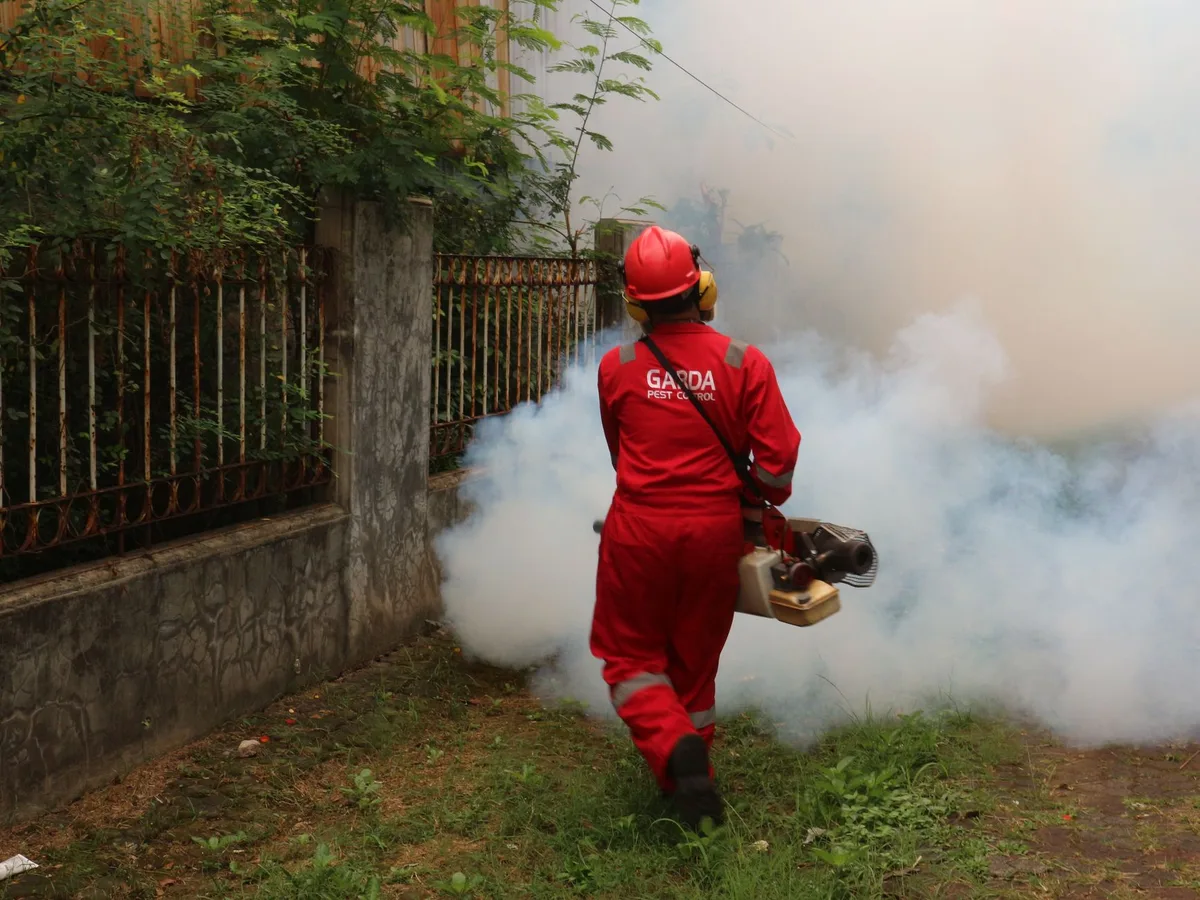
Why Timing Matters for GrubEx
GrubEx isn’t a quick fix, it’s a preventive shield. Unlike rescue treatments that kill visible grubs fast, GrubEx relies on larvae ingesting it while they’re still tiny and actively feeding near the surface. If you wait until you see brown patches or raccoons tearing up your lawn, the damage is done and the grubs are often too big to control effectively.
Think of it like locking your door before a storm hits, not after the windows are broken. The product needs time to move into the root zone and become available to newly hatched larvae. Apply too early, and it breaks down before grubs arrive. Apply too late, and you’re treating a problem that’s already cost you healthy turf.
The Grub Lifecycle and Why It Dictates Your Schedule
Grubs aren’t pests year-round, they’re seasonal invaders with a predictable rhythm. Adult Japanese beetles emerge in early summer, lay eggs in the soil, and those eggs hatch into larvae (grubs) about two weeks later. These young grubs feed aggressively through late summer and early fall before burrowing deeper to overwinter.
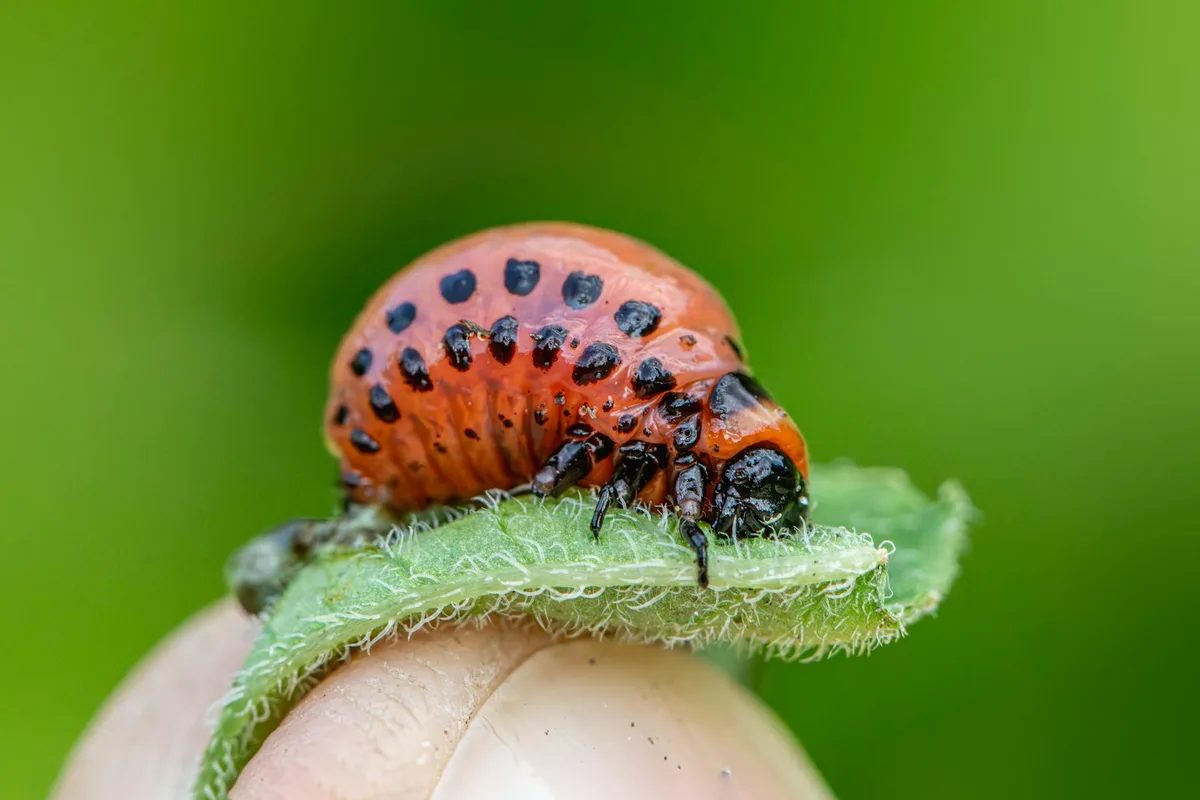
The key stage for GrubEx is the first few weeks after hatching. At this point, larvae are small, close to the surface, and haven’t yet destroyed significant root mass. Once they grow past ½ inch long, they’re much harder to control and can survive standard preventive doses.
Know Your Zone: How Climate Changes Everything
Your local climate determines everything. In northern states like Michigan or Minnesota, grub eggs typically hatch in late June or early July. In the transition zone, think Kansas, Kentucky, or southern Ohio, that can happen as early as mid-May. Southern lawns often see fewer grubs altogether, but masked chafers can still be an issue.
Don’t rely on neighbors’ advice unless they’re in the same county. Even within a single state, microclimates caused by urban heat islands, elevation shifts, or proximity to water can shift hatching by weeks. What works in downtown Chicago might fail in rural northern Illinois.
Soil Temperature: The Real Trigger for Application
Forget the calendar. The only metric that matters is soil temperature at 4 inches deep. Use a soil thermometer (available at garden centers for under $20) or check local extension service data. Grub eggs begin hatching when soils consistently reach 55°F, not air temperature, not surface warmth, but deep soil heat.
Once you hit that 55°F mark, you’ve got a narrow window, usually 2 to 4 weeks, to apply GrubEx. In most northern zones, this lands between late May and mid-June. In warmer areas, it might be April. If your soil hasn’t hit 55°F yet, hold off.
If it’s already climbing toward 70°F and you haven’t applied, you’re likely too late for prevention.
Apply when soils are cool but rising, not during a heat spike. Cold soils slow product activation; hot soils speed degradation. Aim for that Goldilocks zone: consistently 55, 60°F at depth.
Step-by-Step: When and How to Apply GrubEx
Start by mowing your lawn shorter than usual, about 2 inches, so granules reach the soil surface instead of getting caught in thatch. Calibrate your spreader using the setting recommended on the GrubEx bag; most rotary spreaders run between 5 and 7 for a 5,000 sq ft area. Walk at a steady pace, overlapping each pass slightly to avoid streaks.
Water lightly right after application, about ¼ inch, to dissolve granules and move the active ingredient into the root zone. Don’t soak the lawn; heavy watering pulls the chemical deeper than grubs feed. Avoid mowing for 48 hours so the product isn’t disturbed.
If rain is forecast within 24 hours, delay application. GrubEx needs dry time to bind to soil particles. Once activated, it stays effective for up to 90 days, but only if applied correctly.
Signs You’re Too Early or Too Late
Too early? You’ll see no grub damage but also no benefit, GrubEx degrades over time and won’t last until hatch if applied in April in zone 5. Too late? Your lawn shows spongy patches that lift like carpet, birds or skunks digging at night, or more than 5, 10 grubs per square foot when you dig a small test patch.
Check for live grubs by cutting a 1 ft² sod square and peeling it back in late summer. If you find fat, C-shaped larvae longer than ½ inch, prevention has already failed. At that point, switch to a curative treatment like Dylox, not GrubEx.
Another red flag: applying GrubEx after Japanese beetle adults are actively flying and laying eggs in July. By then, larvae are already hatching or growing, too late for prevention.
GrubEx vs. Other Treatments: Prevention vs. Cure
GrubEx is strictly preventive. It won’t knock down established infestations. Compare it to Dylox, which kills visible grubs within 72 hours but offers no residual protection. Use Dylox only when you confirm active damage.
Milky Spore sounds appealing, it’s natural and long-lasting, but it takes 2, 3 years to build effectiveness and works best in specific climates. Imidacloprid, once popular, is now banned in several states due to bee toxicity and poor performance against some grub species.
Beneficial nematodes can help but require precise moisture and temperature conditions to survive. They’re unreliable for most homeowners.
| Treatment | Best For | Speed | Residual Control |
|---|---|---|---|
| GrubEx | Prevention before hatch | Slow | Up to 90 days |
| Dylox | Rescue after damage appears | Fast | None |
| Milky Spore | Long-term biological control | Very slow | Years (if it works) |
| Nematodes | Eco-friendly suppression | Variable | Weeks |
Common Mistakes That Wipe Out Your Effort
Overwatering after application is the top error. GrubEx needs moisture to activate, but more than ½ inch of water pulls chlorantraniliprole below the root zone where grubs don’t feed.
Skipping calibration is another killer. Too little product means no control; too much harms earthworms and doesn’t improve results. Always use the label rate, no “more is better” logic applies.
Applying during drought also fails. Dry soil prevents granule breakdown and limits root uptake. Wait for rain or irrigate lightly before treating.
Finally, don’t expect instant results. GrubEx doesn’t kill adults or eggs, only young larvae. If you don’t see grubs die within days, that’s normal. The real test is whether your lawn stays green through fall.
Who Should (and Shouldn’t) Use GrubEx
GrubEx makes sense if you’ve had grub damage before or live in a high-pressure area like the Midwest or Northeast. It’s ideal for cool-season grasses, Kentucky bluegrass, tall fescue, perennial ryegrass, that dominate northern lawns.
Avoid GrubEx if you’re in the deep South where grubs are rare, or if your lawn is mostly warm-season grass like Bermuda or Zoysia. In those regions, other pests like armyworms or mole crickets are bigger threats.
Also skip it if you’ve already seen significant tunneling or animal digging. You need a curative, not a preventative. And if you’re near a water body, check the label, some formulations restrict use within 20 feet of streams or ponds.
Safety, Label Rules, and Environmental Notes
GrubEx carries low risk to mammals and birds, but it’s not harmless. Chlorantraniliprole is toxic to aquatic life, avoid application within 20 feet of ponds, streams, or storm drains. Never apply to saturated soil where runoff is likely.
The label is law. Always wear gloves and long sleeves during mixing and application. Keep children and pets off the lawn until granules are fully watered in, usually 24 hours. Store unused product in its original container, away from food or feed.
As of 2026, GrubEx remains EPA-registered, but some states restrict use near pollinator habitats. Check your local extension office if you maintain flowering borders or native plant beds nearby.
Final Decision Guide: Your Personalized GrubEx Calendar
If you’re in USDA zone 4, 5 (Minnesota, Wisconsin, upstate New York), target late May to mid-June. Wait for consistent 55°F soil temps at 4 inches deep, don’t guess.
In zone 6 (Ohio, Pennsylvania, northern Virginia), aim for mid-May to early June. Transition zones like Kansas or Kentucky can start as early as late April.
Southern lawns rarely need GrubEx. Focus instead on monitoring for other pests unless you’ve confirmed past grub damage.
When in doubt, test soil temperature for three consecutive days. If it holds at 55°F or above, apply within the week. Missed the window? Skip GrubEx and watch for damage, switch to Dylox only if grubs appear later.
Your best defense isn’t the product, it’s the timing. Get that right, and your lawn stays resilient through fall.

