
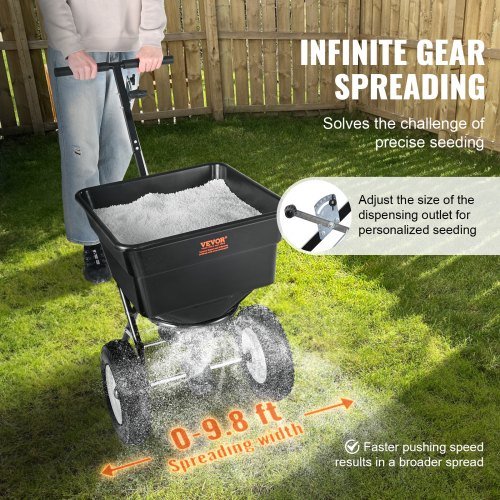
Are you tired of uneven grass or patchy soil in your small yard? Choosing the right spreader can make all the difference in keeping your lawn healthy and beautiful without wasting time or money.
But with so many options out there, how do you know which spreader fits your small yard perfectly? You’ll discover the best types of spreaders designed specifically for small spaces. By the end, you’ll feel confident picking the right tool to make your yard look its absolute best—fast and easy.
Keep reading to find the perfect spreader for your needs!
Choosing Spreaders For Small Yards
Choosing the right spreader helps you keep a small yard healthy and neat. A spreader spreads seeds, fertilizer, or other materials evenly.
Small yards need spreaders that are easy to handle and fit the space well. Picking the best type saves time and effort.
Key Features To Consider
Size matters for small yards. Choose a spreader that holds enough material but is not too big.
Look for spreaders with easy controls and adjustable settings. This helps you apply the right amount of material.
- Compact size for easy storage and use
- Lightweight for easy pushing or carrying
- Adjustable spread width for precise coverage
- Simple controls to avoid mistakes
- Durable materials for long use
Spreader Types Explained
There are three common spreader types: drop, broadcast, and handheld. Each works differently for small yards.
Drop spreaders drop materials straight down. They give precise spreading but cover less area.
- Drop spreaders:Best for small, narrow spaces
- Broadcast spreaders:Spread material wide, faster coverage
- Handheld spreaders:Great for very small areas or spot treatment
For small yards, drop and handheld spreaders often work best. Broadcast spreaders may be too large.

Credit: www.lowes.com
Handheld Spreaders
Handheld spreaders are small tools used to spread seeds, fertilizer, or other materials. They work well in small yards where space is tight.
These spreaders are easy to use and help you control how much material you spread. They are great for precise work in limited areas.
Advantages For Small Spaces
Handheld spreaders are light and easy to carry. You can move around quickly without much effort.
They allow you to spread materials in hard-to-reach spots. This makes them perfect for small yards with plants or decorations.
- Compact size fits small areas well
- Easy to control spread amount
- Simple to store when not in use
- Less waste of seeds or fertilizer
Best Models On The Market
Some handheld spreaders are designed for even spreading and durability. Look for models with adjustable flow controls.
Models with ergonomic handles reduce hand fatigue. Choose one with a good grip for better control.
- Earthway Handheld Spreader – Adjustable settings, sturdy build
- Scotts Hand-Held Spreader – Lightweight, easy to use
- Chapin 20000 Handheld Spreader – Durable and precise
Push Broadcast Spreaders
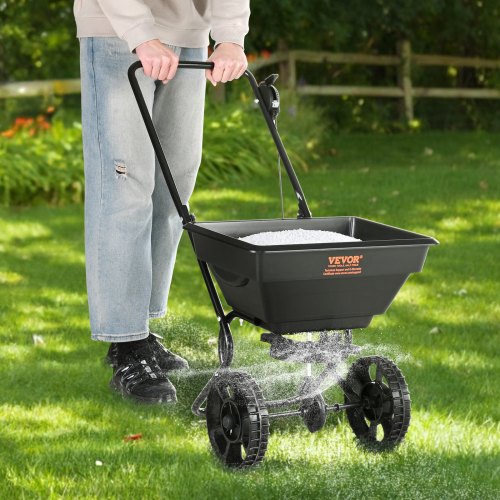
Push broadcast spreaders are simple tools used to spread seeds, fertilizer, or other materials over a lawn.
They work by pushing the spreader across the yard, which makes them easy to control and use in small spaces.
Suitability For Small Yards
Push broadcast spreaders are ideal for small yards because they are lightweight and easy to maneuver.
- They cover a wide area with each pass, saving time.
- Adjustable settings help control the amount of material spread.
- They do not require a power source, so they are quiet and eco-friendly.
- The small size fits well in tight spaces and narrow paths.
Top Recommendations
| Model | Capacity | Best Use |
| Lite Push Spreader | 5 gallons | Grass seed and fertilizer |
| Compact Broadcast Spreader | 7 gallons | Small lawn fertilizer |
| Easy Push Spreader | 6 gallons | Seeds and ice melt |

Credit: www.lowes.com
Drop Spreaders
Drop spreaders deliver fertilizer and seeds directly to the ground. They drop material in a narrow band behind the spreader. This helps reduce waste and keeps your yard clean.
These spreaders work well for small yards because they offer better control. You can spread materials exactly where you want them without covering unwanted areas.
Precision And Control
Drop spreaders provide precise application of lawn products. They drop material evenly and prevent it from blowing away. This precision helps protect plants and walkways nearby.
- Delivers fertilizer directly to soil
- Reduces overspray on sidewalks and driveways
- Allows targeted treatment for problem spots
- Minimizes waste of lawn products
Ideal Choices
Choosing the right drop spreader depends on your yard size and needs. Small to medium spreaders are easy to maneuver in tight spaces. Look for models with adjustable settings for different materials.
| Feature | Benefit |
| Adjustable drop width | Control how much material is spread |
| Easy push design | Reduces effort on small lawns |
| Durable construction | Lasts through multiple seasons |
| Clear calibration markings | Helps set precise application rates |
Factors Affecting Spreader Choice
Choosing the right spreader for small yards is important. Various factors determine the best choice for you.
Understanding these factors helps in making informed decisions. Let’s explore the key elements affecting your choice.
Yard Size And Shape
The size and shape of your yard affect spreader selection. Smaller yards benefit from handheld spreaders.
If your yard has many curves, choose a spreader with good maneuverability. It ensures even distribution.
- Handheld spreaders for small areas
- Wheeled spreaders for larger, open spaces
- Compact spreaders for irregular shapes
Material Types And Usage
Different materials require different spreaders. Fertilizers, seeds, and salt need specific spreader types.
Consider what you will spread most often. This ensures you pick a spreader that meets your needs.
- Fertilizer spreaders for lawn care
- Seed spreaders for planting
- Salt spreaders for winter maintenance
Budget Considerations
Your budget plays a role in choosing a spreader. Prices vary based on features and brand.
Determine how much you are willing to spend. This helps narrow down your options effectively.
| Budget Range | Spreader Type |
| Low | Basic handheld spreaders |
| Medium | Wheeled spreaders with basic features |
| High | Advanced spreaders with multiple settings |
Credit: www.vevor.com
Maintenance And Care Tips
Choosing the right spreader for a small yard helps keep your lawn healthy. Taking care of your spreader makes it last longer. Regular maintenance saves money and prevents problems.
Simple cleaning and storage steps keep your spreader working well. You can also fix common issues with easy troubleshooting tips. Follow these care tips to get the best use from your spreader.
Cleaning And Storage
Clean your spreader after each use to stop dirt build-up. Remove leftover seeds or fertilizer to avoid clogs. Use a brush or cloth to wipe all parts clean.
Store your spreader in a dry place to stop rust and damage. Keep it covered or inside a shed when not in use. Proper storage keeps parts working smoothly for a long time.
- Empty the hopper after every use
- Rinse with water and dry thoroughly
- Check for rust and clean if needed
- Store indoors or under cover
- Keep moving parts free of dirt
Troubleshooting Common Issues
Spreader problems are common but easy to fix. If the spreader stops spreading, check for blockages first. Clean out any stuck material in the hopper or wheels.
If the spreader does not move smoothly, look for debris caught in the wheels or gears. Lubricate moving parts if they feel stiff. Tighten any loose bolts or screws.
- Clear clogs in the hopper or spreader plate
- Remove debris from wheels and gears
- Lubricate parts with light oil
- Tighten loose bolts and screws
- Replace damaged parts if needed
Frequently Asked Questions
What Spreader Type Is Best For Small Yards?
Broadcast spreaders are ideal for small yards. They cover wide areas quickly and evenly. Their compact size fits small spaces. Plus, they are easy to use and store. This makes them perfect for small yard lawn care.
How Do Handheld Spreaders Work For Small Yards?
Handheld spreaders allow precise control over seed or fertilizer distribution. They are lightweight and easy to maneuver. Perfect for small, uneven spaces. Handheld types reduce waste and improve application accuracy. Great for small yards needing detailed care.
Are Drop Spreaders Suitable For Small Yards?
Yes, drop spreaders are excellent for small yards. They deliver materials directly below the spreader. This prevents overspreading and protects plants. Drop spreaders provide precise application and minimal mess. Ideal for small gardens with delicate plants.
What Features Matter In A Small Yard Spreader?
Look for compact size, easy handling, and adjustable flow rates. Lightweight materials enhance maneuverability. A comfortable handle and clear settings improve usability. These features ensure efficient lawn care in small yards. Choose a spreader matching your yard’s specific needs.
Conclusion
Choosing the right spreader makes yard work easier and faster. Small yards need spreaders that are light and easy to control. Handheld or small broadcast spreaders work well in tight spaces. They help spread seeds or fertilizer evenly without waste.
Think about your yard size and what you want to spread. This way, you pick the best tool that fits your needs. A good spreader saves time and keeps your lawn healthy. Simple tools often give the best results.

