
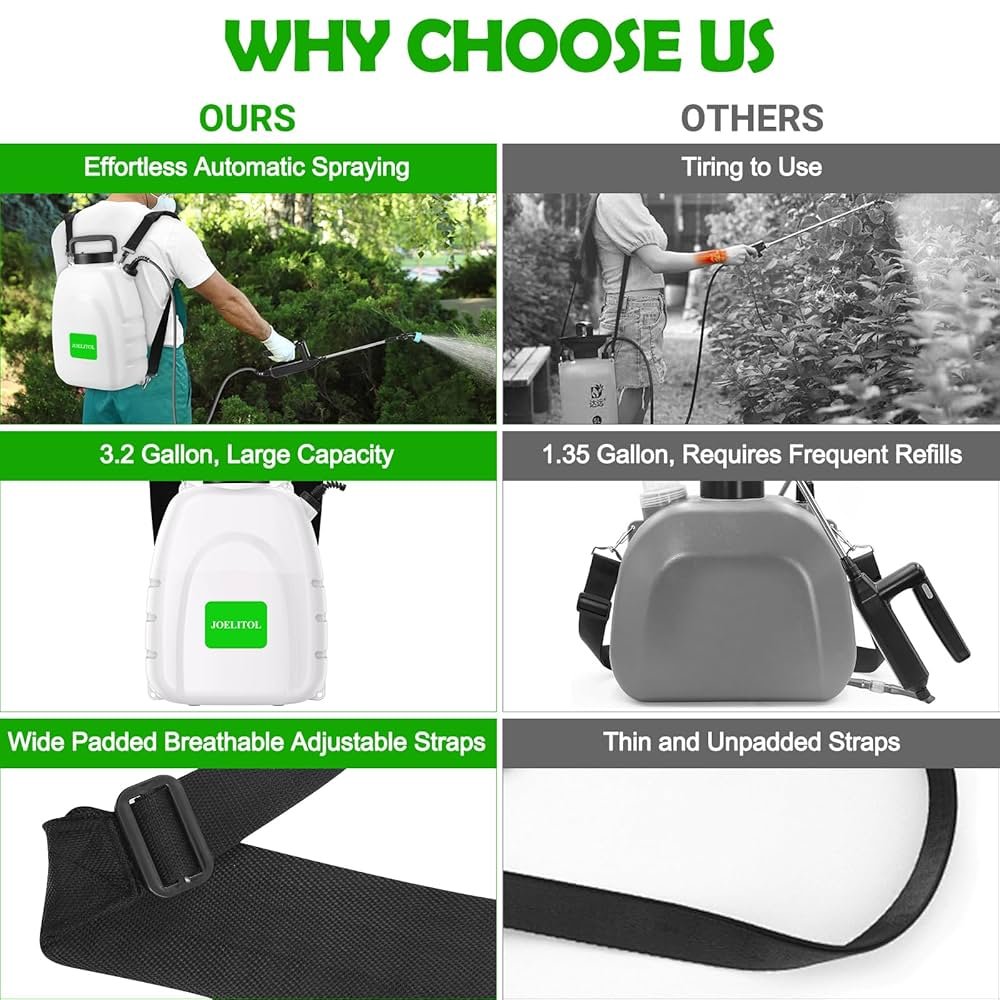
Are you trying to decide between a backpack sprayer and a handheld sprayer but feel overwhelmed by the options? Choosing the right sprayer can make your gardening or cleaning tasks much easier and more efficient.
You might think they do the same job, but the differences can affect how comfortable and effective your work will be. You’ll discover the key differences that matter most, so you can pick the sprayer that fits your needs perfectly.
Keep reading to find out which sprayer will save you time and effort, and make your tasks feel almost effortless.
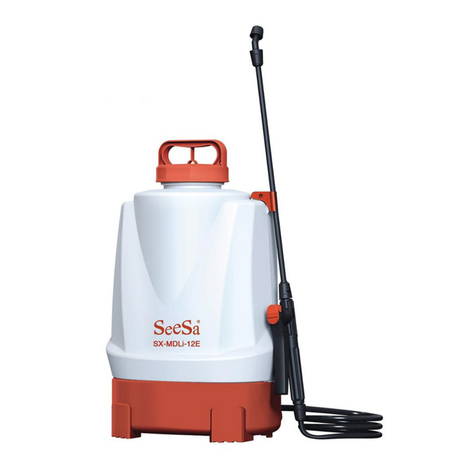
Credit: www.chinasprayer.com
Types Of Sprayers
Sprayers are tools used to apply liquids like water, pesticides, or fertilizers. There are different types of sprayers to fit various tasks.
Backpack and handheld sprayers are common types. They differ in size, use, and features.
Backpack Sprayer Features
Backpack sprayers are carried on the back like a backpack. They hold more liquid than handheld sprayers.
They usually have a pump to create pressure. This helps spray liquid evenly over a large area.
- Large tank capacity, often 3 to 5 gallons
- Straps for easy carrying on the back
- Manual or battery-powered pump
- Long spray wand for wider reach
- Good for big gardens or farms
Handheld Sprayer Features
Handheld sprayers are small and light. You hold them in one hand while spraying.
They are easy to use for quick jobs on small plants or indoor gardening.
- Smaller tank, usually less than 1 gallon
- Lightweight and portable
- Simple pump or trigger mechanism
- Short spray wand for close work
- Best for small areas or spot treatment
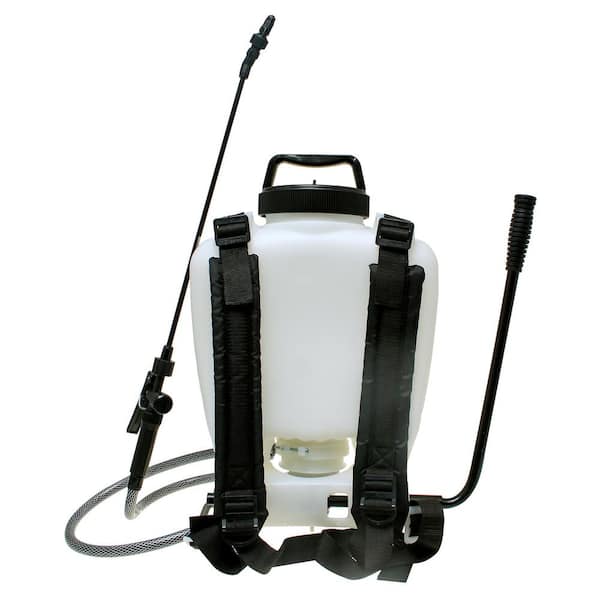
Credit: www.homedepot.com
Design And Portability
Backpack and handheld sprayers differ in design and how easy they are to carry. These differences affect how comfortable and mobile you feel while using them.
Understanding these aspects helps you choose the right sprayer for your tasks.
Weight And Comfort
Backpack sprayers usually weigh more because they hold more liquid. They have padded straps to spread the weight on your back and shoulders. Handheld sprayers are lighter and smaller. They rest in one hand or arm, which can cause tiredness if used for long.
- Backpack Sprayer:Heavier but balanced with shoulder straps.
- Handheld Sprayer:Lighter but held in one hand or arm.
- Comfort:Backpacks reduce strain on arms. Handheld sprayers may cause arm fatigue faster.
Ease Of Movement
| Type | Mobility | Best Use |
| Backpack Sprayer | Good for walking and larger areas | Gardens, farms, and big yards |
| Handheld Sprayer | Easy to carry in tight spaces | Small plants, pots, and quick jobs |
Capacity And Coverage
Backpack and handheld sprayers differ mainly in how much liquid they hold. This affects how much area you can cover without refilling.
Understanding these differences helps you pick the right sprayer for your task.
Tank Size Comparison
Backpack sprayers have larger tanks than handheld sprayers. They let you carry more liquid at once, which means fewer refills.
| Type of Sprayer | Typical Tank Size (Liters) |
| Backpack Sprayer | 12 to 20 |
| Handheld Sprayer | 1 to 5 |
Area Coverage Efficiency
Backpack sprayers cover larger areas faster because of their bigger tanks and longer spraying time. Handheld sprayers suit small jobs and tight spaces.
- Backpack sprayers are best for big gardens and farms.
- Handheld sprayers work well for small gardens and spot treatments.
- Backpack sprayers reduce the need to stop and refill often.
- Handheld sprayers are lighter but require more refills for large areas.
Power And Performance
Backpack and handheld sprayers both help apply liquids like pesticides or fertilizers. They differ in power and performance, which affects how well they work.
Understanding these differences can help you choose the right sprayer for your needs.
Pressure And Spray Distance
Backpack sprayers usually provide higher pressure. This means they spray liquids farther and cover more area quickly.
Handheld sprayers often have lower pressure. They are better for small jobs or tight spaces where long spray distance is not needed.
- Backpack sprayers offer strong, consistent pressure.
- They can spray liquids up to 15-20 feet away.
- Handheld sprayers have less pressure, good for 3-5 feet range.
- Lower spray distance makes handheld sprayers easier to control.
Battery Vs Manual Operation
Backpack sprayers often use batteries to power the pump. This makes spraying easier and faster with less effort.
Handheld sprayers usually work manually. You pump by hand to build pressure, which can be tiring for large jobs.
- Battery-powered backpack sprayers reduce physical work.
- They allow continuous spraying without stopping.
- Manual handheld sprayers are lightweight and simple.
- Manual operation limits spray time and can cause fatigue.
Applications And Suitability
Backpack and handheld sprayers are tools used to apply liquids like water, pesticides, or fertilizers. Each sprayer suits different tasks based on size and ease of use.
Choosing the right sprayer depends on the work area and the amount of liquid you need to spray. Both types have specific uses in gardening, farming, pest control, and cleaning.
Gardening And Agriculture
Backpack sprayers hold more liquid and cover large garden or farm areas. They are good for watering plants and spreading fertilizers over wide spaces.
Handheld sprayers work well for small gardens or precise spraying. They are lighter and easier to use for spot treatments on plants or small patches of soil.
- Backpack sprayers: better for big areas and longer use
- Handheld sprayers: ideal for small spaces and quick jobs
Pest Control And Disinfection
Backpack sprayers are useful in pest control when treating large fields or buildings. They allow continuous spraying without frequent refills.
Handheld sprayers are handy for small pest problems or spot disinfection. They help apply chemicals carefully in tight or indoor spaces.
- Backpack sprayers: good for wide pest control and large disinfection areas
- Handheld sprayers: best for small areas and targeted spraying
Maintenance And Durability
Backpack and handheld sprayers need regular maintenance for long-lasting use. Proper care can extend their lifespan significantly.
Understanding how to maintain and store these sprayers is key to their durability. Let’s look at some important aspects.
Cleaning And Storage
Cleaning sprayers after each use prevents clogs and corrosion. Storage is crucial for keeping them functional over time.
- Rinse the tank and nozzle thoroughly.
- Dry all parts before storing.
- Store in a cool, dry place.
Build Quality And Lifespan
The materials used in sprayers affect their durability. Better build quality often means a longer lifespan.
| Type | Material | Expected Lifespan |
| Backpack Sprayer | Heavy-duty plastic | 5-7 years |
| Handheld Sprayer | Lightweight plastic | 3-5 years |
Cost And Value
Backpack and handheld sprayers are tools for applying liquids. They have different costs and values. Understanding these can help you choose the right one.
Both types of sprayers serve similar purposes but differ in price and usability. Let’s explore the initial investment and long-term expenses.
Initial Investment
The initial investment varies between backpack and handheld sprayers. Backpack sprayers usually cost more at first.
Handheld sprayers are cheaper to buy. They are a good option for small budgets or small jobs.
- Backpack sprayer: Higher initial cost
- Handheld sprayer: Lower initial cost
Long-term Expenses
Long-term expenses include maintenance and repairs. Backpack sprayers might need more upkeep over time.
Handheld sprayers are simpler, which can mean fewer long-term costs. They may need fewer repairs.
| Sprayer Type | Long-term Expense |
| Backpack | Potentially higher |
| Handheld | Potentially lower |

Credit: www.amazon.com
Choosing The Right Sprayer
Selecting between a backpack and a handheld sprayer depends on your specific needs. Each type serves different purposes and suits different users.
Understanding your preferences and environmental effects will help you make the best choice for your spraying tasks.
User Needs And Preferences
Think about how often and how much you need to spray. Backpack sprayers hold more liquid and are good for large areas. Handheld sprayers are lighter and better for small jobs.
- Backpack sprayers carry larger tanks (usually 4 to 6 gallons).
- Handheld sprayers hold less liquid (often 1 to 2 gallons).
- Backpack models require you to carry weight on your back.
- Handheld sprayers are easy to carry but may need refilling more often.
- Backpack sprayers offer wider spray coverage.
- Handheld sprayers provide more control for precise application.
Environmental Considerations
Environmental safety matters when choosing sprayers. Some sprayers reduce chemical waste better than others. Think about the spray pattern and how much drift occurs.
| Sprayer Type | Chemical Use Efficiency | Drift Risk | Best For |
| Backpack Sprayer | High (larger volume, steady flow) | Moderate (wind can affect spray) | Large areas, uniform coverage |
| Handheld Sprayer | Moderate (smaller volume, frequent refills) | Low (closer control) | Small areas, spot treatments |
Frequently Asked Questions
What Are The Main Uses Of Backpack Sprayers?
Backpack sprayers are ideal for large areas like gardens or farms. They allow hands-free spraying, improving efficiency and reducing fatigue during long tasks.
How Does A Handheld Sprayer Differ In Design?
Handheld sprayers are compact and portable. They are designed for small tasks and precise spraying in tight spaces or on individual plants.
Which Sprayer Is Easier To Carry For Long Periods?
Backpack sprayers distribute weight evenly on your back, making them easier to carry longer. Handheld sprayers can cause arm fatigue over extended use.
Are Backpack Sprayers More Powerful Than Handheld Sprayers?
Yes, backpack sprayers often have larger tanks and stronger pumps. They provide continuous spraying suitable for extensive applications, unlike handheld models.
Conclusion
Choosing between a backpack and handheld sprayer depends on your needs. Backpack sprayers hold more liquid and cover large areas fast. Handheld sprayers are light and easy for small jobs. Both tools serve different purposes well. Consider the size of your task and comfort.
This helps pick the right sprayer for you. Proper use saves time and effort. Keep your plants healthy and your work easy. Simple choices lead to better results.

