
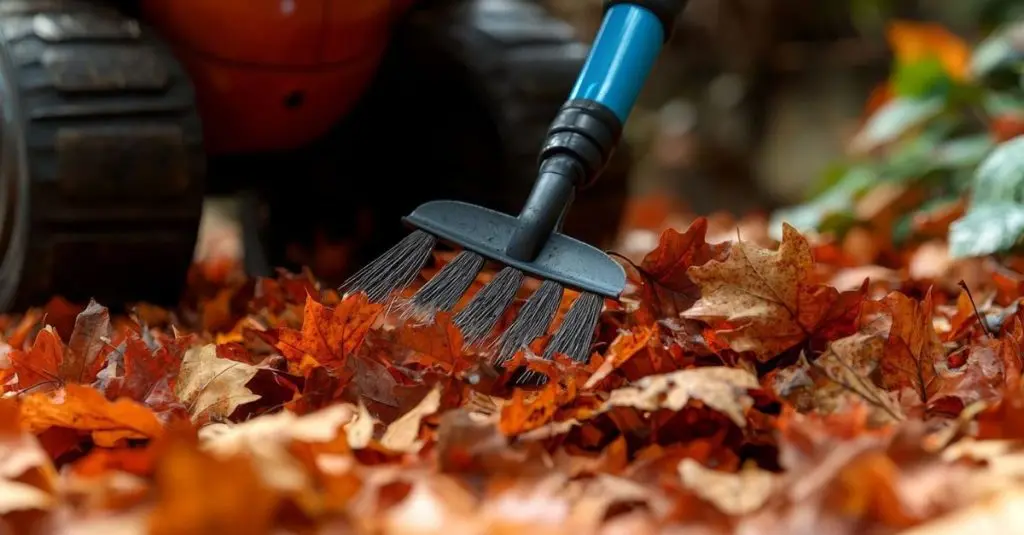
Are you tired of leaves and debris cluttering your yard but unsure whether a lawn sweeper or a leaf blower is the right tool for you? Choosing the best equipment can save you time and effort, but only if you know the key differences between them.
You’ll discover exactly how a lawn sweeper and a leaf blower work, which one suits your lawn care needs, and how to make your outdoor cleanup easier than ever. Keep reading to find the perfect match for your yard and enjoy a cleaner, more beautiful lawn without the hassle.
Credit: www.vevor.com
Lawn Sweeper Basics
A lawn sweeper is a tool used to clean leaves, grass clippings, and small debris from lawns. It helps keep yards tidy without using a blower or rake.
Lawn sweepers are different from leaf blowers because they collect debris instead of blowing it around. They work well for large yards and reduce cleanup time.
Types Of Lawn Sweepers
There are several types of lawn sweepers, each made for different lawn sizes and needs. Choosing the right type helps clean your yard better.
- Push Lawn Sweepers: Small, manual machines pushed by hand. Best for small yards.
- Tow-Behind Lawn Sweepers: Attach to a lawn tractor or ATV. Good for medium to large yards.
- Powered Lawn Sweepers: Use a motor to spin brushes. Work faster with less effort.
How Lawn Sweepers Work
Lawn sweepers have brushes that rotate and sweep debris off the grass. The debris is collected in a hopper or bag attached to the sweeper.
As you push or tow the sweeper, the wheels turn gears that spin the brushes. The brushes pick up leaves and grass clippings and push them into the hopper.
- Wheels turn the brush mechanism
- Rotating brushes sweep debris from the lawn
- Debris moves into a collection hopper or bag
- Empty hopper when full
Benefits Of Using Lawn Sweepers
Lawn sweepers save time and effort compared to raking. They keep your lawn clean and healthy by removing debris quickly.
Using a lawn sweeper also reduces the amount of dust and allergens that blow into the air. They are quiet and easy to use on large lawns.
- Fast cleanup for large yards
- Less physical effort than raking
- Collects debris cleanly in a hopper
- Reduces dust and allergens
- Quiet operation compared to blowers
Leaf Blower Essentials
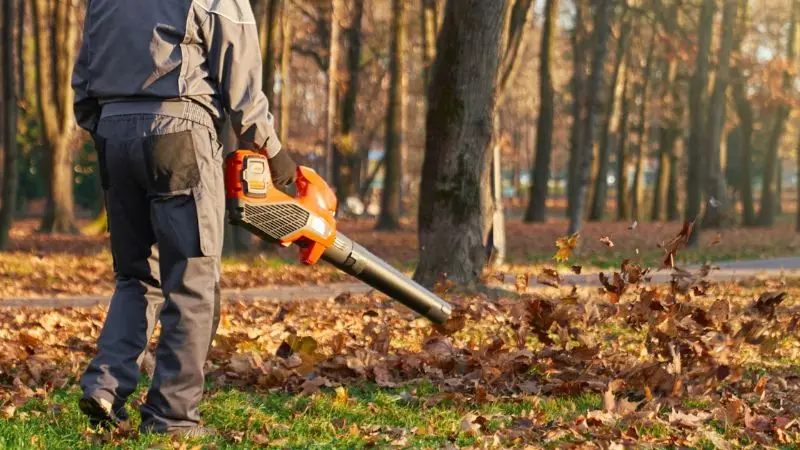
A leaf blower is a gardening tool that uses air to move leaves and debris. It helps clean yards quickly and easily.
Leaf blowers come in different types and have many uses. Understanding them can help you pick the right one.
Varieties Of Leaf Blowers
Leaf blowers come mainly in three types: handheld, backpack, and walk-behind. Each type fits different needs.
- Handheld blowers are light and easy to use for small yards.
- Backpack blowers have more power for bigger areas.
- Walk-behind blowers work like lawn mowers for very large spaces.
Functionality Of Leaf Blowers
Leaf blowers use a motor to push air out at high speed. This air moves leaves and small debris.
Some leaf blowers can also vacuum leaves and mulch them. This helps with easy disposal and yard care.
Advantages Of Leaf Blowers
Leaf blowers save time by clearing leaves faster than raking. They also reduce physical effort.
- Work quickly on large yards
- Reach tight corners and bushes
- Lightweight models are easy to handle
- Some models mulch leaves for easy cleanup
- Reduce strain on your back and arms
Performance Comparison
Lawn sweepers and leaf blowers help keep yards clean. They work differently and suit different tasks.
Comparing their performance helps you pick the right tool for your yard.
Efficiency On Different Surfaces
Lawn sweepers work best on flat, grassy areas. They sweep leaves and debris into a collection bag.
Leaf blowers work well on many surfaces like driveways, decks, and patios. They blow debris away quickly.
- Lawn sweepers are slow on uneven ground or gravel.
- Leaf blowers can reach tight spots and corners easily.
- Sweepers collect debris directly, reducing cleanup time.
- Blowers move debris to piles that need manual collection.
Handling Wet Vs Dry Debris
Lawn sweepers struggle with wet leaves because they stick together. Dry leaves are easier to sweep.
Leaf blowers handle wet and dry leaves better. They can dry wet leaves as they blow.
- Wet debris clogs lawn sweepers and slows work.
- Leaf blowers prevent clogs by moving debris fast.
- Dry debris is easier for both tools to manage.
Noise Levels And Environmental Impact
Lawn sweepers run quietly because they use brushes and wheels. They do not use engines or motors that are loud.
Leaf blowers are louder. Gas-powered blowers create noise and emissions. Electric blowers are quieter and cleaner.
- Lawn sweepers have low noise and no emissions.
- Gas leaf blowers produce noise and air pollution.
- Electric blowers are a quieter, eco-friendlier option.
Cost And Maintenance
A lawn sweeper and a leaf blower help keep your yard clean. Both tools have different costs and care needs. Knowing these differences can save money and time.
We will look at the cost to buy each tool, the work needed to keep them running, and how long they last.
Initial Investment
Lawn sweepers and leaf blowers vary in price. Lawn sweepers tend to be more expensive upfront. Leaf blowers usually cost less.
- Lawn sweepers often cost between $100 and $300.
- Leaf blowers range from $50 to $200, depending on power and type.
- Electric models are generally cheaper than gas-powered ones.
Upkeep And Repairs
Maintenance needs differ for these tools. Lawn sweepers require less frequent care but need cleaning after use. Leaf blowers need more regular upkeep, especially gas models.
| Tool | Common Maintenance | Frequency |
| Lawn Sweeper | Empty hopper, clean brushes, check wheels | After each use |
| Leaf Blower (Electric) | Clean air vents, check battery or cord | Weekly during use |
| Leaf Blower (Gas) | Change oil, clean spark plug, replace air filter | Monthly or after set hours |
Longevity And Durability
Both tools last long with good care. Lawn sweepers have fewer parts that wear out. Leaf blowers, especially gas ones, may need parts replaced over time.
- Lawn sweepers can last 10 years or more.
- Electric leaf blowers last about 5 to 7 years.
- Gas leaf blowers usually last 3 to 5 years.
- Proper maintenance extends tool life for both.
Choosing The Right Tool
Maintaining a clean yard means picking the right tool for your needs. Both lawn sweepers and leaf blowers help with yard cleanup but work differently.
Choosing between them depends on your yard size, type of debris, and how easy you want the tool to be.
Size Of Yard Considerations
For small yards, leaf blowers are often easier to use. They quickly move leaves and debris into piles.
Lawn sweepers work better for medium to large yards. They collect leaves as you push them, saving time on pickup.
- Leaf blowers: Best for yards under 1/4 acre
- Lawn sweepers: Ideal for yards over 1/4 acre
- Sweepers reduce trips to the trash or compost pile
Type Of Debris To Manage
Leaf blowers work well for dry leaves, grass clippings, and small twigs. They can blow debris out of hard-to-reach spots.
Lawn sweepers pick up leaves, pine needles, acorns, and even small stones. They gather debris into a hopper for easy disposal.
| Debris Type | Leaf Blower | Lawn Sweeper |
| Dry leaves | Yes | Yes |
| Wet leaves | Less effective | Yes |
| Grass clippings | Yes | No |
| Small twigs | Yes | Limited |
| Acorns and pine needles | No | Yes |
User Convenience And Safety
Leaf blowers can be noisy and require ear protection. Some models are handheld and light, but others are heavier.
Lawn sweepers require pushing, which needs some physical effort but are usually quieter and safer for pets and kids.
- Leaf blowers: Quick cleanup, loud noise, need ear and eye protection
- Lawn sweepers: Quiet, safer around people and pets, requires pushing
- Consider your physical ability and noise limits in your area
Credit: www.vevor.com
Tips For Effective Yard Cleanup
Cleaning up your yard can be easier with the right tools. Lawn sweepers and leaf blowers help keep your space tidy.
Learn how to use these tools efficiently to maintain a neat and welcoming yard.
Best Practices For Lawn Sweeping
A lawn sweeper collects leaves, grass clippings, and debris. This tool saves time and effort compared to raking.
- Adjust the brush height to match the grass level.
- Use the sweeper when the grass is dry for better results.
- Empty the collection bag frequently to avoid overload.
Maximizing Leaf Blower Use
Leaf blowers are effective for moving leaves into piles. They also help clear debris from driveways and patios.
| Leaf Blower Type | Best Use |
| Electric | Small areas |
| Gas | Large yards |
| Battery | Medium spaces |
Combining Both Tools Efficiently
Using both a lawn sweeper and a leaf blower can make yard cleanup even more efficient. Start with the leaf blower, then finish with the lawn sweeper.
Begin with the leaf blower to gather leaves into a pile, then use the lawn sweeper to pick them up. This method reduces time spent collecting debris.
Credit: www.vevor.com
Frequently Asked Questions
What Is The Main Function Of A Lawn Sweeper?
A lawn sweeper collects leaves, grass clippings, and debris from lawns efficiently. It uses rotating brushes to sweep materials into a collection bag, making yard cleanup easier and faster.
How Does A Leaf Blower Differ From A Lawn Sweeper?
A leaf blower uses air to move leaves and debris, while a lawn sweeper physically collects them. Leaf blowers are best for moving debris, and lawn sweepers are ideal for gathering it.
Can A Lawn Sweeper Replace A Leaf Blower?
No, a lawn sweeper cannot replace a leaf blower. They serve different purposes; sweepers collect debris, while blowers move debris to desired locations.
Which Tool Is Better For Large Yards, Leaf Blower Or Lawn Sweeper?
For large yards, a leaf blower is better for quick clearing. A lawn sweeper is helpful for collecting debris but may require more effort.
Conclusion
A lawn sweeper collects leaves and debris quickly and neatly. A leaf blower moves leaves by pushing air. Each tool fits different yard tasks and sizes. Choose the tool that saves your time and effort best. Understanding their differences helps keep your lawn clean.
Both tools make yard work easier in their own way. Think about your yard’s needs before buying one. Simple tools can make a big difference in lawn care.

