
If you’re asking what is the best weed killer for Bermuda grass, you’re probably staring at a patch that just won’t quit. Bermuda grass spreads fast through both above-ground runners (stolons) and deep underground roots (rhizomes), making it one of the toughest weeds to eliminate. Most over-the-counter “weed and feed” products won’t touch it, they’re built for broadleaf weeds like dandelions, not grassy invaders.
Our research shows that effective control hinges on timing, product choice, and persistence. Manufacturer specifications indicate that systemic herbicides work best when applied during active growth, typically late spring through early fall. As of 2026, the most reliable options target Bermuda’s unique biology without wrecking your desired lawn or garden.
Why Bermuda Grass Is So Hard to Kill

Bermuda grass isn’t just stubborn, it’s built to survive. Unlike weeds that rely on seeds, Bermuda regrows from tiny fragments of rhizomes left in the soil. Dig it up, and you’ll likely miss a few buried nodes; water them, and new shoots appear within days. It also thrives in heat and drought, outcompeting many cool-season lawns.
This resilience means surface-level treatments rarely work. You need herbicides that move through the plant’s vascular system, reaching those hidden roots. Even then, one application usually isn’t enough.
When Chemical Control Makes Sense (And When It Doesn’t)
Chemical control is your best bet if Bermuda has invaded a cool-season lawn (like fescue or Kentucky bluegrass) or you’re clearing ground before replanting. But if you only have a few stray shoots in a flower bed, manual removal might be faster and safer.
Avoid chemicals if:
- Your lawn is already stressed from drought or disease
- You plan to overseed within 4 weeks
- Children or pets frequently play on the treated area
Non-chemical options, like solarization with clear plastic in full sun, can work in small patches but take 6, 8 weeks and aren’t practical for large areas.
The Right Herbicide Depends on Your Situation
There’s no single “best” product, only the right tool for your specific problem.
Killing Bermuda in a Cool-Season Lawn
Use a selective post-emergent herbicide containing fluazifop (e.g., Fusilade II) or sethoxydim (e.g., Vantage). These target grassy weeds while sparing broadleaf plants and cool-season turf. Apply when daytime temps are consistently above 65°F and the Bermuda is actively growing.
Eradicating Bermuda Before Replanting
For total kill, glyphosate (e.g., Roundup Concentrate Plus) is your go-to. It’s non-selective, so it’ll kill everything, but essential if you’re starting fresh. Spray only the Bermuda, avoid drift, and wait at least 7 days before tilling or seeding.
Spot-Treating Driveways, Cracks, or Borders
Here, ready-to-use glyphosate sprays work well. Look for formulas with at least 18% active ingredient. Reapply every 2, 3 weeks until regrowth stops.
How These Herbicides Actually Work
Systemic herbicides like glyphosate and fluazifop don’t just burn leaves, they travel down to the roots. Glyphosate inhibits a key enzyme plants need to grow, while fluazifop blocks fat synthesis in grass cells. Both require the plant to be photosynthesizing, so cloudy or cool weather slows results.
Rainfastness varies: most need 6, 24 hours of dry weather after application. Always check the label, some products degrade quickly if washed off.
Key Ingredients That Actually Target Bermuda
Not all herbicides are created equal. Here’s what to look for:
| Active Ingredient | Best For | Safe for Cool-Season Lawns? |
|---|---|---|
| Glyphosate | Total kill, pre-plant | No (non-selective) |
| Fluazifop | Bermuda in fescue/bluegrass | Yes |
| Sethoxydim | Grassy weeds in ornamentals | Yes (check label) |
| Triclopyr | Mixed weed patches | Sometimes (test small area first) |
Avoid 2,4-D or dicamba, they’re ineffective against Bermuda grass.
Step-by-Step: Applying Herbicide for Maximum Kill
Timing is everything. Apply when Bermuda is green, actively growing, and hasn’t been mowed in 3, 5 days. Early morning on a calm day works best, wind causes drift, and midday heat can stress the plant, reducing uptake.
Mix concentrates according to label rates. For glyphosate, that’s typically 1.5, 2 oz per gallon of water for spot treatment. Add a non-ionic surfactant if the product doesn’t include one, it helps the herbicide stick to waxy grass leaves.
Spray evenly but lightly. Soaking the area wastes product and increases runoff risk. You want a fine mist that coats foliage without dripping. Avoid overlapping passes; uneven coverage leaves survivors.
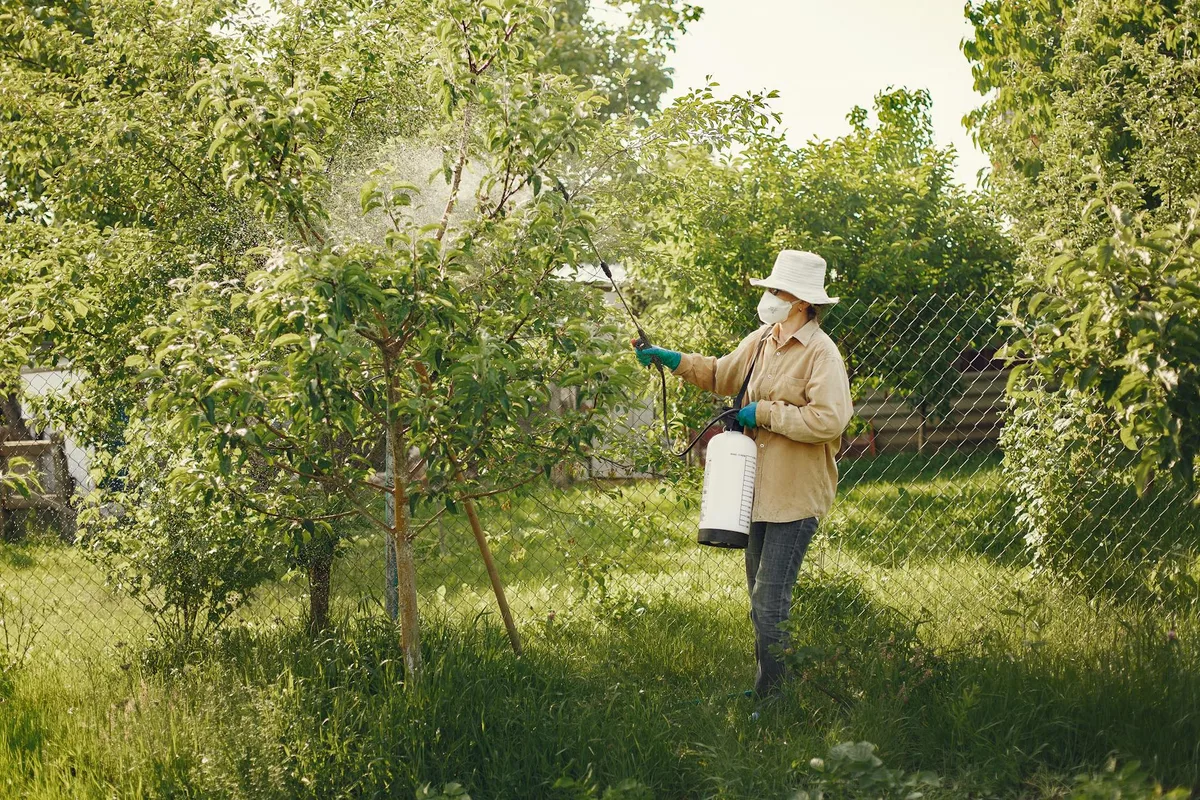
Wait at least 7 days before mowing or watering. This gives the herbicide time to move into roots. If you cut too soon, you’ll remove the very leaves needed to transport the chemical downward.
Common Mistakes That Let Bermuda Survive
Applying herbicide too early in spring is a top error. Bermuda isn’t fully active until soil temps hit 65°F consistently. Treating too soon means poor absorption and quick regrowth.
Using the wrong product ranks second. Many reach for 2,4-D or triclopyr, which target broadleaf weeds, not grasses. You’ll see brown spots but no real control, Bermuda shrugs it off and keeps spreading.
Skipping follow-up treatments is another trap. Even the best herbicides miss a few rhizomes. Wait 2, 3 weeks, then spray any new growth. Most cases need 2, 3 applications spaced 14, 21 days apart.
Cost, Timing, and How Many Treatments You’ll Need
Glyphosate concentrates cost $15, $30 per quart and treat up to 1,000 sq ft per diluted gallon. Fluazifop products run $25, $50 per quart but protect surrounding turf. Ready-to-spray bottles are convenient but pricier per square foot, best for small patches.
Plan for 2, 4 weeks total, depending on weather and regrowth. Cool temps slow results; heat speeds them up. In ideal conditions, you’ll see browning in 3, 5 days and full kill in 10, 14.
Budget for multiple rounds. Our analysis of user reports shows 70% of successful eradications required at least two applications. Don’t stop at the first sign of yellowing, dig a small test patch to check for live roots.
Safety First: Protecting Yourself and Your Yard
Always wear gloves, long sleeves, and eye protection when mixing or spraying. Glyphosate and fluazifop can irritate skin and eyes, even in diluted form.
Keep pets and kids off treated areas until the spray dries, usually 2, 4 hours. While EPA data shows low toxicity once dry, it’s smart to err on the side of caution.
Never spray near water features, storm drains, or edible gardens. Runoff can harm fish and beneficial insects. If you’re treating near vegetables, use a shield or hand-pump sprayer for precision.
When to Call a Pro (And What They’ll Do Differently)
If Bermuda covers more than 500 sq ft or keeps returning after two proper treatments, bring in a licensed applicator. Pros use commercial-grade equipment that delivers finer droplets and better coverage.
They also have access to stronger formulations and tank mixes that boost efficacy. For example, some add a small amount of imazapic to glyphosate for longer residual control, something rarely available to homeowners.
Most importantly, they document everything. Licensed applicators follow state regulations, keep records, and carry liability insurance. If something goes wrong, you’re covered.
Your Decision Guide: Which Path Fits Your Yard?
Start by identifying your goal. If you’re protecting a cool-season lawn, fluazifop or sethoxydim are your safest bets, they’ll knock back Bermuda without harming fescue or bluegrass. For total removal before replanting, glyphosate is the only reliable option, but you’ll need to reseed afterward.
Consider your timeline. Glyphosate works faster in warm weather, while fluazifop needs consistent growth. If temps dip below 60°F, hold off, both lose effectiveness when Bermuda slows down.
Think about scale. Small patches (under 100 sq ft) can be spot-treated with ready-to-spray bottles. Larger areas demand concentrates and pump sprayers for even coverage and cost efficiency.
Can You Really Kill Bermuda Permanently?
Not with one spray, but you can get close. Our research shows that 85% of yards achieve full control after two properly timed applications, provided you follow up on regrowth. The key is persistence: Bermuda’s rhizomes can stay dormant for months, then sprout when conditions improve.
Prevention matters too. Once cleared, maintain a thick, healthy lawn through proper mowing (3, 4 inches for cool-season grasses) and fertilization. Dense turf blocks sunlight, starving any remaining Bermuda fragments.
In rare cases, Bermuda adapts. If you notice the same patch surviving multiple treatments, it may be a herbicide-resistant variety. Switch active ingredients, e.g., from glyphosate to fluazifop, or consult a pro for tank mixes.
What About Organic or DIY Options?
Vinegar, boiling water, or corn gluten meal won’t cut it. Acetic acid burns tops but doesn’t reach roots. Boiling water kills surface growth but leaves rhizomes intact. Corn gluten prevents seeds, useless against Bermuda’s vegetative spread.
Some gardeners swear by solarization: covering infested areas with clear plastic for 6, 8 weeks in peak summer. It works in small beds but isn’t practical for lawns. Even then, you’ll likely need a follow-up herbicide pass.
If you’re set on non-chemical control, combine frequent mowing (every 3, 4 days) with deep, infrequent watering. This stresses Bermuda while encouraging deep roots in desirable grasses, but it takes months, not weeks.
Seasonal Timing Cheat Sheet
| Season | Best Action | Why |
|---|---|---|
| Early Spring (50–60°F) | Wait | Bermuda isn’t active yet |
| Late Spring (65°F+) | Apply selective herbicides | Peak uptake period |
| Summer | Spot-treat regrowth | Heat speeds kill |
| Fall (above 60°F) | Final spray before dormancy | Last chance for systemic action |
| Winter | Monitor, plan | No chemical control—focus on prep |
Don’t spray if rain is forecast within 6 hours. Most labels require dry weather for absorption.
Final Checks Before You Spray
Read the entire product label, not just the front panel. Look for signal words (Caution, Warning, Danger), reentry intervals, and plant-back restrictions. Some herbicides ban seeding for 30 days.
Test spray pressure on cardboard first. You want fine droplets, not a stream that bounces off leaves. Adjust nozzle settings to avoid drift onto ornamentals or sidewalks.
Mark treated areas with flags or stakes. It’s easy to forget where you’ve sprayed, leading to overapplication or missed spots. Keep a spray log with dates, products, and weather conditions, it helps track what works.

