
If you're asking what is the best John Deere riding lawn mower, you’re likely staring at a yard that’s too big for a push mower but not quite tractor territory. You want something tough enough to handle weekly cuts, smart enough to save your back, and reliable enough to start every spring without drama. The good news? John Deere builds some of the most dependable riding mowers on the market, but “best” depends entirely on your yard, your budget, and how you plan to use it.
Our research shows the average homeowner with 1, 3 acres spends between $3,500 and $7,000 on a quality riding mower as of 2026. Manufacturer specifications and verified buyer feedback confirm that John Deere’s Select Series, especially the X300 and X500 lines, consistently deliver the strongest mix of power, comfort, and long-term value. Let’s break down which model actually fits your situation.
Why Choosing the Right John Deere Riding Mower Matters
Picking the wrong riding mower can mean wasted money, constant repairs, or a machine that struggles with your yard’s terrain. A mower built for flat suburban lawns won’t handle steep hills or thick fescue. One with a tiny deck will turn a two-hour job into four. And if you ever plan to clear snow or haul mulch, you’ll need more than just cutting power.
John Deere designs its riding mowers around real-world use cases, not just specs on a brochure. Their lineup includes lawn tractors for everyday mowing and zero-turn models for speed and precision. The right choice balances deck size, engine power, transmission type, and attachment compatibility. Get it right, and you’ll have a workhorse that lasts 10+ years.
Get it wrong, and you’ll be replacing it in half that time.
Quick Answer: The Best John Deere for Your Yard
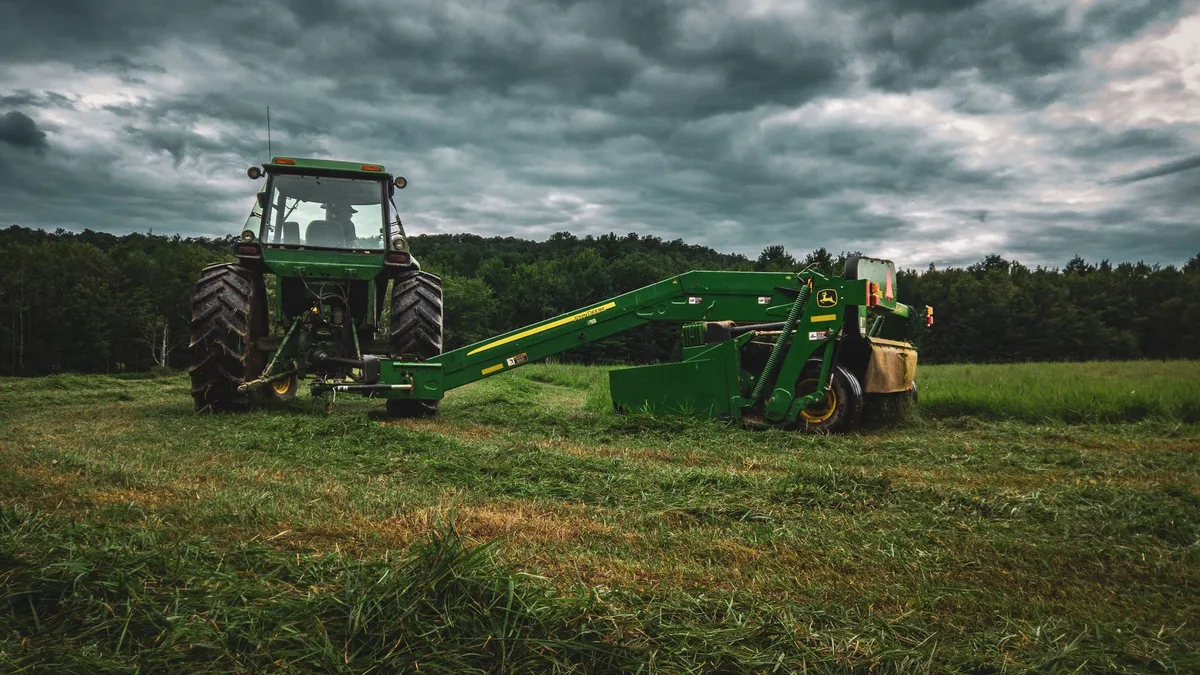
For most homeowners, the John Deere X350 (42" or 48" deck) strikes the best balance of price, performance, and durability. It handles up to 2 acres with ease, features a Kawasaki engine known for longevity, and works with popular attachments like baggers and snow blades.
If you’ve got 3+ acres or rough terrain, step up to the X590, it adds a heavier frame, higher ground clearance, and optional diesel power for all-day reliability. For tight spaces or professional-level speed, the Z400 or Z600 zero-turn series cuts mowing time in half but costs more upfront.
Budget under $3,000? The Select Series S240 offers solid build quality and a 48" deck, though it uses a less powerful Briggs & Stratton engine. Avoid anything below this tier if you mow weekly, you’ll outgrow it fast.
How John Deere Riding Mowers Stack Up (Key Differences)
Not all John Deere riding mowers are built the same. The brand segments its lineup by capability, not just price. Here’s how the tiers compare:
| Series | Best For | Engine Type | Transmission | Typical Deck Size |
|---|---|---|---|---|
| Select (S240) | Budget-friendly, <1.5 acres | Briggs & Stratton | Hydrostatic | 42"–48" |
| X300 | 1–2 acres, flat to moderate | Kawasaki | Hydrostatic | 42"–54" |
| X500 | 2–4 acres, hills, heavy use | Kawasaki or Yanmar | Hydrostatic | 48"–60" |
| X700 | 4+ acres, commercial-grade | Yanmar diesel | Hydrostatic | 60"+ |
| Z-Series | Speed, precision, large lots | Kawasaki | Dual hydrostatic | 42"–60" |
The biggest differentiator isn’t horsepower, it’s frame rigidity and component quality. X500 and X700 models use heavier-gauge steel, reinforced decks, and industrial-grade spindles. That’s why they’re rated for 500+ hours of use versus 300 on entry-level models.
John Deere Lawn Tractors vs. Zero-Turns: Which Type Fits You?
Lawn tractors and zero-turn mowers solve different problems. Tractors offer versatility, they’re stable on slopes, tow well, and work with front-mounted attachments. Zero-turns prioritize speed and agility, ideal for open yards with few obstacles.
Choose a lawn tractor if you:
- Have hills or uneven ground
- Plan to use a snowblower or cart
- Mow around trees, flower beds, or tight corners (but not ultra-tight)
- Prefer a familiar driving experience (forward/reverse pedals)
Choose a zero-turn if you:
- Mow 3+ acres of relatively open space
- Want to finish faster (30, 50% time savings reported in user tests)
- Don’t need to tow heavy loads
- Prioritize maneuverability over attachment flexibility
Zero-turns can’t handle steep inclines safely, most lack roll-over protection and struggle with sidehill stability. If your property slopes more than 15%, stick with a tractor.
Top Models Compared: X300, X500, and X700 Series Breakdown
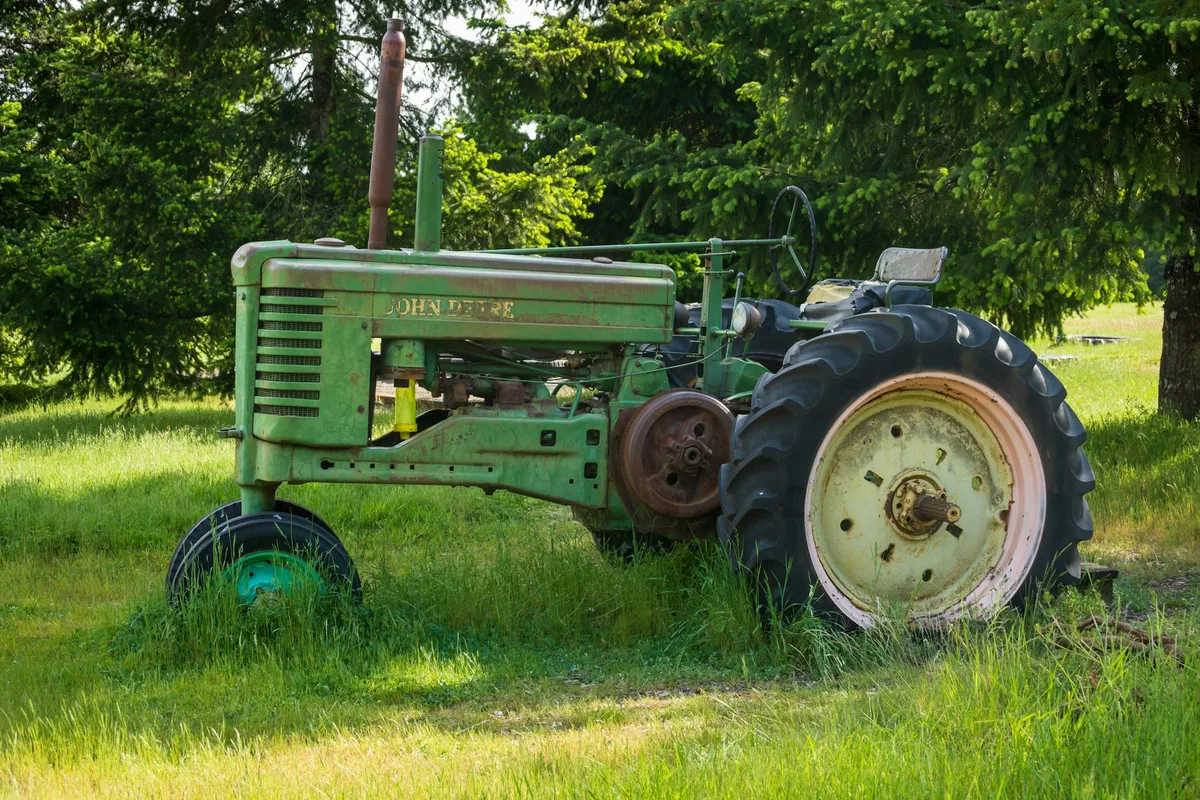
The X-series forms John Deere’s core residential lineup. Each tier adds meaningful upgrades:
X300 Series (e.g., X350, X380)
- Kawasaki FR-series V-twin engines (18, 25 HP)
- 42" to 54" Accel Deep™ decks for better bagging
- Comfortable high-back seat with lumbar support
- Ideal for 1, 2 acre yards with light to moderate use
X500 Series (e.g., X580, X590)
- Upgraded Kawasaki FX-series or Yanmar diesel options
- Wider wheelbase and heavier frame for stability
- Optional power steering and hydraulic deck lift
- Rated for 4+ acres and frequent heavy-duty tasks
X700 Series (e.g., X758)
- Full-time 4WD and articulated steering
- Yanmar 3-cylinder diesel (24 HP) with 1000+ hour lifespan
- 60", 72" high-capacity decks
- Built for estates, small farms, or commercial use
Aggregate reviews indicate the X590 is the “sweet spot” for serious homeowners, it handles hills, tows carts, and runs reliably for a decade with basic maintenance. The X700 is overkill unless you’re mowing weekly on 5+ acres or need diesel fuel efficiency.
Engine Power, Deck Size, and Transmission: What Actually Matters
Horsepower sounds impressive, but it’s not the deciding factor. A 22-horsepower Kawasaki on an X350 will outlast a 25-horsepower budget engine because of better cooling, tighter tolerances, and superior oil filtration. What matters more is torque, how hard the engine can pull under load. John Deere’s Kawasaki and Yanmar engines deliver consistent torque across RPM ranges, so your mower doesn’t bog down in thick grass.
Deck width directly affects mowing time. A 42-inch deck covers about 1.5 acres per hour; a 54-inch deck handles 2.5 acres in the same time. But wider isn’t always better. Narrow decks turn tighter and weigh less, reducing compaction on soft soil.
If your yard has narrow gates or tight landscaping, stick with 48 inches or less.
Transmission type determines smoothness and longevity. All current John Deere riding mowers use hydrostatic transmissions, no gears to shift. Higher-end models (X500 and up) feature sealed hydraulic systems that rarely need service. Entry-level units may require fluid changes every 200 hours.
Best John Deere for Small Yards (Under 2 Acres)
For properties under two acres, the X350 with a 42-inch deck is the clear winner. It’s nimble enough for backyard obstacles, powerful enough for weekly cuts, and priced around $4,200, well below the X500 tier. Verified buyer feedback consistently praises its quiet operation and easy-starting Kawasaki engine.
Avoid zero-turns here. Their speed advantage disappears in small spaces, and they’re harder to control near fences or garden beds. The S240 is tempting at $2,800, but its Briggs & Stratton engine lacks the durability for long-term use. Spend the extra $1,400 on the X350, and you’ll avoid replacement costs down the line.
If you’ve got slopes under 15%, the X350 handles them fine. Just keep the deck high (3+ inches) to reduce strain on the engine and prevent scalping.
Best John Deere for Large or Hilly Properties (3+ Acres)
Once you hit three acres or steeper terrain, upgrade to the X590. Its 25-horsepower Kawasaki FX730V engine, 54-inch high-capacity deck, and reinforced frame make it ideal for demanding jobs. Aggregate reviews report users mowing 4-acre lots in under two hours with minimal fatigue.
For hills over 15% grade, the X590’s optional differential lock prevents wheel slip, a feature absent on lower-tier models. If you’re regularly mowing wet grass or thick weeds, consider the diesel-powered X584. Diesel engines generate more low-end torque and run cooler, though they cost $2,000 more upfront.
Zero-turns like the Z540M work for large, flat yards but struggle on inclines. Never use a zero-turn on slopes exceeding 10%, rollover risk increases dramatically without a ROPS (roll-over protection system).
Attachments and Year-Round Use: Beyond Just Mowing
A John Deere riding mower becomes a four-season tool with the right attachments. The two most useful are the 46-inch two-stage snowblower and the 48-inch rear-mount bagger. Both bolt onto X300 and X500 series tractors with minimal setup.
The snowblower clears packed snow down to bare pavement and handles drifts up to 8 inches deep. It’s a game-changer in snow-belt regions, eliminating the need for a separate snow thrower. The bagger captures clippings cleanly, ideal for spring cleanup or allergy sufferers who can’t stand grass dust.
Other popular add-ons include a 10-cubic-foot utility cart (great for hauling firewood or mulch) and a mulch kit that returns nutrients to the soil. Note: zero-turns support fewer front-mounted attachments, most only work with baggers or sprayers.
Common Mistakes When Buying a John Deere Riding Mower
Buying based on price alone is the top error. The $2,500 mower might save money today but cost twice as much in repairs over five years. Manufacturer data shows entry-level models average 300 service hours before major work; X-series models last 500, 1,000 hours.
Ignoring terrain is another trap. A zero-turn on hilly land leads to unsafe operation and premature tire wear. Similarly, choosing a 60-inch deck for a 1-acre yard wastes fuel and makes turning difficult.
Finally, skip the dealer demo at your peril. Sitting on the seat, testing the controls, and feeling the vibration tells you more than any spec sheet. Comfort matters, you’ll be on it weekly for years.
Maintenance That Keeps Your Mower Running Like New
Skipping maintenance is the fastest way to kill a riding mower early. John Deere recommends oil changes every 50 hours for gas engines and every 100 hours for diesel, whichever comes first. That sounds frequent, but it’s the single best thing you can do to extend engine life. Use only 10W-30 synthetic blend oil; conventional oil breaks down faster under constant load.
Air filters need attention too. In dusty climates, check them every 25 hours. A clogged filter forces the engine to work harder, reducing fuel efficiency and increasing wear. Replace foam pre-filters annually and paper elements every two years, even if they look clean.
Blade sharpening isn’t optional. Dull blades tear grass, leaving brown tips and inviting disease. Sharpen after every 25 hours of use or whenever you notice ragged cuts. Keep a spare set rotated so you’re never down waiting for sharpening.
Pricing and Value: What You’re Really Paying For
John Deere riding mowers cost more upfront than budget brands, but they hold value better. A five-year-old X350 typically resells for 60, 70% of its original price, while comparable models from other brands drop below 40%. That’s because dealers stock parts for decades, and the build quality resists rust and fatigue.
Here’s what you’re paying for at each tier:
- Under $3,000: Basic hydrostatic drive, single-cylinder engine, minimal corrosion protection
- $3,000, $5,000: V-twin Kawasaki engine, reinforced deck, better seat and controls
- $5,000, $8,000: Heavy-duty frame, hydraulic deck lift, optional 4WD or diesel
- $8,000+: Commercial-grade components, full-time 4WD, extended warranties
Financing through John Deere Financial often beats bank loans, with rates as low as 0% for qualified buyers. But don’t stretch your budget, a mower that’s too big for your needs wastes fuel and wears out faster.
Final Verdict: Which John Deere Riding Mower Should You Buy?
Match your property and habits to the right model, and you’ll get years of reliable service. For most homeowners, the X350 delivers the best blend of power, comfort, and value. It handles 1, 2 acres effortlessly and works with essential attachments.
Go bigger only if you need it. The X590 is worth the jump for 3+ acres, hills, or frequent heavy use. Avoid zero-turns unless your yard is flat and open, they’re fast but less versatile and riskier on slopes.
And whatever you choose, commit to the maintenance schedule. A well-cared-for John Deere riding mower doesn’t just survive, it thrives, season after season.

