
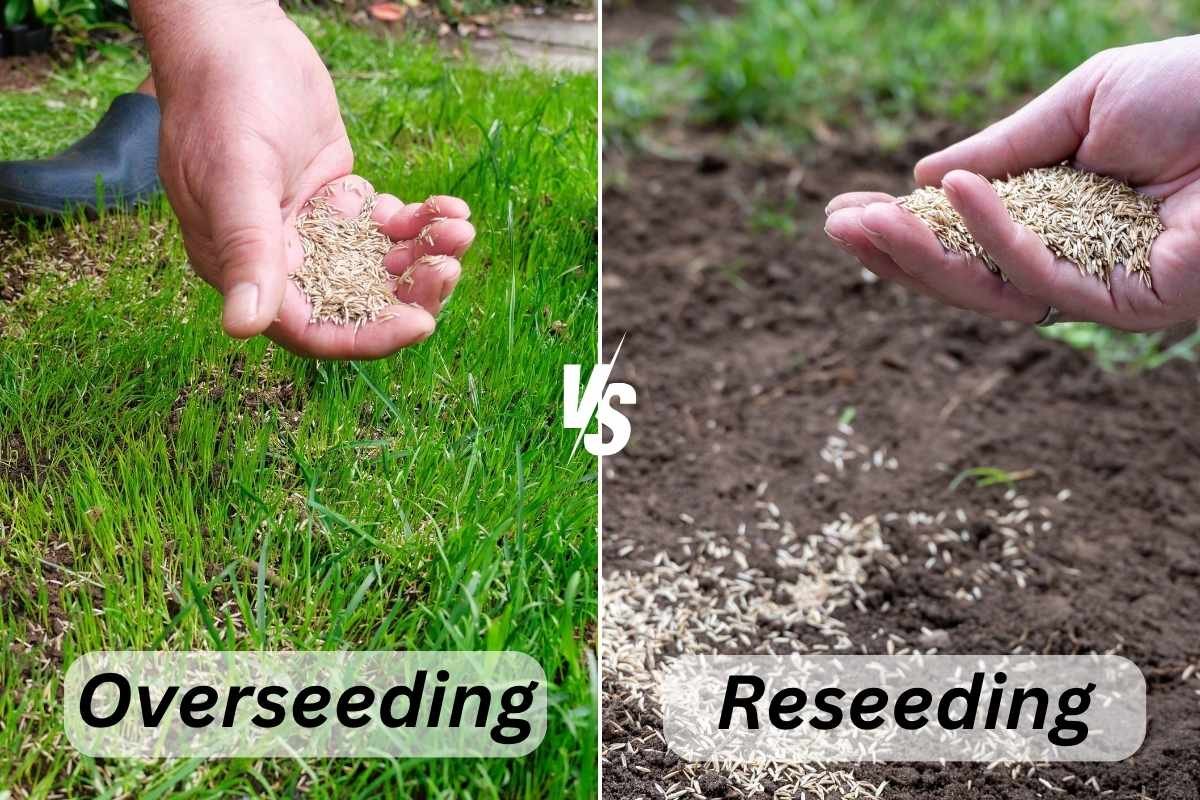
Have you ever noticed patchy grass in your yard and wondered how to fix it? Or maybe your lawn looks tired and dull after a long season.
That’s where overseeding comes in. But what does overseeding mean, exactly? If you want a greener, thicker lawn that stands out in your neighborhood, understanding overseeding is key. You’ll discover what overseeding is, why it matters, and how it can transform your outdoor space.
Keep reading—you’re just one step away from the lawn you’ve always wanted.
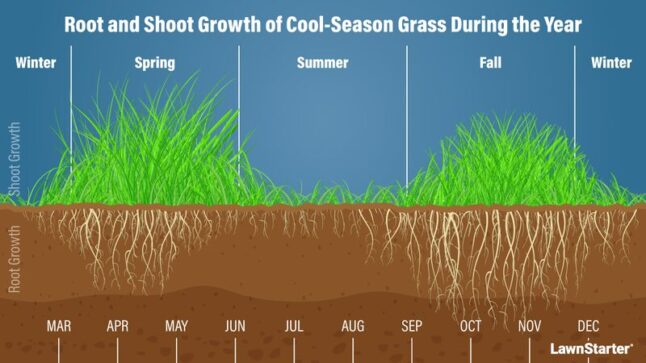
Credit: www.lawnstarter.com
Why Overseeding Matters
Overseeding means planting new grass seeds on your existing lawn. This helps fill in bare spots and improve lawn quality.
It is an important lawn care practice that keeps grass healthy and thick. Many people overseed to keep their lawn looking good year-round.
Benefits For Lawn Health
Overseeding adds fresh grass types that resist diseases and pests. It improves the lawn’s overall strength and ability to recover.
New grass grows alongside old grass, creating a healthier and more balanced lawn environment.
Improving Lawn Density
Adding new seeds fills gaps in the lawn. This makes the grass thicker and stops weeds from growing.
A dense lawn looks better and feels softer underfoot, making outdoor spaces more enjoyable.
- Fills bare or thin spots
- Creates a lush green surface
- Blocks sunlight from weeds
Extending Grass Life
Overseeding helps grass live longer by renewing old patches. It introduces new grass that grows strong.
This process keeps your lawn fresh and reduces the need for full lawn replacement over time.
When To Overseed
Overseeding adds new grass seeds to your lawn. It helps fill thin or bare spots. Knowing the right time to overseed is key for a healthy lawn.
Choosing the best season, weather, and spotting signs your lawn needs overseeding will improve results.
Best Seasons For Overseeding
The best seasons to overseed depend on your grass type. Cool-season grasses do well in cooler weather. Warm-season grasses grow best in warmer months.
- Early Fall:Ideal for cool-season grasses like fescue and rye.
- Late Spring to Early Summer:Good for warm-season grasses such as Bermuda and zoysia.
- Spring:Works for some cool-season grasses but less ideal than fall.
Ideal Weather Conditions
Good weather helps grass seeds grow strong. Seeds need moisture and warmth but not extreme heat or cold.
| Condition | Ideal Range |
| Soil Temperature | 50°F to 65°F (10°C to 18°C) |
| Air Temperature | 60°F to 75°F (15°C to 24°C) |
| Moisture | Consistent watering to keep soil damp |
| Sunlight | Partial to full sun |
Signs Your Lawn Needs Overseeding
Look for visible signs that your lawn needs overseeding. These signs show your grass is thin, weak, or damaged.
- Bare or thin patches in the lawn
- Grass looks dull or yellow
- Weeds growing more than grass
- Soil showing through the grass blades
- Grass blades are short and weak
Choosing The Right Grass Seed
Overseeding helps improve the look and health of your lawn. Picking the right grass seed is key for good results.
Choosing the correct seed depends on your climate and the current lawn type. This guide explains how to select the best seed.
Cool-season Vs Warm-season Grasses
Cool-season grasses grow well in cooler climates with mild summers. Warm-season grasses thrive in hot, sunny areas.
Pick a seed that fits your region’s temperature and rainfall. This helps the grass grow strong and last longer.
- Cool-season grasses include Kentucky bluegrass and fescue
- Warm-season grasses include Bermuda and zoysia
- Use cool-season seed in northern areas
- Use warm-season seed in southern areas
Seed Quality And Types
Good quality seed grows faster and resists disease better. Check the seed label for purity and germination rates.
There are different seed types like coated and pelleted seeds. These types help with easy planting and better germination.
- High purity means fewer weed seeds mixed in
- High germination rate means more seeds will grow
- Coated seeds absorb water better
- Pelleted seeds are easier to spread evenly
Matching Seed To Existing Lawn
Use seed that matches your current lawn grass. This keeps the lawn looking uniform and healthy.
Mixing different grass types can cause patchy growth and color differences. Pick seed similar to your existing grass.
- Identify your current grass type first
- Choose seed with the same species or variety
- Consider sun and shade tolerance
- Avoid mixing cool-season and warm-season seeds
Credit: hillsidelawn.com
Preparing Your Lawn
Overseeding helps your lawn become lush and green. Proper preparation ensures the best results.
Let’s explore how to get your lawn ready for overseeding.
Mowing And Raking Tips
Mow your lawn to the right height before overseeding. It helps seeds reach the soil.
- Set mower blades to 2 inches.
- Remove grass clippings after mowing.
- Rake to clear dead grass and debris.
Soil Testing And Amendments
Test your soil to know its nutrient levels. Proper nutrients ensure healthy grass growth.
| Soil Component | Ideal Level |
| pH | 6.0 – 7.0 |
| Nitrogen | High |
| Phosphorus | Medium |
Add amendments if needed. Lime increases pH, and fertilizers add nutrients.
Dealing With Thatch And Weeds
Thatch is a layer of dead grass. Too much thatch blocks seed contact with soil.
Control weeds by applying a pre-emergent herbicide. It prevents weeds from growing.
Overseeding Techniques
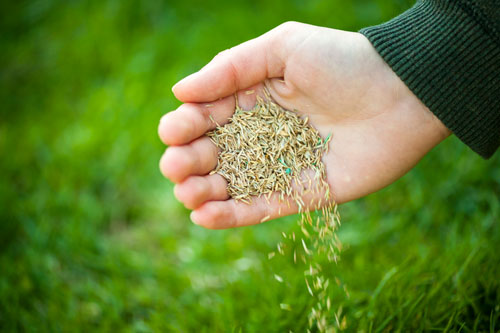
Overseeding means planting new grass seeds over existing grass. This improves lawn thickness and health. It helps fill bare spots and keeps your lawn green.
Choosing the right technique for overseeding affects how well seeds grow. Good methods help seeds reach soil and get enough water.
Spreading Methods
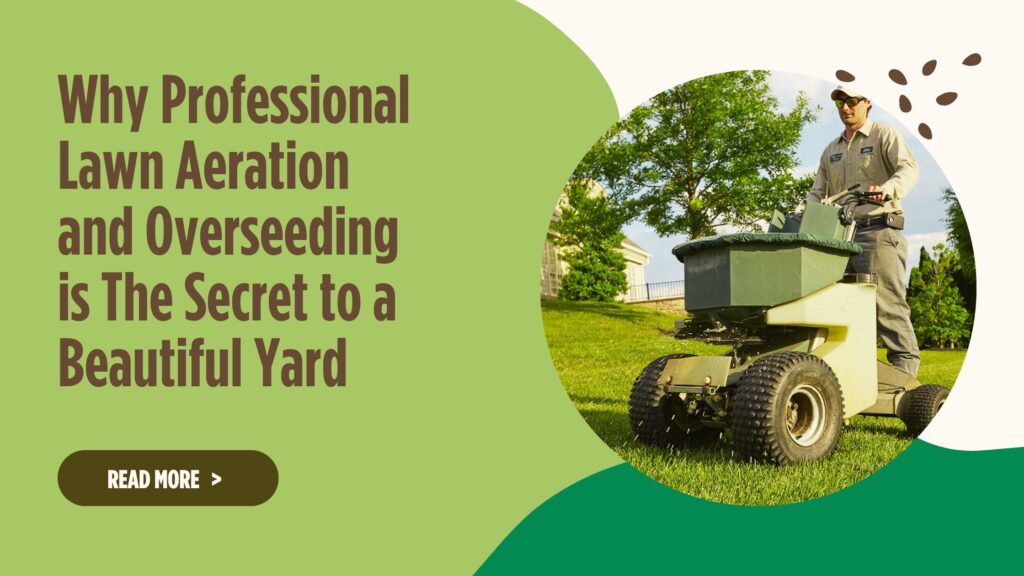
There are several ways to spread grass seed. You can use a spreader, hand seed, or use a slit seeder. Each method has benefits depending on your lawn size and type.
- Drop spreader: drops seeds directly below the spreader for even coverage
- Broadcast spreader: throws seeds in a wider pattern for large areas
- Hand seeding: best for small patches or uneven surfaces
- Slit seeder: cuts small grooves in the soil and plants seeds inside
Seed-to-soil Contact Tips
Good seed-to-soil contact is key for seed growth. Seeds must touch the soil surface to absorb water and nutrients.
| Tip | Description |
| Rake the lawn | Loosen soil and remove debris for better contact |
| Press seeds | Use a roller or simply walk on the lawn to press seeds down |
| Avoid thick mulch | Remove excess thatch to help seeds reach soil |
| Use topsoil | Lightly cover seeds with soil to protect them |
Watering After Overseeding
Watering is crucial after overseeding. Keep the soil moist but not soaked. This helps seeds germinate and grow strong roots.
- Water lightly twice a day in the first two weeks
- Reduce frequency as grass grows but water deeply
- Avoid letting the soil dry out completely
- Use a sprinkler for even coverage
Post-overseeding Care
After overseeding your lawn, proper care helps new grass grow strong. This care includes watering, fertilizing, and mowing at the right times.
Following the right steps boosts seed germination and lawn health. Let’s look at the main care tasks after overseeding.
Watering Schedule
Watering is key to help seeds sprout and roots grow. Keep the soil moist but not soaked.
- Water lightly twice a day for the first two weeks.
- Reduce to once a day after two weeks.
- After one month, water deeply 2-3 times a week.
- Avoid watering in the late afternoon or evening.
Fertilizing After Overseeding
Fertilizer gives new grass the nutrients it needs to grow healthy and green. Use a starter fertilizer designed for new grass.
| Time After Overseeding | Type of Fertilizer | Application Tips |
| 1-2 weeks | Starter fertilizer | Apply lightly to avoid burning seeds |
| 4-6 weeks | Balanced fertilizer | Use slow-release for steady feeding |
| 8-10 weeks | Regular lawn fertilizer | Follow label instructions carefully |
Mowing New Grass
Wait until new grass reaches about 3 inches tall before mowing. Mowing too early can damage young plants.
- Use a sharp mower blade for clean cuts.
- Set mower height high to avoid cutting too short.
- Remove no more than one-third of the grass height at a time.
- Keep mower blades clean to prevent disease spread.
Common Overseeding Mistakes
Overseeding helps lawns grow thick and lush. But mistakes can hinder results. Knowing these common errors can help you succeed.
Let’s explore the frequent pitfalls in overseeding. Avoiding them ensures your grass gets off to a strong start.
Overwatering Or Underwatering
Water is crucial for seed growth. Too much water can drown seeds. Too little and they dry out. Finding balance is key.
- Check soil moisture before watering
- Water lightly, but frequently
- Avoid watering at night to prevent disease
Ignoring Soil Health
Healthy soil supports seed germination. Ignoring it can lead to poor growth. Test soil and amend it if needed.
| Soil Test Result | Action Needed |
| Low pH | Add lime |
| High pH | Add sulfur |
| Poor Nutrients | Use fertilizer |
Using Wrong Seed Types
Choosing the right seed type is crucial. Wrong seeds won’t thrive in your climate. Always select seeds suited to your area.
Maintaining A Lush Lawn Year-round
Overseeding means spreading grass seed over your existing lawn. It helps keep your lawn thick and green all year.
This process fills in bare spots and improves grass health. It is important for a beautiful lawn in every season.
Regular Lawn Care Practices
Good lawn care includes mowing, watering, and fertilizing regularly. These actions help grass grow strong and healthy.
Keeping your lawn clean from leaves and debris also supports grass growth. Regular care prevents weeds and bare patches.
- Mow grass at the right height
- Water deeply but less often
- Apply fertilizer in recommended amounts
- Remove leaves and debris regularly
Seasonal Adjustments
Different seasons need different lawn care steps. Overseeding is best done in spring or fall when temperatures are mild.
Adjust watering and mowing based on weather. Cooler months usually need less watering and slower mowing.
- Overseed in early spring or fall
- Reduce watering in cooler months
- Raise mower blades during hot summer
- Prepare soil before overseeding
Preventing Lawn Diseases
Overseeding helps prevent diseases by keeping grass dense. Dense grass stops fungi and pests from spreading easily.
Avoid overwatering and poor drainage. These conditions cause lawn diseases. Healthy grass resists diseases better.
- Water early in the day to dry fast
- Improve soil drainage if needed
- Remove dead grass and leaves
- Use disease-resistant grass seeds
Credit: ryanlawn.com
Frequently Asked Questions
What Does Overseeding Mean In Lawn Care?
Overseeding means planting new grass seeds over existing turf. It improves lawn density, fills bare spots, and enhances lawn health.
Why Is Overseeding Important For Lawns?
Overseeding refreshes your lawn by introducing new grass varieties. It strengthens disease resistance and improves overall lawn appearance.
When Is The Best Time For Overseeding?
The best time for overseeding is early fall or spring. These seasons offer optimal temperature and moisture for seed germination.
How Does Overseeding Benefit Lawn Health?
Overseeding promotes thicker grass, reducing weed growth. It also helps repair damaged areas and improves soil quality over time.
Conclusion
Overseeding helps keep lawns green and healthy. It fills bare spots and improves grass density. The process supports stronger roots and better growth. Regular overseeding reduces weeds and soil erosion. It’s a simple step for a thicker lawn. Grass looks fresh and vibrant after overseeding.
Anyone wanting a better lawn should consider overseeding. Small effort brings big changes in lawn quality. A healthy lawn invites outdoor fun and relaxation. Try overseeding to enjoy a greener yard all year.

