
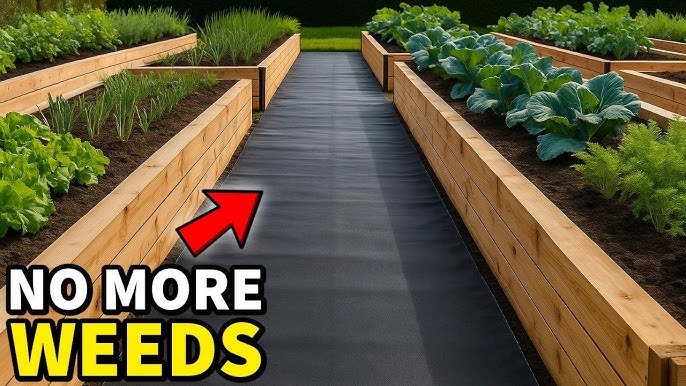
If you want to make your gardening tasks easier and faster, using your garden cart efficiently is key. You might have a cart sitting in your shed, but are you really getting the most out of it?
Imagine saving time, reducing effort, and keeping your garden neat without breaking a sweat. This article will show you simple, practical tips that help you use your garden cart smarter—not harder. Keep reading, and you’ll discover how small changes can make a big difference in your gardening routine.
Credit: www.theworkplacedepot.co.uk
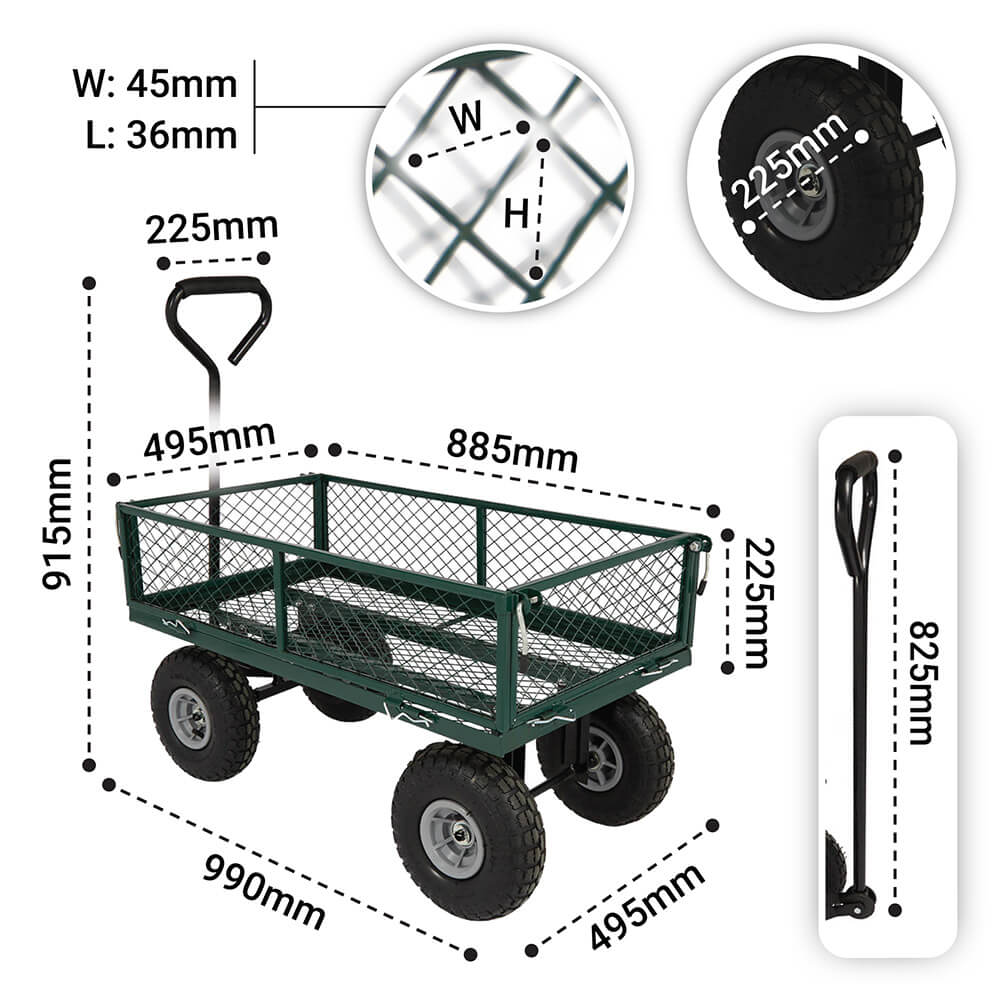
Choosing The Right Garden Cart
Choosing a garden cart helps you move tools and plants easily. Picking the right one saves time and effort.
Consider your needs before buying. Size, material, and how much it can carry matter most.
Types Of Garden Carts
Garden carts come in many styles. Some have two wheels, others four. Some have flat beds; others have high sides.
- Two-wheel carts: Easy to steer on rough ground.
- Four-wheel carts: More stable and can carry heavier loads.
- Flatbed carts: Good for large, bulky items.
- High-sided carts: Keep loose materials like soil or leaves from falling out.
Material And Durability
Materials affect how long your cart lasts. Metal carts are strong but heavy. Plastic carts are light and rust-proof.
| Material | Advantages | Disadvantages |
|---|---|---|
| Steel | Very strong, holds heavy loads | Can rust, heavy to move |
| Aluminum | Lightweight, rust-resistant | Less strong than steel |
| Plastic | Light, does not rust | Less durable, can crack |
| Wood | Attractive, sturdy | Needs maintenance, can rot |
Weight Capacity
Know how much weight your garden cart can carry. This helps avoid damage and accidents.
- Check the maximum load listed by the maker.
- Do not overload the cart beyond its limit.
- Consider the weight of wet soil or plants.
- Choose a cart with extra capacity if needed.
Credit: www.gardenary.com
Loading Techniques
Using a garden cart properly makes your work easier. Good loading helps move items safely and quickly.
Learn simple ways to load your cart well. This saves time and prevents accidents.
Balancing The Load
Keep the weight evenly spread in the cart. This stops it from tipping over during use.
Place heavy items in the center and low. Light items go on top or near the edges.
- Put heavy tools or bags close to the wheels
- Avoid stacking all heavy items on one side
- Check the balance before moving the cart
Maximizing Space
Arrange items to fit as much as possible. Use the cart’s full space without overloading it.
Stack boxes or bags neatly. Fill gaps with smaller tools or loose items.
- Place flat items at the bottom
- Put round or uneven items on top
- Use containers to group small items
Securing Loose Items
Keep loose items from falling out while moving. Use simple ways to hold them in place.
Tie or cover loose objects. This protects your items and keeps the area clean.
- Use bungee cords or ropes to secure loose items
- Cover with a tarp if the load is dusty or small
- Check tightness before moving the cart
Safe Handling Practices
Using a garden cart safely helps avoid injuries and damage. Follow simple rules to handle it properly.
Good habits protect your back and make work easier. Always focus on safety when moving heavy loads.
Proper Lifting Methods
Bend your knees and keep your back straight when lifting the cart. Use your leg muscles, not your back.
Lift slowly and avoid twisting your body. Keep the load close to your body to stay balanced.
- Stand close to the cart before lifting
- Bend your knees, do not bend your back
- Hold the cart handles firmly
- Lift using your legs, not your back
- Keep the load near your body
- Move your feet to turn, avoid twisting
Navigating Rough Terrain
Push the cart slowly over uneven ground. Keep both hands on the handles for control.
Look ahead to spot obstacles like rocks or holes. Avoid sudden moves to prevent tipping the cart.
- Walk at a steady pace
- Hold handles with both hands
- Watch for bumps and holes
- Go around obstacles when possible
- Keep the load balanced in the cart
Avoiding Overloading
Do not put too much weight in the garden cart. Overloading can cause damage or make it hard to push.
Check the cart’s weight limit before loading. Spread the load evenly to keep the cart stable.
- Know your cart’s maximum weight
- Do not exceed the weight limit
- Load heavy items first
- Distribute weight evenly inside the cart
- Remove items if the cart is hard to push
Maintenance Tips
Keeping your garden cart in good shape helps it last longer. Regular care makes your work easier.
Simple maintenance tasks can prevent big problems. Follow these tips to keep your cart ready.
Cleaning After Use
Clean your garden cart after each use. Dirt and debris can cause rust and damage.
Use a hose to wash off mud. Scrub tough spots with a brush and mild soap.
- Remove leaves and plant material from the bed
- Check for stuck dirt in corners and wheels
- Dry the cart well to stop rust
Checking Tires And Wheels
Check tires and wheels before and after use. Properly working wheels make moving easy.
Look for cracks or flat spots on tires. Make sure wheels turn smoothly without noise.
- Inflate tires to the correct pressure
- Tighten loose nuts or bolts on wheels
- Replace worn or damaged tires promptly
Storage Recommendations
Store your garden cart in a dry place. Protect it from rain and sun to avoid damage.
Keep it off the ground if possible. Cover it with a tarp or use a shed for storage.
- Clean and dry the cart before storing
- Store in a shaded or indoor area
- Lift wheels off the ground to prevent flat spots
Time-saving Strategies
Using a garden cart saves effort and time in your yard work. Smart planning helps you get more done fast.
Organize your tools and plan your work to avoid extra trips. Use the right attachments for your tasks.
Organizing Tools And Supplies
Keep your tools in one place on the cart. This reduces time searching and carrying items back and forth.
Sort supplies by size and type. Store small items in containers to prevent loss or damage.
- Use hooks or holders for hand tools
- Place heavy items near the center for balance
- Keep frequently used tools within easy reach
- Label containers to find supplies quickly
Planning Your Route
Plan your path before starting work. This saves time by avoiding backtracking and repeated trips.
Group tasks by area. Finish one section before moving to the next to keep work smooth and quick.
- Map out garden sections to cover
- Move from one side to another logically
- Load and unload tools only once per area
- Check your cart’s load before starting
Using Attachments And Accessories
Attachments can increase the cart’s usefulness. Use them to carry different kinds of loads easily.
Accessories like tool racks or liners keep items stable. They prevent damage and speed up loading.
- Use side racks for long tools like rakes
- Add liners to protect fragile items
- Choose attachments that match your garden tasks
- Secure loose items with straps or nets
Enhancing Productivity
A well-designed garden cart can greatly enhance your productivity in the garden. By efficiently carrying tools, plants, and other supplies, you can focus on the task at hand and get more done in less time.
Multi-tasking With The Cart
A garden cart with multiple compartments can help you stay organized and multitask with ease. Separate sections for tools, seeds, and fertilizers allow you to access what you need quickly, reducing the time spent searching for supplies.
- Carry multiple tools in separate compartments
- Organize seeds, fertilizers, and other supplies
- Free up space in your gardening bag
Seasonal Uses
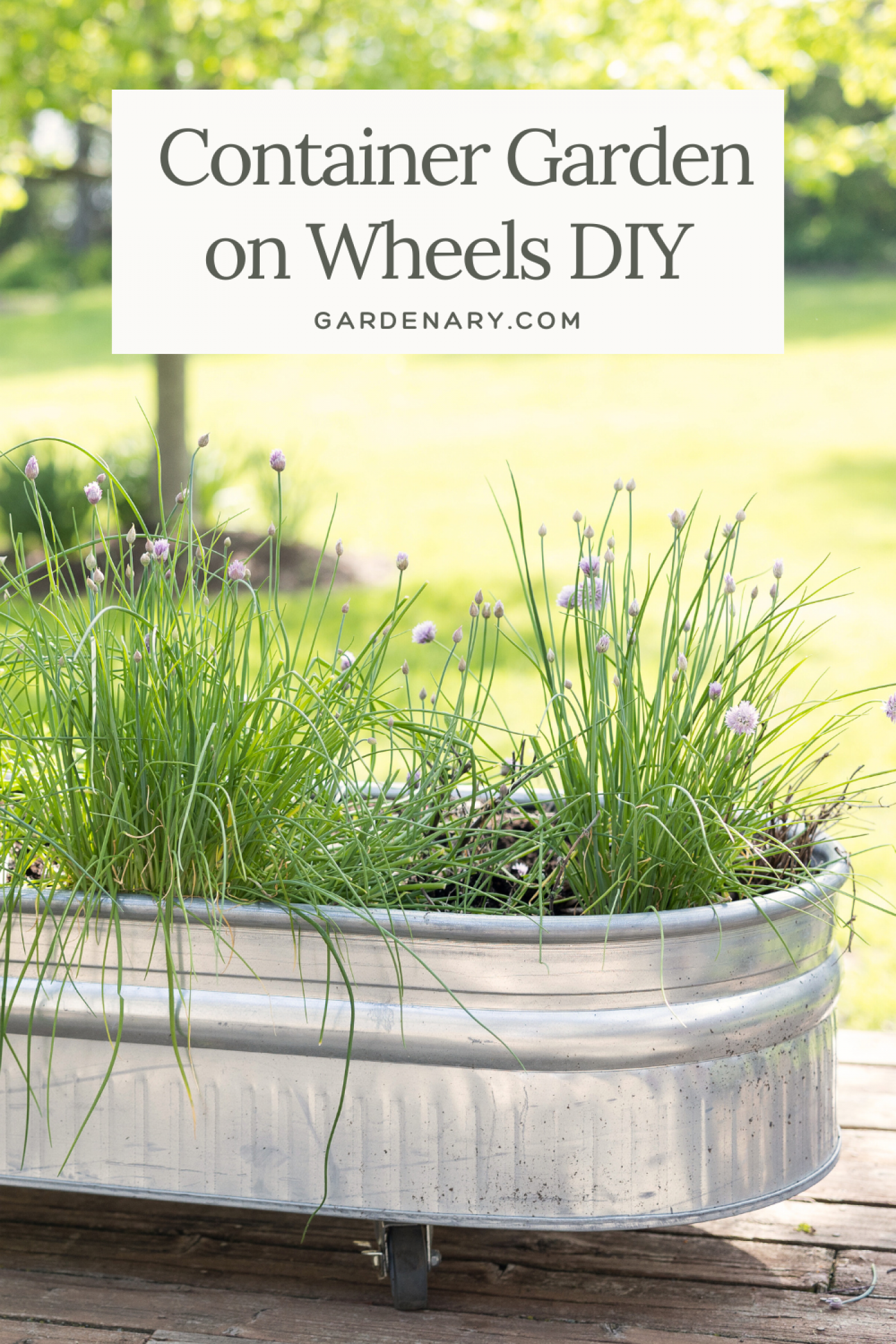
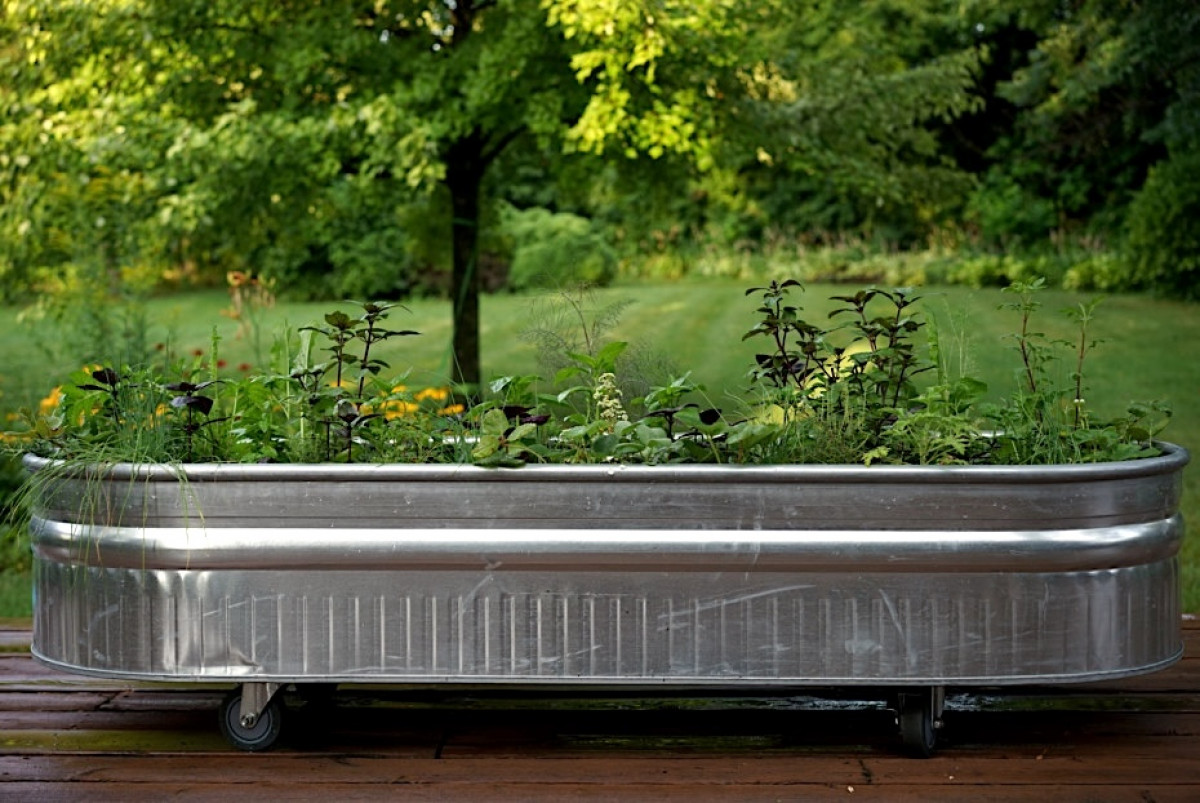
A garden cart can be customized for different seasons and tasks. For example, during the spring, you can add a compost bin to the cart to make it easy to collect and turn compost.
In the summer, you can add a cooler or a storage bin for gardening gloves and other summer essentials. In the fall, you can add a leaf rake or a tarp to make it easy to collect leaves and debris.
Customizing For Specific Tasks
You can customize your garden cart to suit specific tasks and projects. For example, if you’re planning a large landscaping project, you can add a long-handled tool holder or a storage bin for heavy equipment.
For smaller tasks, such as pruning or weeding, you can add a small tray or a container for carrying small tools and supplies.
Credit: www.gardenary.com
Frequently Asked Questions
How Can I Maximize Garden Cart Capacity Safely?
To maximize capacity, evenly distribute weight to avoid tipping. Avoid overloading beyond the cart’s limit. Use stacking techniques and secure loose items for safer transport.
What Maintenance Tips Keep A Garden Cart Efficient?
Regularly clean the cart to prevent rust and dirt buildup. Lubricate wheels and check tire pressure. Tighten bolts and store it in a dry place to extend its life.
How Do I Choose The Right Garden Cart Size?
Consider your garden size and typical load weight. Larger carts hold more but can be harder to maneuver. Choose a size that balances capacity and ease of use.
What Are Best Practices For Maneuvering A Garden Cart?
Push rather than pull to reduce strain. Use smooth, even paths and avoid rough terrain. Steer with controlled movements to prevent tipping and maintain balance.
Conclusion
Using a garden cart wisely saves time and effort. Keep your load balanced for easy movement. Regularly check the wheels and handles for safety. Avoid overloading to prevent damage and accidents. Clean the cart after each use to last longer.
These simple tips help you work smarter outdoors. Enjoy gardening with less strain and more fun.

