
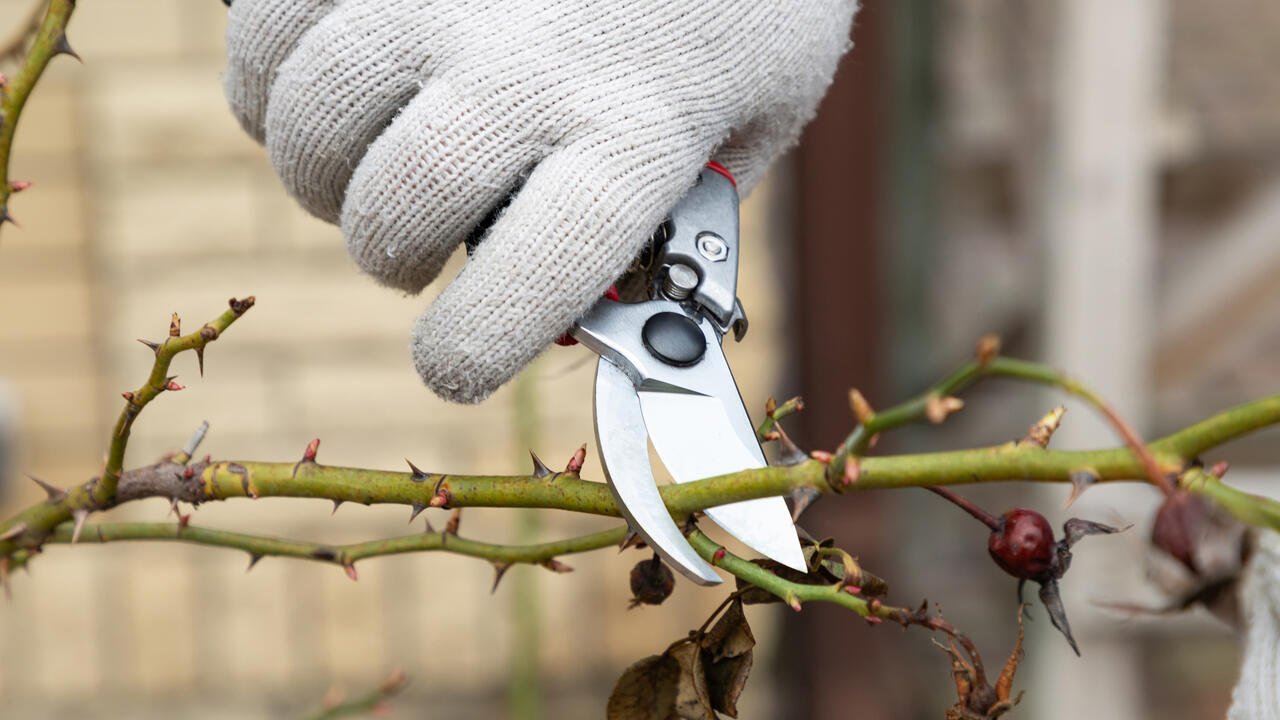
If you want your roses to bloom fuller and look healthier, pruning is the secret step you can’t skip. Knowing when and how to prune your roses can make a huge difference in their growth and beauty.
You’ll discover simple, effective tips that will help you trim your roses like a pro—no gardening experience needed. Keep reading, and soon your garden will be bursting with vibrant, stunning roses that everyone will admire.
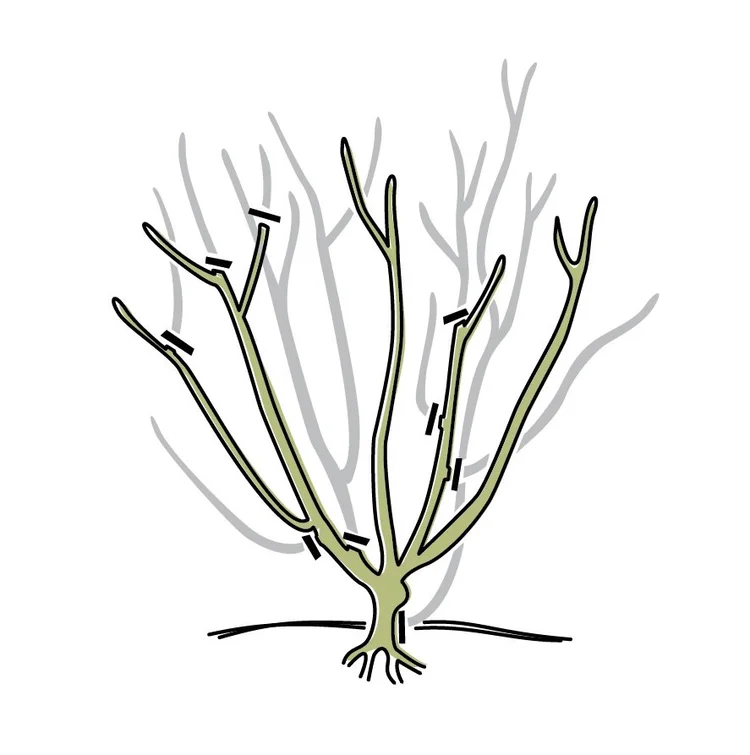
Credit: www.swansonsnursery.com
Choosing The Right Time
Pruning roses at the right time helps the plant grow strong and healthy. It also boosts flower production.
Knowing when to prune can save your roses from damage and improve their shape.
Best Season For Pruning
The best time to prune roses is in early spring. This is just before new growth starts.
Pruning in early spring helps remove old wood and dead branches. It allows fresh shoots to grow well.
- For most climates, prune in late winter or early spring.
- Avoid pruning in fall or winter to prevent frost damage.
- In warmer areas, prune lightly throughout the year.
Signs Your Roses Need Pruning
Look for these signs to know when your roses need pruning. It keeps the plant healthy and neat.
- Dead or brown branches that do not produce leaves.
- Branches that cross or rub against each other.
- Weak or thin growth that looks unhealthy.
- Old wood that reduces flower production.
- Dense growth that blocks air and light.
Prune your roses as soon as you see these signs to help them recover quickly.

Credit: lakewaygardenclub.com
Essential Tools
Pruning roses needs the right tools to keep plants healthy. Good tools help you cut cleanly and easily.
Using proper tools makes pruning safer and helps your roses grow well each season.
Pruners And Shears
Sharp pruners and shears cut stems cleanly. Clean cuts help roses heal faster and avoid disease.
Use hand pruners for small stems and loppers for thick branches. Keep blades sharp for best results.
- Bypass pruners cut smoothly without crushing stems.
- Anvil pruners are better for dry wood but may crush fresh stems.
- Loppers handle thick branches that pruners cannot cut.
- Keep all blades clean to prevent spreading diseases.
Safety Gear
Wear gloves to protect your hands from thorns. Thick gloves prevent cuts and scratches.
Use eye protection to guard against branches snapping back. Strong shoes help protect your feet outdoors.
- Long sleeves protect arms from scratches.
- Gloves keep hands safe and clean.
- Safety glasses protect your eyes.
- Wear closed-toe shoes for foot safety.
Pruning Techniques
Pruning roses keeps them healthy and beautiful. Use the right techniques to ensure optimal growth.
Learn how to prune effectively by focusing on key aspects such as angle, removing dead wood, and shaping.
Cutting At The Right Angle
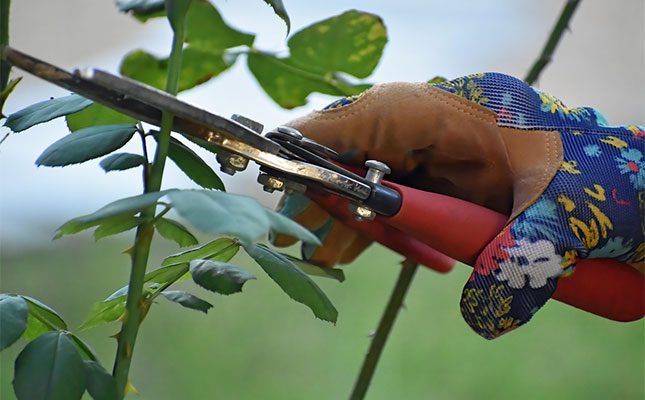
Making cuts at the correct angle prevents water from settling on the cut surface, which can cause rot.
- Cut at a 45-degree angle
- Ensure the cut is above a bud facing outward
- Use sharp, clean tools for smooth cuts
Removing Dead And Diseased Wood
Removing dead or diseased wood helps prevent the spread of infections and encourages new growth.
Look for wood that is discolored or shriveled. Remove these branches completely.
Shaping The Plant
Shaping your rose plants keeps them looking tidy and allows sunlight to reach all parts.
| Shape | Purpose |
| Open center | Improve air circulation |
| Even height | Ensure uniform growth |
| Remove crossing branches | Prevent damage |
Credit: www.farmersweekly.co.za
Types Of Pruning Cuts
Pruning roses helps them grow healthy and bloom well. Knowing the right pruning cuts is important. Each cut type has a special purpose.
This guide explains two main types of cuts: heading cuts and thinning cuts. Learn how to use them for better rose care.
Heading Cuts
Heading cuts shorten a stem or branch by cutting it back to a bud. This encourages new growth and more flowers. It helps shape the rose bush.
- Cut just above an outward-facing bud
- Make clean cuts at a 45-degree angle
- Remove about one-third of the stem length
- Use sharp pruners to avoid damaging the plant
- Heading cuts stimulate fuller growth
Thinning Cuts
Thinning cuts remove entire branches at the base. This opens the center of the rose bush. It allows more air and light inside.
| Purpose | Effect |
| Remove old or weak branches | Encourages healthy new growth |
| Reduce overcrowding | Improves air circulation |
| Cut at the base, near the main stem | Prevents disease and pests |
Maintaining Plant Health
Pruning roses helps keep them healthy and strong. Proper care prevents disease and promotes growth.
Cleaning tools and disposing of pruned material are key steps in pruning. They protect your plants from infection.
Cleaning Tools To Prevent Disease
Always clean your pruning tools before and after use. Dirt and sap can carry harmful germs to your roses.
- Use rubbing alcohol or a bleach solution to disinfect blades.
- Wipe tools with a clean cloth after each cut.
- Sharpen tools regularly to make clean cuts.
- Store tools in a dry place to avoid rust.
Disposal Of Pruned Material
Remove all cut branches and leaves from your garden. Pruned material can spread pests and diseases.
| Disposal Method | Benefits |
|---|---|
| Composting | Breaks down material safely if no disease is present |
| Burning | Kills pests and fungi quickly |
| Trash Removal | Prevents spread of disease if composting is unsafe |
After-pruning Care
Pruning roses helps the plants stay healthy and bloom better. After pruning, care is very important. It helps roses grow strong again.
Good after-pruning care includes watering and feeding your rose bushes. This helps them recover and prepare for new growth.
Watering Tips
Water roses deeply after pruning. This keeps the soil moist but not soaked. Dry soil can stress your plants.
- Water early in the morning to reduce evaporation.
- Use a drip system or water at the base to avoid wetting leaves.
- Check soil moisture every few days during dry spells.
- Adjust watering depending on weather and soil type.
Fertilizing For Growth
Fertilizing after pruning gives roses the nutrients they need. It supports strong new shoots and healthy blooms.
| Fertilizer Type | When to Apply | Benefits |
| Balanced fertilizer (10-10-10) | Right after pruning | Supports overall growth |
| High phosphorus fertilizer | Two weeks after pruning | Encourages blooms |
| Organic compost | Monthly during growing season | Improves soil health |
Common Mistakes To Avoid
Pruning roses helps keep them healthy and blooming. Many gardeners make mistakes that harm their plants.
Knowing what to avoid can save your roses and improve their growth.
Over-pruning
Cutting too much from rose bushes can stress the plants. It may reduce flowers and make them weak.
- Do not remove more than one-third of the plant at once.
- Avoid cutting stems too close to the base.
- Leave healthy leaves to help the plant make food.
- Prune during the right season for your rose type.
Ignoring Plant Varieties
Different rose types need different pruning methods. Treating all roses the same can cause damage.
| Rose Variety | Best Pruning Time | Key Tips |
| Hybrid Tea | Early spring | Cut to strong outward-facing buds |
| Climbing Roses | Late winter | Remove old canes, train new growth |
| Floribunda | Early spring | Thin weak stems, shape bush |
| Old Garden Roses | After flowering | Minimal pruning to keep shape |
Advanced Tips For Experienced Gardeners
Pruning roses is an art that enhances their beauty and health. Experienced gardeners know the secrets of precise cuts. Let’s explore advanced techniques for pruning roses.
With these tips, you can encourage more blooms and maintain your rose garden’s size. Let’s dive into the details of pruning for growth and control.
Pruning For Repeat Blooming
Pruning at the right time can lead to a longer blooming season. Understanding the growth cycle is key to success.
- Trim faded blooms to promote new growth.
- Identify and cut dead wood to redirect energy.
- Shape the bush to improve air circulation.
Using Pruning To Control Size
Controlling the size of your rose bushes keeps your garden tidy. It also helps manage sunlight and nutrient distribution.
| Pruning Time | Effect on Size |
| Early Spring | Reduces size before growth |
| Mid-Season | Maintains current shape |
| Late Fall | Prepares for winter dormancy |
Frequently Asked Questions
How Often Should I Prune My Rose Bushes?
Prune rose bushes once a year, usually in early spring. This encourages healthy growth and abundant blooms. Avoid pruning in late fall or winter to prevent damage.
What Tools Are Best For Pruning Roses?
Use sharp, clean pruning shears or loppers. Sterilize tools before use to prevent disease. Sharp tools make clean cuts, promoting faster healing.
When Is The Best Time To Prune Roses?
Prune roses in early spring, just before new growth starts. This timing boosts flower production and plant health. Avoid pruning during frost or extreme cold.
How Much Should I Cut When Pruning Roses?
Remove about one-third of the rose bush’s growth. Cut back to healthy, outward-facing buds. This ensures good air circulation and encourages strong branches.
Conclusion
Pruning roses helps them grow strong and healthy. Cut old, weak branches to let new ones shine. Use sharp tools to make clean cuts. Prune in early spring for best results. Remember, small steps lead to big blooms. Keep your roses trimmed regularly for lasting beauty.
Enjoy the bright flowers and fresh scent all season. Simple care makes your garden look its best. Happy pruning!

