

Are you looking for an easy way to spray your garden or lawn without wasting time and effort? A hose end sprayer can be your best friend.
It helps you apply fertilizers, pesticides, or herbicides evenly and quickly. But if you’ve never used one before, it might feel confusing. Don’t worry—this step-by-step guide will walk you through everything you need to know. By the end, you’ll feel confident to tackle your outdoor tasks like a pro.
Keep reading to discover how simple and effective using a hose end sprayer can be!
Choosing The Right Sprayer
Using a hose end sprayer makes spraying plants or cleaning easier. Picking the right sprayer helps you do the job well.
This guide explains different sprayer types, key features to check, and places to buy them.
Types Of Hose End Sprayers
There are many sprayer types. Each works best for certain tasks. Choose based on your needs.
- Dial Sprayers:These have a dial to select spray strength and mix ratio.
- Trigger Sprayers:Use a trigger to control the spray amount and flow.
- Compression Sprayers:You pump air to build pressure before spraying.
- Battery-Powered Sprayers:These spray automatically using a battery motor.
Key Features To Consider
Look for features that make spraying easier and safer. Quality and convenience matter.
| Feature | Why It Matters |
|---|---|
| Adjustable Spray Pattern | Allows control over spray shape and size for different uses |
| Durable Materials | Prevents leaks and breaks, lasts longer outdoors |
| Easy Attachment | Makes connecting and disconnecting to hose quick |
| Clear Measurement Markings | Helps mix chemicals at the right ratio safely |
| Comfort Grip | Reduces hand strain during long use |
Where To Buy
You can find hose end sprayers in many places. Choose a store with good return policies.
- Garden centers and nurseries
- Hardware stores like Home Depot or Lowe’s
- Online stores such as Amazon or Walmart
- Local farm supply stores
Preparing Your Sprayer
Using a hose end sprayer needs some preparation before you start. Getting your sprayer ready helps you spray the right amount of liquid evenly.
Follow simple steps to assemble, check, and set up your sprayer. This guide will help you prepare it correctly.
Assembling The Parts
First, gather all the parts that come with your hose end sprayer. Make sure nothing is missing or broken.
- Attach the spray nozzle to the sprayer body.
- Connect the hose adapter securely.
- Insert the chemical container or bottle.
- Check the trigger or dial for smooth operation.
Checking For Leaks
Leaks can waste your spray and cause damage. Check all connections before use.
- Turn on the water supply slowly.
- Watch all joints and seals for drips.
- Tighten any loose parts.
- Replace worn washers or seals.
- Test the sprayer by spraying water only.
Calibrating The Spray Rate
Calibrate the sprayer to apply the correct amount of liquid. This avoids overuse or waste.
| Step | Action | Details |
| 1 | Fill the sprayer with water only | Use clean water to avoid chemicals |
| 2 | Spray for a set time (e.g., 30 seconds) | Use a stopwatch or timer |
| 3 | Measure the amount sprayed | Use a measuring cup or container |
| 4 | Calculate spray rate | Compare volume to recommended rate |
| 5 | Adjust dial or nozzle | Repeat test until correct rate is reached |
Mixing Chemicals Safely
Using a hose end sprayer can be tricky. It’s important to mix chemicals safely to protect yourself and the environment. Follow these guidelines to ensure you’re using your sprayer correctly and safely.
Proper mixing of chemicals ensures they work effectively and reduces any potential harm. Let’s explore some key steps in using your hose end sprayer safely.
Reading Product Labels
Product labels contain essential information. They tell you how to mix and use the chemicals correctly. Always read labels before starting.
- Check for specific mixing instructions
- Look for safety warnings and precautions
- Identify the active ingredients
Proper Dilution Techniques
Proper dilution is crucial for effectiveness. Too much or too little can cause problems. Follow the guidelines for the right mix.
Measure the chemicals carefully. Use the correct amount of water to ensure a safe and effective solution.
Using Protective Gear
Protective gear keeps you safe. Always wear the right equipment when mixing and spraying chemicals.
- Wear gloves to protect your hands
- Use goggles to shield your eyes
- Consider a mask to avoid inhaling fumes
Credit: medium.com
Attaching The Sprayer To Your Hose
Using a hose end sprayer can make watering and spraying easier. First, you need to attach it to your hose correctly. This will ensure the sprayer works effectively.
Attaching the sprayer may seem simple, but doing it right is important. Follow these steps for a smooth setup.
Connecting Securely
Make sure the sprayer fits tightly onto the hose. This prevents leaks and ensures proper water flow.
Twist the sprayer clockwise until it is snug. Check the connection by gently pulling on the sprayer. It should not come off easily.
Adjusting Water Pressure
After attaching the sprayer, adjust the water pressure. This helps control how much liquid the sprayer releases.
Turn the hose on slowly. Increase the pressure until you reach the desired spray strength. Ensure the pressure is not too high to avoid damage.
Testing The Spray Pattern
Before using the sprayer, test the spray pattern. This makes sure it is working properly.
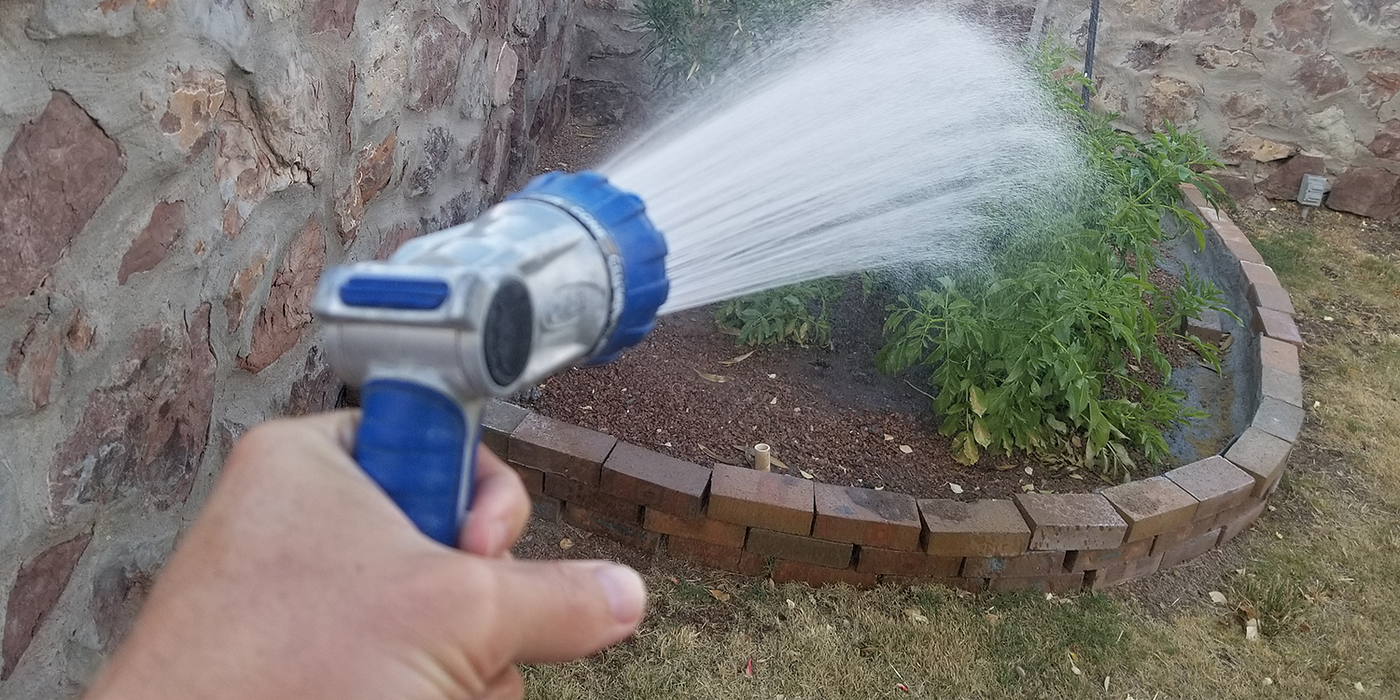
Point the sprayer at a safe area. Pull the trigger to see the spray. Adjust the nozzle to change the pattern if needed.
- Wide spray covers large areas
- Narrow spray targets specific spots
- Adjustable nozzles offer different patterns
Spraying Techniques For Best Results
Using a hose end sprayer can help you apply liquids like fertilizer or pesticides quickly. Proper spraying techniques ensure even coverage and better results.
Follow these tips to get the most from your hose end sprayer and protect your plants effectively.
Choosing The Right Time To Spray
Spray during calm weather to avoid drift. Early morning or late afternoon is best. Avoid spraying in direct sunlight or strong wind.
- Spray when wind speed is low
- Avoid hot midday sun to prevent burn
- Choose dry days for better absorption
- Check the weather forecast before spraying
Maintaining Even Coverage
Keep a steady pace to cover all areas equally. Hold the sprayer at the right distance from plants. Overlapping slightly helps avoid missed spots.
- Move at a steady speed
- Hold sprayer 12 to 18 inches from plants
- Overlap spray passes by about 25%
- Check for uniform spray pattern
Avoiding Common Mistakes
Do not spray during windy or rainy weather. Avoid over-spraying to save product and protect plants. Clean the sprayer after use to prevent clogging.
- Do not spray if wind speed is above 10 mph
- Avoid spraying before rain
- Do not spray too close to plants
- Rinse sprayer parts with water after use
Cleaning And Storing Your Sprayer
Keeping your hose end sprayer clean and stored properly helps it last longer. Dirt and leftover chemicals can damage it over time.
Follow simple steps to rinse, disassemble, and store your sprayer safely after each use.
Rinsing After Use
Rinsing your sprayer right after use removes chemical residues. This prevents clogs and protects the sprayer parts.
- Attach the sprayer to a clean hose.
- Fill the tank with clean water only.
- Spray the water through the nozzle until empty.
- Repeat if water runs dirty or smells of chemicals.
Disassembling For Storage
Taking apart your sprayer helps it dry well and stops parts from sticking together.
| Part | Action |
| Nozzle | Unscrew and rinse separately |
| Tank | Empty and rinse with clean water |
| Hose Connection | Check for debris and wipe clean |
| Filters | Remove and rinse gently |
Storing In A Safe Place
Store your sprayer where it stays dry and away from sunlight. This keeps parts from cracking or fading.
- Make sure all parts are dry before storing.
- Put sprayer in a cool, dry storage area.
- Keep it off the ground to avoid moisture damage.
- Cover or close the sprayer to keep dust out.
Troubleshooting Common Issues
Using a hose end sprayer can save time and effort in your garden. Sometimes, problems occur that affect its performance.
Knowing how to fix common issues helps you keep your sprayer working well. This guide covers three frequent problems and their solutions.
Fixing Clogs
Clogs block the flow of liquid through the sprayer. Dirt or residue often causes these blockages.
- Remove the sprayer from the hose.
- Disassemble the nozzle carefully.
- Rinse all parts with clean water.
- Use a thin wire or needle to clear small holes.
- Reassemble the sprayer and test it.
Dealing With Uneven Spray
Uneven spray patterns waste liquid and reduce coverage. This issue usually happens if the nozzle is dirty or damaged.
| Cause | Fix |
|---|---|
| Dirty nozzle | Clean nozzle with water and brush |
| Worn nozzle tip | Replace nozzle tip |
| Wrong spray setting | Adjust dial or spray pattern |
| Low water pressure | Check hose and water supply |
Handling Leaks
Leaks waste liquid and make a mess. They happen at connection points or damaged parts.
- Check hose connections and tighten them.
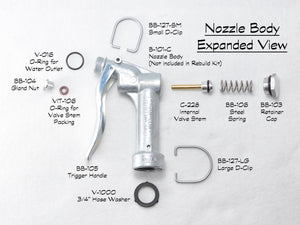
- Inspect O-rings and washers for damage.
- Replace any cracked or broken parts.
- Do not overtighten fittings; it may cause damage.
- Test the sprayer for leaks after repairs.
Credit: www.triconsprayers.com

Credit: www.amazon.com
Frequently Asked Questions
How Do I Set Up A Hose End Sprayer Correctly?
To set up a hose end sprayer, attach it firmly to your garden hose. Fill the container with the recommended solution. Adjust the dial to control the spray mix. Turn on the water and test the spray to ensure even coverage.
What Liquids Can I Use In A Hose End Sprayer?
You can use fertilizers, herbicides, insecticides, or cleaning solutions. Always follow the product instructions for dilution rates. Avoid thick or particulate liquids that can clog the sprayer. Using the correct liquid ensures effective spraying and prevents damage.
How Do I Clean A Hose End Sprayer After Use?
Disconnect the sprayer and empty any leftover solution. Rinse the container and hose with clean water thoroughly. Run clean water through the sprayer to clear internal parts. Regular cleaning prevents clogs and prolongs sprayer life.
Can I Adjust The Spray Pattern On A Hose End Sprayer?
Yes, most hose end sprayers have adjustable nozzles. You can switch between mist, stream, or shower settings. Adjusting the pattern helps target different plants or areas efficiently. Always test the spray before application.
Conclusion
Using a hose end sprayer can make watering easier and faster. Follow each step carefully to avoid mistakes. Always check the sprayer for leaks before use. Adjust the settings to match your watering needs. Clean the sprayer after every use to keep it working well.
With practice, you will feel more confident and get better results. Enjoy a healthy garden with less effort and time. Simple tools, smart use, and a little patience go a long way. Try it today and see the difference yourself.

