
Are you ready to transform your lawn into a smooth, professional-looking yard? Rolling your yard might be the secret step you’ve been missing.
Whether you want to fix uneven ground, prepare for new grass, or just give your outdoor space a neat finish, this step-by-step guide will walk you through everything you need to know. By the end, you’ll feel confident tackling the job yourself—and your yard will thank you for it.
Let’s get started and make your lawn look its very best!
Credit: naturesseed.com
Benefits Of Lawn Rolling
Lawn rolling is a simple task that improves the look and health of your yard. It helps to press the soil down evenly.
Rolling your lawn can make it easier to mow and maintain. It also supports better grass growth in many ways.
Improving Soil Contact
Rolling pushes the soil closer to seeds or sod. This contact helps roots grow strong and healthy.
Better soil contact means plants get water and nutrients more easily. This helps your lawn grow faster.
Smoothing Uneven Surfaces
Rolling flattens bumps and holes in your yard. This makes the lawn look neat and tidy.
A smooth lawn is safer to walk on. It also makes mowing easier and more effective.
- Reduces tripping hazards
- Prevents mower damage
- Improves water drainage
Enhancing Seed Germination
Rolling helps press seeds into the soil. This keeps seeds moist and protected from birds.
Good seed-to-soil contact boosts germination rates. Your lawn will fill in faster and look greener.
When To Roll Your Lawn
Rolling your lawn helps smooth the surface and improve soil contact. Timing is key to avoid damage and get the best results.
This guide explains the best times and weather conditions for lawn rolling.
Best Seasonal Timing
Choose the right season to roll your lawn to protect grass health and soil structure.
- Early spring is good for cool-season grasses after the ground thaws.
- Late summer suits warm-season grasses once growth slows down.
- Avoid rolling in winter when the ground is frozen or wet.
- Do not roll during dry spells to prevent soil compaction.
Ideal Weather Conditions
Weather affects how well your lawn will respond to rolling. Choose mild, dry days.
| Weather Condition | Why It Matters |
| Dry soil | Prevents soil compaction and damage to roots |
| Calm wind | Reduces dust and uneven rolling |
| Temperatures between 50°F and 75°F | Supports grass recovery and growth |
| No heavy rain forecast | Allows soil to settle properly after rolling |
Tools Needed For Lawn Rolling
Lawn rolling helps smooth uneven ground and improve soil contact with seeds. Using the right tools makes the process easier and more effective.
This guide covers the main types of lawn rollers and extra equipment you might need for best results.
Types Of Lawn Rollers
Lawn rollers come in different sizes and styles. Choose one that fits your lawn size and the job you want to do.
- Water-Filled Rollers:These rollers can be filled with water for weight. They are easy to move when empty and heavy when filled.
- Steel Rollers:Made of solid steel, these are very heavy and work well for large, flat areas.
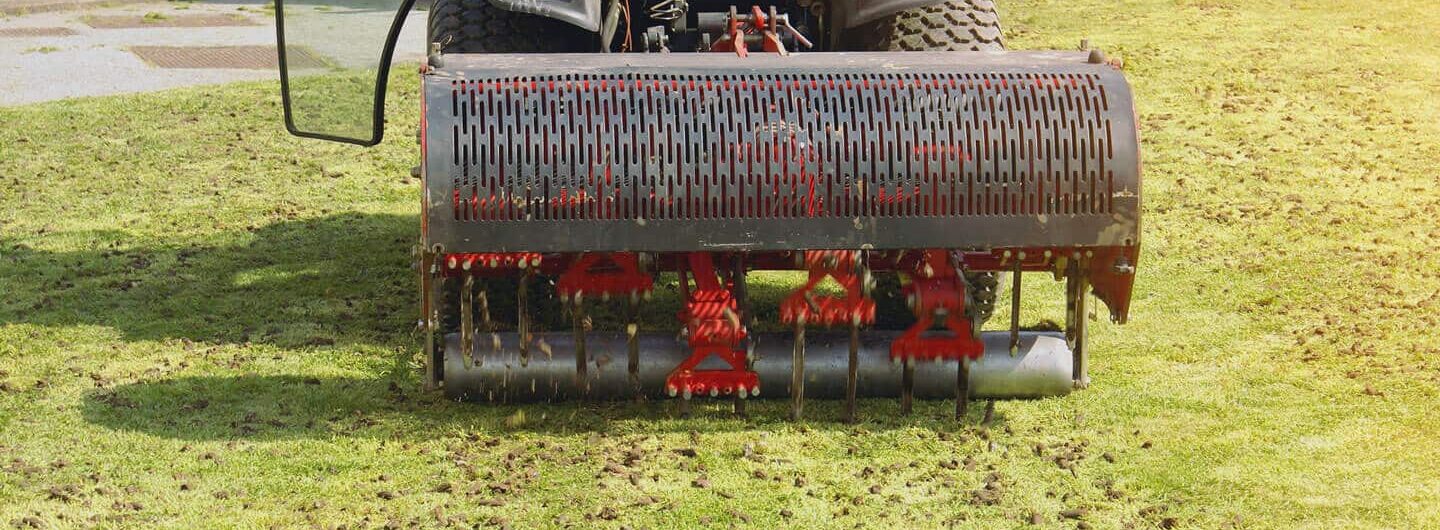
- Tow-Behind Rollers:These connect to a lawn tractor or ATV and cover large lawns quickly.
Additional Equipment
Besides the roller, some extra tools help make lawn rolling safer and more efficient.
| Equipment | Purpose | Notes |
| Lawn Rake | Clear debris before rolling | Removes leaves and sticks |
| Water Hose | Fill water rollers | Ensure proper weight |
| Protective Gloves | Protect hands during handling | Use for safety |
| Measuring Tape | Check lawn area size | Helps plan rolling passes |

Credit: balajinursery.org
Preparing Your Lawn
Rolling your yard helps make your lawn smooth and even. Preparing the lawn correctly makes rolling easier and more effective.
Good preparation helps grass grow healthy after rolling. It also prevents damage to the lawn.
Mowing And Watering
Start by mowing your lawn short but not too close. This helps the roller reach the soil better.
Water your lawn a day before rolling. The soil should be moist but not wet or muddy.
- Mow grass to about 2-3 inches tall
- Water lawn lightly 24 hours before rolling
- Avoid rolling on very dry or very wet soil
Clearing Debris
Remove sticks, stones, and leaves from the lawn. Debris can block the roller and harm the grass.
Check the entire yard carefully. Clear all objects that might cause bumps or damage.
- Pick up large stones and sticks
- Rake leaves and small debris
- Check for any leftover garden tools
Step-by-step Rolling Process
Rolling your yard helps to flatten the soil and improve grass growth. Follow these steps for a smooth, even lawn.
This guide will explain how to fill the roller, use the correct rolling pattern, and apply pressure effectively.
Filling The Roller
Before you start, you need to fill the roller with water or sand. This adds weight, making it effective for flattening the soil.
Ensure the roller is filled evenly to prevent tipping. Check for leaks before starting.
- Use a garden hose for water filling
- Use a funnel if filling with sand
- Secure the cap tightly after filling
Rolling Pattern And Technique
Start rolling in straight lines across the length of your yard. This ensures even coverage and prevents missed spots.
Overlap each pass slightly to avoid leaving unrolled strips of grass. Turn carefully at the end of each row.
- Begin at one corner of the yard
- Roll in parallel lines
- Overlap about six inches per pass
Multiple Passes And Pressure
Depending on your soil, you might need multiple passes. Heavy clay soil might need more pressure.
Adjust the weight of the roller if necessary. Be gentle with new grass to avoid damage.
- Roll twice for compact soil
- Use less weight on wet soil
- Allow time between passes for soil to settle
Post-rolling Lawn Care
After rolling your lawn, proper care helps it stay healthy and green. This guide explains key steps to follow.
Focus on watering, fertilizing, and checking your lawn’s health regularly to get the best results.
Watering Schedule
Water your lawn deeply but less often to encourage strong roots. Avoid overwatering to prevent disease.
- Water early in the morning for best absorption.
- Give about one inch of water per week.
- Skip watering during rainy days.
- Adjust watering if the grass looks dry or stressed.
Fertilizing Tips
Fertilizer helps grass grow thick and green after rolling. Use the right type and amount for your lawn.
| Fertilizer Type | Best Time to Apply | Frequency |
| Slow-release nitrogen | Early spring | Every 6-8 weeks |
| Phosphorus-rich | At seeding or repair | Once per season |
| Potassium fertilizer | Late fall | Once per year |
Monitoring Lawn Health
Check your lawn often for signs of pests, diseases, or stress. Early detection saves your grass.
- Yellow or brown spots
- Thin or bare patches
- Unusual insect activity
- Fungus or mold growth
Use natural treatments or contact a lawn care expert if problems continue.
Common Mistakes To Avoid
Rolling your yard is important for a smooth and healthy lawn. Avoid common mistakes to keep your lawn in top shape.
Understanding these mistakes will help you maintain your yard better. Let’s look at some errors people make when rolling their yard.
Rolling Too Often
Many people think rolling the yard often is good. But frequent rolling can damage the grass. It compacts the soil and hurts the roots.
It is best to roll your lawn only once or twice a year. This helps to prevent soil compaction and keeps the grass healthy.
Using Excessive Weight
Heavy rollers can press the soil too much. This can make it hard for water and air to reach the roots. Your grass may not grow well.
Choose a roller that is light and easy to handle. This helps keep the soil loose and healthy for grass growth.
Ignoring Soil Conditions
Not checking the soil before rolling can cause problems. Wet soil can be easily compacted, while dry soil may not need rolling.
Always check the soil moisture and type before you roll. Roll only when the soil is slightly damp for the best results.
- Wet soil may become too compacted
- Dry soil may not benefit from rolling
- Ideal soil condition is slightly damp
:strip_icc()/bhg-excavating-tools_EDNclBiqKUXAQ2GOSD4JP5-83b2610bdddf4bb780bec22ba1a10d19.jpg)
Credit: www.bhg.com
Tips For Different Lawn Types
Rolling your yard helps keep the soil level and supports healthy grass growth.
Different lawns need different rolling techniques. This guide covers cool-season, warm-season, and new lawns.
Cool-season Grasses
Cool-season grasses grow best in spring and fall. They need gentle rolling to avoid soil compaction.
- Roll when soil is moist but not wet.
- Use a light roller to prevent crushing roots.
- Avoid rolling during hot summer days.
- Roll along the lawn’s length, not across it.
Warm-season Grasses
Warm-season grasses grow during the summer and need firmer soil for strong roots.
| Tip | Details |
| Timing | Roll in late spring or early summer |
| Soil Moisture | Roll when soil is dry to firm |
| Pressure | Apply medium pressure for best results |
| Frequency | Roll 1-2 times per season |
Newly Seeded Lawns
New lawns need careful rolling to protect seeds and help soil settle evenly.
Follow these tips:
- Roll lightly right after spreading seeds
- Do not roll if soil is too wet
- Use a roller that won’t dig into the soil
- Water gently after rolling
Frequently Asked Questions
What Equipment Is Needed For Rolling A Yard?
Essential tools include a lawn roller, hose, mower, and rake. These help flatten soil and smooth the lawn efficiently.
How Often Should You Roll Your Lawn?
Roll your lawn in early spring or fall for best results. Avoid frequent rolling to prevent soil compaction and damage.
Can Rolling Improve Lawn Health?
Yes, rolling helps level uneven soil, improving grass growth and appearance. It also reduces water pooling and enhances lawn care.
What Steps Ensure Effective Yard Rolling?
Mow the grass short, water the soil, roll slowly, and avoid wet or frozen ground. Follow these for a smooth, healthy lawn.
Conclusion
Rolling your yard takes patience and clear steps. Follow each step carefully for best results. Keep your tools ready and your space clean. Take breaks to avoid mistakes and stay focused. Small efforts each day bring a healthy, neat yard.
Practice makes the process easier and faster. Enjoy watching your yard transform bit by bit. Your hard work will show in the end. Keep this guide handy for your next yard project. Simple steps lead to great outdoor spaces.

