
Are you wondering if you should water your lawn right after fertilizing? It’s a simple question, but the answer can make a big difference in how healthy and green your grass grows.
Watering at the wrong time or skipping it altogether might waste your effort and money. But when done correctly, it can help your lawn soak up nutrients faster and stay lush longer. Keep reading to find out exactly what you need to do to get the best results from your fertilizer—and make your lawn the envy of the neighborhood.

Credit: www.coryslawnservice.com
Benefits Of Fertilizing Lawns
Fertilizing your lawn helps keep grass healthy and green. It gives the grass important nutrients it needs to grow well.
Watering after fertilizing helps the nutrients reach the roots. This makes the fertilizer work better for your lawn.
Nutrient Boost For Grass
Fertilizer adds key nutrients like nitrogen, phosphorus, and potassium. These nutrients help grass grow strong and healthy.
Without enough nutrients, grass can turn yellow and weak. Fertilizing prevents this by feeding the lawn what it needs.
Improved Growth And Color
Fertilizer helps grass grow faster and thicker. It also makes the grass a deeper green color.
A well-fed lawn looks fresh and healthy. This improves the overall appearance of your yard.
Enhanced Root Development
Fertilizer supports strong root growth. Healthy roots help grass absorb water and nutrients better.
Strong roots make the lawn more drought-resistant and less likely to get damaged.
Role Of Watering After Fertilizing
Watering your lawn after fertilizing is very important. It helps the fertilizer work better and keeps your grass healthy.
Without water, fertilizer can stay on the grass surface and not reach the roots. This can reduce how well it feeds your lawn.
Activating Fertilizer Nutrients
Water helps break down fertilizer granules so nutrients can reach the soil. This makes it easier for grass roots to absorb food.
When you water after fertilizing, it starts the chemical process that releases nitrogen, phosphorus, and potassium into the ground.
- Breaks down fertilizer granules
- Makes nutrients available to roots
- Speeds up nutrient release
Preventing Fertilizer Burn
Some fertilizers have salts that can burn grass leaves if left dry. Water helps wash these salts away from the grass blades.
Watering after fertilizing reduces the risk of brown spots or dry patches on your lawn caused by fertilizer burn.
- Washes off harmful salts
- Protects grass leaves from damage
- Keeps lawn green and healthy
Promoting Even Distribution
Water spreads fertilizer nutrients evenly into the soil. This helps all parts of your lawn get the right amount of food.
Without water, fertilizer can stay clumped or uneven, causing patchy growth and weak spots in your grass.
- Moves nutrients into the soil
- Prevents clumps on grass
- Supports uniform lawn growth
When To Water After Fertilizing
Watering after fertilizing your lawn helps nutrients reach the grass roots. Timing your watering is important for best results.
Different fertilizers and weather conditions change the best time to water. Check your lawn’s soil moisture before watering.
Timing Based On Fertilizer Type
Liquid fertilizers usually need watering right after application. This helps the nutrients soak into the soil fast.
Granular fertilizers need a light watering soon after spreading. This stops the granules from blowing away and starts dissolving them.
- Water liquid fertilizer immediately after application.
- Water granular fertilizer within 24 hours.
- Slow-release fertilizers may need less frequent watering.
Weather Considerations
Water your lawn after fertilizing if no rain is expected soon. Rain helps dissolve fertilizer but heavy rain can wash it away.
During hot and dry weather, water right after fertilizing to avoid burning the grass. In cooler or wet weather, you can wait longer.
- Water immediately if the weather is dry and hot.
- Wait if rain is forecast within 24 hours.
- Avoid watering before heavy rain to prevent runoff.
Soil Moisture Levels
Check soil moisture before watering after fertilizing. If the soil is dry, water your lawn to help fertilizer absorb.
If the soil is already moist, wait a day before watering to avoid overwatering. Too much water can wash away nutrients.
- Water soon if soil is dry to touch.
- Wait if soil feels damp or wet.
- Use a soil moisture meter for accurate checking.

Credit: www.youtube.com
How Much Water To Use
Watering your lawn after fertilizing helps the nutrients soak into the soil. It also prevents the fertilizer from burning the grass.
Knowing the right amount of water to use is important. Too little or too much water can reduce fertilizer effectiveness.
Avoiding Overwatering
Overwatering can wash away fertilizer and cause runoff. This wastes fertilizer and harms nearby plants or water sources.
Too much water also makes soil soggy. This stops air from reaching the grass roots, which can hurt your lawn.
- Water just enough to soak the fertilizer into the soil
- Stop watering if you see puddles or runoff
- Check soil moisture before watering again
Recommended Watering Amounts
After applying fertilizer, water your lawn with about half an inch of water. This amount helps wash the fertilizer into the soil.
You can measure water by placing a rain gauge or empty can in the lawn. Water until it collects half an inch.
- Use a sprinkler or hose for even watering
- Water slowly to avoid runoff
- Water during early morning or late afternoon
Adjusting For Lawn Type
Different grass types need different water amounts after fertilizing. Some grasses absorb water quickly, others slowly.
| Lawn Type | Water Amount After Fertilizing |
|---|---|
| Cool-season grasses | About 0.5 inch |
| Warm-season grasses | 0.25 to 0.5 inch |
| Newly seeded lawns | Light watering multiple times |
Adjust watering based on your lawn’s needs and soil type. Sandy soil drains faster and may need more water.
Common Mistakes To Avoid
Fertilizing your lawn is important for its health and growth. But watering it correctly after fertilizing is just as crucial.
Here are some common mistakes to avoid when watering your lawn after applying fertilizer.
Skipping Watering Completely
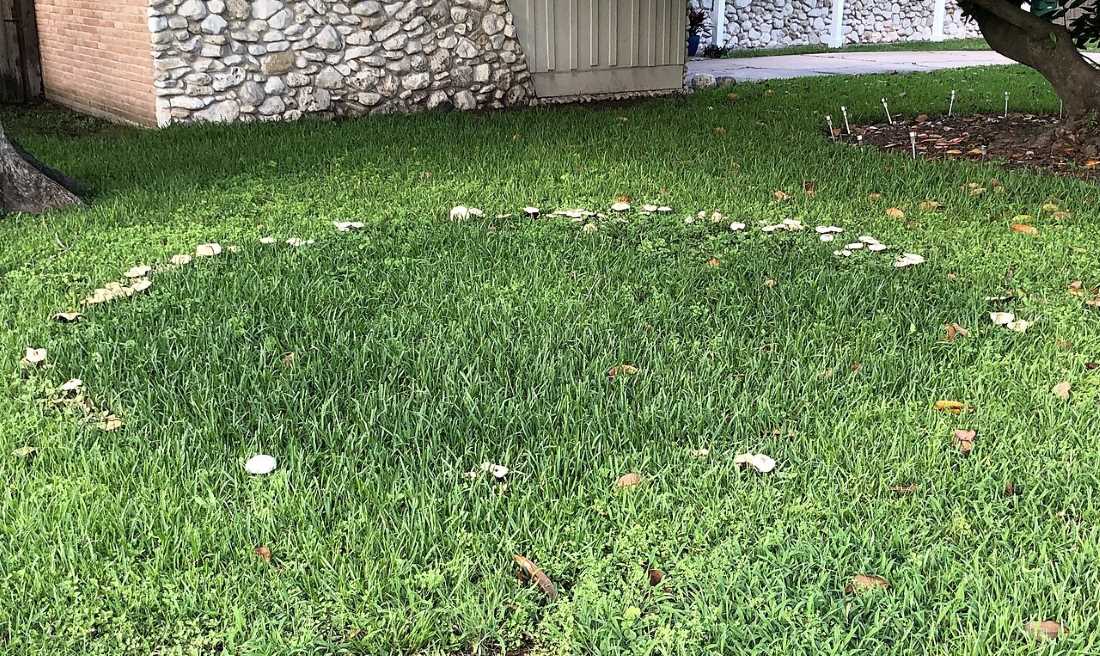
Some people forget to water their lawn after fertilizing. This can cause the fertilizer to sit on the grass and burn it.
| Problem | Result |
| Fertilizer left on grass | Burns the grass |
| No water | Fertilizer not absorbed |
Watering Too Soon Or Too Late
Timing is everything when watering after fertilizing. Doing it too soon or too late can make the fertilizer less effective.
- Water too soon: Washes away fertilizer.
- Water too late: Fertilizer does not reach roots.
Using Too Much Fertilizer
Applying too much fertilizer can harm your lawn. It is important to follow the recommended amounts on the package.
Excessive fertilizer can lead to chemical burns and other issues for your grass.
Credit: trynutripod.com
Expert Tips For Best Results
Fertilizing your lawn helps grass grow strong and green. Knowing if you should water after fertilizing is important. Water helps fertilizer soak into the soil and reach the roots.
Follow these expert tips to get the best results from your lawn care routine. Proper fertilizer choice, aeration, and lawn health checks make a difference.
Choosing The Right Fertilizer
Select fertilizer based on your lawn type and soil needs. Different fertilizers have various nutrient mixes to support growth.
- Use slow-release fertilizers for steady feeding.
- Choose fertilizers with balanced nitrogen, phosphorus, and potassium.
- Consider organic fertilizers for natural soil improvement.
- Check the fertilizer label for application rates and instructions.
Combining Fertilizing With Aeration
Aeration creates small holes in the soil to help air, water, and nutrients reach grass roots. Fertilize after aeration for better absorption.
| Task | Benefit |
| Aeration | Improves soil oxygen and water flow |
| Fertilizing | Supplies essential nutrients |
| Watering After Fertilizing | Helps nutrients soak into soil |
Monitoring Lawn Health
Check your lawn regularly for signs of stress or nutrient deficiency. Adjust watering and fertilizing based on grass color and growth.
- Look for brown or yellow patches.
- Test soil moisture before watering.
- Use a soil test kit to check nutrient levels.
- Water early in the morning for best results.
Frequently Asked Questions
Should You Water Lawn After Fertilizing?
Yes, watering after fertilizing helps nutrients absorb into the soil. It prevents fertilizer burn and promotes even distribution. Watering also activates the fertilizer, making nutrients available to grass roots faster.
How Soon Should I Water Lawn After Fertilizer?
Water your lawn within 24 hours after applying fertilizer. This timing helps the nutrients soak into the soil efficiently. Avoid watering too late, as fertilizer may dry out and cause leaf burn.
Can Watering Lawn Before Fertilizing Help?
Watering before fertilizing moistens the soil, which aids nutrient absorption. However, avoid overwatering as it can wash away fertilizer. A light watering before fertilizing is ideal for best results.
Does Watering Lawn After Fertilizer Prevent Burn?
Yes, watering immediately after fertilizing reduces the risk of fertilizer burn. It dilutes concentrated nutrients and stops grass blades from drying out. Proper watering ensures a healthy, green lawn without damage.
Conclusion
Watering your lawn after fertilizing helps nutrients soak into the soil. It keeps grass healthy and green. Too much water can wash fertilizer away, so water lightly. Choose the right time, like early morning or late afternoon. This simple step supports strong roots and reduces lawn stress.
Remember, balanced care leads to a beautiful yard all season long.

