
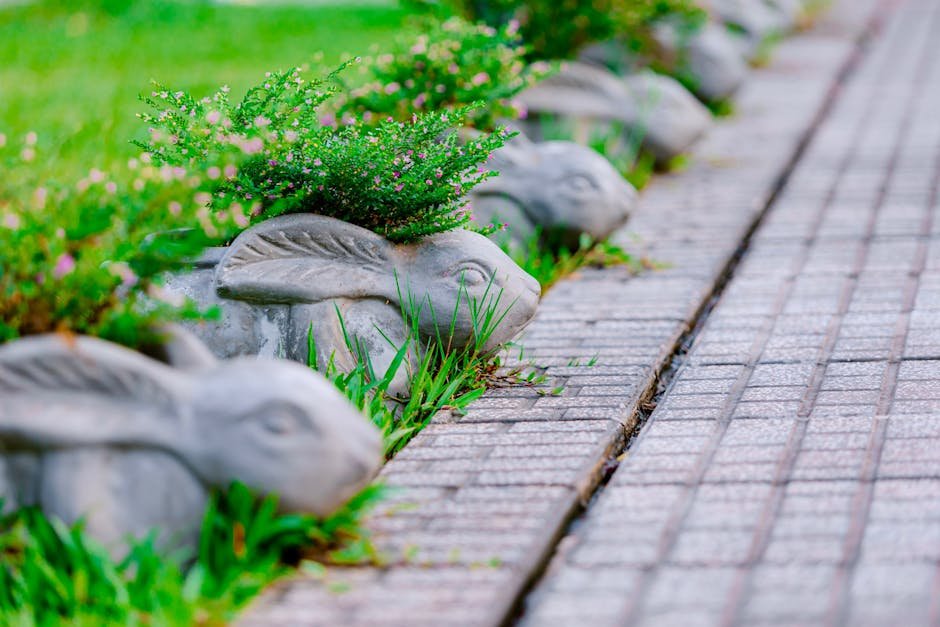
Are you looking to give your lawn a fresh, polished look that makes your outdoor space stand out? Lawn edging is a simple yet powerful way to transform your garden’s appearance.
Whether you want clean lines, creative shapes, or something totally unique, the right edging design can add style and structure to your yard. You’ll discover easy and inspiring lawn edging ideas that fit your taste and budget. Keep reading to find the perfect design that will make your lawn the envy of the neighborhood.
Credit: www.hgtv.com
Choosing Materials
Choosing the right materials for lawn edging shapes your garden’s look. The material affects durability and style.
Think about the climate, maintenance, and your garden’s theme before deciding.
Natural Stone Options
Natural stones add a classic and sturdy edge to your lawn. They blend well with plants and soil.
- Granite offers strong, long-lasting edging.
- Limestone has a soft, warm color.
- Slate provides a smooth, sleek look.
- Fieldstone creates a rustic and natural style.
Metal Edging Styles
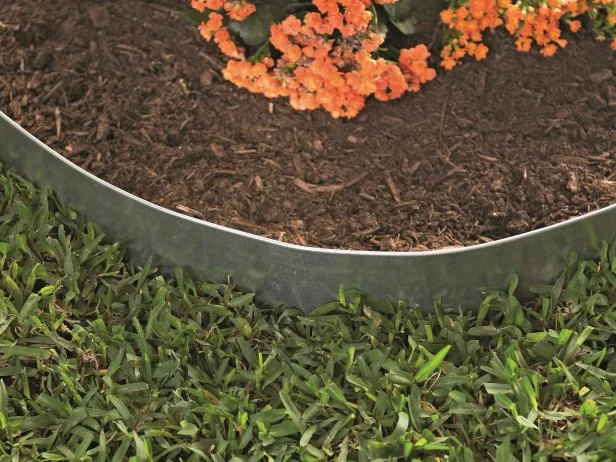
Metal edging gives a modern and clean line between grass and garden beds. It is flexible and easy to shape.
| Metal Type | Benefits | Drawbacks |
|---|---|---|
| Steel | Strong, long-lasting | Can rust if not coated |
| Copper | Elegant look, resists rust | More expensive |
| Aluminum | Lightweight, rust-proof | Less durable under heavy impact |
Wood And Timber Choices
Wood adds a warm and natural feel to your lawn edges. It suits cottage and country garden styles well.
- Cedar resists decay and insects.
- Redwood is strong and lasts long.
- Pine is affordable but needs treatment.
- Recycled wood is eco-friendly.
Plastic And Composite Edging
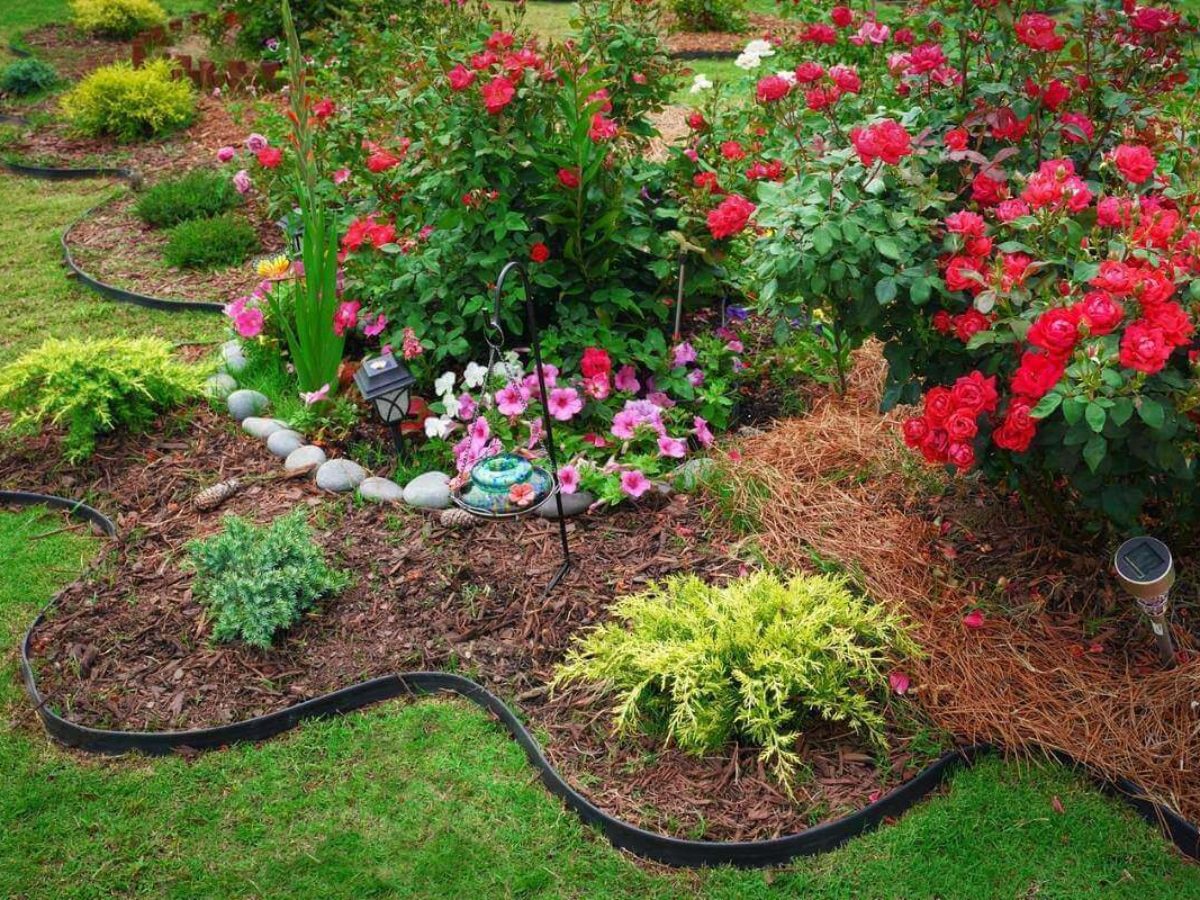
Plastic and composite edging options offer easy installation and low maintenance. They resist weather damage.
| Material | Pros | Cons |
|---|---|---|
| Plastic | Affordable, flexible, easy to cut | Can fade or crack in sun |
| Composite | Durable, looks like wood, weather resistant | More costly than plastic |
Credit: www.jtdbuildingsupplies.co.uk
Creative Shapes And Patterns
Lawn edging adds style and structure to your garden. Choosing the right shape can change your outdoor space.
Creative patterns bring charm and uniqueness to your lawn design. They help guide the eye and define areas.
Curved Vs Straight Lines
Curved lines offer a soft, natural look for garden edges. They mimic nature and create flow.
Straight lines give a clean and modern feel. They work well for formal gardens and neat spaces.
Geometric Patterns
Geometric edging uses shapes like squares, triangles, and circles. These can make the lawn look artistic and planned.
- Diamond shapes add a dynamic feel.
- Hexagons create a honeycomb effect.
- Checkerboard patterns bring a playful style.
- Repeating triangles offer a rhythmic look.
Layered And Raised Edging
Layered edging uses multiple levels to add depth. Raised edges help control soil and plants.
| Type | Benefit | Material |
| Single Layer | Simple border | Stone, Wood |
| Double Layer | More depth and style | Brick, Concrete |
| Raised Edge | Better soil retention | Metal, Stone |
Combining Edging With Plants
Using plants with lawn edging adds beauty and structure to your garden. It helps define spaces and brings color close to the ground.
Choosing the right plants to pair with edging creates a neat and natural look. This guide shows ideas to combine edging with different plants.
Flower Border Integration
Flower borders next to edging create a colorful frame for your lawn. Choose flowers that bloom at different times for year-round charm.
- Plant low-growing flowers to avoid covering the edging
- Use bright colors to highlight the lawn edge
- Mix perennials and annuals for variety
- Keep flowers trimmed to maintain clear borders
Using Shrubs And Hedges
Shrubs and hedges add height and texture near lawn edging. They can act as a natural fence or backdrop for smaller plants.
| Shrub Type | Height | Care Level |
| Boxwood | 2-4 feet | Medium |
| Lavender | 1-3 feet | Low |
| Azalea | 3-5 feet | Medium |
| Holly | 4-6 feet | High |
Ground Covers And Edging
Ground covers grow close to the soil and spread easily. They soften the look of edging and reduce weeds.
Popular ground covers to plant with edging:
- Creeping Thyme – fragrant and blooms small purple flowers
- Irish Moss – dense, bright green and soft
- Blue Star Creeper – tiny blue flowers with spreading habit
- Ajuga – colorful leaves and blue flower spikes
Credit: www.homebuilding.co.uk
Diy Lawn Edging Tips
Lawn edging makes your yard look neat and organized. You can create your own edging with simple tools. This guide will help you get started.
Good lawn edging keeps grass from growing into flower beds. It also adds a clear border to your garden areas.
Tools You Need
Gathering the right tools makes lawn edging easier and faster. You do not need many tools to start your project.
- Garden spade or edging shovel
- String and stakes for marking
- Rubber mallet or hammer
- Measuring tape
- Gloves to protect your hands
- Wheelbarrow for moving soil or debris
Step-by-step Installation
Start by marking the edge line with string and stakes. This keeps your edging straight and neat.
Use a garden spade to dig a narrow trench along the marked line. The trench should be deep enough to hold the edging material.
- Lay your chosen edging material in the trench
- Tap the edging down with a rubber mallet to secure it
- Fill the trench with soil to hold the edging in place
- Press soil firmly around the edging for stability
- Remove the string and clean up the area
Maintenance And Care
Regular maintenance keeps your lawn edging looking good. Check it often for damage or movement.
Remove grass or weeds that grow near the edging to keep a clean look. Repair or replace any broken parts quickly.
- Trim grass along the edge with a string trimmer
- Clear soil or mulch that covers the edging
- Inspect edging after storms or heavy rain
- Replace damaged sections as needed
Edging For Different Garden Styles
Lawn edging shapes the look of your garden. It separates grass from flower beds and paths. Choosing the right edging fits your garden style well.
Different garden styles need different edging materials and designs. This guide shows ideas for three popular styles.
Modern Minimalist Gardens
Modern minimalist gardens focus on clean lines and simple shapes. Edging should match this neat look. Materials like metal, concrete, or smooth bricks work well.
Low edging keeps the garden looking open and tidy. Straight edges and geometric shapes fit the style.
- Steel or aluminum strips for sharp lines
- Polished concrete edges for a sleek feel
- Simple brick rows with straight edges
Rustic And Cottage Gardens
Rustic and cottage gardens feel cozy and natural. Edging here should look soft and blend with nature. Wood, stone, or bricks with rough textures are good choices.
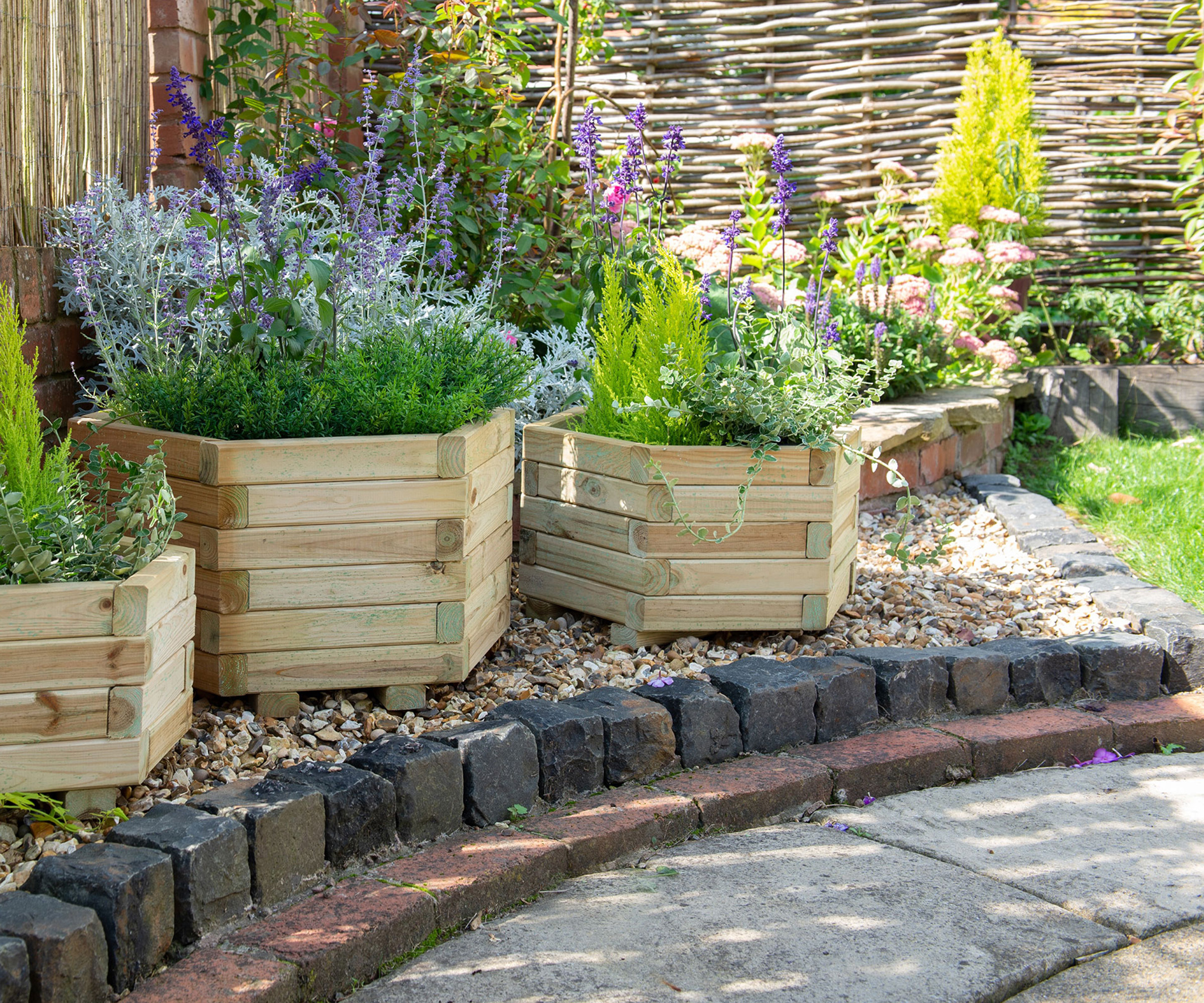
Curved or uneven edges add charm. You can use old logs, natural stones, or weathered bricks to create a warm look.
- Stacked natural stones for a rugged edge
- Wooden logs or planks for a warm feel
- Uneven brick edges to add character
Formal And Traditional Gardens
Formal gardens show order and balance. Edging here should be neat and strong. Materials like cut stone, concrete, or brick work best.
Straight lines and sharp corners create a classic look. Edging may also include low hedges for a green border.
- Cut stone blocks for strong edges
- Red or brown bricks in straight rows
- Low boxwood hedges for a green edge
Eco-friendly Edging Ideas
Lawn edging helps keep gardens neat and tidy. Choosing eco-friendly options protects the environment.
Eco-friendly edging ideas use natural or recycled materials. They reduce waste and support healthy soil.
Recycled Materials
Using recycled materials for lawn edging saves resources. It also lowers the amount of trash in landfills.
Old bricks, wood, and metal can be reused to create strong borders. These materials add character to your garden.
- Reclaimed wood from pallets or fences
- Used bricks or stones from construction sites
- Scrap metal shaped into borders
Living Edging Solutions
Living edging uses plants to mark garden borders. It adds beauty and helps nature thrive in your yard.
Plants like low hedges, grasses, or ground covers can form soft, natural edges. These plants attract pollinators and improve soil health.
- Boxwood or lavender for small hedges
- Ornamental grasses for gentle borders
- Ground covers like creeping thyme or sedum
Sustainable Practices
Sustainable edging practices focus on long-term care. They reduce waste and protect local wildlife.
Choose materials that last and need little maintenance. Avoid plastic or chemical treatments that harm the environment.
- Use natural stone or untreated wood
- Install edging with minimal soil disruption
- Maintain edges with hand tools, not chemicals
Frequently Asked Questions
What Are Popular Materials For Lawn Edging Design?
Popular lawn edging materials include brick, stone, metal, plastic, and wood. Each offers unique style and durability. Choose based on your garden’s look and maintenance needs.
How Does Lawn Edging Improve Garden Appearance?
Lawn edging creates clean boundaries between grass and garden beds. It enhances overall landscape design, making your yard look neat and well-maintained. It also prevents grass from invading flower beds.
Can Lawn Edging Prevent Weed Growth?
Yes, lawn edging acts as a barrier that limits weed spread. It helps contain mulch and soil, reducing weed seeds’ movement. Regular maintenance further improves weed control around edged areas.
How To Choose The Best Lawn Edging Style?
Consider your garden’s theme, durability, and budget when selecting edging style. Match materials with existing landscape elements for harmony. Also, think about installation ease and long-term maintenance.
Conclusion
Choosing the right lawn edging design can change your garden’s look. Clean lines or curved shapes add style and order. Materials like stone, metal, or wood each bring a different feel. Simple designs often work best for easy care. Think about your garden’s size and plants too.
A neat edge keeps grass from spreading into flower beds. It also makes mowing easier and faster. Small changes can make your outdoor space more inviting. Try different ideas and see what fits your home. Your lawn can look fresh and well-kept all year.

