
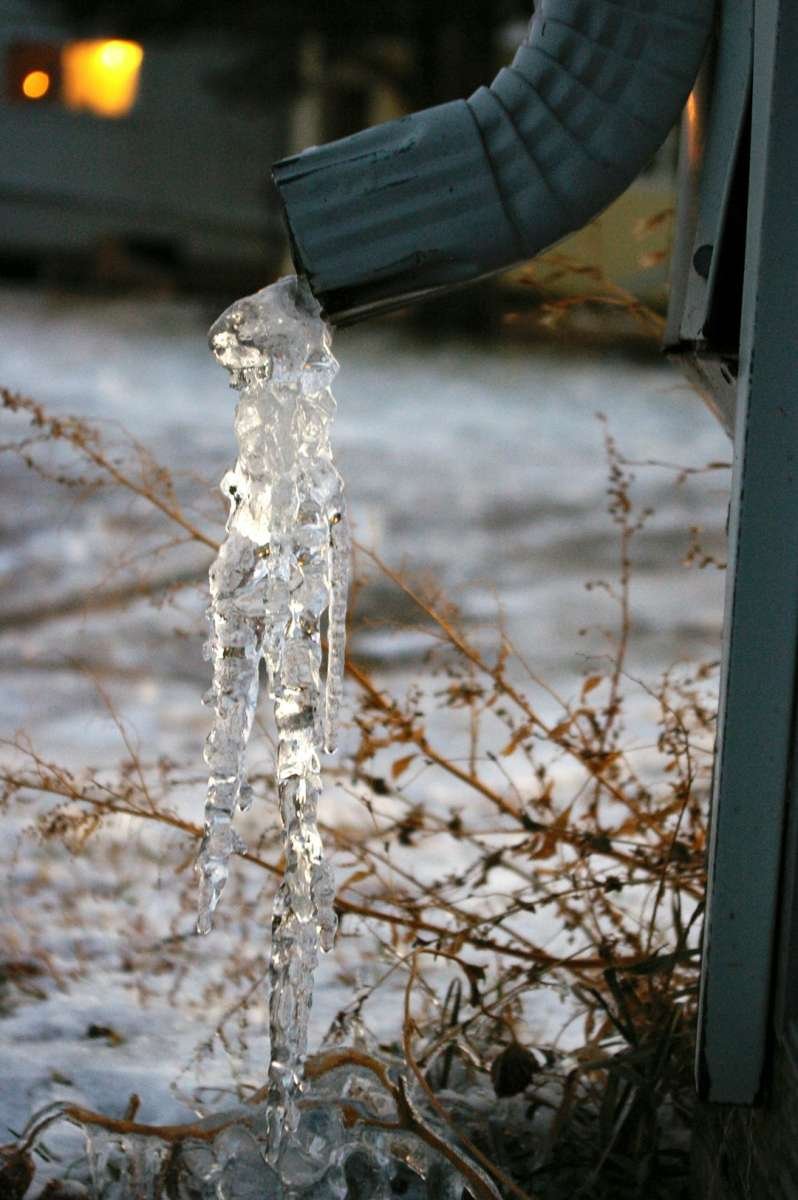
Your outdoor water features add beauty and calm to your space all year round. But when winter comes, freezing temperatures can cause serious damage if you don’t take the right steps.
Imagine waking up to find cracks, leaks, or costly repairs because you missed a simple preparation. You don’t want that hassle or expense. In this guide, you’ll learn easy and effective ways to protect your fountains, ponds, and waterfalls from the cold.
Keep your water features safe and ready to shine again when spring arrives. Let’s dive into how you can winterize them like a pro.
Preparing Water Features For Winter
Preparing your outdoor water features for winter is essential to keep them safe and functional. Cold weather can cause cracks, leaks, and damage. Taking time to prepare helps avoid costly repairs in spring. Proper winterizing also keeps the water feature clean and ready for use when warm weather returns.
Inspecting For Damages
Check the entire water feature for cracks or leaks. Look closely at the basin, pump, pipes, and seals. Small cracks can expand in freezing temperatures. Replace or repair damaged parts before winter sets in. Tighten loose fittings and remove any debris that may cause blockages. Ensure the pump works properly and is free of damage.
Cleaning And Draining Procedures
Remove leaves, dirt, and algae from the water surface and basin. Use a soft brush or cloth to clean the sides. Drain all the water completely to prevent freezing inside pipes and pumps. If draining fully is not possible, add antifreeze safe for fountains. Remove and store the pump indoors to protect it from ice damage. Cover the water feature with a breathable tarp to keep out debris and snow.
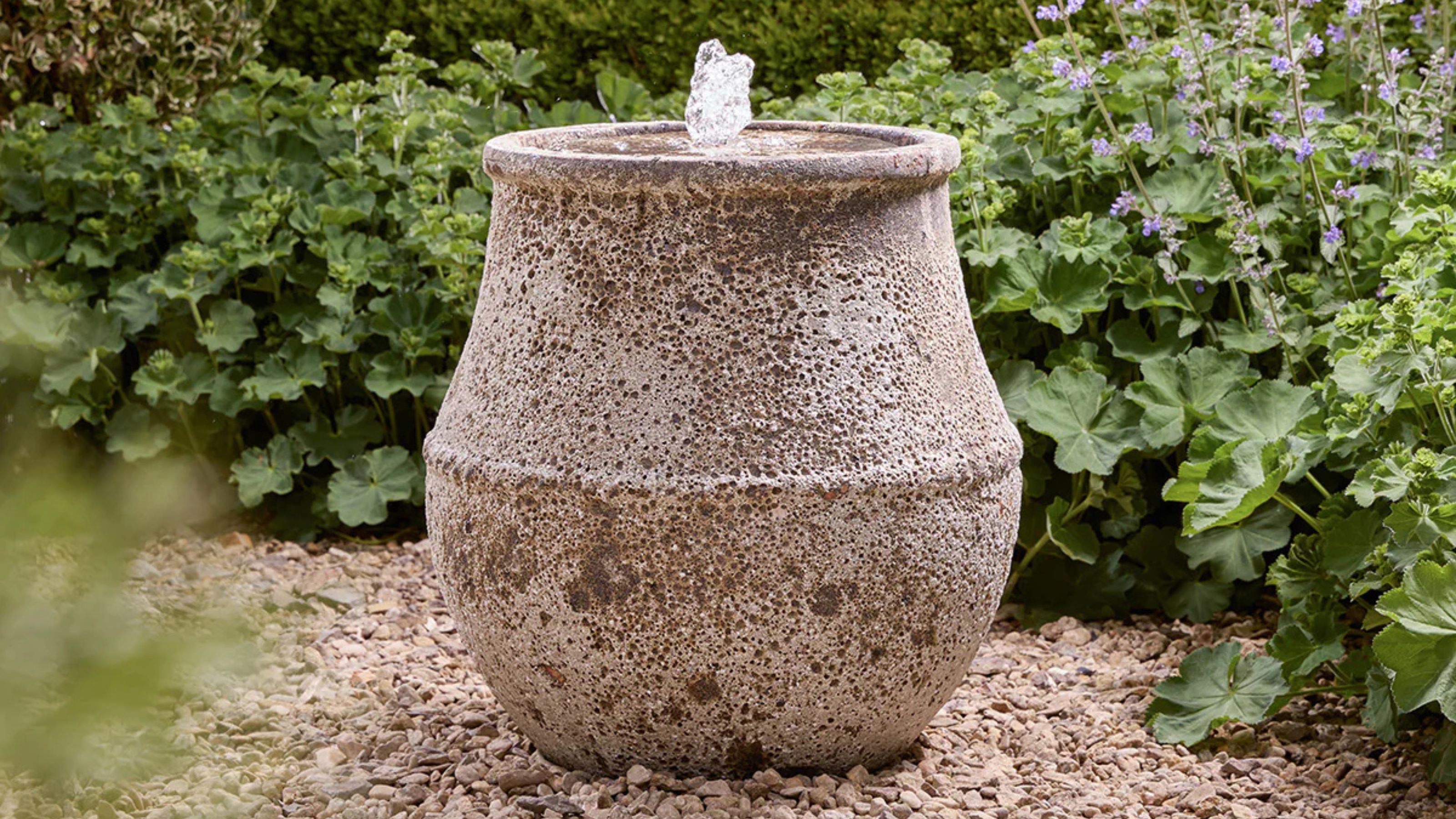
Credit: www.livingetc.com
Protection Against Freezing
Freezing temperatures can cause serious damage to outdoor water features. Water expands as it freezes, which can crack pipes, pumps, and fountains. Protecting your water feature from freezing helps avoid costly repairs and keeps it working longer. Taking simple steps to shield your system from cold prevents ice buildup and bursting.
Winter protection focuses on stopping water from freezing inside pipes and equipment. This keeps everything intact until warmer weather returns. Using the right tools and materials makes a big difference in winterizing outdoor water features.
Using De-icers
De-icers keep water moving and prevent ice from forming. They work by heating the water or lowering the freezing point. Place de-icers in ponds, fountains, or birdbaths to stop ice buildup.
- Choose a safe, low-voltage de-icer for outdoor use.
- Install it where water flow is strongest.
- Check the device regularly to ensure it works properly.
- Unplug it during storms or extreme cold to avoid damage.
De-icers help maintain water flow and protect fish and plants in ponds. They are an easy and effective way to prevent freezing damage.
Insulating Pipes And Fountains
Insulation stops cold air from reaching water pipes and fountains. Wrap pipes with foam sleeves or heat tape for extra protection. Cover fountain bases with weatherproof blankets or foam boards.
- Use foam pipe insulation to cover all exposed pipes.
- Secure insulation with waterproof tape or zip ties.
- Apply heat tape on pipes in very cold areas.
- Wrap fountains with thick fabric or bubble wrap.
- Remove insulation during warm days to avoid moisture buildup.
Good insulation reduces heat loss and prevents freezing cracks. It also lowers energy costs if you use heaters or pumps.
Covering And Storage Tips
Covering and storing outdoor water features properly protects them from harsh winter weather. It prevents damage caused by ice, snow, and freezing temperatures. Taking simple steps to cover and store parts extends their life and keeps them ready for spring use.
Choosing The Right Covers
Select covers that fit snugly over your water features. Use materials that are waterproof and durable. Look for covers with reinforced edges to prevent tearing. Avoid thin plastic sheets that can crack in cold weather.
Consider breathable covers to reduce moisture buildup. This stops mold and mildew from forming. Secure covers tightly with ropes or bungee cords. Loose covers allow debris and water to enter.
Storing Removable Components
Remove pumps, filters, and lights before winter arrives. Clean them thoroughly to remove dirt and algae. Dry all parts completely to avoid mold and rust.
Store components in a dry, frost-free space. Use labeled containers or boxes for easy access. Wrap fragile parts in soft cloth or bubble wrap. This prevents damage during storage.
Maintaining Pumps And Filters
Maintaining pumps and filters is vital for outdoor water features during winter. Proper care prevents damage from freezing temperatures. It also extends the life of your equipment. Clearing debris and storing parts correctly keeps your pump and filter ready for spring. Follow simple steps for cleaning and winter filter maintenance.
Cleaning And Storing Pumps
Start by unplugging the pump from the power source. Remove it carefully from the water feature. Drain all water from inside the pump to avoid freezing damage. Use a soft brush to clean dirt and algae from the pump parts. Rinse with clean water but avoid harsh chemicals. Let the pump dry completely before storage.
Store the pump in a dry, cool place. Avoid areas with freezing temperatures. Keep it away from direct sunlight or moisture. Use a plastic bag or container to protect it from dust. Check the pump for cracks or wear before storing.
Filter Maintenance During Winter
Remove the filter from your water feature and rinse it well. Clear out leaves, mud, and other debris that can cause blockages. Use a hose or soft brush for cleaning, not strong chemicals. Let the filter dry thoroughly to prevent mold growth. Some filters need soaking in a cleaning solution; follow the manufacturer’s instructions.
Store the filter in a dry, frost-free place. Avoid stacking heavy objects on top of it to keep its shape intact. Regularly inspect the filter for damage before reinstalling in spring. Replacing worn filters improves water flow and feature performance.
Managing Pond And Waterfall Features
Managing pond and waterfall features during winter requires special care to protect both the structure and the living creatures inside. Without proper attention, your outdoor water features can suffer damage from freezing temperatures. Taking the right steps now saves you time and money when spring arrives.
Handling Fish And Aquatic Plants
Fish need oxygen and a stable environment to survive the cold months. Avoid feeding them as water temperature drops below 50°F (10°C), since their metabolism slows down and uneaten food can pollute the water.
Keep a hole in the ice open to allow gas exchange by using a floating de-icer or placing a small heater designed for ponds. This prevents toxic gases from building up under the ice.
Aquatic plants should be trimmed back and moved to deeper areas if possible. Hardy plants can stay submerged, but delicate species might need to be brought indoors or placed in a frost-free spot.
Winterizing Waterfalls
Waterfalls are prone to damage from ice expansion, so it’s crucial to drain the system completely before freezing temperatures hit. Remove all water from pumps, pipes, and filters to avoid cracks and malfunctions.
Disconnect electrical components and store them in a dry, warm place. Cover the waterfall basin with a protective tarp to keep debris out and reduce the risk of ice damage.
Have you checked the seals and joints recently? Tightening or replacing worn parts now prevents leaks and keeps your waterfall running smoothly next season.

Credit: fountains.com
Essential Tools And Materials
Preparing your outdoor water features for winter requires specific tools and materials. Using the right supplies protects pumps, pipes, and fountains from freezing damage. Gather all essentials before starting to ensure a smooth winterizing process.
Selecting The Right Equipment
Choose tools that match the size and type of your water feature. A submersible pump helps remove water efficiently. Use a shop vacuum for small water spots. Insulation foam protects exposed pipes. Drain plugs prevent water from collecting inside.
- Submersible pump
- Shop vacuum
- Insulation foam or pipe wrap
- Drain plugs or stoppers
- Soft towels or rags
- Non-toxic antifreeze (if needed)
Where To Buy Winterizing Supplies
Home improvement stores stock most winterizing materials. Garden centers often carry pond and fountain care items. Online retailers offer a wide selection with customer reviews. Check local hardware shops for last-minute needs. Buy early to avoid out-of-stock problems.
Common Mistakes To Avoid
Winterizing outdoor water features requires care and attention. Many make simple mistakes that cause damage or extra work later. Avoiding these errors helps protect your investment and saves money. Here are common mistakes to watch out for during winter preparation.
Neglecting Regular Checks
Ignoring your water feature after winterizing can cause problems. Ice buildup and debris can still harm the system. Check the feature often for cracks, leaks, or blockages. Small issues caught early prevent costly repairs. Do not assume everything is fine once winterizing is done.
Improper Storage Techniques
Removing parts from your water feature needs care. Storing pumps, filters, and accessories incorrectly can lead to damage. Avoid placing heavy items on delicate parts. Keep components dry and clean before storage. Use original packaging or soft cloths to protect fragile items. Proper storage extends the life of your equipment.

Credit: www.livingetc.com
Frequently Asked Questions
How Do I Prepare Outdoor Water Features For Winter?
Drain all water, clean debris, and disconnect pumps. Cover the feature to prevent ice damage. Follow manufacturer winterizing instructions.
When Is The Best Time To Winterize Water Features?
Late fall, before freezing temperatures arrive, is ideal. This prevents water damage and extends the feature’s lifespan.
Can I Leave Water In My Outdoor Fountain During Winter?
No, water left can freeze and crack the fountain. Always drain and dry your water features completely before winter.
What Materials Protect Water Features From Winter Damage?
Use weatherproof covers or tarps. Insulating foam and sealants also help protect pipes and surfaces from freezing.
Conclusion
Winterizing outdoor water features protects them from cold damage. Drain all water to avoid freezing inside pipes and pumps. Cover features with a tarp or protective cover to keep debris out. Store removable parts indoors to prolong their life. Regular care in winter saves you time and money later.
Taking simple steps now ensures your water features work well next spring. Enjoy peace of mind knowing your garden stays beautiful year-round. Winter care is easy and worth the effort.

