
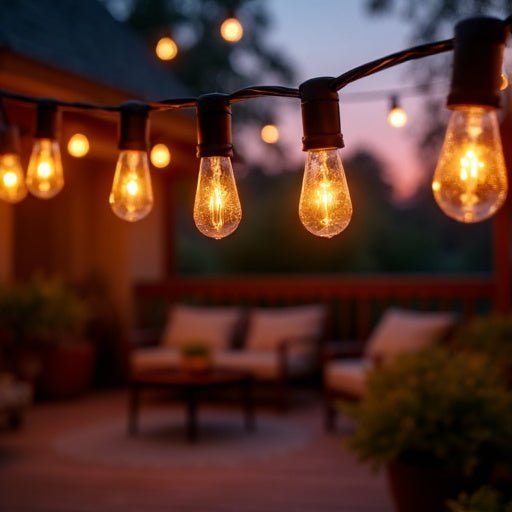
Are you tired of your outdoor string lights flickering or failing every time it rains? Keeping your lights safe from water damage doesn’t have to be complicated or expensive.
Imagine enjoying a cozy evening under glowing lights, no matter the weather. In this guide, you’ll discover simple and effective ways to waterproof your outdoor string lights. By the end, you’ll know exactly how to protect your lights and keep your outdoor space shining bright all year round.
Ready to make your lights last longer and shine brighter? Let’s dive in!

Credit: www.amazon.com
Choosing The Right String Lights
Choosing the right string lights ensures they last longer outdoors. The right lights handle rain, wind, and sun without damage. Consider materials and bulb types to find durable, weatherproof options. This choice saves time and money on replacements.
Weather-resistant Materials
Look for string lights made with materials that resist water and rust. Common weather-resistant materials include:
- Silicone-coated wires that prevent moisture damage
- Plastic or rubber sockets that block water entry
- UV-resistant coatings to avoid sun damage
These materials keep the lights working well in different weather conditions. Avoid lights with thin, exposed wiring or metal parts that can rust quickly.
Led Vs. Incandescent Options
LED string lights use less energy and stay cool during use. They last longer and handle outdoor conditions better. Incandescent bulbs get hot and burn out faster outside.
LEDs also offer brighter light with various color choices. Incandescent bulbs give a warm, classic glow but need more care outdoors. Choose LEDs for durability and safety in wet environments.

Credit: www.amazon.com
Understanding Ip Ratings
Before you buy or install outdoor string lights, understanding their IP rating is crucial. This rating tells you how well the lights are protected against dust and water, which directly affects their durability. Knowing this can save you from costly replacements and ensure your lights shine safely through all weather conditions.
What Ip Ratings Mean
IP stands for Ingress Protection. It’s a code that shows how resistant a product is to solids and liquids.
The code has two digits:
- First digit:Protection against solid objects like dust (ranges from 0 to 6)
- Second digit:Protection against water (ranges from 0 to 9)
For example, an IP65 rating means the product is dust-tight and protected against water jets from any direction. The higher the numbers, the better the protection.
Ideal Ratings For Outdoor Use
For outdoor string lights, you want a minimum of IP44. This rating means the lights are protected against solid objects larger than 1mm and water splashing from any direction.
If you expect your lights to be exposed to heavy rain or even direct water jets, aim for IP65 or higher.
Think about your specific setup. Are your lights under a covered patio or fully exposed in the garden? This affects the level of waterproofing you need.
Have you ever had your lights fail after a rainstorm? Checking the IP rating beforehand can help you avoid that frustration.
Installation Best Practices
Installing outdoor string lights correctly is key to keeping them waterproof and ensuring they last through all weather conditions. Careful planning and attention to detail during installation prevent water damage and electrical issues. Let’s look at some practical tips that help you mount your lights safely and avoid common pitfalls.
Proper Mounting Techniques
Choose sturdy supports like hooks, nails, or brackets designed for outdoor use. Secure the lights without stretching the cords too tight; a bit of slack helps prevent damage from wind or movement.
Use waterproof connectors and seal any exposed wiring with silicone or weatherproof tape. Position the bulbs facing downward or at a slight angle to reduce water pooling inside the sockets.
Test your setup by gently spraying water over the connections before finalizing. This simple check can save you from future headaches.
Avoiding Common Mistakes
Don’t run cords through metal gutters or areas where water collects—this risks short circuits. Avoid using indoor extension cords; they lack the insulation needed for outdoor conditions.
Many people overlook securing the power source. Place plugs and outlets under covered areas, and use outdoor-rated covers to shield them from rain.
Have you ever noticed flickering lights after a rainstorm? This often means water has seeped into the wiring. Protect your investment by double-checking seals and choosing high-quality, weatherproof materials.
Sealing Connections And Plugs
Sealing connections and plugs is a key step to keep outdoor string lights safe and working. Moisture can cause short circuits or damage the wires. Proper sealing stops water from entering the plugs and connections. This extends the life of your lights and keeps them bright through rain or dew.
Focus on protecting every joint where wires meet or plugs connect. Use materials that block water but allow easy access for maintenance. Covering and sealing these parts prevents corrosion and electrical hazards.
Using Weatherproof Sealants
Weatherproof sealants create a strong barrier against water and dust. Apply a silicone or rubber-based sealant around plugs and wire joints. These sealants dry clear and stay flexible, which helps prevent cracks. Sealants also protect against dirt and insects.
- Clean the surfaces before applying sealant.
- Use enough sealant to cover gaps fully.
- Allow the sealant to dry completely before use.
- Check and reapply sealant yearly for best protection.
Protecting Extension Cord Connections
Extension cords are vulnerable spots for water entry. Wrap connections tightly with waterproof tape first. Then cover them with a plastic bag or small waterproof box. Secure the cover with zip ties or rubber bands to keep water out.
- Use outdoor-rated extension cords for better durability.
- Keep connections off the ground to avoid puddles.
- Inspect cords regularly for cracks or damage.
- Replace any damaged cords immediately.
Maintaining Waterproof Performance
Maintaining the waterproof performance of outdoor string lights keeps them safe and functional. Water damage can cause electrical issues or shorten the lights’ lifespan. Regular care helps prevent costly repairs and ensures the lights stay bright and reliable.
Regular Inspection Tips
Check string lights often for signs of wear or damage. Look closely at bulbs, wiring, and plugs. Make sure seals and covers are intact and tight. Remove dirt, dust, and debris that might block water protection. Inspect after heavy rain or strong wind for any new problems.
- Test lights before and after use to spot flickering or outages.
- Examine connections for rust or corrosion.
- Look for cracks or breaks in the plastic casing.
- Ensure cable insulation is smooth, not cracked or frayed.
Repairing Damaged Sections
Fix small problems quickly to avoid bigger damage. Replace broken bulbs or sockets immediately. Use waterproof tape or sealant on minor cracks or splits. For damaged wires, cut out the bad part and reconnect with waterproof connectors. Avoid using regular tape or glue as they do not resist water well.
- Turn off power before starting repairs.
- Use waterproof electrical tape designed for outdoor use.
- Test the lights after repairs to ensure safety and function.
- Replace entire sections if damage is extensive or unsafe.
Seasonal Storage Tips
Storing your outdoor string lights properly during off-seasons is just as important as waterproofing them. Poor storage can cause damage that shortens their lifespan or reduces their brightness. Taking a few simple steps can save you from costly replacements and ensure your lights shine bright year after year.
Safe Removal Procedures
Start by gently unplugging the lights and carefully unwinding them to avoid tangles or breaks. Avoid pulling or yanking on the wires, as this can cause internal damage that’s hard to spot until you plug them in again.
Use a soft cloth or gloves to handle the bulbs, preventing oils from your skin from causing corrosion. If you notice any bulbs that are cracked or loose, replace them before storage to avoid further damage.
Think about the last time you rushed removing your lights—did you find knots or broken strands? Taking your time now prevents that hassle next season.
Optimal Storage Conditions
Choose a dry, cool place away from direct sunlight and extreme temperatures to store your lights. A plastic storage bin with a secure lid works well to keep out moisture and pests.
Wrap the lights around a piece of cardboard or a spool to keep them organized and prevent tangling. Label the container clearly so you can find your lights quickly when the season returns.
Have you ever opened a box to find your lights brittle or moldy? Avoid that by controlling humidity and keeping your storage area well-ventilated.
Enhancing Aesthetic And Functionality
Enhancing the look and functionality of your outdoor string lights goes beyond just hanging them up. Waterproofing these lights ensures they stay vibrant and reliable, even in bad weather. This blend of aesthetics and durability allows you to enjoy a beautiful outdoor space without worrying about damage or frequent replacements.
Creative Lighting Designs
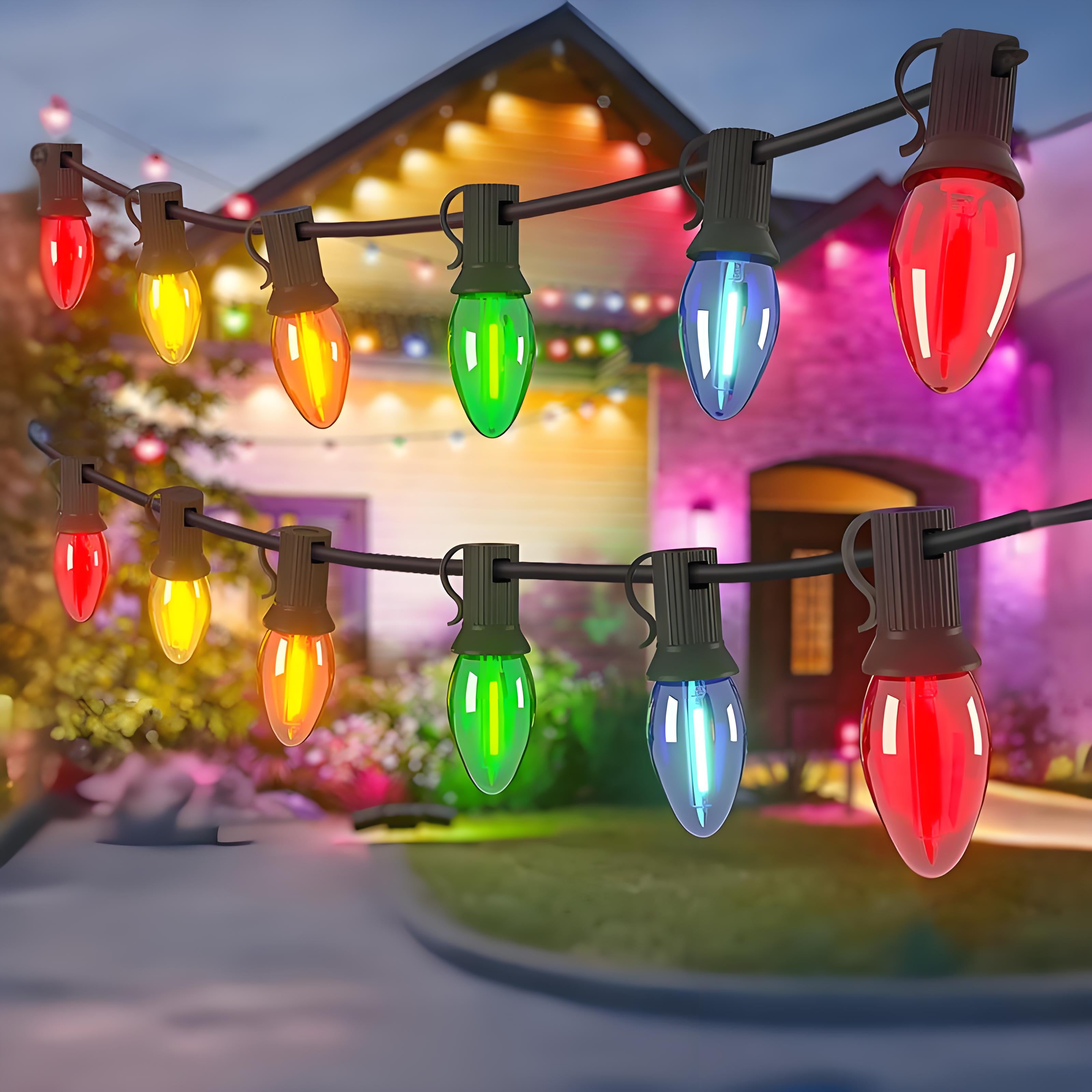
Think about how you want your outdoor space to feel. Soft, warm glows create a cozy vibe, while brighter, colorful lights bring energy to gatherings. You can string lights along fences, wrap them around trees, or hang them overhead to define areas.
Using waterproof lights gives you freedom to experiment with different layouts. For example, draping them in a zigzag pattern across your patio can add depth and interest. You might also consider mixing bulb shapes or sizes to add character.
Have you tried combining string lights with lanterns or candles? This layering of light sources adds texture and makes your setup more inviting. Waterproofing means you don’t have to take everything down if rain or dew arrives unexpectedly.
Balancing Beauty With Durability
It’s tempting to choose the prettiest lights, but durability must come first outdoors. Waterproofing your string lights protects them from moisture, dust, and temperature changes. This protection keeps them shining brightly for longer.
Look for lights with IP65 rating or higher to ensure they handle rain and splashes well. Sealing connections with silicone or using weatherproof connectors prevents shorts and corrosion. These small steps save you from costly repairs and safety issues.
How often do you check your outdoor lighting setup? Regular maintenance, like wiping bulbs clean and inspecting wires, helps maintain both appearance and function. Remember, a beautiful space that works well is always more enjoyable.
Credit: www.quntis.com
Frequently Asked Questions
How Do I Waterproof Outdoor String Lights Effectively?
To waterproof outdoor string lights, use waterproof sealant on connections and cover plugs with waterproof covers. Ensure all bulbs and sockets are weather-resistant. Elevate cords to avoid water pooling. Regularly inspect for damage and replace worn parts promptly to maintain waterproofing.
What Materials Are Best For Waterproofing String Lights?
Silicone sealant and heat shrink tubing are excellent for waterproofing string lights. Use weatherproof electrical tape for extra protection. Choose bulbs and wires with waterproof ratings like IP65 or higher to ensure durability in outdoor conditions.
Can I Use Outdoor String Lights In Heavy Rain?
Yes, if your string lights have an IP65 rating or higher, they are safe in heavy rain. Proper waterproofing of plugs and connections is essential. Avoid submerging lights in water to prevent electrical hazards and damage.
How Often Should I Check My Waterproofed String Lights?
Inspect your waterproofed string lights every 3-6 months, especially before rainy seasons. Look for cracks, frayed wires, or worn seals. Timely maintenance prevents water damage and prolongs the life of your lights.
Conclusion
Waterproofing outdoor string lights keeps them safe and bright. Use sealants and covers to stop water damage. Check connections for tight fits and add protective tape. Place lights where rain and moisture stay away from plugs. Regular care extends the life of your lights.
Enjoy beautiful lighting without worry, no matter the weather. Keep these steps simple for lasting outdoor glow.

