
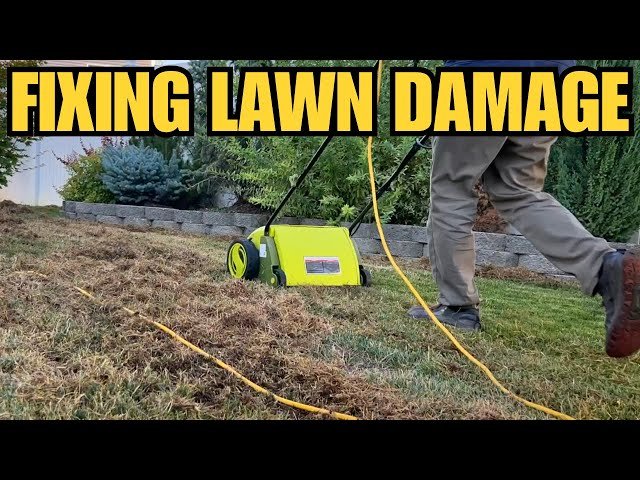
Your lawn just went through dethatching, and now you’re wondering how to water it properly. Getting this step right is crucial for helping your grass recover quickly and grow strong.
If you water too much or too little, you could end up damaging your lawn instead of helping it thrive. In this guide, you’ll discover exactly when and how to water your lawn after dethatching to give it the best chance to bounce back healthy and green.
Keep reading to learn simple, effective tips that will save you time and effort while transforming your lawn’s health.
Importance Of Watering After Dethatching
Dethatching removes dead grass and debris from your lawn. This process helps the grass grow better by allowing air and nutrients to reach the soil.
Watering after dethatching is very important. It helps the grass recover and grow strong roots.
Helps Grass Recover Quickly
After dethatching, the grass blades and roots can get stressed. Watering gives them the moisture they need to heal fast.
Wet soil makes it easier for grass to absorb nutrients. This speeds up recovery and growth.
Prevents Lawn Dryness And Damage
Dethatching can leave your lawn dry and weak. Watering stops the soil from drying out and protects the grass.
Keeping soil moist reduces stress on the grass and lowers the chance of brown spots.
Promotes Strong Root Growth
Watering after dethatching helps grass roots grow deeper into the soil. Strong roots make your lawn healthier and more drought resistant.
- Water deeply to encourage roots to grow down
- Shallow watering causes weak roots
- Deep roots store more water for dry times
Improves Soil Moisture Levels
Dethatching can disturb soil moisture balance. Watering restores proper moisture levels in the soil.
Good moisture helps beneficial soil organisms stay active. These organisms help break down thatch and improve soil health.
Best Time To Water Your Lawn
Watering your lawn after dethatching is important. It helps the grass recover faster and grow healthy.
Choosing the right time to water can make a big difference in how well your lawn bounces back.
Early Morning Watering
Early morning is the best time to water your lawn. The air is cool, and the water soaks into the soil well.
Watering before the sun rises reduces water loss from evaporation.
Avoid Watering At Night
Watering at night can cause problems. The grass stays wet longer, which may lead to disease.
It is best to avoid watering late in the evening or after dark.
Midday Watering Considerations
Watering in the middle of the day is less ideal. The sun can dry the water quickly.
- Watering during hot hours wastes water.
- Grass may get burned if water droplets focus sunlight.
- If needed, water lightly to avoid stress on the grass.
Watering Frequency After Dethatching
| Day After Dethatching | Water lightly but often to keep soil moist |
| First Week | Water deeply 2-3 times per week |
| Second Week and Beyond | Water as needed based on weather and soil dryness |
Watering Techniques For Lawn Recovery
After dethatching your lawn, watering helps it heal and grow strong. Proper watering supports new grass roots.
Using the right watering techniques prevents damage and speeds up lawn recovery.
Gentle Soaking Methods
Use a gentle spray to soak the lawn deeply. This helps water reach the roots without washing away soil.
Water slowly to allow the soil to absorb moisture evenly. Avoid strong streams that can harm new grass shoots.
- Use a sprinkler with a fine spray
- Water in the early morning or late evening
- Apply water for 15 to 30 minutes per session
- Check soil moisture by feeling the ground
Avoiding Overwatering
Too much water can drown grass roots and cause disease. Avoid watering if the soil is already wet.
Let the lawn dry slightly between watering sessions to keep roots healthy and strong.
- Water only when the top inch of soil feels dry
- Limit watering to once a day or every other day
- Watch for puddles or standing water on the lawn
- Adjust watering times based on weather and soil type
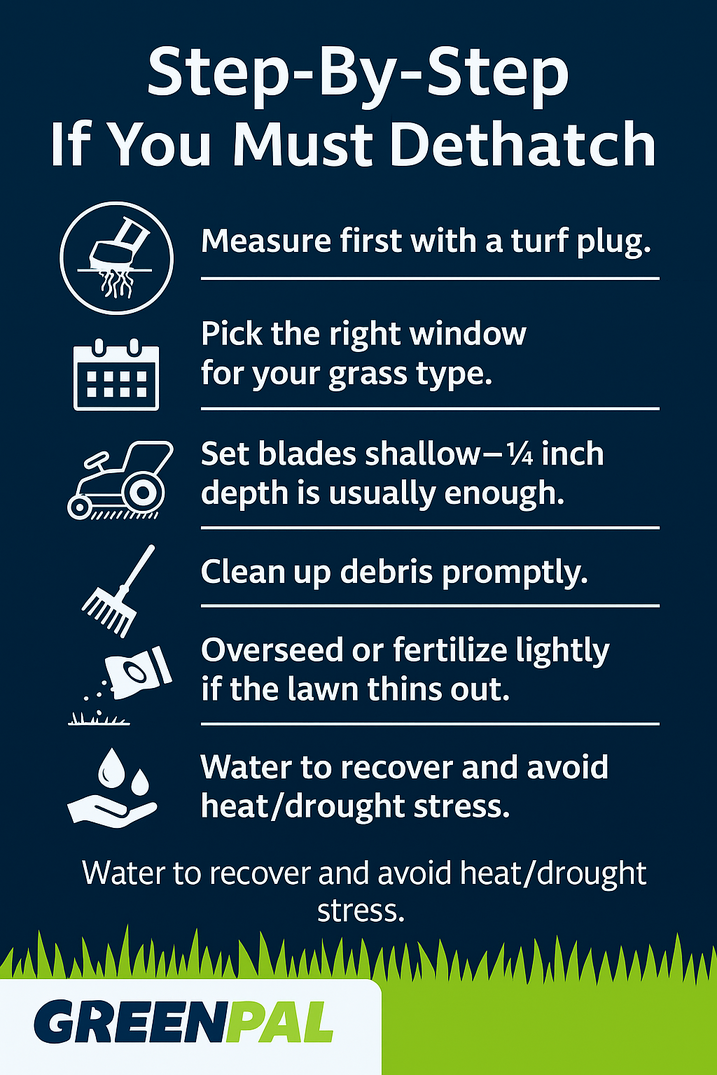
Credit: www.yourgreenpal.com
Frequency And Duration Of Watering
After dethatching your lawn, proper watering is crucial. It helps the grass recover and grow healthy.
Understanding how often and how long to water can make a big difference. This ensures your lawn stays lush and green.
Frequency Of Watering
Watering frequency depends on your climate and soil. Generally, aim to water your lawn two to three times a week.
- Hot climates may need more frequent watering.
- Cooler climates can reduce watering to twice a week.
- Sandy soils drain faster, requiring more frequent watering.
Duration Of Watering
The duration of watering is as important as frequency. Water deeply to ensure roots grow strong.
| Soil Type | Water Duration |
| Clay | 20-30 minutes |
| Loam | 15-20 minutes |
| Sand | 10-15 minutes |
Signs Your Lawn Needs More Or Less Water
After dethatching your lawn, watering helps it recover. But giving the right amount of water is key.
Too much or too little water can harm grass. Watch for signs to adjust your watering schedule.
Wilting Or Dry Grass
Grass that wilts or looks dry needs more water. This shows the grass is stressed and thirsty.
Water your lawn deeply to help roots grow stronger after dethatching.
Soft Or Soggy Soil
If the soil feels soft or soggy, you are watering too much. Too much water can drown grass roots.
Cut back on watering and let the soil dry before watering again.
Brown Patches On Lawn
Brown spots can mean the lawn is too dry or too wet. Check the soil to decide which it is.
If soil is dry, water more. If soil is wet, reduce watering and improve drainage.
Footprints Stay Visible
When footprints stay on grass for a long time, the lawn needs water. Dry grass stays flat.
Give your lawn a good soak to help it bounce back after dethatching.
Soil Cracks Or Splits
Cracks in the soil mean the ground is too dry. Watering helps soil stay moist and healthy.
Keep watering regularly but avoid overwatering to prevent root problems.

Credit: lawnsmartkc.com
Additional Care Tips After Dethatching
Dethatching removes dead grass and helps your lawn breathe. After dethatching, your lawn needs special care. Proper watering is important, but so is other care to keep your grass healthy.
Use these tips on fertilizing, mowing, and aeration to help your lawn recover faster. These practices work well with watering to improve lawn health.
Fertilizing
Apply fertilizer after dethatching to give your lawn extra nutrients. Choose a fertilizer with nitrogen to promote new growth. Avoid using too much fertilizer, as it can burn the grass.
- Use a slow-release fertilizer for steady feeding
- Apply fertilizer when the grass is dry
- Water the lawn lightly after fertilizing
- Follow the fertilizer instructions on the package
Mowing Practices
Set your mower blades higher after dethatching. Cutting grass too short stresses the lawn. Keep the mower blades sharp to avoid tearing the grass. Mow regularly but avoid cutting more than one-third of the grass height at once.
| Tip | Reason |
| Raise mower height | Protect grass from stress |
| Sharpen mower blades | Prevent grass damage |
| Mow frequently | Keep grass healthy and thick |
Aeration Benefits
Aerate your lawn to improve soil and root health. Aeration helps water and nutrients reach deeper into the soil. It reduces soil compaction and encourages stronger grass roots.
Benefits of aeration include:
- Better water absorption
- Improved nutrient uptake
- Reduced soil compaction
- Healthier and thicker grass

Credit: www.reddit.com
Frequently Asked Questions
How Soon Should I Water Lawn After Dethatching?
Water your lawn within 24 hours after dethatching. This helps reduce stress and promotes quick recovery. Immediate watering soothes grass and prepares soil for nutrient absorption.
How Much Water Does Lawn Need Post-dethatching?
Apply about 1 inch of water after dethatching. This amount moistens soil deeply without overwatering. Proper hydration supports root growth and healthy grass regrowth.
Can I Water Lawn Too Much After Dethatching?
Yes, overwatering can cause root rot and fungal issues. Keep soil moist but not soggy. Watering lightly but frequently is best during recovery.
Should I Adjust Watering Schedule After Dethatching?
Yes, increase watering frequency for the first two weeks. This supports new root development and stress recovery. Gradually return to normal watering as grass strengthens.
Conclusion
Watering your lawn properly after dethatching helps it grow strong. Keep the soil moist but not soggy. Water in the early morning to reduce evaporation. Regular watering supports healthy roots and green grass. Avoid watering too much to prevent disease.
Watch your lawn closely and adjust watering as needed. Healthy lawns need care and attention after dethatching. Follow these simple steps for a lush, green yard.

