
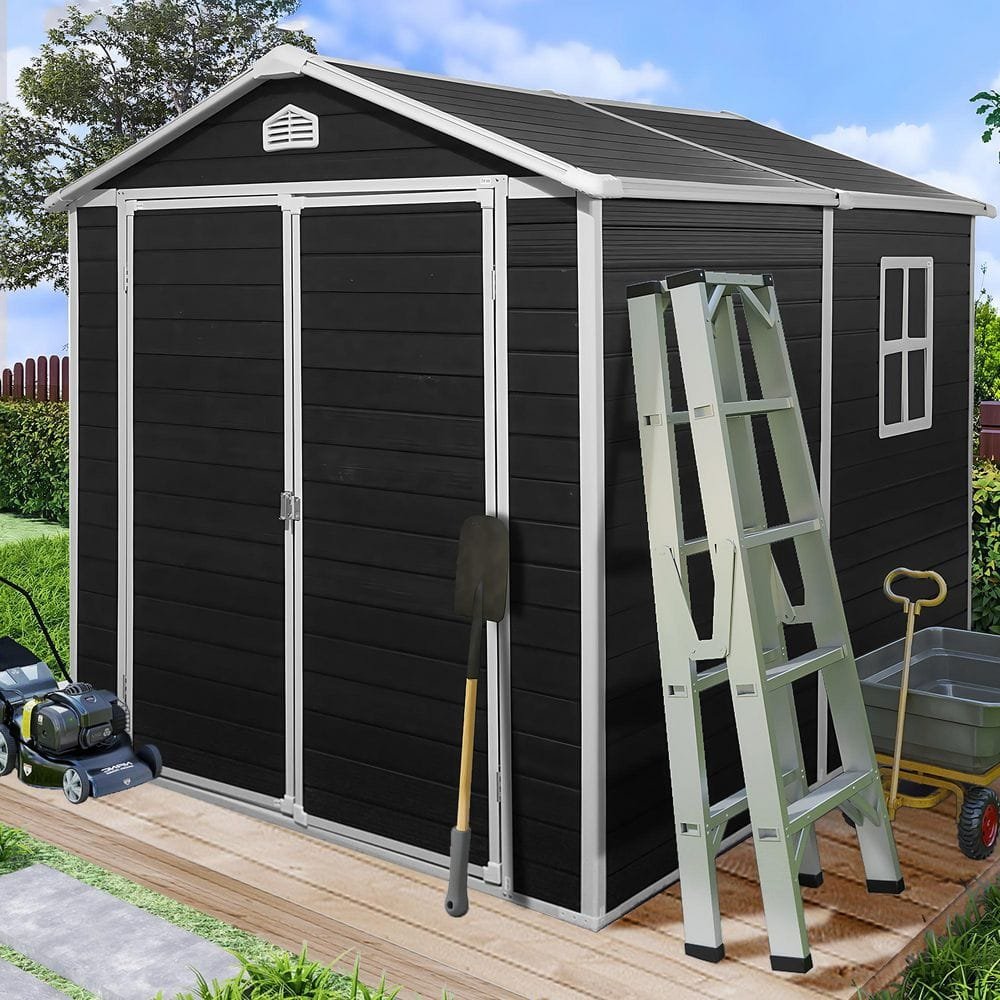
If you have a resin shed, you know how important it is to keep it in good shape. But did you realize that proper ventilation could make a huge difference in its lifespan and your comfort?
Without the right airflow, your shed can trap heat, moisture, and odors, causing damage and making it unpleasant to use. You’ll discover simple and effective ways to ventilate your resin shed. By the end, you’ll have easy solutions to protect your investment and create a fresher, healthier space.
Keep reading to learn how to breathe new life into your shed!
Credit: www.aosom.ca
Why Ventilation Matters
Ventilation is crucial for maintaining the condition of your resin shed. Without proper airflow, the shed can become a trap for moisture, heat, and unwanted growths that damage your belongings. Understanding why ventilation matters helps you protect your investment and keep your shed functional for years.
Preventing Moisture Build-up
Moisture can sneak into your resin shed from rain, humidity, or even from the ground. When air doesn’t circulate well, this moisture stays trapped inside, leading to damp surfaces and rust on any metal tools you store.
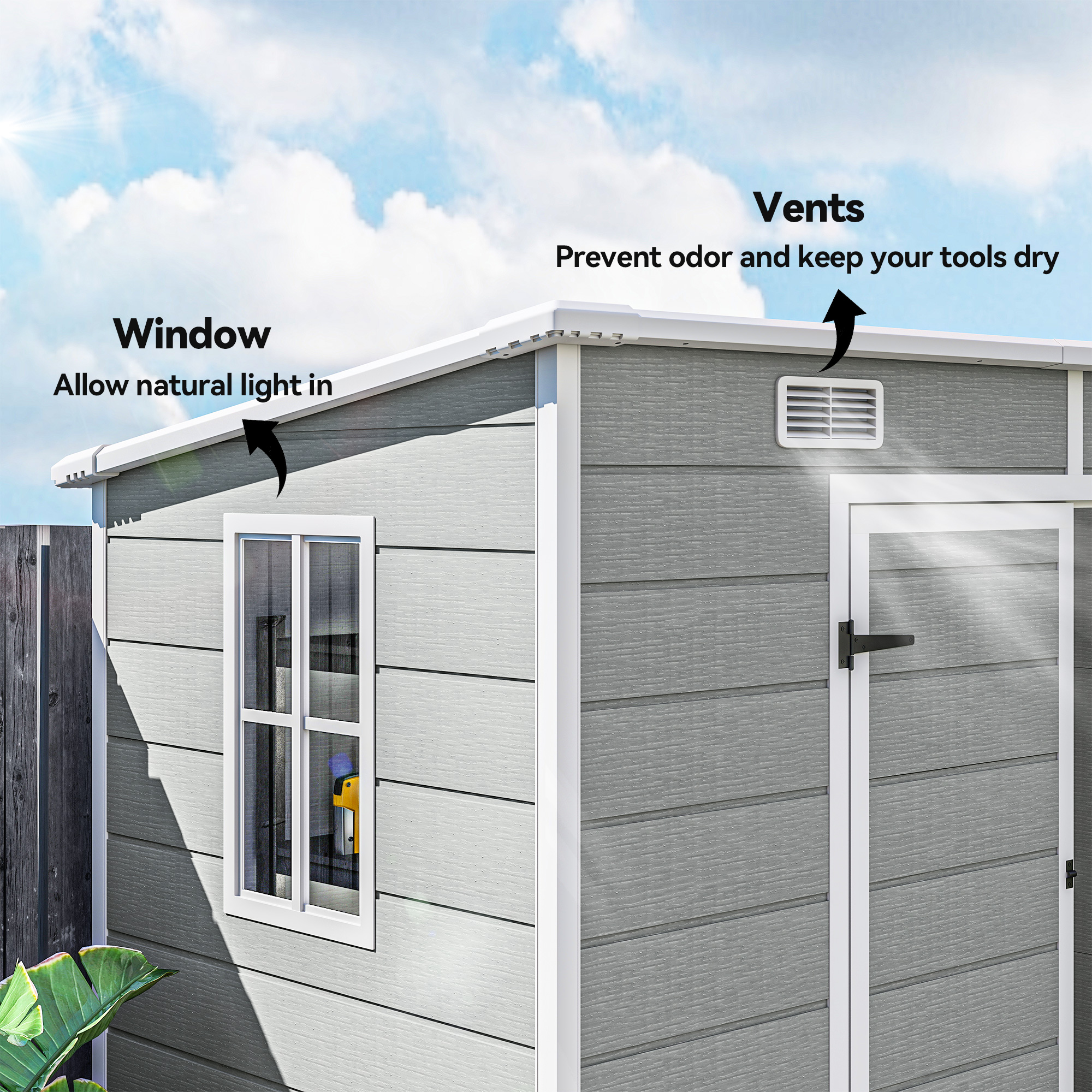
Adding vents or small windows can help the air move freely and carry moisture out. Have you noticed condensation on the walls of your shed after a rainy day? That’s a clear sign your shed needs better ventilation.
Reducing Heat Inside
Resin sheds can heat up quickly under direct sunlight, turning the inside into a stuffy, uncomfortable space. Excessive heat can warp plastic items and degrade the quality of stored materials.
Good ventilation lowers the temperature by allowing hot air to escape and cooler air to enter. Think about how a simple vent or a fan might keep your shed cooler on those scorching summer days.
Avoiding Mold And Mildew
Mold and mildew thrive in dark, damp places with poor airflow. If your shed isn’t ventilated, you risk these fungi growing on your stored items, causing unpleasant smells and potential health hazards.
Proper ventilation reduces humidity and keeps the air fresh, preventing mold spores from settling. Have you ever opened a shed and been hit by a musty smell? That’s mold starting to take hold, signaling the need for better airflow.
Types Of Shed Ventilation
Proper ventilation is crucial for your resin shed to prevent moisture build-up, reduce odors, and keep the air fresh. Understanding different types of ventilation helps you choose the best solution that fits your shed’s layout and how you use it. Let’s look at the two main categories: natural ventilation and mechanical ventilation.
Natural Ventilation Options
Natural ventilation relies on airflow created by openings in your shed without using any power. You can add vents near the roof and the base to encourage warm air to escape while drawing cooler air in.
Common natural options include:
- Roof vents:Placing vents at the highest point lets hot air rise and exit efficiently.
- Wall vents:Installing vents on opposite walls promotes cross-ventilation, which helps air circulate better.
- Louvered vents:These protect from rain while still allowing airflow.
Think about the placement of vents based on how your shed is positioned relative to prevailing winds. Have you checked if your shed’s current vent setup allows air to flow freely or traps heat inside?
Mechanical Ventilation Solutions
Mechanical ventilation uses fans or blowers to actively move air in and out of your shed. This option works well if natural airflow is limited or you need faster air exchange.
Here are some common mechanical solutions:
- Exhaust fans:Installed near the roof, these pull out hot, stale air quickly.
- Intake fans:These push fresh air into the shed, improving circulation.
- Solar-powered fans:A great eco-friendly choice that operates without increasing your electric bill.
Consider how often you use your shed and what you store inside. Would a simple fan make a noticeable difference during hot summer days or damp weather?
Installing Vents In A Resin Shed
Installing vents in your resin shed is key to keeping the air fresh and preventing moisture buildup. Proper ventilation stops mold and mildew from taking hold and protects your tools and supplies. Let’s look at how to pick the right vents, where to place them, and how to keep everything sealed tight.
Choosing The Right Vent Types
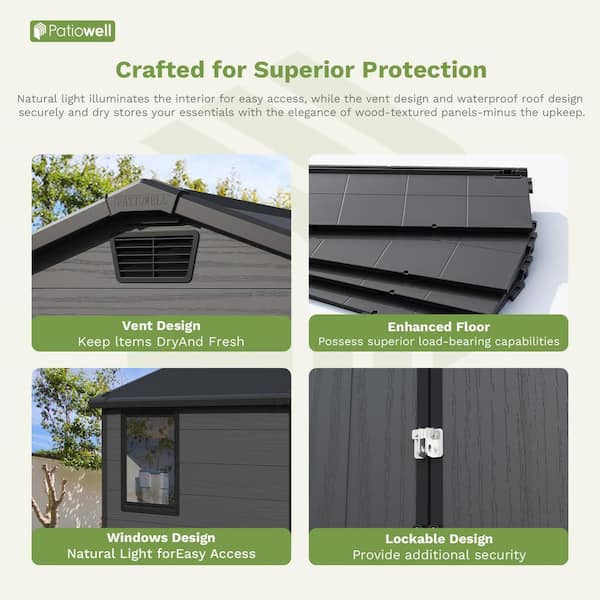
Not all vents work the same in resin sheds. You want vents designed to resist moisture and rust since resin sheds often face outdoor elements.
- Louvered Vents:These block rain while allowing airflow. They’re great for walls and help keep pests out.
- Ridge Vents:Installed along the shed’s peak, they let hot air escape naturally.
- Gable Vents:Positioned high on the side walls, they promote cross-ventilation when paired with lower vents.
Pick vents made from durable plastic or coated metal to match your shed’s material and climate conditions.
Placement For Optimal Airflow
Vent placement makes all the difference in how well your shed breathes. Aim for a balance between intake and exhaust vents.
- Install intake vents near the bottom of the shed walls to let fresh air in.
- Place exhaust vents higher up, such as on the roof or upper walls, so warm, moist air can exit.
- Think about the wind direction around your shed to maximize airflow without letting rain inside.
Have you noticed how a small breeze can quickly clear out stale air? Using vents strategically lets you harness natural airflow to keep your shed dry and comfortable.
Sealing And Weatherproofing
After installing vents, sealing is crucial to prevent leaks and drafts. Gaps around vents can let in water or pests, defeating your ventilation efforts.
- Use weatherproof caulk or silicone sealant around vent edges.
- Check for any cracks or holes and fill them before fitting your vents.
- Consider adding flashing over vents on the roof to divert rain away.
Make sealing a routine part of your shed maintenance to keep the structure sound and your equipment safe.
Using Fans And Air Circulators
Fans and air circulators help move fresh air through a resin shed, reducing fumes and heat. Placing them near windows or vents improves airflow and keeps the space safer. Proper air movement prevents resin buildup and keeps the environment comfortable.
Using fans and air circulators can significantly improve the airflow in your resin shed, ensuring a fresh and well-ventilated space. Not only does this help in maintaining the structural integrity of the shed, but it also prevents mold and mildew from taking hold. Whether you’re storing garden tools or valuable equipment, proper ventilation is crucial for preserving your items in pristine condition.Selecting Suitable Fans
Choosing the right fan is essential. Opt for a fan that fits the size of your shed. A small desk fan may suffice for compact spaces, while larger sheds might need a pedestal or wall-mounted fan. Consider the fan’s noise level, especially if your shed is close to living spaces.Positioning Fans For Maximum Effect
Placement is key to effective ventilation. Position fans near windows or vents to promote cross-ventilation. This setup allows fresh air to enter and stale air to exit. If possible, angle fans towards hotspots like the ceiling or corners where heat or humidity tends to accumulate.Power Sources And Safety Tips
Powering your fans requires careful consideration of safety. Use extension cords rated for outdoor use if your shed lacks electrical outlets. Ensure cords are neatly organized to prevent tripping hazards. Always turn off fans when leaving the shed to prevent overheating or electrical issues. By being mindful of these elements, you ensure a safe and efficient ventilation system. Have you checked if your current setup is providing the best airflow possible?Maintaining Good Air Quality
Maintaining good air quality inside a resin shed is essential for a healthy and comfortable space. Proper ventilation keeps the air fresh and stops bad odors. It also helps protect your tools and stored items from damage caused by damp air or mold. Simple habits and small changes can make a big difference in the air you breathe inside your shed.
Regular Cleaning Routines
Keep the shed clean to improve air quality. Sweep the floor often to remove dust and dirt. Wipe down shelves and surfaces to stop dust build-up. Clear away leaves and debris from vents and windows. This helps air flow freely and stops blockages. Clean regularly to prevent mold and mildew growth.
Managing Humidity Levels
Control humidity to avoid dampness and musty smells. Use a small dehumidifier if needed. Open windows or vents on dry days to let moisture escape. Store items in plastic bins to protect them from moisture. Avoid leaving wet tools or clothes inside the shed. Balanced humidity keeps air fresh and prevents damage.
Preventing Pest Entry
Block pests to keep the air clean and safe. Seal gaps and cracks around doors and windows. Use fine mesh screens on vents to stop insects. Store food and seeds in sealed containers. Remove standing water to avoid attracting bugs. Keeping pests out helps maintain fresh air and a tidy space.
Credit: www.aosom.ca
Additional Tips For Fresh Air
Fresh air is vital for a resin shed to prevent moisture and odors. Improving airflow extends the shed’s life and keeps it comfortable. Simple adjustments and natural solutions can enhance ventilation without complex tools.
Using Plants For Natural Airflow
Plants near your resin shed help clean and freshen the air. Choose leafy plants that release oxygen and absorb carbon dioxide. Place them around the shed’s entrance and sides. They create a gentle airflow and reduce dust. Small potted plants inside can also improve air quality.
Door And Window Adjustments
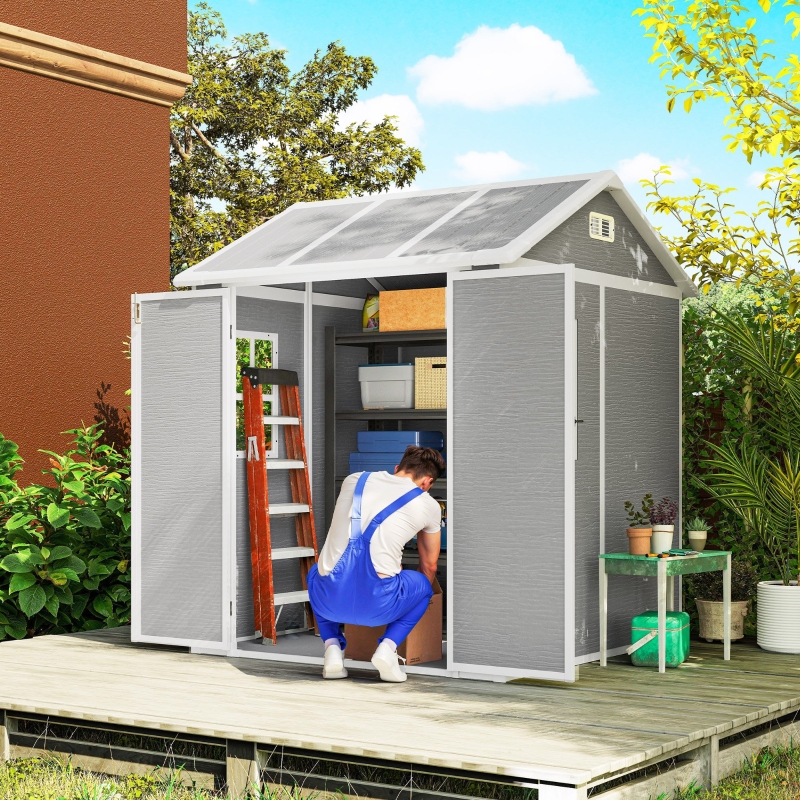
Adjust doors and windows to boost air circulation. Keep doors slightly open during dry weather to let air flow freely. Install screen doors to stop bugs while allowing ventilation. If windows are present, use adjustable vents or leave them partially open. This lets stale air escape and fresh air enter.
Seasonal Ventilation Strategies
Change ventilation based on the season for best results. In summer, open doors and windows wider to cool the shed. Use fans near openings to move hot air out. In winter, limit openings but allow small airflow to prevent dampness. Close vents during heavy rain or snow to protect inside. Adjusting ventilation helps maintain a stable environment year-round.
Credit: www.homedepot.com
Frequently Asked Questions
How Can I Improve Air Circulation In A Resin Shed?
To improve air circulation, install vents near the roof and floor. Use a small solar or electric fan to boost airflow. Proper ventilation prevents moisture buildup and keeps the shed fresh and dry.
Why Is Ventilating A Resin Shed Important?
Ventilating a resin shed prevents moisture, mold, and mildew buildup. It also reduces heat, protecting stored items. Proper airflow extends the shed’s lifespan and maintains a healthy environment inside.
What Types Of Vents Work Best For Resin Sheds?
Louvered vents and mesh-covered vents work best for resin sheds. They allow airflow while keeping insects and debris out. Roof vents or ridge vents improve ventilation efficiency in enclosed spaces.
Can I Add Ventilation To An Existing Resin Shed?
Yes, you can add vents or small windows to an existing resin shed. Use a drill and seal around new openings to prevent leaks. Adding ventilation boosts airflow and reduces condensation effectively.
Conclusion
Proper ventilation keeps your resin shed dry and fresh. It stops mold and bad smells from building up. Use vents or small windows to let air flow. Check your shed often to make sure air moves well. Good airflow also protects your tools and supplies.
Keep your shed comfortable and long-lasting with simple steps. Ventilating well makes your shed a better place to work and store. Small changes make a big difference in the shed’s life. Breathe easy knowing your resin shed stays clean and safe.

