
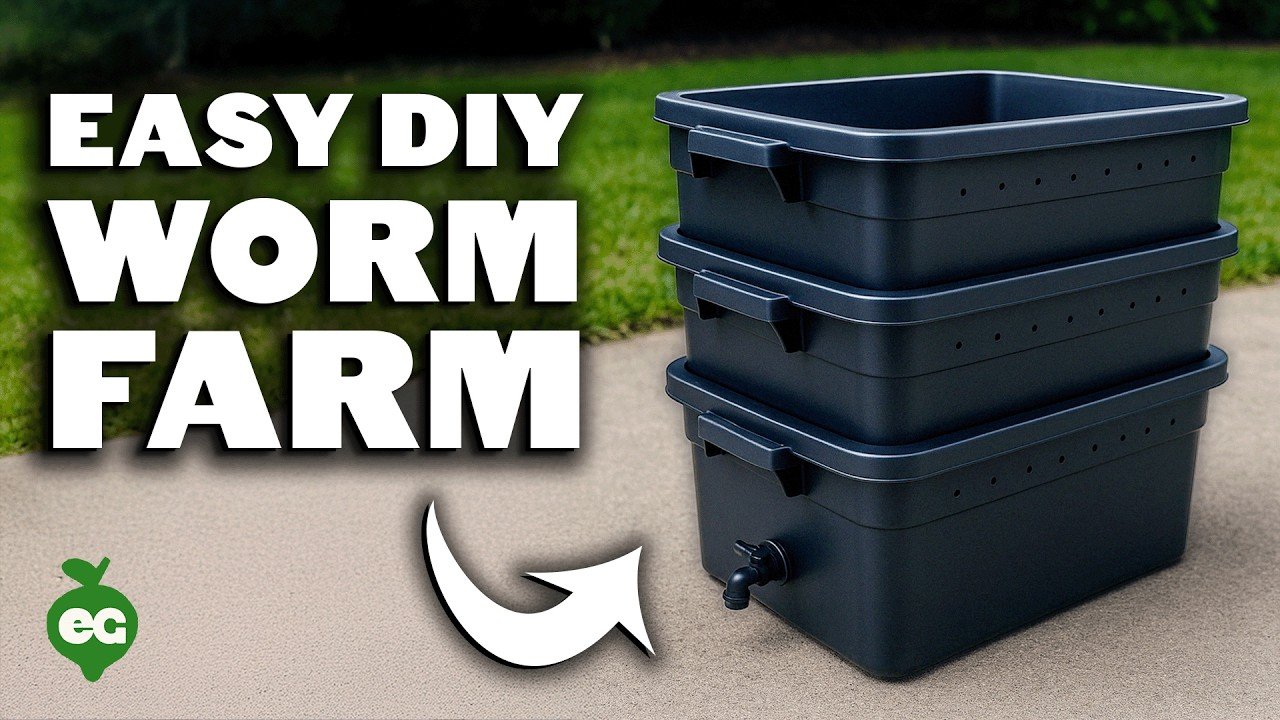
Are you looking for an easy way to turn your kitchen scraps and yard waste into rich, healthy compost? Stackable compost bins might be just what you need.
They save space, keep things organized, and speed up the composting process. You’ll discover simple steps to use stackable compost bins effectively. By the end, you’ll feel confident turning your waste into nutrient-packed soil for your garden. Ready to make composting a breeze?
Let’s dive in!

Credit: uconnladybug.wordpress.com
Choosing The Right Stackable Compost Bin
Choosing the right stackable compost bin affects how well your composting works. The bin should match your space, waste amount, and weather. Picking a good bin means you get rich compost faster and with less effort.
Materials And Durability
Look for bins made of strong plastic or metal. Plastic bins resist rust and last long outdoors. Metal bins may rust but often stay sturdy. The material must handle rain, sun, and cold without breaking. Check if the bin is UV-resistant to avoid cracking.
Size And Capacity
Choose a size based on how much waste you create. Small bins suit kitchens or small gardens. Larger bins work for yards with more scraps and leaves. A stackable design lets you add layers as compost grows. This saves space and helps manage compost in steps.
Ventilation Features
Good airflow speeds composting and stops bad smells. Find bins with holes or vents on the sides and bottom. Some bins have adjustable vents to control air easily. Proper ventilation keeps the compost moist but not soggy. It also helps bacteria break down waste faster.
Setting Up Your Compost Bin
Setting up your stackable compost bin correctly from the start makes the composting process smoother and more efficient. It’s not just about putting the bin together; it’s about choosing the right spot, assembling the pieces properly, and layering materials in a way that speeds up decomposition. Let’s walk through these essential steps to get your compost bin ready for action.
Selecting The Ideal Location
Choose a spot that’s easy to access throughout the year. A shady area helps keep the compost from drying out, but it shouldn’t be too damp either. Think about how close the bin is to your kitchen or garden—convenience encourages regular use.
Is the ground level? Uneven surfaces can cause the bin to wobble or block airflow. A firm, flat base helps maintain balance and proper aeration, which is crucial for healthy compost.
Assembling The Bin
Stackable compost bins are designed for quick assembly, but make sure each section locks securely. Loose parts can cause the pile to spill or slow down decomposition. Follow the manufacturer’s instructions closely, but don’t hesitate to test stability by giving the bin a gentle shake.
Remember to leave the bottom stack open or with holes for airflow and drainage. Proper ventilation prevents odor and helps microorganisms break down waste faster.
Layering Basics
Start your compost with a layer of coarse materials like twigs or straw to improve air circulation at the base. Then, alternate between green (nitrogen-rich) and brown (carbon-rich) materials. Greens include kitchen scraps and fresh grass clippings, while browns are dried leaves, paper, and cardboard.
- Keep layers about 2-4 inches thick.
- Moisture is key—your pile should feel like a damp sponge, not soaking wet.
- Turn the compost every couple of weeks to mix materials and speed up decomposition.
Have you noticed that some compost piles smell better or break down faster? That’s often due to layering and moisture balance. Experiment with your layers and moisture levels to find what works best in your climate and space.
Adding Materials To The Bin
Place kitchen scraps and garden waste evenly inside the stackable compost bin. Avoid overfilling to allow air circulation and faster decomposition. Mix green and brown materials for balanced composting.
Adding materials to your stackable compost bin is an art that balances science and nature. The right mix of ingredients can accelerate decomposition and produce rich compost. Understanding what to add and what to avoid is key to success.Green Vs. Brown Waste
When adding materials to your compost bin, it’s crucial to balance green and brown waste. Green waste, like vegetable scraps and coffee grounds, provides nitrogen. Brown waste, such as dried leaves and cardboard, adds carbon. Picture this: your compost is like a recipe. Too much of one ingredient can spoil the mix. Aim for a ratio of about 2 parts brown to 1 part green for optimal results.Avoiding Common Mistakes
Many people make the mistake of adding only one type of waste. This leads to a smelly, unbalanced compost. Avoid adding meat, dairy, or oily foods, as they attract pests and create odors. Think of your compost bin as a living organism. It needs a variety of materials to thrive. Keep a small bin in your kitchen to easily collect diverse scraps.Balancing Moisture Levels
Moisture is a crucial component in composting. The materials should be as damp as a wrung-out sponge. Too dry, and decomposition slows; too wet, and it becomes a soggy mess. Check your compost regularly. If it’s too dry, add some water; if too wet, add more brown waste. Finding this balance ensures your compost breaks down efficiently. By understanding these elements, you’re on your way to creating a thriving compost system. What will you add to your bin today?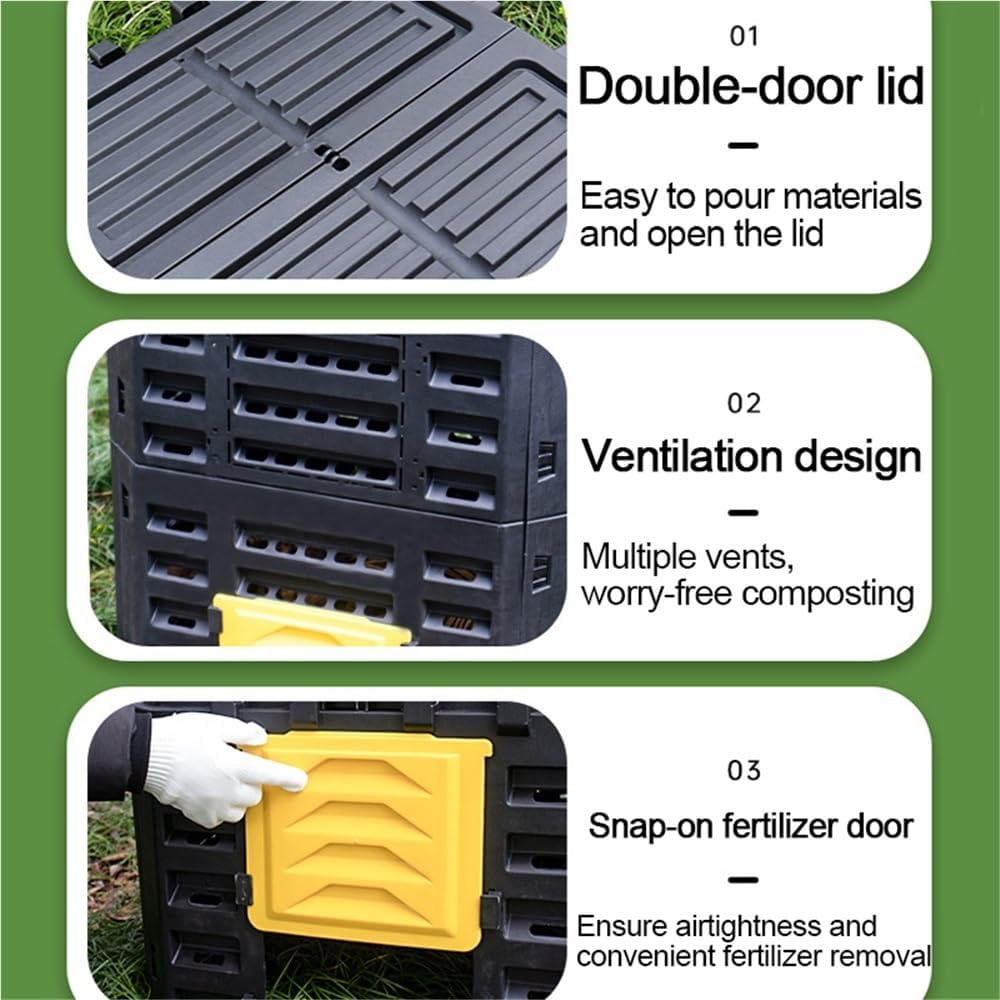
Credit: manuals.plus
Maintaining Your Compost Bin
Maintaining your stackable compost bin ensures faster breakdown of materials and richer compost. Regular care keeps the bin healthy and odor-free. Simple actions can make a big difference.
Turning And Aerating
Turning the compost mixes materials and adds oxygen. Oxygen helps microbes break down waste quickly. Use a garden fork or aerator tool to stir the pile.
Aerate the compost every few days. This prevents bad smells and keeps the process active. Avoid compacting the materials to allow air flow.
Monitoring Temperature
Check the compost temperature to track its progress. Ideal compost heats between 130°F and 160°F. This heat kills seeds and harmful bacteria.
Use a compost thermometer for accuracy. If the bin feels cold, turn it to restart decomposition. Too hot? Add water or dry materials to cool it down.
Managing Odors
Good compost smells earthy, not rotten or sour. Odors often mean too much moisture or poor aeration. Add dry leaves or shredded paper to absorb excess moisture.
Turn the compost more often to increase airflow. Avoid adding meat, dairy, or oily foods that cause smells. Proper balance keeps your bin fresh and inviting.
Harvesting Finished Compost
Harvesting finished compost from stackable compost bins is a rewarding part of composting. It marks the moment when organic waste transforms into rich soil. Knowing when and how to collect compost ensures your garden benefits the most.
Signs Compost Is Ready
Finished compost looks dark brown or black. It has a crumbly texture like soil. It smells earthy and fresh, not sour or rotten. You won’t see food scraps or large pieces inside. The temperature inside the bin drops to match the outside air. These signs show the compost is fully broken down and ready to use.
How To Collect Compost
Start by opening the bottom bin of your stackable compost system. Use a small shovel or garden fork to remove the compost. Avoid disturbing the top layers that are still breaking down. Place collected compost into a clean container or wheelbarrow. Sift through the compost to remove large bits or debris. Return any unfinished material to the top bin for further composting.
Using Compost In Your Garden
Mix compost into garden soil to improve texture and nutrients. Use it as mulch around plants to keep moisture and reduce weeds. Add compost to potting soil for healthier indoor or container plants. Spread a thin layer on lawn areas to boost grass growth. Compost enriches soil naturally without chemicals, helping plants grow strong and healthy.
Troubleshooting Common Issues
Using stackable compost bins can simplify composting, but some common problems may arise. These issues can slow down the process or cause unwanted pests. Knowing how to fix these problems helps keep your compost healthy and effective.
Pests And Rodents
Pests and rodents can be attracted to food scraps inside compost bins. To reduce this, always cover food waste with dry leaves or soil. Avoid adding meat, dairy, or oily foods as they attract animals.
Check that the bins close tightly. Small gaps let pests enter easily. Use wire mesh around the bins’ base to stop rodents from digging under.
Slow Decomposition
Slow decomposition means your compost is not breaking down fast enough. Balance green materials like fruit scraps with brown materials such as dry leaves or cardboard. This mix helps microbes work better.
Turn the compost regularly to add air. Without air, the process slows down. Keep the pile moist but not wet.
Excess Moisture Problems
Too much moisture can make compost smelly and soggy. If water pools inside, add dry brown materials to soak it up. Make sure the bin has good drainage holes.
Cover the compost during heavy rain to avoid excess water. Proper moisture helps microbes break down waste efficiently.
Enhancing Composting With Stackable Bins
Stackable compost bins offer a simple way to improve your composting process. These bins help organize waste and speed up decomposition. They fit together neatly, saving space and making compost management easier. Using stackable bins lets you handle different compost stages separately. This keeps your compost healthy and ready to use.
Expanding Capacity
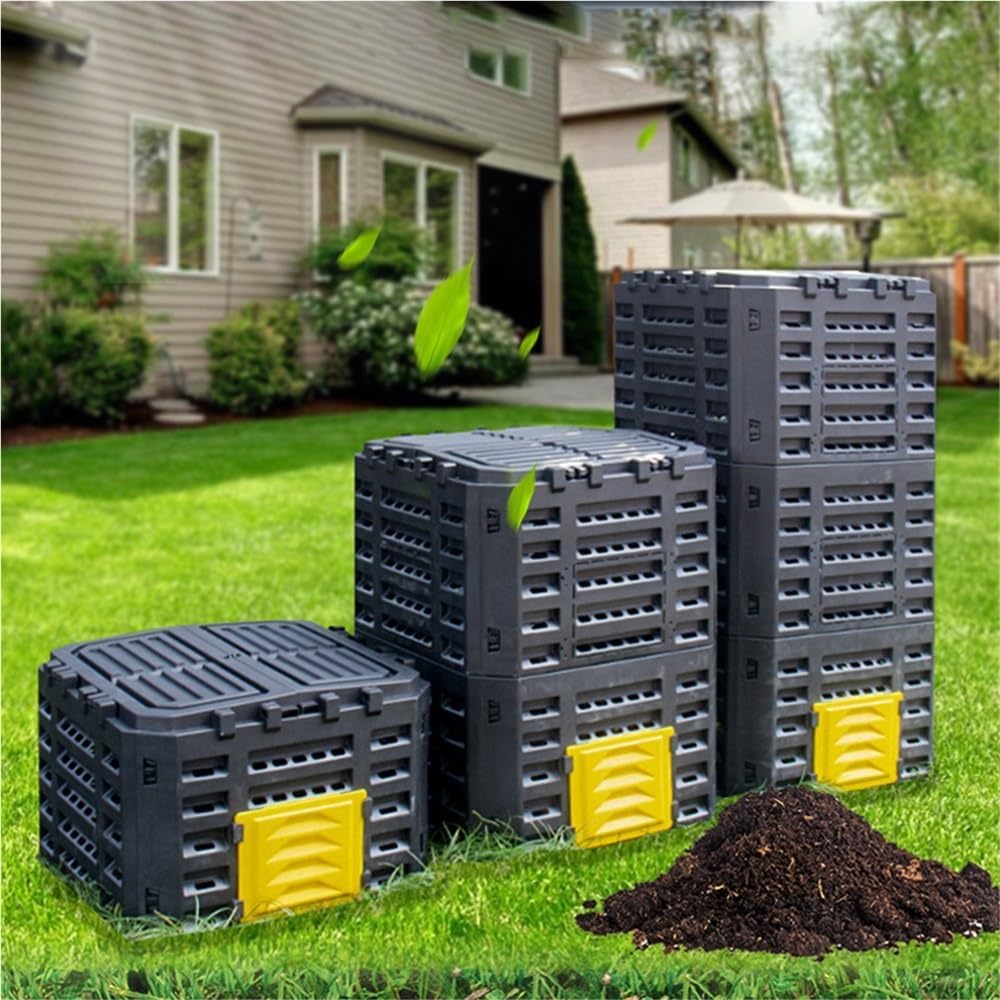
Stackable bins make it easy to increase compost space. Add more bins on top as your compost grows. This flexibility suits small or large gardens alike. You can manage more organic waste without needing new equipment. The modular design keeps everything tidy and contained. It helps keep pests away and controls moisture well.
Seasonal Adjustments
Stackable bins allow quick changes for seasons. You can add or remove layers depending on waste amount. In fall, add more bins for leaves and garden debris. In summer, fewer bins might be enough for kitchen scraps. This adjustment keeps the compost balanced and healthy. It also improves airflow and speeds up breakdown.
Integrating With Garden Plans
Stackable bins fit easily into garden layouts. Place them near vegetable beds for easy access. Use finished compost right where plants need it most. You can move bins to different spots as needed. This flexibility helps maintain garden cleanliness and order. Compost stays fresh and ready to nourish your plants.
Credit: manuals.plus
Frequently Asked Questions
What Are Stackable Compost Bins Used For?
Stackable compost bins are used to efficiently compost kitchen scraps and garden waste. They save space by stacking vertically, speeding up decomposition. These bins help create nutrient-rich compost for plants while reducing landfill waste. They are ideal for small gardens or limited outdoor areas.
How Do I Start Composting In Stackable Bins?
Begin by placing brown materials like dry leaves at the bottom. Add green materials like vegetable scraps in layers. Keep the compost moist but not soggy. Turn the layers weekly to aerate and speed up decomposition. Use the finished compost to enrich your soil.
Can Stackable Compost Bins Handle All Types Of Waste?
Stackable compost bins work best with organic kitchen scraps, garden clippings, and paper products. Avoid meat, dairy, oily foods, and pet waste, as they attract pests and cause odors. Stick to plant-based materials for safe, efficient composting in these bins.
How Often Should I Turn Compost In Stackable Bins?
Turn your compost in stackable bins every 1 to 2 weeks. Regular turning introduces oxygen, which speeds up decomposition and prevents bad smells. Use a garden fork or compost aerator to mix the layers thoroughly for best results.
Conclusion
Stackable compost bins make composting simple and neat. They save space and help organize waste easily. By using them, you reduce trash and create rich soil for plants. Keep adding kitchen scraps and garden waste regularly. Turn the compost to speed up the process.
Soon, you will have healthy compost for your garden. Start small, and watch your compost grow over time. This method fits well in any backyard or balcony. Composting with stackable bins helps the environment and your plants. Give it a try and enjoy fresh, natural fertilizer.

