
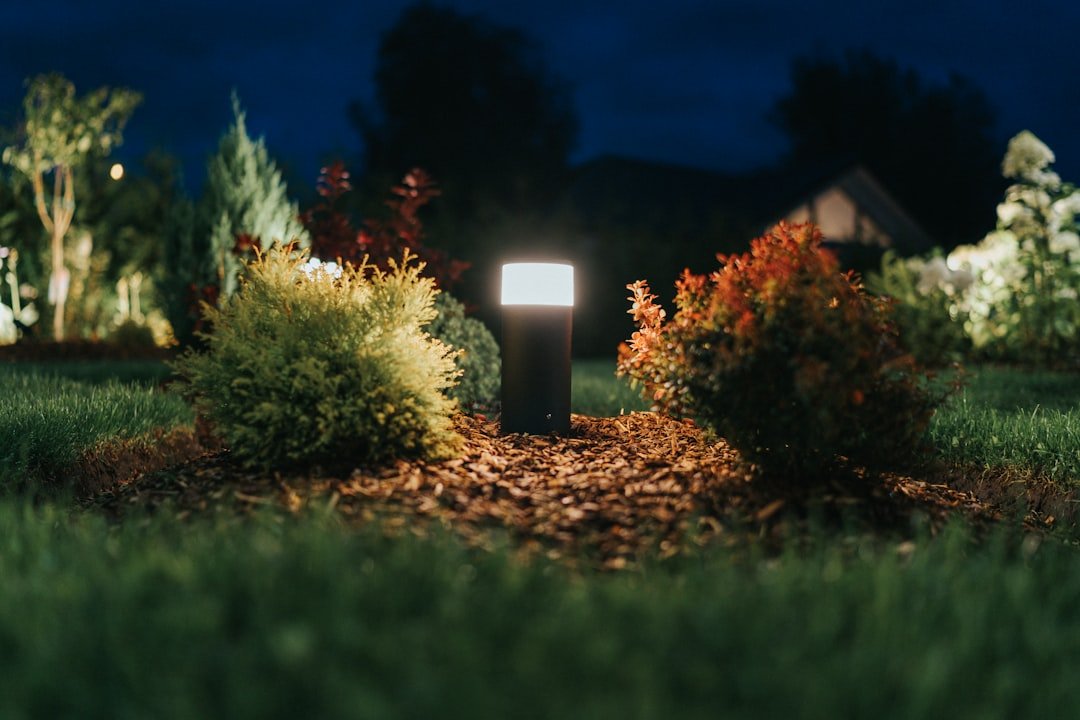
Are you looking to transform your outdoor space and make your landscaping stand out even after the sun goes down? Using spotlights in landscaping is a simple way to highlight your garden’s best features and create a warm, inviting atmosphere.
Imagine walking through your yard, guided by soft pools of light that draw attention to beautiful trees, pathways, or water features. You’ll discover how to use spotlights effectively to boost your home’s curb appeal and enjoy your garden both day and night.
Ready to learn the secrets that can turn your yard into a stunning nighttime retreat? Let’s dive in.
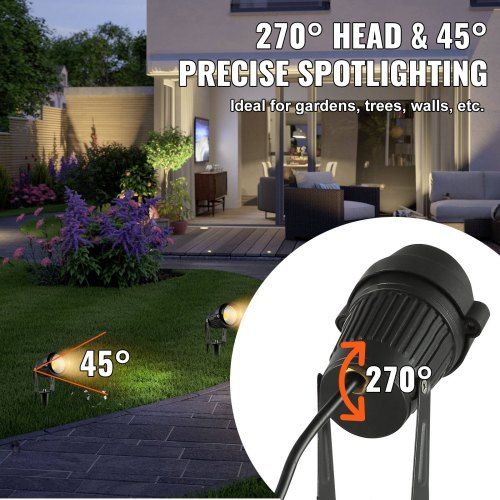
Credit: www.vevor.ca
Benefits Of Using Spotlights
Using spotlights in your landscaping can transform your outdoor space in many ways. Beyond just lighting up your garden, spotlights add depth, focus, and a touch of elegance to your yard. They help highlight the best features of your landscape, making your evenings outside more enjoyable and visually appealing.
Enhances Safety And Security
Spotlights brighten dark corners and pathways, reducing the risk of trips and falls at night. They also act as a deterrent for unwanted visitors by illuminating entry points and vulnerable areas around your home. You feel safer knowing your outdoor space is well-lit and visible.
Highlights Key Features
Spotlights draw attention to your garden’s standout elements like trees, sculptures, or water features. By focusing light on these spots, you create visual interest and make your landscape look more dynamic. Have you noticed how a single light can change the entire mood of a space?
Extends Outdoor Living Time
With proper lighting, your garden becomes usable long after the sun sets. Spotlights allow you to enjoy dinners, parties, or quiet evenings outdoors without worrying about darkness. This simple addition can make your yard a favorite spot for family and friends at any hour.
Improves Curb Appeal
Bright, well-placed spotlights make your home look more inviting and stylish from the street. This can be especially useful if you’re planning to sell your house or just want to impress neighbors. Your landscaping becomes a highlight, not something hidden once night falls.
Energy Efficiency And Flexibility
Many spotlights use LED bulbs, which consume less energy and last longer than traditional bulbs. You can also adjust the angle and brightness easily to suit different occasions and moods. This flexibility means you get more value and control over your outdoor lighting.
Choosing The Right Spotlights
Choosing the right spotlights is crucial for creating a stunning landscape that feels both inviting and safe. The wrong light can wash out your garden’s best features or create harsh shadows that ruin the mood. Think about the atmosphere you want to create—do you want a soft glow or sharp, focused beams? Your choices will shape the entire look and feel of your outdoor space.
Types Of Spotlights
Spotlights come in several types, each suited for different purposes. You have:
- LED Spotlights:Energy-efficient and long-lasting, perfect for highlighting trees and pathways.
- Halogen Spotlights:Offer bright, intense light but use more power and generate heat.
- Solar Spotlights:Easy to install since they don’t require wiring, but their brightness depends on sunlight availability.
Choosing the right type means matching it to your garden’s needs and your maintenance preferences. Have you thought about how much effort you want to spend on upkeep?
Light Intensity And Color
Light intensity affects how much your spotlight stands out or blends in. A high-intensity light is great for security or spotlighting a statue, but it can overwhelm delicate plants. Lower intensities create mood lighting and highlight features softly.
Color temperature also shapes your landscape’s vibe. Warm white lights (2700K–3000K) produce a cozy, inviting glow, while cool white lights (4000K–5000K) offer a crisp, modern look. Your choice should reflect the mood you want to set and the natural colors of your plants and materials.
Ask yourself: do you prefer a natural look or something more dramatic? Experimenting with different intensities and colors can reveal what works best for your space.
Designing A Lighting Plan
Designing a lighting plan for your landscape is essential to bring out the beauty of your outdoor space after dark. A well-thought-out plan helps you decide where to place spotlights to enhance your yard’s best features while providing safety and ambiance. Think about how you use your outdoor space and what elements you want to emphasize before placing any lights.
Highlighting Key Features
Spotlights work best when they emphasize important parts of your garden or yard. This could be a majestic tree, a textured stone wall, or a water feature like a fountain or pond. Position your lights so they shine upward or across these elements to create depth and shadow.
Choose lights with adjustable beams to control the focus and intensity. Too much brightness can wash out details, while too little leaves the feature unnoticed. Try walking around your yard at night with a flashlight to test which features naturally draw your eye.
Creating Focal Points
Focal points grab attention and guide visitors through your outdoor space. Spotlights can help create these by making certain areas stand out, such as a seating area, sculpture, or pathway entrance. Use warmer light tones to create a welcoming vibe around these spots.
Think about where you want people to look or gather in the evening. You can cluster several spotlights to highlight a larger feature or use a single, focused beam for smaller details. Does your lighting encourage movement or invite people to pause and enjoy the view?

Credit: www.swflelectric.com
Installation Tips
Installing spotlights in your landscape can transform your outdoor space dramatically. However, getting the installation right is key to achieving the perfect look and ensuring long-lasting functionality. Let’s focus on some practical tips to help you handle wiring, power sources, and safety precautions with confidence.
Wiring And Power Sources
Deciding where to place your spotlights starts with understanding your power options. Low-voltage lighting is popular because it’s safer and easier to install, especially if you’re new to outdoor wiring. You’ll need a transformer to step down your household voltage to a safe 12 volts.
Consider running wiring underground to keep it hidden and protected. Use conduit tubing if the cable will be exposed to the elements. Always plan your wiring path before digging to avoid hitting other utilities or roots.
Have you thought about solar-powered spotlights? They eliminate wiring hassles but depend heavily on sunlight availability. If your yard has shaded areas, a direct power source might be a better choice.
Safety Precautions
Safety should never be an afterthought during installation. Before starting, switch off the power at your circuit breaker to avoid any electric shocks. Use a voltage tester to confirm that the wires are not live.
Wear insulated gloves and use tools with rubber handles for extra protection. Make sure all connections are waterproof; moisture is the biggest enemy of outdoor lighting systems. Use outdoor-rated connectors and seal exposed wires with electrical tape or heat shrink tubing.
Have you checked local codes or regulations about outdoor electrical installations? Some areas require permits or inspections. Getting this right can save you from costly fines or rework later.
Maintenance And Troubleshooting
Spotlights add charm and safety to your landscape. Keeping them in good shape ensures they work well year-round. Regular care prevents damage and saves money. Troubleshooting solves small problems before they grow. Here’s how to maintain and fix your landscape spotlights.
Regular Cleaning
Dirt and debris can block light and reduce brightness. Clean the lenses often with a soft cloth and mild soap. Avoid harsh chemicals that can scratch or damage surfaces.
Check for bugs or leaves around the fixture. Remove them gently to keep the light clear. Clean the fixture housing to prevent rust and wear.
Inspect the wires and connections for dirt or corrosion. A clean connection ensures steady power supply. Dry the area well after cleaning to prevent moisture damage.
Common Issues And Fixes
- Light not turning on:Check the power source and switch. Replace bulbs if burned out.
- Flickering light:Tighten loose wiring connections. Replace faulty bulbs or transformers.
- Dim light:Clean lenses and check bulb wattage. Replace old bulbs for better brightness.
- Corrosion or rust:Clean affected parts and apply rust-resistant paint or coating.
- Water damage:Ensure fixtures are sealed. Replace damaged components to avoid short circuits.
Regular checks and small fixes keep your spotlights shining bright. Spotlights enhance your garden’s beauty when well maintained.
Eco-friendly Lighting Options
Eco-friendly lighting options brighten your landscape without harming the environment. These choices reduce energy use and lower your electricity bills. They also last longer and need less maintenance.
Led Spotlights
LED spotlights use very little energy. They shine bright while consuming a fraction of power. These lights produce less heat, making them safer for plants and animals.
LEDs come in various colors and brightness levels. You can highlight trees, pathways, or garden features beautifully. Their long lifespan means fewer replacements and less waste.
Solar-powered Alternatives
Solar-powered spotlights charge during the day using sunlight. They turn on automatically at night without extra wiring. These lights work well in sunny spots and are easy to install.
No electricity bills or cords. They offer flexibility and move easily to different garden areas. Solar lights are quiet and do not pollute.
Spotlight Placement Ideas
Spotlight placement can transform your outdoor space by highlighting key features and creating a warm, inviting atmosphere. Where you position your spotlights affects not only the look but also the safety and usability of your landscape. Let’s look at some practical ideas to help you decide the best spots to place your lights.
Pathway Lighting
Placing spotlights along pathways improves visibility and guides guests safely through your yard. Position lights low to the ground, angled slightly towards the path to avoid glare in your eyes. This makes walking at night easier and adds a subtle charm to the route.
Try spacing the lights evenly to create a rhythm, or cluster a few near curves or steps where extra caution is needed. Have you noticed how well-lit paths make your outdoor space feel more welcoming? That’s the power of thoughtful spotlight placement.
Accent On Trees And Shrubs
Spotlights can turn ordinary trees and shrubs into stunning focal points after dark. Place lights at the base of larger trees and aim them upward to highlight the texture of the bark and the shape of the branches. For smaller shrubs, use softer lighting to enhance their color and form without overpowering the scene.
Consider the natural shape of your plants—do they have interesting branches or dense foliage? Position your lights to bring out these unique features. This approach adds depth and character to your garden, making you want to spend more time outside in the evening.
Water Feature Illumination
Spotlights can add magic to water features like fountains, ponds, or waterfalls by making them sparkle at night. Place lights underwater or just at the edge to create reflections and enhance the movement of water. Use colored bulbs for a creative touch or stick to white for a classic look.
Think about where the light will hit the water surface and surrounding plants to avoid harsh shadows. Have you ever seen a water feature glowing softly in the dark? That effect invites relaxation and draws attention to your landscape’s peaceful elements.

Credit: www.gardenreet.com
Frequently Asked Questions
What Are The Benefits Of Using Spotlights In Landscaping?
Spotlights enhance garden aesthetics and highlight key features at night. They improve safety by illuminating walkways. Spotlights also create ambiance and extend outdoor usability after dark.
How Do I Choose The Right Spotlights For Landscaping?
Select spotlights based on brightness, beam angle, and color temperature. Consider LED options for energy efficiency. Match light style with your garden’s design and focal points.
Where Should Spotlights Be Placed In A Landscape?
Place spotlights to highlight trees, pathways, water features, and architectural elements. Use uplighting for trees and downlighting for paths. Avoid glare by positioning lights away from direct sightlines.
Can Spotlights Improve Outdoor Security?
Yes, spotlights deter intruders by illuminating dark areas. Motion-activated spotlights increase security and save energy. Proper placement ensures key entry points and vulnerable spots are well-lit.
Conclusion
Spotlights add beauty and safety to your outdoor space. They highlight trees, paths, and garden features at night. Use them to create mood and depth in your yard. Choose the right angle and brightness for best results. Keep your spotlights clean and well-placed for lasting impact.
A simple light can change how your garden feels after dark. Try different setups to find what fits your style. Brighten your nights with thoughtful spotlight use.

