
Ready to take your weekend BBQ to the next level? Using a smoker can turn ordinary meat into mouth-watering, tender dishes that will impress your family and friends.
But if you’ve never used one before, it might feel a bit tricky. Don’t worry—this guide will walk you through every step, making it simple and fun. By the end, you’ll know exactly how to use your smoker to create delicious meals that everyone will rave about.
Keep reading, and get ready to become the BBQ hero you’ve always wanted to be!
Choosing The Right Smoker
Choosing the right smoker is a crucial step toward making your weekend BBQ a hit. The smoker you pick will affect the flavor, cooking time, and ease of use. It’s important to match your choice with your cooking style, space, and the kind of food you want to smoke.
Types Of Smokers
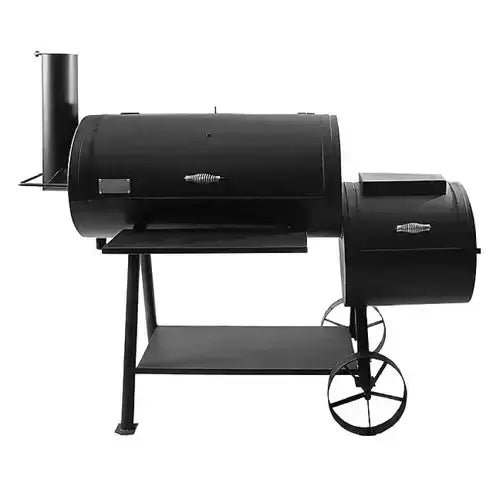
There are several types of smokers, each with its own strengths. Offset smokers use a separate firebox and provide great temperature control but can be tricky for beginners. Vertical water smokers offer steady heat and moisture, making them ideal for longer cooks.
Electric smokers are very user-friendly and good for those who want a set-it-and-forget-it experience. Pellet smokers combine convenience with flavor, using wood pellets for consistent heat and smoke. Which type fits your patience and skills?
Size And Capacity
Think about how much food you usually cook. A small smoker is perfect for a couple or a small group but won’t handle a big gathering. Larger smokers can cook multiple racks of ribs or whole briskets at once, saving you time.
Also, consider your storage space and how easy it is to move the smoker around. If you don’t have much room, a compact model might be better. How many friends or family do you plan to feed regularly?
Fuel Options
The fuel you choose affects flavor, cost, and convenience. Charcoal gives a traditional smoky taste but requires more attention to keep the fire steady. Wood chunks or chips add distinct flavors depending on the type of wood used, like hickory or apple.
Electric and pellet smokers use electricity and pellets, making them cleaner and easier to control. However, they might lack the deep smoky flavor of charcoal or wood. What balance do you want between flavor and hassle?

Credit: argentineasado.com
Preparing Your Smoker
Preparing your smoker is the key to a successful weekend BBQ. Proper preparation ensures even cooking and rich flavors. This process starts with cleaning and ends with controlling the temperature. Each step builds on the last to create the perfect smoking environment.
Cleaning And Maintenance
Clean the smoker before every use. Remove ash and leftover grease from previous sessions. Use a wire brush to scrub grates and racks. Wipe down the interior with a damp cloth. Check for rust or damage on the smoker body. Replace any worn-out parts to avoid smoke leaks. Regular maintenance prolongs the smoker’s life and improves cooking results.
Setting Up For Smoking
Choose a safe, flat spot outdoors for your smoker. Arrange wood chips or charcoal in the firebox. Add water to the water pan if your smoker has one. This keeps the meat moist during cooking. Place the meat on the cooking grate, leaving space for smoke to circulate. Close the lid tightly to trap smoke and heat inside.
Temperature Control Basics
Control airflow using vents to manage the temperature. Open vents increase heat and smoke flow. Close vents reduce the temperature. Use a thermometer to monitor the smoker’s temperature. Aim for a steady range between 225°F and 275°F for most meats. Adjust vents slowly to keep a stable heat level. Patience helps maintain the ideal smoking conditions.
Selecting The Best Wood
Choosing the right wood for your smoker can make all the difference in your weekend BBQ. The wood you select affects not just the smoke but the overall flavor of your meat. Understanding different woods and how to prepare them can help you create mouth-watering dishes that your friends and family will love.
Popular Wood Types
- Hickory:Strong, smoky flavor that works well with pork and ribs.
- Mesquite:Intense and earthy; great for beef but can overpower lighter meats.
- Apple:Mild, sweet smoke perfect for poultry and fish.
- Cherry:Adds a fruity and slightly sweet taste, great for all types of meat.
- Oak:Versatile with a medium smoky flavor, suitable for almost any meat.
Flavor Profiles
Think about the taste you want to highlight in your BBQ. If you enjoy a strong, bold smoke, hickory or mesquite can add that punch. For a subtle, sweet flavor, fruitwoods like apple or cherry enhance without overwhelming.
Have you ever noticed how the wood’s flavor can change the entire meal? Matching the wood to the meat can elevate your BBQ from good to unforgettable. Don’t be afraid to experiment by mixing woods to find your signature taste.
Wood Preparation Tips
- Use seasoned wood:Freshly cut wood produces bitter smoke and can ruin your food’s flavor.
- Keep wood dry:Store wood in a dry place to ensure it burns evenly and produces clean smoke.
- Cut into manageable sizes:Smaller chunks or chips work best for controlling smoke intensity.
- Soak chips if needed:Soaking wood chips in water for 30 minutes can slow burn and increase smoke time, but avoid soaking large chunks.
Have you tried using wet versus dry wood in your smoker? You might be surprised how much it changes the smoke quality. Preparing your wood properly is as important as selecting the right type to get that perfect BBQ flavor.
Prepping Meat For Smoking
Prepping meat for smoking ensures a delicious weekend BBQ. First, choose fresh cuts like ribs or brisket. Rub seasoning evenly for flavor. Allow the meat to rest at room temperature. Preheating the smoker to the right temperature is crucial. Finally, place the meat in the smoker, maintaining a steady heat for tender results.
Prepping meat for smoking is an art that can make or break your weekend BBQ. The secret to mouth-watering smoked meat lies in the preparation. This process is not just about throwing a slab of meat on the smoker; it’s a meticulous journey of selecting the right cuts, marinating them to perfection, and sometimes even brining to enhance flavors. Each step plays a pivotal role in achieving that tender, juicy, and smoky goodness that everyone craves. So, are you ready to impress your guests with your smoking skills? Let’s dive into the essentials of prepping meat for smoking.Choosing Cuts
The choice of meat cut is crucial. Opt for cuts that hold up well to long cooking times, like brisket, pork shoulder, or ribs. These cuts have a good amount of connective tissue and fat, which break down beautifully during smoking, resulting in tender, flavorful meat. If you’re new to smoking, consider starting with pork shoulder. It’s forgiving and absorbs flavors well. Remember, the quality of your meat sets the foundation for great BBQ.Marinades And Rubs
Marinades and rubs are your flavor enhancers. A well-thought-out marinade can infuse your meat with layers of flavor, while a rub can add a tasty crust. Mix simple ingredients like olive oil, garlic, herbs, and spices for a quick marinade. For rubs, try a blend of brown sugar, paprika, salt, and pepper for a classic BBQ touch. Experiment with different combinations to find what excites your taste buds. What secret ingredient will you add to make your BBQ stand out?Brining Techniques
Brining is a technique that involves soaking meat in a saltwater solution. It’s particularly useful for lean meats like chicken or turkey, ensuring they stay juicy and flavorful after smoking. To create a basic brine, dissolve salt in water and add a bit of sugar for balance. Feel free to toss in herbs, garlic, or even citrus for an added punch. Brining requires planning ahead, as it can take several hours or overnight. But the result is well worth the wait, offering a succulent and richly flavored piece of meat. Are you willing to try this method for your next BBQ masterpiece?Smoking Techniques
Smoking techniques shape the flavor and texture of your BBQ. Different methods suit different meats and taste preferences. Knowing these techniques helps you cook like a pro and impress your guests. Each technique controls temperature, smoke, and moisture to create delicious results.
Low And Slow Cooking
This technique uses low temperatures, usually between 225°F and 250°F. It cooks the meat slowly for several hours. This breaks down tough fibers, making meat tender and juicy. Smoke flavor has time to soak deep into the meat. Ideal for brisket, ribs, and pork shoulder.
Hot And Fast Method
Hot and fast uses higher temperatures, around 300°F to 350°F. It cooks meat faster while still adding smoky flavor. This method suits smaller cuts like chicken or sausages. The outside crisps up nicely while staying moist inside. Great for quick weekend meals.
Using Water Pans
Water pans keep the smoker moist and steady in temperature. Place a pan of water inside the smoker. It adds humidity to the cooking environment. This prevents meat from drying out during long cooks. Water pans also help control flare-ups from dripping fat.
Managing Smoke And Heat
Managing smoke and heat is the heart of mastering your smoker for weekend BBQs. It controls flavor, texture, and cooking times. Without the right balance, your food could turn out dry, undercooked, or overwhelmed by smoke.
Adjusting Airflow
Airflow controls how much oxygen reaches the fire, directly affecting heat and smoke levels. Open the vents to let in more oxygen and raise the temperature. Close them partially to lower heat and slow down the burn.
Try small adjustments rather than big changes. Too much airflow can create a hot, fast fire that dries out meat. Too little airflow causes smoldering and bitter smoke. Have you noticed your brisket tasting too bitter? Check your vent settings first.
Monitoring Temperature
Keep a reliable thermometer on hand to track your smoker’s temperature. Aim for steady heat rather than spikes or drops. Consistent temperature helps your meat cook evenly and absorb the right amount of smoke.
Use both a smoker thermometer and an internal meat thermometer. This way, you can manage the cooking environment and know when your food reaches the perfect doneness. What’s the point of smoking for hours if you don’t know when to pull the meat off?
Adding Wood And Fuel
Wood and fuel are your smoke source, but timing and quantity matter. Add small chunks of wood every hour or so rather than dumping a large amount at once. This keeps the smoke thin and flavorful instead of heavy and overpowering.
Choose wood types based on the meat you’re cooking—hickory for beef, apple for pork, or mesquite for bold flavors. Remember, too much smoke can make food bitter. Have you tried mixing wood types to create a signature flavor? It’s worth experimenting with.
Timing And Doneness
Getting the timing and doneness right is key to making your weekend BBQ a hit. Smoking meat takes patience, but knowing how to estimate cook times, check internal temperatures, and rest your meat properly can make the process much smoother. These steps help you avoid undercooked or dry results, so you can serve juicy, flavorful dishes every time.
Estimating Cook Times
Cook times vary depending on the type and size of meat, as well as the smoker temperature. A good rule of thumb is to allow about 1.5 to 2 hours per pound for larger cuts like brisket or pork shoulder at around 225°F.
Remember, these are estimates. Factors like weather, smoker efficiency, and wood type can affect timing. Have you noticed how your smoker behaves differently on humid days? That’s why watching the meat closely is essential.
Using Meat Thermometers
Don’t rely solely on time; internal temperature is the most accurate way to check doneness. Insert a reliable digital meat thermometer into the thickest part of the meat without touching bone or fat.
For example:
- Brisket: 195°F to 205°F for tender, pull-apart texture
- Pork shoulder: 195°F to 205°F for shredding
- Chicken: 165°F to 175°F for juicy meat
Have you ever cut into meat too early, only to find it tough? Using a thermometer prevents that disappointment and gives you confidence that your meat is perfectly cooked.
Resting Meat Properly
Once your meat reaches the desired temperature, resist the urge to slice immediately. Resting allows juices to redistribute, making the meat moist and flavorful.
Wrap the meat loosely in foil and let it rest for at least 20 to 30 minutes. For larger cuts, resting up to an hour works well. This step can be the difference between a good BBQ and a great one.

Credit: www.reddit.com
Side Dishes And Pairings
Side dishes and pairings complete the weekend BBQ experience. They balance smoky flavors and add variety to the meal. Choosing the right sides and drinks makes your BBQ more enjoyable and memorable.
Classic Bbq Sides
- Coleslaw – A crunchy and tangy salad that refreshes the palate.
- Baked Beans – Sweet and smoky beans complement the meat perfectly.
- Cornbread – Soft, buttery, and slightly sweet bread that pairs well.
- Potato Salad – Creamy and hearty, a BBQ staple side dish.
- Grilled Corn on the Cob – Charred and juicy, full of natural sweetness.
Sauces And Condiments
- BBQ Sauce – Sweet, spicy, or tangy, choose based on your meat.
- Mustard Sauce – Sharp and tangy, perfect for pork and chicken.
- Hot Sauce – Adds a spicy kick to enhance smoky flavors.
- Pickles – Crunchy and sour, they cut through rich meats.
- Chimichurri – Fresh herb sauce that lightens heavy dishes.
Beverage Suggestions
- Lemonade – Sweet and tart, a refreshing classic for BBQ days.
- Iced Tea – Cool and mild, pairs well with smoky flavors.
- Craft Beer – Choose light lagers or hoppy IPAs for balance.
- Red Wine – Fruity reds like Zinfandel match bold smoked meats.
- Sparkling Water – Cleanses the palate between smoky bites.
Cleaning Up After Smoking
Cleaning up after using your smoker is just as important as the cooking itself. It keeps your equipment in great shape and ensures your next BBQ is just as enjoyable. Taking the time to properly clean helps avoid buildup that can affect flavor and performance.
Disposing Ashes
Once the fire is completely out and the ashes have cooled, scoop them out carefully. Never dump ashes directly into a trash can; leftover embers can cause fires. Instead, use a metal container with a lid to store ashes safely until you’re sure they’re fully cold.
Think about your local disposal options too. Some areas allow you to compost ashes or use them in your garden to improve soil. You might be surprised how useful this byproduct can be if handled correctly.
Maintaining Your Smoker
Cleaning the grates after each use prevents rust and keeps flavors clean. Use a grill brush to scrape off food residue while the grate is still warm but not hot enough to burn you. For deeper cleaning, warm water and mild soap work well, but avoid harsh chemicals that can leave residues.
Check your smoker’s vents and seals regularly. Clear any blockages that could restrict airflow, and replace worn gaskets to maintain heat control. Small maintenance steps like these extend the life of your smoker and improve cooking consistency.
Storage Tips
Store your smoker in a dry, covered area to protect it from the elements. Rain and moisture are your smoker’s worst enemies and can cause rust quickly. If you don’t have a covered space, invest in a heavy-duty weatherproof cover.
Before storage, ensure the smoker is completely dry. Leaving moisture inside can lead to mold and unpleasant odors. A simple wipe-down and airing out can save you from headaches when you fire it up again next weekend.

Credit: danavento.com
Frequently Asked Questions
How Do You Start A Smoker For Bbq?
To start a smoker, first prepare your charcoal or wood chips. Light them and allow the fire to stabilize. Adjust the vents to control airflow and temperature. Preheat the smoker to the desired cooking temperature before placing your food inside.
What Wood Is Best For Smoking Bbq?
Popular woods for smoking BBQ include hickory, mesquite, apple, and cherry. Each wood imparts a unique flavor. Choose wood based on the meat type and flavor intensity you prefer. Avoid resinous woods like pine, as they produce unpleasant tastes.
How Long Should I Smoke Meat For Bbq?
Smoking times vary by meat type and size. Generally, low and slow cooking takes several hours. For example, brisket may take 8-12 hours, while ribs require 4-6 hours. Use a meat thermometer to ensure proper internal temperature.
How Do You Maintain Smoker Temperature?
Maintain smoker temperature by adjusting vents and adding fuel carefully. Keep the lid closed as much as possible to retain heat. Monitor temperature frequently with a reliable smoker thermometer to avoid fluctuations during cooking.
Conclusion
Using a smoker adds rich flavor to your weekend BBQ meals. Keep the fire steady and watch the temperature closely. Choose the right wood chips for the best taste. Patience is key—slow cooking brings tender, juicy results. Practice makes perfect, so don’t be afraid to try again.
Share your smoky dishes with family and friends. Enjoy the process as much as the food itself. A smoker can make your BBQ gatherings special and memorable.

