
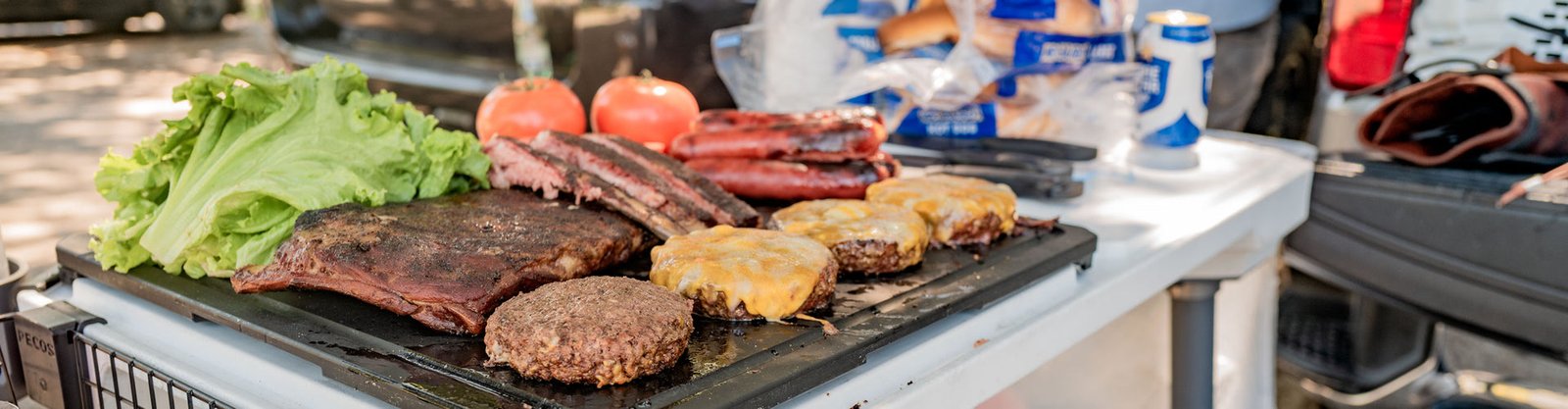
Are you ready to take your tailgating game to the next level? Using a smoker at your next tailgate can turn ordinary food into mouthwatering, smoky delights that everyone will rave about.
But if you’ve never used a smoker before, it might feel a bit overwhelming. Don’t worry—this guide will walk you through everything you need to know. By the end, you’ll be confident in firing up your smoker and impressing your friends with juicy ribs, tender brisket, and flavorful pulled pork.
Keep reading, and get ready to become the star of your tailgate party!

Credit: snakeriverfarms.com
Choosing The Right Smoker
Choosing the right smoker is key to a great tailgating experience. A good smoker fits your needs and space. It should be easy to use and move. Picking the right one saves time and makes your food taste better.
Types Of Smokers
There are several types of smokers to consider:
- Electric Smokers:Simple to use with steady heat. Great for beginners.
- Charcoal Smokers:Add smoky flavor. Require more skill and attention.
- Propane Smokers:Heat quickly and offer control. Clean and convenient.
- Pellet Smokers:Use wood pellets for flavor. Easy to manage temperature.
Size And Portability
Tailgating means moving your smoker easily. Choose a size that fits your vehicle and space.
Compact smokers fit small cars and tight spots. Larger smokers cook more food but are heavy.
Look for models with wheels or handles. Portability lets you set up quickly and enjoy more time with friends.
Fuel Options
Fuel affects flavor and convenience. Common options include:
- Charcoal:Traditional flavor but needs more work.
- Wood:Adds rich smoke taste. Needs careful handling.
- Propane:Fast and easy. Less smoky flavor.
- Electric:Clean and simple. Limited smoke taste.
Choose fuel that matches your cooking style and tailgate setup.

Credit: snakeriverfarms.com
Essential Tools And Accessories
Having the right tools and accessories can make your tailgating smoker experience smoother and more enjoyable. These essentials help you maintain perfect cooking conditions, manage flavors, and keep your equipment in top shape. Investing in quality gear not only saves time but also boosts your confidence as you serve up mouthwatering dishes to friends and family.
Thermometers And Timers
Accurate temperature control is key when smoking meat. A reliable thermometer ensures your food reaches the ideal internal temperature without guesswork. Consider digital probes that let you monitor temperatures remotely, so you can relax with your guests instead of hovering over the smoker.
Timers help you keep track of cooking stages, especially during long smokes. Setting alarms for when to add wood chips or check the meat prevents overcooking. Have you ever missed the perfect smoke window because you lost track of time? Timers fix that problem effortlessly.
Wood Chips And Charcoal
The choice of wood chips influences the flavor profile of your smoked foods. Hickory, apple, mesquite, and cherry each bring unique aromas and tastes. Mixing different woods can create custom flavors, but remember to soak chips in water for about 30 minutes before adding them to prevent flare-ups.
Charcoal is the heat source that keeps your smoker running steadily. Lump charcoal burns hotter and cleaner than briquettes but may require more attention to maintain temperature. Experiment with both types to find what works best for your tailgate setup and cooking style.
Cleaning Supplies
Keeping your smoker clean extends its life and ensures better tasting food. A sturdy grill brush helps remove residue from grates after each use. Don’t forget about cleaning the ash catcher and interior surfaces regularly to avoid buildup that can affect heat distribution.
Using a mild soap solution and warm water is usually enough for most parts, but specialized smoker cleaning sprays can tackle tougher grime. What’s your current cleaning routine? Adding a few simple steps can save you headaches at your next tailgate.
Preparing Your Smoker
Getting your smoker ready can make or break your tailgating experience. Proper preparation ensures your food cooks evenly and tastes amazing. It also saves you from last-minute hassles and keeps your setup running smoothly throughout the game day.
Seasoning The Smoker
Seasoning your smoker is essential before the first use. It removes any factory oils and builds a protective coating inside the chamber. To do this, clean the smoker with warm soapy water, dry it, then apply a thin layer of cooking oil to the interior surfaces.
Heat the smoker to around 275°F (135°C) and maintain this temperature for 1-2 hours. This process helps the oil bake into the metal, preventing rust and adding flavor to your food. Have you ever noticed a metallic taste when smoking? Proper seasoning is usually the fix.
Setting Up At The Tailgate
Choose a flat, stable surface that’s away from foot traffic and wind to set up your smoker. Make sure you have enough space for fuel, tools, and your food prep area. Setting up near your tailgate vehicle can be handy for quick access to supplies and shelter.
Consider the wind direction; you want smoke to blow away from your guests, not into their faces. Having a fire extinguisher or a bucket of water nearby is smart safety practice. How often do you think about safety when tailgating? It’s crucial to plan ahead.
Maintaining Temperature
Consistent temperature control is key for perfectly smoked food. Use the built-in vents and dampers to adjust airflow and keep your smoker within the ideal range, usually between 225°F and 275°F (107°C to 135°C). A digital thermometer can be a lifesaver here, giving you real-time readings.
Check the temperature every 20-30 minutes, especially in the early stages. Avoid opening the smoker too often; it lets heat escape and extends cooking time. Have you tried using water pans inside the smoker? They help stabilize heat and add moisture, improving the overall cooking environment.

Credit: snakeriverfarms.com
Selecting And Preparing Meat
Selecting and preparing meat for tailgating with a smoker enhances flavor and tenderness. Choose cuts like brisket or ribs for best results. Season them well before placing in the smoker.
Selecting and preparing meat for tailgating with a smoker can make or break your gathering. The right cut, marinade, and preparation are essential for achieving that smoky, mouth-watering flavor everyone craves. But how do you make sure your meat stands out at the tailgate?Best Cuts For Smoking
Choosing the right cut is crucial. Brisket is a popular choice for its rich flavor and tenderness when smoked correctly. If you’re looking for something less time-consuming, pork shoulder is forgiving and perfect for pulled pork sandwiches. Don’t forget about chicken wings or ribs, which are both crowd-pleasers and cook relatively quickly. Think about the time you have and the taste preferences of your guests. Are you aiming for a quick smoke or an all-day affair? Selecting the right cut will set the stage for your tailgating success.Marinades And Rubs
A good marinade or rub can elevate your meat to new heights. Dry rubs are a favorite for their simplicity and flavor-packed punch. Consider mixing brown sugar, paprika, garlic powder, and black pepper for a classic BBQ rub. If you prefer a marinade, try combining soy sauce, olive oil, garlic, and a splash of bourbon for a savory, sweet taste. Experiment with different combinations to find what suits your taste buds. Don’t be afraid to go bold or keep it traditional. The key is to enhance the meat, not overpower it.Pre-smoking Tips
Before smoking, let your meat rest at room temperature for about 30 minutes. This helps it cook evenly. Trim excess fat, but leave enough to keep the meat juicy. If you’re smoking poultry, consider brining it overnight to lock in moisture. Do you have a meat thermometer? It’s an invaluable tool to ensure your meat reaches the perfect internal temperature. This small step can make a big difference in your smoking success. Remember, the preparation is as important as the smoking process itself. With these tips, you’re set to impress your fellow tailgaters. Happy smoking!Smoking Techniques For Tailgating
Smoking techniques are key to making your tailgate a hit. Mastering smoke and heat control, timing, and avoiding common pitfalls will help you serve up delicious, tender meats every time. Let’s dive into the essentials that keep your smoker running smoothly and your food tasting amazing.
Controlling Smoke And Heat
Maintaining steady heat is crucial. Too much smoke can make your food bitter, while too little leaves it bland. Aim for thin, blue smoke instead of thick white smoke—this means your fire is clean and burning well.
Use a digital thermometer to keep your smoker’s temperature between 225°F and 275°F for most meats. Adjust air vents to control airflow and heat; opening vents increases temperature, while closing them lowers it.
Keep a spray bottle handy with water or apple juice to manage flare-ups and keep your meat moist. If you want a smoky flavor without overpowering, add small chunks of wood rather than large logs.
Timing And Cooking Process
Patience is your best friend. Smoking is slow cooking, so plan plenty of time. A brisket can take up to 12 hours, while chicken usually needs 3 to 4 hours.
Use the “stall” period—when the meat’s internal temperature stops rising—as a chance to wrap your meat in foil or butcher paper. This helps push through the stall and keeps the meat juicy.
Check internal temperatures often rather than relying on clock time. Your goal is to hit the ideal doneness: 195°F-205°F for brisket and 165°F for poultry.
Avoiding Common Mistakes
- Don’t open the smoker too often.Each peek releases heat and smoke, extending cooking time.
- Avoid using lighter fluid.It can leave an unpleasant chemical taste in your food.
- Don’t rush the process.Low and slow is the mantra; rushing leads to tough, dry meat.
- Skip overcrowding the smoker.Air needs to circulate to cook evenly.
- Don’t ignore resting time.Let your meat rest after smoking to lock in juices and improve flavor.
Have you ever noticed how the best-tasting smoked meats come from smokers that seem to “breathe” just right? That’s the magic of proper airflow and temperature control. What’s one smoking technique you’ve struggled with at tailgates?
Serving And Storing Smoked Food
Serving and storing smoked food properly can make or break your tailgating experience. The right approach keeps flavors fresh and textures perfect, ensuring every bite is as satisfying as the first. Paying attention to how you rest, carve, transport, and pair your smoked dishes will elevate your game day spread.
Resting And Carving
After pulling your smoked meat off the smoker, let it rest for at least 15 to 20 minutes. This pause allows juices to redistribute, keeping the meat moist and flavorful.
Carve against the grain to make every slice tender and easy to chew. Thin slices work best for sandwiches or wraps, while thicker cuts are perfect for plates.
Safe Transport And Storage
Maintaining the right temperature during transport is crucial to avoid food safety issues. Use insulated coolers or thermal bags to keep smoked foods above 140°F if you plan to serve them hot.
If you’re storing leftovers, refrigerate within two hours and keep the food in airtight containers. Smoked meats can last 3 to 4 days in the fridge and freeze well for up to three months.
Side Dishes And Pairings
Complement your smoked main with sides that balance smoky richness. Fresh coleslaw, grilled vegetables, or baked beans add texture and flavor contrast.
Don’t forget sauces and pickles—they brighten the palate and cut through the heaviness. Have a variety ready to let your guests customize their plates easily.
Cleaning And Maintenance After Use
Cleaning and maintaining your smoker after tailgating is key to keeping it ready for your next outdoor cooking adventure. Neglecting this step not only shortens the smoker’s lifespan but can also affect the flavor of your food. Taking time to clean and care for your smoker ensures it performs well every time you fire it up.
Post-smoking Cleanup
Right after smoking, let the smoker cool down but don’t wait too long to start cleaning. Remove the ashes and leftover charcoal to prevent buildup that can block airflow. Scrape the grates using a sturdy brush to get rid of stuck-on food and grease.
Wipe down the inside surfaces with a damp cloth or sponge to remove grease and residue. Avoid harsh chemicals; warm soapy water usually does the trick. If your smoker has a drip tray, empty and clean it thoroughly to avoid unpleasant smells later.
Regular Maintenance Tips
Check the seals and gaskets regularly to make sure they are intact and not cracked. Damaged seals can cause heat loss and uneven cooking. Oil the metal parts like hinges and handles occasionally to prevent rust and keep them moving smoothly.
Inspect the smoker for rust spots and clean them off immediately with a wire brush, then apply a high-heat paint if needed. Regularly clean the smoke stack to ensure proper ventilation and smoke flow. Remember, a well-maintained smoker means better control over temperature and smoke.
Storage For Next Tailgate
Store your smoker in a dry, sheltered place to protect it from the elements. If you don’t have a covered area, invest in a quality smoker cover designed for your model. Covers keep moisture out and prevent dust and debris from settling inside.
Before storing, make sure your smoker is completely dry to avoid rust. You might want to leave the lid slightly open to allow air circulation. This small step can save you from a musty, rusty smoker next time you’re ready to tailgate.
Tips For A Successful Tailgating Bbq
Tailgating with a smoker offers a unique way to enjoy BBQ outdoors. Success depends on good preparation, safety, and social fun. These tips help create a smooth, enjoyable tailgating experience. Perfect for friends, food, and fun.
Planning And Timing
Plan your menu around the smoker’s cooking times. Choose meats that cook well over low heat. Start the smoker early to reach the right temperature. Bring all necessary tools and wood chips. Pack extra charcoal or fuel for longer sessions. Prepare sides and snacks that are easy to serve. Check the weather forecast to avoid surprises.
Safety Considerations
Set up the smoker on a flat, stable surface. Keep it away from tents, vehicles, and dry grass. Have a fire extinguisher or water bucket nearby. Use heat-resistant gloves when handling hot parts. Never leave the smoker unattended while lit. Keep children and pets at a safe distance. Dispose of ashes only after they are fully cooled.
Engaging Your Guests
Invite guests to join in the cooking process. Show how the smoker works and explain the flavors. Offer tasting samples while the food cooks. Prepare simple games or music to keep spirits high. Encourage guests to share their favorite BBQ tips. Create a comfortable seating area near the smoker. Make the experience social and interactive for everyone.
Frequently Asked Questions
How Do You Set Up A Smoker For Tailgating?
Set up your smoker on a flat, stable surface near your vehicle. Ensure proper ventilation and have all tools ready. Preheat the smoker to the desired temperature before adding food. This ensures even cooking and great flavor during tailgating.
What Foods Are Best For Smoking At Tailgates?
Popular tailgate smoker foods include brisket, ribs, chicken, and sausages. These meats absorb smoky flavors well and cook evenly. You can also smoke vegetables and cheese for variety. Choose items that hold heat and taste great after smoking.
How Long Should I Smoke Meat For Tailgating?
Smoking time depends on the meat type and size. For brisket, it usually takes 1 to 1. 5 hours per pound. Ribs take about 4-6 hours. Use a meat thermometer to ensure proper internal temperature and food safety.
Can I Use Charcoal Or Wood Chips For Smoking Tailgate Food?
Yes, both charcoal and wood chips work well for smoking. Charcoal provides steady heat, while wood chips add distinct smoky flavors. Combine them for best results. Soak wood chips in water before use to prevent quick burning.
Conclusion
Using a smoker at your tailgate brings great flavor and fun. Keep your smoker clean and ready before you start. Choose the right wood for the taste you want. Watch the temperature closely to cook food just right. Remember, patience makes the best smoky dishes.
Share your smoky creations with friends and enjoy the moment. Tailgating with a smoker turns any game day into a tasty event. Give it a try and see how simple and rewarding it can be.

