
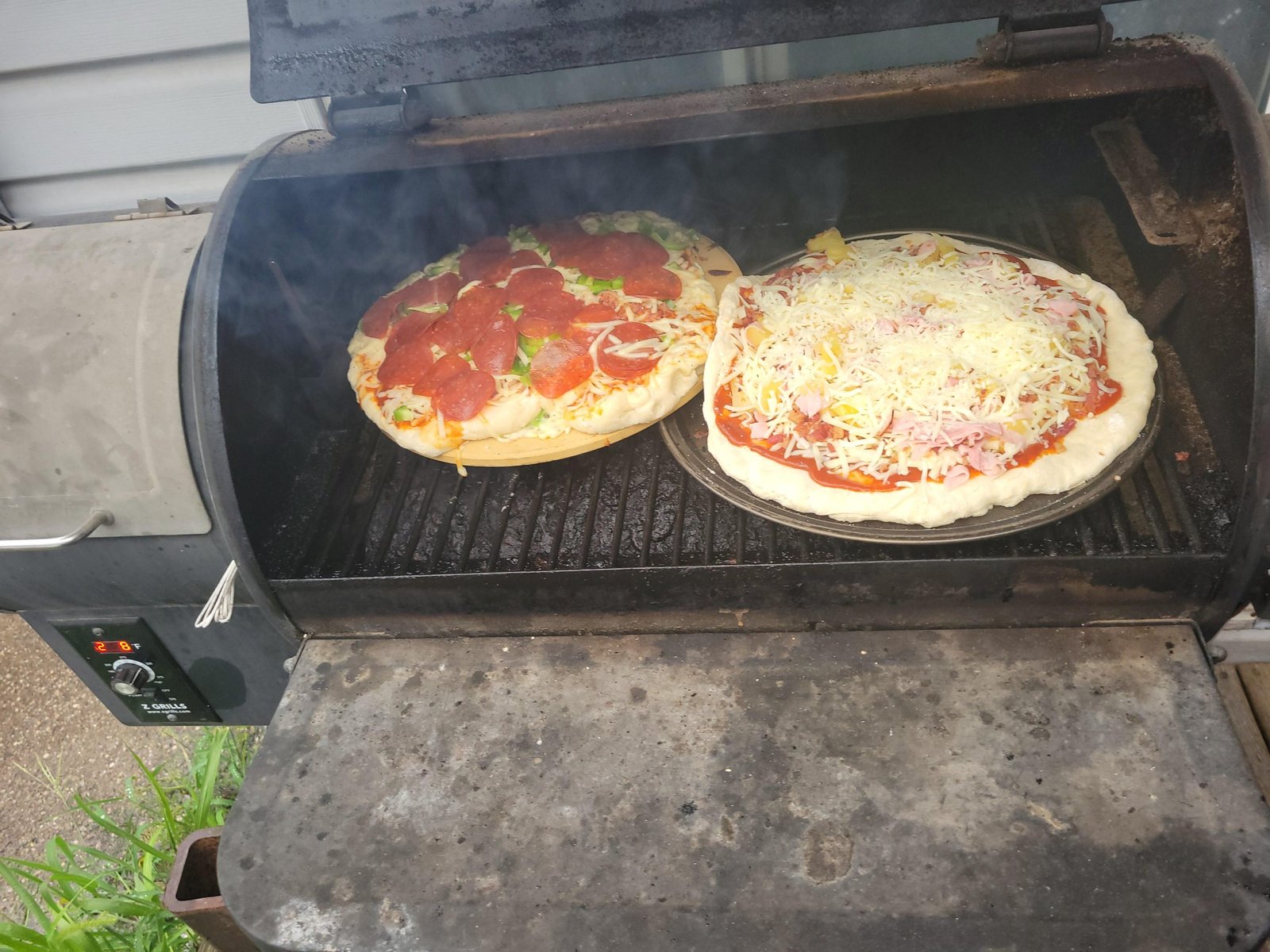
Want to take your homemade pizza to the next level? Using a smoker for pizza is a game-changer that adds a rich, smoky flavor you won’t find in a regular oven.
Imagine biting into a crispy crust infused with wood smoke, melted cheese bubbling perfectly, and toppings that taste like they’ve been crafted by a pro. If you’ve ever wondered how to achieve that mouthwatering taste right at home, this guide is for you.
Keep reading, and you’ll discover simple steps to turn your smoker into the ultimate pizza oven and impress everyone at your next meal.

Credit: www.reddit.com
Choosing The Right Smoker
Choosing the right smoker is crucial for making the perfect smoked pizza. The smoker you pick affects the cooking temperature, smoke flavor, and overall ease of use. Understanding your options helps you find a smoker that matches your style and pizza preferences.
Types Of Smokers Suitable For Pizza
Not every smoker is ideal for pizza. You need one that can reach and maintain high temperatures, usually around 600°F (315°C). Kamado-style smokers are a popular choice because they hold heat well and can reach those high temps quickly.
Another option is a pellet smoker, which offers precise temperature control and steady smoke. Offset smokers work too, but they require more skill to manage heat and smoke flow. Think about how much time you want to spend adjusting the smoker during cooking.
Fuel Options And Their Flavor Impact
Fuel choice changes the flavor of your pizza significantly. Hardwood chunks like oak or hickory provide a strong, smoky taste that pairs well with bold toppings. Fruitwoods such as apple or cherry add a milder, sweeter smoke that complements lighter cheeses and vegetables.
If you use charcoal, expect a classic smoky flavor but be ready to add wood chunks for more aroma. Gas smokers are convenient but lack the depth of flavor from wood smoke. What kind of smoky taste do you want on your pizza?
Essential Accessories For Smoking Pizza
Some accessories can make smoking pizza easier and improve results. A pizza stone or baking steel is essential to create a crispy crust by evenly distributing heat. Without it, your pizza might cook unevenly or become soggy.
A good digital thermometer helps you monitor both the smoker’s temperature and the pizza’s internal heat. Consider heat-resistant gloves for safe handling, and a peel to slide your pizza in and out smoothly. These tools help you focus on flavor, not firefighting.
Selecting The Best Wood For Flavor
Choosing the right wood is essential to creating the perfect smoked pizza. The wood you use impacts the flavor profile, aroma, and overall experience of your pizza. Understanding which woods work best helps you add a delicious smoky twist without overpowering the other ingredients.
Popular Wood Choices For Pizza Smoking
Apple wood is a favorite among many for its mild, slightly sweet smoke that complements the tomato sauce and cheese without masking their flavors. Cherry wood offers a bit more fruitiness and adds a rich, warm color to the crust. Hickory provides a stronger, bacon-like smoke, perfect if you want a bold, savory kick.
Oak is another versatile option, providing a medium smoky flavor that pairs well with most pizza toppings. Pecan sits between hickory and fruit woods, delivering a nutty and slightly sweet smoke that enhances the overall taste. These woods are widely available and offer a range of intensities to suit your personal preference.
Combining Woods For Unique Tastes
Mixing two or more types of wood can create complex flavor layers that make your pizza stand out. For example, blending apple and hickory balances sweet and strong smoky notes, giving you a nuanced taste experience. You might try cherry with pecan for a sweeter, nuttier profile that adds depth without overwhelming the pizza.
Experiment with small amounts first to see how the flavors work together. This approach lets you discover your favorite combos and avoid overpowering the delicate balance of toppings. Have you ever thought about how a subtle twist in wood choice could redefine your pizza nights?
Avoiding Woods That Alter Flavor Negatively
Not all woods are suitable for smoking pizza. Softwoods like pine, fir, or cedar contain resins that produce unpleasant, bitter flavors and harmful smoke. Avoid any wood treated with chemicals, paint, or stain, as these release toxins that ruin your food and health.
Mesquite wood, while popular in grilling, can be too intense and bitter for pizza, often overpowering the toppings. Stick to hardwoods known for clean, pleasant smoke to keep your pizza tasting fresh and balanced. What’s the worst smoky flavor you’ve encountered, and could it have been avoided with better wood?
Preparing The Smoker
Preparing the smoker is a key step for making delicious pizza with a smoky flavor. Getting the smoker ready ensures even cooking and the perfect crust. Take time to set up the smoker correctly before placing your pizza inside.
Setting Up For Consistent Heat
Consistent heat is vital for cooking pizza evenly. Arrange the charcoal or wood so heat spreads evenly across the cooking area. Use a heat deflector or water pan if your smoker has one. This helps avoid hot spots that can burn the pizza.
Keep vents partially open to allow airflow and control temperature. Monitor the temperature using a built-in or digital thermometer. Aim for a steady 450-500°F for ideal pizza cooking.
Controlling Smoke Levels
Smoke adds great flavor but too much can overpower the pizza. Use mild wood like apple, cherry, or maple for a gentle smoke. Avoid resinous woods like pine, which can create harsh flavors.
Add small amounts of wood chips or chunks slowly. Keep the smoke thin and blue, not thick and white. Thick smoke can make the pizza bitter and unpleasant.
Preheating Tips For Perfect Results
Preheating the smoker ensures the cooking surface is hot enough before the pizza goes in. Heat the smoker for 30-45 minutes to reach the target temperature.
Place a pizza stone or steel inside during preheating. This absorbs and retains heat, giving the pizza a crisp bottom crust. Test the temperature on the stone with an infrared thermometer if available.
Crafting The Perfect Pizza Dough
Crafting the perfect pizza dough is the foundation of making incredible smoked pizzas. The dough has to hold up under the unique conditions of a smoker while absorbing just enough smoky flavor without losing its texture. Balancing ingredients and timing will help you create a crust that’s crispy, chewy, and full of character.
Dough Recipes Ideal For Smoking
Not all pizza dough recipes work well in a smoker. You’ll want a dough that can handle longer cooking times and the moist heat inside the smoker. A basic Neapolitan-style dough with high-protein flour works great because it develops strength and chewiness.
- Use bread flour or a blend of bread and all-purpose flour to get enough gluten.
- Include a small amount of sugar or honey to promote browning and flavor depth.
- Add olive oil to keep the dough tender and prevent it from drying out in the smoker.
Have you tried experimenting with whole wheat or rye flour? These add interesting flavors and hold smoke well, but adjust hydration accordingly.
Adjusting Hydration For Smoky Cooking
Hydration is the amount of water compared to flour in your dough. For smoking, slightly higher hydration (around 65-70%) helps the dough stay moist during the slow cook. This prevents the crust from becoming too hard or dry while it absorbs smoke flavors.
Keep in mind, wetter dough can be sticky and harder to handle. Dust your hands and work surface with flour to make shaping easier. Does your dough feel too loose? Try reducing water by small amounts until you find a balance that works with your technique.
Resting And Proofing Tips
Proper resting and proofing allow gluten to relax and yeast to develop flavor. For smoked pizza dough, a longer, slower proof—like an overnight rise in the fridge—improves texture and lets the dough develop more complex flavors that pair well with smoke.
- After mixing, cover the dough tightly and let it rest at room temperature for 1-2 hours.
- Then refrigerate for 12-24 hours to slow fermentation.
- Before shaping, bring dough back to room temperature to make it more pliable.
Skipping this step can leave you with a dense or tough crust. How long do you usually let your dough proof? Trying longer proofing times might surprise you with better results in your smoker.
Choosing Toppings For Smoked Pizza
Choosing the right toppings for your smoked pizza can make a huge difference in flavor and texture. Since smoking adds a rich, deep taste, you want toppings that either enhance or balance that smoky profile. Careful selection helps avoid sogginess and ensures every bite bursts with deliciousness.
Ingredients That Complement Smoke Flavor
Bold, savory ingredients work best with smoke. Think smoked cheeses like mozzarella or gouda—these add layers without overpowering the smoke.
Meats such as pepperoni, smoked sausage, or bacon bring extra depth and pair naturally with the smoky aroma. Vegetables like caramelized onions, roasted red peppers, and mushrooms also enhance the flavor without clashing.
Have you tried adding fresh herbs like rosemary or thyme after smoking? They brighten the rich taste and add freshness to the smoky backdrop.
Avoiding Overly Watery Toppings
Watery toppings can turn your crust soggy and spoil the texture. Ingredients like fresh tomatoes, zucchini, or mushrooms should be pre-cooked or drained well before adding.
Using sun-dried tomatoes or roasted veggies helps reduce excess moisture and intensifies flavor. You want toppings that hold up well under low, slow heat without releasing too much water.
Think about the last pizza you had that felt soggy—what toppings might have caused that? Adjusting moisture levels can save your smoked pizza from that fate.
Layering For Best Results
Layering toppings properly helps balance moisture and heat exposure. Start with a thin layer of sauce to protect the dough, then add cheese to create a barrier against sogginess.
Place meats next so their fats can melt and infuse the pizza, followed by vegetables on top to keep them from drying out too much. You can always add fresh herbs or greens after smoking for a burst of freshness.
Experiment with your layering—sometimes flipping the order slightly can improve how flavors meld and how textures hold up during smoking.

Credit: www.reddit.com
Smoking Techniques For Pizza
Smoking pizza adds a unique flavor that baking alone cannot achieve. Using the right smoking techniques enhances the taste and texture of your pizza. Controlling smoke, heat, and cooking tools helps create a perfect smoky crust and melted toppings.
Direct Vs Indirect Smoking Methods
Direct smoking places the pizza near the heat source. This method cooks the pizza quickly and gives a strong smoky flavor. It works well for thin crust pizzas.
Indirect smoking keeps the pizza away from direct heat. Smoke surrounds the pizza, cooking it slowly and evenly. This method prevents burning and suits thick or stuffed pizzas.
Managing Temperature And Time
Keep smoker temperature between 400°F and 500°F for pizza. High heat cooks the crust crispy without drying toppings. Smoking time ranges from 15 to 25 minutes depending on thickness.
Use a thermometer to monitor the smoker’s heat. Adjust air vents or fuel to keep a steady temperature. Avoid opening the smoker too often to keep smoke inside.
Using Pizza Stones And Screens
Pizza stones absorb heat and spread it evenly under the dough. They create a crispy bottom crust. Preheat the stone in the smoker before placing the pizza on it.
Pizza screens allow smoke and heat to circulate around the crust. They prevent sogginess by letting moisture escape. Use screens for thinner pizzas or when cooking multiple pizzas at once.
Troubleshooting Common Issues
Using a smoker for pizza offers a unique flavor but can bring challenges. Make sure the temperature is stable and avoid over-smoking. Keep an eye on the cooking time to prevent burning. Experiment with wood types for different flavors and always preheat the smoker for best results.
Using a smoker for pizza can elevate your culinary experience, but sometimes things don’t go as planned. Troubleshooting common issues is crucial to mastering this art. Here, we delve into some challenges you might encounter and how to overcome them.Preventing Soggy Crusts
A soggy crust can ruin your pizza experience. Ensure your smoker is preheated to the right temperature—usually around 500°F. This helps the crust cook quickly and evenly. Use a pizza stone or steel to absorb excess moisture. It provides a solid, hot surface for the dough, ensuring it crisps up nicely. If you notice your toppings cooking faster than the crust, consider par-baking the crust for a few minutes before adding toppings. This can help achieve the right balance between a crispy base and perfectly cooked toppings.Avoiding Over-smoking
Too much smoke can overwhelm the flavors of your pizza. Start with a small amount of wood chips—less is more in this case. Select mild-flavored woods like apple or cherry. These enhance without overpowering your pizza’s taste. Monitor your smoke levels regularly. If it’s too dense, open the vents to allow more airflow and reduce the smoke concentration.Dealing With Uneven Cooking
Uneven cooking can result in a pizza that’s burnt on one side and undercooked on the other. Rotate your pizza halfway through the cooking process to ensure even exposure to heat. Check the heat distribution in your smoker. Some areas might be hotter than others, so adjust your pizza’s placement accordingly. Consider using a pizza peel to quickly and safely turn your pizza without losing heat. This small investment can save you from many uneven cooking woes. Have you encountered other challenges when smoking pizza? Share your experiences and solutions!Enhancing Flavor Post-smoking
Smoking pizza adds a deep, rich taste that sets it apart from traditional baking. After smoking, the pizza benefits from extra care to bring out its full flavor. Small touches can brighten the smoky notes and balance the flavors perfectly.
Enhancing your smoked pizza after it comes off the smoker creates a more enjoyable eating experience. This process involves adding fresh elements, pairing it with the right drinks, and knowing how to store and reheat to keep flavors intact.
Finishing Touches And Garnishes
Add fresh herbs like basil or parsley to brighten the smoky flavor. A drizzle of olive oil or a sprinkle of parmesan cheese enhances richness. Try crushed red pepper flakes for a mild spicy kick. Fresh tomatoes or arugula add a cool, crisp contrast. These simple garnishes lift the taste and add color to your pizza.
Pairing Smoked Pizza With Drinks
Choose drinks that complement the smoky taste without overpowering it. Light beers like pilsners or lagers work well. Red wines with fruity notes balance the richness of smoked cheese and meats. Sparkling water with lemon refreshes the palate between bites. Experiment with iced tea or a citrus soda to add a fresh twist.
Storing And Reheating Tips
- Store leftover smoked pizza in an airtight container in the fridge.
- Reheat in a hot oven or toaster oven to keep crust crispy.
- Avoid microwaving; it can make the crust soggy.
- Use foil to cover pizza while reheating to avoid drying out.
- Reheat pizza quickly to preserve the smoky flavor and texture.

Credit: www.youtube.com
Frequently Asked Questions
How Do You Prepare A Smoker For Pizza Cooking?
To prepare a smoker for pizza, clean the grates and preheat it to 400-500°F. Use hardwood chips for authentic smoky flavor. Ensure the smoker maintains steady heat for even cooking.
What Type Of Wood Is Best For Smoking Pizza?
Fruitwoods like apple or cherry are ideal for smoking pizza. They provide a mild, sweet smoke that complements the pizza’s flavors without overpowering them. Avoid strong woods like mesquite.
How Long Should You Smoke Pizza In A Smoker?
Smoke pizza for about 20 to 30 minutes at 400-500°F. Check for a crispy crust and melted cheese. Cooking time varies depending on dough thickness and smoker temperature.
Can You Use A Smoker To Cook Pizza Dough Directly?
Yes, you can cook pizza dough directly on smoker grates. Use a pizza stone or cast iron pan for even heat distribution and to prevent sticking. Rotate the pizza for uniform cooking.
Conclusion
Smoking pizza adds a unique flavor you won’t get from ovens. It takes time and patience, but the results are worth it. Use the right wood and keep the temperature steady. Watch your pizza closely to avoid burning. Experiment with toppings to find your favorite taste.
Smoking pizza can be fun and delicious. Give it a try and enjoy a tasty meal with a smoky twist.

