
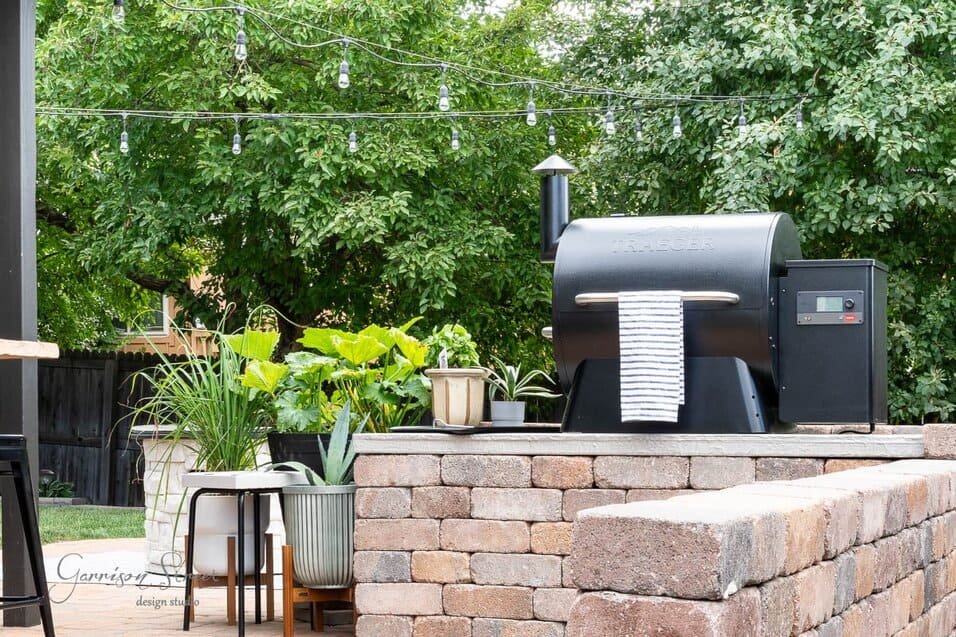
Are you ready to transform your patio into a mouthwatering barbecue haven? Using a smoker on your patio can unlock flavors you’ve never tasted before.
But if you’re unsure where to start or worried about the process, this guide is for you. You’ll discover simple steps to get your smoker going, tips to keep your food juicy and flavorful, and tricks to impress your friends and family.
Keep reading, and soon you’ll be the go-to grill master in your neighborhood.
Choosing The Right Smoker
Choosing the right smoker for your patio is crucial to making your outdoor cooking experience enjoyable and successful. You want a smoker that fits your space, matches your cooking style, and suits your fuel preferences. Picking the wrong one can lead to frustration, wasted time, and less tasty results.
Types Of Smokers
There are several types of smokers, each with unique features that affect how you cook and the flavors you get.
- Charcoal Smokers:Known for authentic smoky flavor, they require more attention to maintain temperature but reward you with rich taste.
- Electric Smokers:Easier to use with precise temperature control, perfect if you want a hands-off approach.
- Propane Smokers:Quick to heat and convenient, offering a good balance between flavor and ease of use.
- Pellet Smokers:Use wood pellets for fuel, combining good flavor with automation, but they can be pricier.
Think about how involved you want to be in the cooking process. Do you enjoy tending to the fire, or would you prefer setting it and walking away?
Size And Capacity
Size matters when choosing a smoker for your patio. A bulky smoker might overpower a small space, while a tiny one may not cook enough food for your needs.
Consider how many people you usually cook for and how much room you have. A smoker that holds 8-10 pounds of meat is great for small families, while larger gatherings need more capacity.
Remember, portability can be important if you want to move the smoker around or store it when not in use. Have you measured your patio space and thought about storage?
Fuel Options
Your choice of fuel affects not only flavor but also convenience and cost. Charcoal and wood give authentic smoky flavors but require patience and skill.
Electric and propane options are easier to manage and faster to start but may lack the deep smokiness of wood or charcoal.
Think about availability and cleanup too. Do you want to deal with ashes, or prefer a cleaner fuel source? Your lifestyle and taste preferences will guide this choice.
Setting Up Your Patio Smoker
Setting up your patio smoker properly is key to enjoying flavorful, perfectly smoked meals. It’s not just about placing the smoker anywhere; thoughtful setup can enhance your cooking experience and keep your outdoor space safe. Let’s look at how to prepare your patio for smoking, ensuring you get the best results every time.
Ideal Location
Choose a spot on your patio that has good airflow but is sheltered from strong winds. This helps maintain consistent temperatures inside the smoker and prevents smoke from blowing into your house or neighbors’ windows.
Make sure the surface is flat and stable, such as a concrete slab or brick patio. Avoid placing your smoker on wooden decks or near flammable materials to reduce fire risk.
Think about access to electricity or water if your smoker model requires it. Also, consider how close the smoker is to your cooking prep area for convenience.
Safety Precautions
Never leave your smoker unattended while it’s lit. Fires can start quickly, so always have a fire extinguisher or a bucket of water nearby.
Keep children and pets away from the smoker during use. The exterior can become very hot and cause burns.
Check your smoker regularly for grease buildup, which can ignite unexpectedly. Clean your smoker after each use to maintain safe operation.
Essential Tools And Accessories
- Heat-resistant gloves:Protect your hands when handling hot components or adding wood chips.
- Meat thermometer:Ensure your food reaches the perfect internal temperature for safety and taste.
- Wood chips or chunks:Choose types like hickory, apple, or mesquite to add unique flavors.
- Drip pan:Catches grease and prevents flare-ups, keeping your smoker cleaner.
- Chimney starter or lighter:Helps you light charcoal quickly and evenly without chemical starters.
Have you noticed how using the right tools makes your smoking experience smoother and more enjoyable? Preparing properly sets the stage for amazing meals and relaxed patio gatherings.
Preparing The Smoker
Preparing your smoker properly sets the stage for delicious meals on your patio. This step ensures your smoker works efficiently and safely. Taking time to prepare it right saves effort later and improves flavor.
Cleaning And Maintenance
Start by removing ashes and leftover debris from previous use. Clean the grates with a stiff brush to clear stuck food. Wipe the interior walls with a damp cloth to remove grease. Check for rust spots or damage and fix them before cooking. Proper cleaning helps prevent flare-ups and bad smells.
Preheating Techniques
Preheat the smoker to the right temperature before adding food. Light the charcoal or wood and close the lid. Let the smoker reach your desired temperature, usually between 225°F and 275°F. Preheating creates a stable cooking environment and improves smoke flavor. Use a built-in or separate thermometer to watch the heat.
Adding Wood And Charcoal
Choose quality charcoal or wood chunks for better smoke. Use hardwoods like hickory, oak, or apple for rich flavor. Place charcoal in the firebox or bottom chamber first. Add wood chunks on top or near the coals to create smoke. Avoid using too much wood to prevent bitter taste. Keep some extra wood and charcoal nearby for long cooks.

Credit: www.youtube.com
Smoking Techniques For Perfect Bbq
Using a smoker on your patio creates tender, flavorful BBQ with gentle heat and smoke. Control airflow and maintain steady temperatures for the best results. Choose the right wood chips to enhance the taste of your grilled foods.
Smoking Techniques for Perfect BBQ Using a smoker for your patio BBQ is an art form that transforms ordinary cuts of meat into mouthwatering masterpieces. The secret lies in mastering a few essential techniques. Let’s dive into the nuances of controlling temperature, managing smoke levels, and perfecting timing and cooking methods to elevate your BBQ game.Controlling Temperature
Temperature control is crucial for a successful BBQ. It’s like the steering wheel of your smoking journey. Invest in a quality thermometer to monitor the internal heat. Adjust the vents to keep the temperature steady, as fluctuations can affect the texture and flavor of the meat. Have you tried the ‘hand test’? Hold your hand about five inches above the grill. If you can keep it there for 6-7 seconds, your grill is at a low temperature, perfect for smoking.Managing Smoke Levels
Too much smoke can overpower your food, while too little can leave it bland. Finding the right balance is key. Use wood chips sparingly. A small handful is often enough for a medium-sized cut. Soak them in water for about 30 minutes to ensure they smolder rather than burn. Consider the type of wood too. Hickory adds a robust flavor, while applewood brings a sweet, mild taste. What flavor profile are you aiming for?Timing And Cooking Methods
Timing is everything in BBQ. Each cut of meat has its own ideal cooking time. Use the ‘low and slow’ method for tougher meats like brisket. This approach breaks down the fibers, resulting in tender, juicy bites. Faster cooking methods work well for poultry and fish. Keep an eye on the clock and use a meat thermometer to ensure doneness. What’s your go-to method for different meats? These techniques will help you create a BBQ experience that’s as enjoyable for your guests as it is for you. Experiment and find what works best for your taste and style. Your patio smoker could become the star of your backyard gatherings!Best Meats And Recipes For Smoking
Smoking meat on your patio offers a rich flavor that is hard to match. Choosing the right meat and recipe improves the taste and overall experience. Some meats work better with smoking, developing deep flavors and tender textures. Using marinades and rubs enhances these flavors even more. Proper resting and serving make every bite enjoyable.
Popular Meat Choices
- Brisket: A classic choice, rich and tender after slow smoking.
- Pork Shoulder: Perfect for pulled pork with a smoky crust.
- Ribs: Both pork and beef ribs absorb smoke well and stay juicy.
- Chicken: Whole or parts, it takes smoke flavor nicely and cooks faster.
- Turkey: Great for holidays, especially the breast and legs.
- Salmon: A delicate fish that pairs well with light smoke.
Marinades And Rubs
Marinades add moisture and flavor before smoking. Use simple mixes like:
- Olive oil, lemon juice, garlic, and herbs for chicken or fish.
- Vinegar, mustard, and spices for pork.
Dry rubs create a flavorful crust. Common ingredients include:
- Brown sugar for sweetness.
- Paprika for color and smoky taste.
- Salt and pepper for basic seasoning.
- Chili powder or cayenne for heat.
Resting And Serving Tips
Rest meat after smoking to keep juices inside. Let it sit covered for 10 to 20 minutes. Slice against the grain for tenderness. Serve with simple sides like coleslaw, baked beans, or corn bread. Offer sauces on the side to let each guest choose their flavor level.
Troubleshooting Common Issues
Using a smoker on your patio is a great way to enjoy delicious meals. Sometimes, issues arise that can affect your cooking. Knowing how to solve common problems helps keep your smoker working well and your food tasty.
Temperature Fluctuations
Temperature changes can spoil your cooking. They happen because of wind, poor airflow, or bad seals. Check the smoker’s vents and keep them steady. Avoid opening the lid too often. Use a reliable thermometer to watch the heat. Adding small amounts of fuel often keeps the temperature stable.
Excessive Smoke
Too much smoke can make food bitter. This happens if the wood is wet or the fire is not hot enough. Use dry, well-seasoned wood or charcoal. Make sure air can flow freely inside the smoker. Adjust vents to control the smoke level. Clean out ashes and buildup regularly to keep smoke light and clean.
Uneven Cooking
Food cooks unevenly when heat is not spread well. This can happen if the smoker racks are crowded or the heat source is too close. Arrange food with space around each piece. Rotate or move trays during cooking. Use a water pan to keep heat even. Check for hot spots and adjust the fire or vents as needed.
Cleaning And Storing Your Smoker
Cleaning and storing your smoker properly keeps it in good shape. It also improves the taste of your food. A clean smoker works better and lasts longer. Storing it right protects it from weather and damage.
Post-cookout Cleaning
Start cleaning after the smoker cools down. Remove ashes and leftover charcoal. Use a grill brush to clean the grates. Wipe the inside with a damp cloth. Avoid harsh chemicals that can leave a bad taste.
Empty the water pan and clean it well. Check for grease buildup and clean with warm, soapy water. Dry all parts before putting them back.
Long-term Storage Tips
Store your smoker in a dry place. Cover it with a weatherproof cover to keep dust and moisture out. If possible, keep it in a garage or shed. Remove all ashes and food debris to prevent pests.
Keep the smoker dry inside. Open the lid slightly to allow air circulation and avoid mold. Check the smoker regularly during storage to catch any issues early.
Preventing Rust And Damage
Apply a thin layer of cooking oil to metal parts to prevent rust. Use heat-resistant paint if needed for touch-ups. Avoid leaving water on the smoker’s surface.
Store the smoker away from rain and snow. Use a sturdy cover that fits well. Replace damaged parts quickly to avoid bigger problems. Regular care keeps your smoker ready for the next cookout.
Credit: creators.yahoo.com

Credit: www.youtube.com
Frequently Asked Questions
How Do I Start A Smoker On My Patio Safely?
Begin by placing the smoker on a flat, non-flammable surface outdoors. Use proper fire starters and never leave it unattended. Keep a fire extinguisher nearby for emergencies. Ensure good ventilation to avoid smoke buildup and follow the manufacturer’s safety guidelines.
What Wood Types Are Best For Patio Smokers?
Hardwoods like hickory, oak, apple, and cherry are ideal for smoking. They produce a clean, flavorful smoke without overpowering the food. Avoid softwoods like pine, which create unpleasant tastes and harmful resin fumes. Choose wood that complements the meat you are smoking.
How To Control Temperature In A Patio Smoker?
Use the smoker’s vents to regulate airflow and temperature. Adjust the intake and exhaust vents to increase or decrease heat. Monitor with a built-in thermometer or a separate digital probe. Maintaining steady temperature ensures even cooking and better smoke flavor.
Can I Use A Smoker On Any Patio Surface?
No, avoid placing smokers on wooden decks or flammable materials. Use heat-resistant mats or bricks to protect surfaces from heat and ash. Ensure the area is well-ventilated and away from overhangs or plants to prevent fire hazards.
Conclusion
Using a smoker on your patio brings great flavors to your meals. Start with clean equipment and good wood for best taste. Keep the temperature steady for even cooking. Watch the smoke, not too much, not too little. Patience pays off with tender, juicy results.
Enjoy the fresh air and delicious food with friends. Smoking outdoors is simple and fun to learn. Give it a try and savor every bite.

