
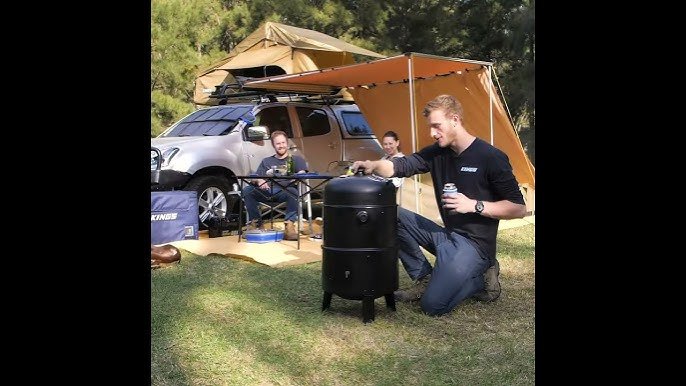
Imagine sitting around a campfire, the rich aroma of smoked meat filling the air, and the taste of perfectly cooked food that you made yourself. Using a smoker while camping isn’t just about cooking—it’s about creating an experience that turns your outdoor trip into something unforgettable.
If you’ve ever wondered how to use a smoker during your camping adventures, you’re in the right place. This guide will walk you through everything you need to know to master the art of smoking food outdoors, making your camping meals delicious and impressive.
Ready to become the camping chef everyone talks about? Let’s dive in!
Choosing The Right Smoker
Choosing the right smoker is key for a great camping experience. The right smoker fits your cooking style and camping needs. It should be easy to use and carry. Size and fuel type also matter. These factors help you enjoy tasty smoked meals outdoors.
Types Of Smokers
There are several types of smokers. Each works differently and suits different campers.
- Charcoal Smokers:Offer rich smoky flavor. They take longer to heat but are very popular.
- Electric Smokers:Easy to control temperature. Great for beginners but need electricity.
- Propane Smokers:Heat up fast and are portable. They use gas canisters for fuel.
- Wood Pellet Smokers:Use wood pellets for consistent heat and smoke. Require power for the auger.
Portability And Size
Choose a smoker size that fits your camping style. A small smoker is easier to carry. Large smokers cook more food but are heavy. Think about space in your vehicle. Also consider how many people you will feed. A compact smoker is better for short trips and solo camping.
Fuel Options
Fuel type affects how you cook and carry supplies. Charcoal is classic but bulky. Propane is clean and quick but needs gas bottles. Wood pellets give authentic smoke flavor but require electricity. Electric smokers need a power source, which may not suit remote camping. Choose fuel based on your trip length and location.

Credit: kickashbasket.com
Essential Tools And Accessories
Using a smoker while camping needs more than just the smoker itself. Having the right tools and accessories makes the process easier and more enjoyable. These items help control temperature, add flavor, and keep everything clean. Being prepared with essential tools ensures tasty results and a smooth cooking experience outdoors.
Thermometers And Timers
Thermometers help check the smoker’s temperature accurately. They ensure food cooks at the right heat. Use a digital or analog thermometer to monitor internal meat temperature too. Timers keep track of cooking time to avoid overcooking or burning. Reliable thermometers and timers make smoking safer and more precise.
Wood Chips And Charcoal
Wood chips create the smoky flavor unique to smoked food. Different wood types offer different tastes, like hickory, apple, or mesquite. Charcoal acts as the main heat source in many smokers. Choose good quality charcoal for steady heat and fewer ashes. Combining wood chips and charcoal helps get that classic smoked aroma and taste.
Cleaning Supplies
Cleaning supplies keep the smoker in good shape for future use. Use a grill brush to remove leftover food and residue. Mild soap and water help clean the surfaces after cooking. Avoid harsh chemicals that can damage the smoker or leave harmful smells. Regular cleaning improves flavor and extends the smoker’s life.
Preparing Your Smoker
Preparing your smoker before you head out camping sets the stage for a smooth, enjoyable cooking experience. It’s not just about packing the smoker but making sure it’s ready to perform in the wild. Taking time to prepare properly can save you from unexpected hassles and help you achieve those perfect smoky flavors.
Seasoning The Smoker
Seasoning your smoker is essential if it’s new or hasn’t been used in a while. This process creates a protective layer inside the smoker that prevents rust and enhances flavor.
Start by cleaning the smoker with warm, soapy water and drying it completely. Then, coat the interior surfaces lightly with cooking oil—vegetable or canola oil works well.
Heat the smoker gradually to about 225°F (107°C) and let it run for two hours. This burns off any factory residues and bonds the oil to the metal, making your smoker ready for real use.
Setting Up At The Campsite
Choose a flat, stable area to set up your smoker. Avoid spots with overhanging branches or tall grass to reduce fire risk.
Make sure you have enough space around the smoker for airflow and easy access. Placing a fireproof mat or bricks underneath can protect the ground and keep the smoker steady.
Check the wind direction so smoke doesn’t blow into your tent or seating area. Adjust the smoker’s vents accordingly to maintain good airflow for consistent cooking temperatures.
Safety Precautions
Safety is critical when using a smoker outdoors. Keep a bucket of water or a fire extinguisher nearby to handle any flare-ups quickly.
Never leave your smoker unattended, especially around children or pets. Hot surfaces and open flames can cause serious injuries.
After cooking, fully extinguish the fire and let the smoker cool before packing it away. This prevents accidental burns and keeps your gear in good shape for the next trip.
Selecting And Preparing Meat
Choosing the right meat is key for a successful camping smoking experience. Opt for cuts like brisket or ribs. Prepare by seasoning and marinating for enhanced flavor.
When camping, using a smoker can elevate your outdoor cooking experience. The key to delicious smoked meat lies in the selection and preparation process. Choose the right cuts and prepare them well to ensure a flavorful meal. Let’s dive into how to select and prepare meat for smoking while camping.Best Cuts For Smoking
Choosing the right meat is crucial for a successful smoking session. Look for cuts with good marbling; they stay juicy. Beef brisket, pork shoulder, and ribs are popular choices. They hold flavor well and become tender over time. Chicken thighs and whole birds also work great. They absorb smoke flavor quickly. Fish like salmon or trout can be tasty options too.Marinades And Rubs
Enhance your meat’s flavor with marinades and rubs. Marinades add moisture and taste. Use ingredients like olive oil, vinegar, and herbs. For rubs, mix spices such as paprika, garlic powder, and black pepper. Rubs create a flavorful crust. Apply them generously before smoking. Allow the meat to sit for a few hours or overnight. This lets the flavors seep in deeply.Meat Preparation Tips
Proper preparation ensures even cooking. Trim excess fat, but leave enough for flavor. Pat the meat dry before applying rubs or marinades. This helps the seasonings stick better. Use a meat thermometer for accurate cooking. It prevents overcooking or undercooking. Rest the meat after smoking. This allows juices to redistribute, making it tender and juicy. Pack your smoker essentials carefully for the camping trip. This includes wood chips, charcoal, and utensils. Happy smoking!Smoking Techniques
Smoking food while camping adds rich flavors and tender textures. Understanding smoking techniques ensures delicious results. These techniques control heat, smoke, and cooking time. They help avoid common mistakes like overcooking or bitter taste. Learning to manage these elements makes smoking easier and more fun outdoors.
Controlling Temperature
Temperature control is key to smoking success. Keep the smoker between 225°F and 275°F for most foods. Use the smoker’s vents to adjust airflow and heat. Open vents increase temperature by letting in oxygen. Close vents lower heat by reducing oxygen flow. Use a thermometer to monitor the smoker’s inside temperature. Avoid sudden heat spikes by adding small amounts of fuel. Keep the smoker lid closed as much as possible.
Managing Smoke Flow
Smoke flow affects the flavor of smoked food. Use dry, seasoned wood chips for clean smoke. Avoid using too much wood to prevent bitter taste. Ensure smoke moves smoothly from the firebox to the cooking chamber. Check vents and chimney for proper airflow. Use thin, blue smoke for mild flavor. Thick, white smoke can cause food to taste bitter. Maintain a steady smoke for even cooking and flavor.
Timing And Cooking Methods
Smoking takes time but patience pays off. Low and slow cooking breaks down tough fibers in meat. Use a meat thermometer to check doneness. Different foods need different smoking times:
- Fish and vegetables: 1 to 2 hours
- Poultry: 3 to 5 hours
- Beef and pork: 6 to 12 hours or more
Wrap meat in foil during the last stage to keep it moist. Rest food after smoking to allow juices to settle. Timing and careful cooking create tender, flavorful meals.

Credit: www.youtube.com
Troubleshooting Common Issues
Using a smoker on your camping trip can sometimes throw unexpected challenges your way. Troubleshooting common issues quickly helps you keep the cooking on track and your meal delicious. Let’s look at some typical problems and how to fix them.
Temperature Fluctuations
Temperature swings can ruin your smoked food’s texture and taste. If your smoker’s temperature jumps around, check the airflow first. Make sure vents aren’t blocked and adjust them gradually to control oxygen flow.
Another cause might be inconsistent fuel. Using damp wood or charcoal can cause uneven heat. Always bring dry, seasoned wood and keep extra fuel on hand to maintain steady heat.
Have you tried using a digital thermometer with an alarm? It alerts you when temperatures move out of range, giving you more control without constant checking.
Excessive Smoke
Too much smoke can make your food bitter and harsh. This usually happens if the wood is wet or smoldering instead of burning cleanly. Avoid green wood or freshly cut branches to prevent this.
Also, check if you’re adding too much fuel at once. Slow, controlled burning produces cleaner smoke. Try smaller amounts of wood more frequently to keep smoke light and flavorful.
Does your smoker have a proper chimney or vent? If smoke isn’t escaping well, it can build up inside and overpower the food. Keep vents clear and open enough to allow smoke to flow out smoothly.
Meat Dryness
Dry meat is a common frustration with smoking, but it’s often avoidable. Overcooking is the usual culprit—keep an eye on internal temperatures with a meat thermometer and remove food as soon as it hits the target.
Another tip is to add moisture inside the smoker. Placing a water pan near the heat source helps maintain humidity and keeps meat juicy. Have you experimented with marinating or brining? These methods lock in moisture before smoking.
Lastly, avoid opening the smoker too often. Every time you lift the lid, heat escapes and cooking time increases, drying out your meat. Trust the process and check only when necessary.
Cleaning And Maintenance
Keeping your smoker clean and well-maintained is key to enjoying great meals on every camping trip. It not only ensures better flavor but also keeps your equipment safe and ready for the next adventure. Neglecting cleanup can lead to stubborn residue and damage, making future cooking a hassle.
Post-camping Cleanup
Right after your cooking session, let the smoker cool down a bit but don’t wait too long to start cleaning. Removing leftover ash and grease promptly prevents buildup that’s tough to remove later. Use a wire brush to scrape off food particles from the grates and a damp cloth for surfaces.
Empty the ash catcher completely and wipe down the interior walls. If you notice stubborn grease spots, a mixture of warm water and mild soap works well. Avoid harsh chemicals—they can leave behind harmful residues and affect your food’s taste.
Storage Tips
Where you store your smoker affects its longevity. Keep it in a dry place to avoid rust and corrosion. If storing outdoors, use a fitted cover that protects against rain, dust, and pests.
Disassemble removable parts if possible before storing. This makes cleaning easier next time and prevents moisture from getting trapped inside. Have you checked your storage spot lately? Proper storage can save you from costly repairs.
Extending Smoker Lifespan
Regular maintenance is your best friend for keeping your smoker in top shape. Apply a thin layer of cooking oil to the grates after cleaning to prevent rust. Check seals and gaskets for cracks or wear and replace them as needed.
Inspect the smoker’s exterior for signs of damage or rust every few months. Tighten loose screws and bolts to keep everything secure. Small efforts now can prevent major problems later—what’s one maintenance task you often overlook?
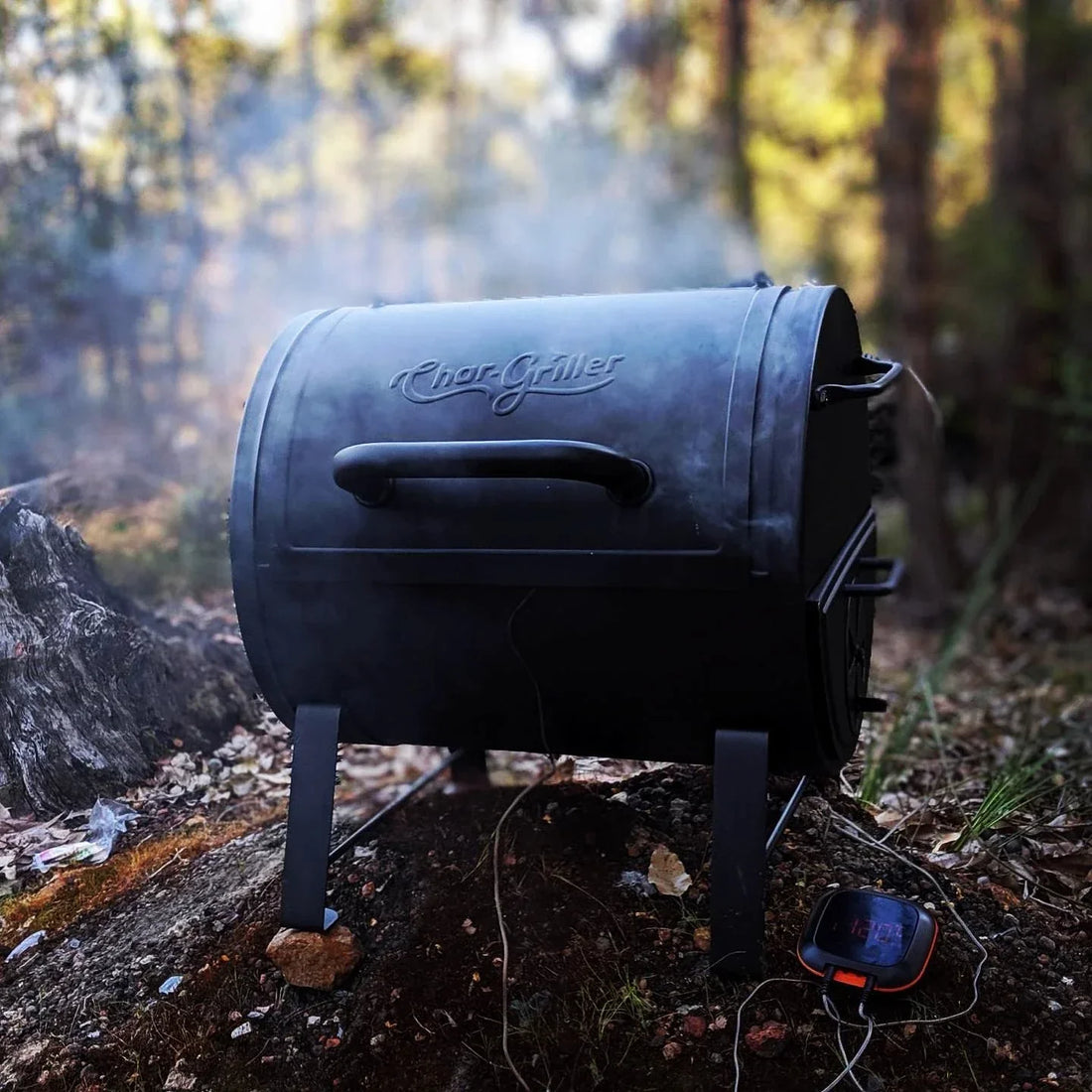
Credit: www.chargriller.com
Enhancing Your Bbq Experience
Enhancing your BBQ experience while camping makes every meal special. A smoker adds rich flavor that regular grilling cannot match. The aroma alone invites everyone to gather around and enjoy the moment. Simple touches can lift your outdoor feast to new heights.
Choosing the right side dishes balances the smoky taste of your meat. Crisp, fresh flavors help refresh the palate. Drinks can also highlight the BBQ’s bold flavors. Safety remains key to keep your camping trip fun and worry-free.
Side Dishes To Complement Bbq
- Coleslaw: A crunchy, tangy mix that cuts through the richness.
- Baked beans: Sweet and smoky, a classic BBQ partner.
- Grilled corn: Adds sweetness and texture, easy to prepare.
- Potato salad: Creamy and cool to balance the smoky meat.
- Fresh green salad: Light and refreshing, adds color to the plate.
Beverage Pairings
- Iced tea: Refreshing and mild, perfect for all ages.
- Craft beer: Choose light ales or lagers to complement flavors.
- Lemonade: Sweet and tart, it cleanses the palate well.
- Red wine: A medium-bodied option pairs well with smoked meats.
- Water: Always essential to stay hydrated outdoors.
Camping Bbq Safety Tips
- Keep your smoker on a stable, flat surface away from tents.
- Never leave the smoker unattended while it is hot or in use.
- Use long-handled tools to avoid burns and splatters.
- Store raw and cooked food separately to prevent cross-contamination.
- Have a fire extinguisher or water source nearby for emergencies.
- Dispose of ashes safely after they have fully cooled.
Frequently Asked Questions
How Do I Start A Smoker For Camping?
To start a smoker, arrange charcoal or wood in the firebox. Light it carefully, allowing smoke to build. Maintain steady airflow for consistent heat and smoke during cooking.
What Wood Types Are Best For Camping Smokers?
Hardwoods like hickory, apple, and mesquite are ideal. They produce flavorful smoke and burn evenly. Avoid softwoods, which create unpleasant tastes and excessive creosote.
How Do I Control Temperature In A Camping Smoker?
Adjust the smoker’s vents to regulate airflow. More air increases heat, less air lowers it. Use a thermometer to monitor and keep temperatures steady between 225-275°F.
Can I Smoke Food Without Electricity While Camping?
Yes, traditional smokers use charcoal or wood and need no electricity. Managing airflow and fuel ensures proper smoking. Portable smokers are designed for outdoor, off-grid use.
Conclusion
Using a smoker while camping adds great flavor to your meals. It takes patience but brings tasty results. Always prepare your smoker and ingredients well before cooking. Keep the fire steady for even smoking. Enjoy the fresh air and the delicious food you create.
Camping with a smoker makes your trip more fun and memorable. Try different woods and recipes to find your favorite taste. Remember, safety first: watch your fire closely at all times. Happy smoking and happy camping!

