
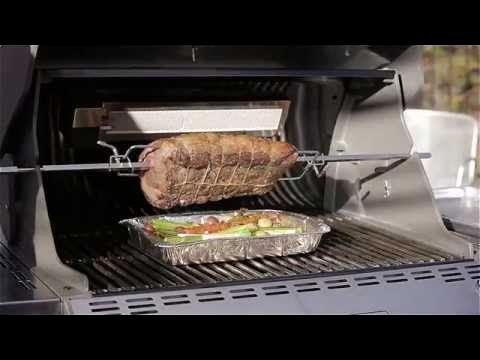
If you love smoky, juicy meat with a perfect crispy finish, using the rotisserie on your smoker is a game changer. But maybe you’ve wondered how to get it right—how to set it up, keep the heat steady, and cook your food evenly.
You’re in the right place. This guide will show you exactly how to use the rotisserie on your smoker to impress your friends and family with mouthwatering results every time. Ready to take your smoking skills to the next level?
Let’s dive in.
Choosing The Right Smoker
Choosing the right smoker is key for great rotisserie cooking. It affects how evenly your food cooks and how easy the process will be. Not all smokers work well with a rotisserie. Some have better features that support slow, even cooking while rotating the meat.
Selecting a smoker that fits your rotisserie needs saves time and improves flavor. Understanding the types and features helps you pick the best one for your cooking style.
Types Of Smokers Compatible With Rotisserie
- Electric smokers: Easy to control temperature and often come with built-in rotisserie kits.
- Charcoal smokers: Provide rich smoky flavor but may require extra parts for rotisserie use.
- Pellet smokers: Use wood pellets and usually have motorized rotisserie attachments available.
- Gas smokers: Offer consistent heat and some models include rotisserie options.
- Kamado smokers: Ceramic design retains heat well but need special rotisserie mounts.
Essential Features For Rotisserie Cooking
- Rotisserie motor: Must be strong enough to turn the meat smoothly.
- Spit rod and forks: Secure the food tightly to avoid slipping during rotation.
- Adjustable heat control: Allows steady cooking without burning the meat.
- Space inside the smoker: Enough room to rotate large cuts of meat freely.
- Ventilation system: Helps maintain consistent smoke flow and temperature.
Setting Up The Rotisserie
Setting up the rotisserie on your smoker prepares you for even cooking and great flavor. It involves a few careful steps to ensure the meat turns smoothly. Proper setup helps avoid uneven cooking or meat falling off.
Installing The Rotisserie Kit
Start by assembling the rotisserie kit parts. Most kits include a spit rod, forks, and a motor. Attach the forks securely to the spit rod, making sure they fit tight around the meat. Place the spit rod in the smoker’s rotisserie bracket. Connect the motor to the rod’s end. Check that the motor is powered and aligned properly. The rod should spin freely without wobbling.
Balancing The Meat On The Spit
Balance the meat carefully on the spit rod to prevent uneven rotation. Place the meat in the center between the forks. Tighten the forks so the meat does not move. Hold the spit rod horizontally and try to rotate it by hand. The rod should turn smoothly without heavy spots. Adjust the meat’s position if it feels unbalanced. A balanced setup reduces strain on the motor and helps cook meat evenly.
Preparing The Meat
Choose fresh, well-trimmed meat for even cooking on the rotisserie. Secure the meat tightly on the spit to prevent slipping during rotation. Season the meat simply to enhance natural flavors while it slowly smokes and cooks.
Preparing meat for a rotisserie on a smoker is crucial. It ensures the final dish is flavorful and tender. The process includes selecting the right cuts and using marinades. Each step enhances the taste and texture of the meat.Selecting Cuts Ideal For Rotisserie
Choose cuts that are suitable for even cooking. Poultry, pork loin, and lamb are great choices. These cuts are firm and hold well on the rotisserie. Avoid cuts that are too lean or small. They may dry out or fall apart during cooking.Marinades And Seasonings For Juiciness
Marinades add flavor and tenderness to the meat. Use a simple mix of oil, vinegar, and herbs. Let the meat soak in the marinade for several hours. This ensures the flavors penetrate deeply. Seasonings like salt and pepper enhance the natural taste. Apply them generously before cooking.
Credit: www.youtube.com
Controlling Temperature And Smoke
Controlling temperature and smoke is key when using a rotisserie on a smoker. The right heat level cooks meat evenly without burning. Proper smoke adds flavor but should not overpower the food. Balancing these factors creates juicy, tasty results every time.
Maintaining Consistent Heat
Keep the smoker temperature steady between 225°F and 275°F. Avoid large temperature swings to cook meat evenly. Use vents to control airflow and adjust heat. Check the thermometer often to monitor the temperature. Use a water pan to stabilize heat and add moisture. Turn the rotisserie slowly for uniform cooking.
Best Wood Chips For Flavor
Choose wood chips that match the meat type for best flavor. Here are common choices:
- Hickory – Strong and smoky, great for beef and pork.
- Apple – Mild and sweet, perfect for chicken and turkey.
- Cherry – Fruity and light, pairs well with all meats.
- Mesquite – Bold and intense, ideal for red meats.
- Maple – Subtle and sweet, good for poultry and pork.
Soak wood chips in water for 30 minutes before use. This slows burning and creates steady smoke. Add chips gradually to keep smoke consistent without choking the fire.
Cooking Techniques For Perfect Bbq
Mastering the cooking techniques on a rotisserie smoker can elevate your BBQ game to a whole new level. The key lies in controlling the heat and moisture to get that perfect balance of tender inside and crispy outside. Let’s break down some essential tips to help you achieve mouthwatering results every time.
Rotisserie Speed And Timing
Setting the right rotisserie speed is crucial. Too fast, and the meat won’t cook evenly; too slow, and it might dry out. Aim for a slow, steady rotation—usually around 3 to 5 revolutions per minute works well for most cuts.
Timing depends on the type and size of the meat. For example, a whole chicken typically takes about 1.5 to 2 hours at a temperature of 275°F (135°C). Larger cuts like a beef roast might need 3 to 4 hours. Always use a meat thermometer to check internal temperature and avoid guessing.
Using Water Pans To Retain Moisture
Placing a water pan inside your smoker is a simple trick that makes a big difference. The water creates a humid environment that prevents the meat from drying out during those long cooking hours. It also helps regulate the smoker’s temperature, keeping it steady.
You can add herbs or citrus slices to the water for extra aroma. Keep the pan filled throughout the cook—don’t let it dry up. This small step can change your BBQ from ordinary to exceptional by locking in juicy, tender flavors.
Credit: blog.thermoworks.com
Monitoring And Finishing Touches
Keeping a close eye on your rotisserie-cooked meat as it smokes can make a big difference in the final taste and texture. Monitoring is not just about time; it’s about understanding how heat moves through the meat and knowing exactly when to stop cooking. The finishing touches are where your patience and attention pay off, turning good food into unforgettable flavor.
Checking Internal Meat Temperature
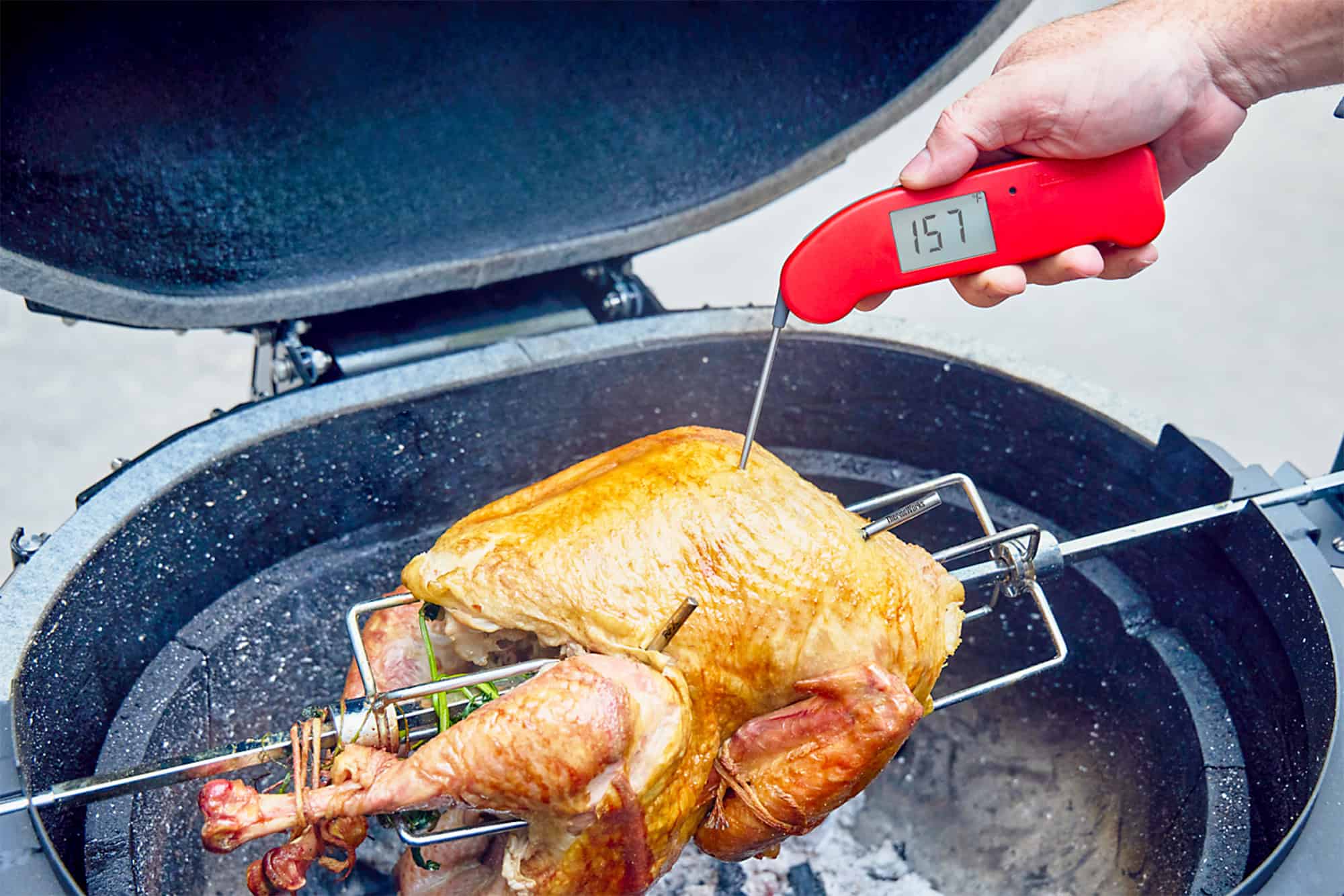
Use a reliable meat thermometer to check the internal temperature regularly. Insert the probe into the thickest part of the meat, avoiding bones or fat pockets, which can give inaccurate readings.
Different meats have different safe temperatures. For example, poultry should reach at least 165°F (74°C), while beef and pork often taste best at medium-rare to medium, around 135°F to 145°F (57°C to 63°C). Watching the temperature rather than relying on time ensures you don’t overcook or undercook your food.
Have you noticed how sometimes the outside looks done but the inside isn’t? A thermometer saves you from that guesswork and helps lock in juicy, tender results every time.
Resting And Carving Tips
Once your meat hits the perfect temperature, resist the urge to slice it immediately. Let it rest for about 10-15 minutes; this allows the juices to redistribute, making each bite flavorful and moist.
Cover the meat loosely with foil during resting to keep it warm without steaming the crust. When carving, use a sharp knife and cut against the grain to ensure tenderness.
Think about how much easier it is to slice through rested meat versus one that’s just come off the heat. You’ll notice the texture is smoother and the flavors more pronounced. Don’t rush this step—your patience will be rewarded with a better eating experience.
Troubleshooting Common Issues
Using a rotisserie on a smoker can sometimes bring challenges. These issues can affect the taste and texture of your food. Troubleshooting common problems helps keep your cooking smooth. This section guides you through fixing typical rotisserie problems. Follow these tips to enjoy perfectly cooked meals every time.
Uneven Cooking Solutions
Uneven cooking happens when one side cooks faster than the other. It can cause dry or undercooked spots. To fix this, check the rotisserie’s balance. Make sure the meat is centered and secured well. Rotate the spit at a steady, consistent speed.
Adjust the heat zones inside the smoker. Move the meat away from hot spots. Use a meat thermometer to check internal temperature at different points. This ensures even doneness throughout.
Handling Flare-ups And Smoke Control
Flare-ups occur when fat drips onto the heat source. This causes sudden flames that burn the meat. To prevent flare-ups, trim excess fat before cooking. Use a drip pan under the meat to catch drips.
Control smoke by adding wood chips gradually. Too much smoke creates bitter flavors. Keep vents partially open for airflow. This helps maintain steady smoke levels and temperature.

Credit: barbecuesgalore.ca
Frequently Asked Questions
How Do You Set Up A Rotisserie On A Smoker?
To set up a rotisserie, attach the spit rod securely through the meat. Balance the load evenly, then mount the rod on the smoker’s rotisserie motor. Preheat the smoker to a consistent temperature, usually around 225-275°F, for slow, even cooking.
What Meats Work Best For Rotisserie On A Smoker?
Chicken, turkey, pork loin, and beef roasts are ideal for rotisserie smoking. These meats cook evenly and stay juicy with slow rotation. Avoid very small or overly fatty cuts, as they may not rotate or cook evenly on the spit.
How Long Should I Cook Meat On A Smoker Rotisserie?
Cooking time varies by meat size and type but generally ranges from 1. 5 to 4 hours. Use a meat thermometer to check doneness: 165°F for poultry and 145°F for pork or beef. Rotate slowly for even cooking and crisp skin.
Can I Add Wood Chips While Using A Rotisserie On A Smoker?
Yes, adding wood chips enhances flavor. Soak chips in water for 30 minutes, then place them in the smoker’s wood chip tray or directly on coals. This adds smoky aroma without disrupting the rotisserie’s slow, steady rotation.
Conclusion
Using a rotisserie on your smoker brings even cooking and juicy results. Keep the fire steady and turn the meat slowly. Check the temperature to avoid undercooking or burning. Patience pays off with tender, flavorful dishes. Enjoy the process and the delicious outcome.
Trying this method adds variety to your smoking skills. Give it a go, and taste the difference. Simple steps lead to great meals every time.

