
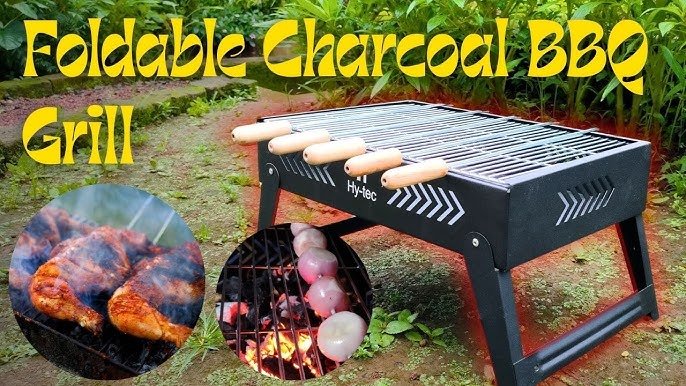
Planning a weekend BBQ? A portable grill can be your best friend to make it easy, fun, and delicious.
Imagine firing up your grill anywhere – in your backyard, at the park, or even on a camping trip. You don’t need to be a grilling expert to get great results. You’ll discover simple tips and tricks to use your portable grill like a pro.
Ready to impress your friends and enjoy mouth-watering meals outdoors? Keep reading, and let’s get your grill going!
Choosing The Right Portable Grill
Choosing the right portable grill can make or break your weekend BBQ experience. The perfect grill fits your lifestyle, cooking style, and the space you have available. Getting clear on what matters most to you helps avoid frustration and ensures every cookout is a success.
Types Of Portable Grills
Portable grills mainly come in three types: charcoal, gas, and electric. Charcoal grills give that classic smoky flavor but take longer to heat up. Gas grills heat quickly and offer better temperature control, making them great for beginners.
Electric grills are best if you’re limited on outdoor space or want to grill indoors safely. Think about where you’ll use the grill most and what kind of flavor you want before deciding. Have you tried different types before? Which one did you enjoy cooking on the most?
Size And Capacity Considerations
How many people do you usually cook for? If it’s just you or a small group, a compact grill with a cooking area around 150-250 square inches might be enough. For larger gatherings, aim for something with a bigger surface to avoid cooking in batches.
Keep in mind the grill’s weight and how easy it is to carry if you plan on moving it around. A lightweight model may sacrifice some cooking space but gains portability. What’s your balance between size and ease of transport?
Fuel Options And Efficiency
Fuel choice affects both convenience and cooking results. Propane grills offer quick heat and simple refueling but require carrying gas canisters. Charcoal needs more preparation and cleanup but can be cheaper and add great flavor.
Electric grills plug into power sources, perfect for places where open flames aren’t allowed. Consider how often you’ll grill and how easy it is to get fuel or power. Could your weekend spot handle a propane tank, or is charcoal more practical?
Essential Gear And Accessories
Having the right gear and accessories makes your portable grill experience smooth. These essentials help you cook better, stay safe, and keep your grill clean. Prepare well to enjoy a stress-free weekend BBQ.
Grilling Tools You Need
- Tongs for flipping and moving food safely
- Spatula to handle burgers and fish easily
- Grill brush to clean grill grates before and after use
- Meat thermometer to check food temperature accurately
- Skewers for grilling vegetables or kebabs
- Heat-resistant gloves to protect your hands
Safety Equipment
- Fire extinguisher or a bucket of water nearby
- Heat-resistant gloves to avoid burns
- Long-handled tools to keep distance from flames
- Stable, flat surface to place your grill securely
- First aid kit for minor cuts or burns
Cleaning Supplies
- Grill brush to remove food residue
- Dish soap and sponge for washing utensils
- Paper towels or clean cloths for wiping surfaces
- Trash bags to keep the area tidy
- Non-abrasive scrubbers for stubborn stains
Setting Up Your Grill
Getting your portable grill ready for a weekend BBQ is more than just unpacking it and firing it up. Proper setup ensures safety, efficiency, and better cooking results. Let’s break down the essential steps to help you enjoy a hassle-free grilling experience.
Selecting The Perfect Spot
Choose a flat, stable surface to place your grill. Avoid areas near flammable materials like dry leaves or wooden decks. Have you considered the wind direction? Positioning your grill upwind keeps smoke away from your guests.
Make sure there’s enough space around the grill for easy movement and access. I once set up too close to a picnic table, and it made flipping burgers awkward. Give yourself room to work comfortably.
Assembling And Testing
Check your grill’s parts before assembly to ensure nothing is missing or damaged. Follow the manual carefully, tightening screws and fittings securely. A loose component can cause safety issues or affect cooking.
After assembly, test your grill by lighting it for a short period to confirm it heats evenly. Watch for any unusual smells or smoke, which could indicate leftover manufacturing oils or gas leaks. Have a fire extinguisher nearby—better safe than sorry.
Fueling Your Grill Properly
Use the recommended fuel type, whether it’s propane, charcoal, or wood pellets. Overfilling a propane tank can be dangerous, so fill it just enough for your cooking session. If you’re using charcoal, arrange it for optimal airflow.
- Start with a small pile and gradually add more as needed.
- Allow the charcoal to ash over before cooking for consistent heat.
- Keep extra fuel handy but stored safely away from the grill.
Have you ever run out of fuel mid-cook? Planning ahead avoids this frustrating situation and keeps your BBQ on track.
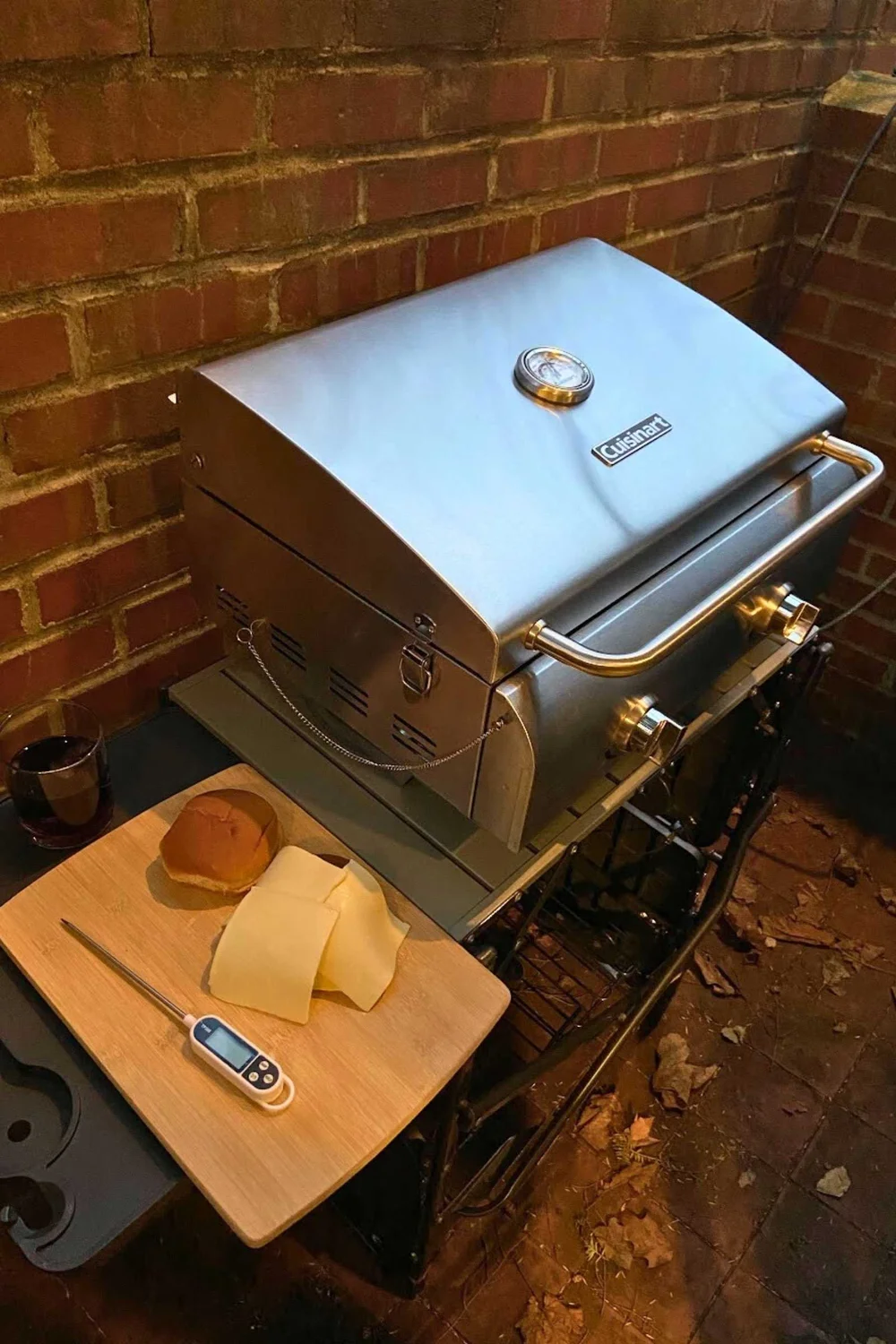
Credit: www.treelinereview.com
Grilling Techniques For Beginners
Grilling on a portable grill offers a fun way to enjoy weekend barbecues. Beginners can find the process easy with some basic techniques. Understanding heat, timing, and flare-ups helps cook food perfectly. Here are simple tips to get started with grilling.
Controlling Heat Levels
Heat control is key to good grilling. Portable grills often have adjustable vents or knobs. Open vents increase heat by allowing more oxygen. Close vents to lower the heat slowly. Use two-zone cooking by setting one side hot and the other cooler. This method lets you sear food on the hot side and cook it gently on the cooler side.
Timing And Temperature Tips
Cooking time depends on the food’s thickness and type. Thin items like burgers take less time than thick steaks. Use a meat thermometer for best results. Check internal temperatures for safety:
- Chicken: 165°F (74°C)
- Beef (medium): 145°F (63°C)
- Pork: 145°F (63°C)
Turn food only once or twice to keep juices inside. Keep the grill lid closed to maintain steady heat.
Managing Flare-ups
Flare-ups happen when fat drips on the flames. They can burn food quickly. Move food away from flames to avoid burning. Keep a spray bottle of water nearby to control small flare-ups. Trim excess fat from meat to reduce drips. Clean the grill regularly to prevent grease buildup and flare-ups.
Tasty Recipes For Weekend Bbq
Weekend BBQs become more enjoyable with simple, tasty recipes. Portable grills offer a quick way to cook fresh meals outdoors. The right marinades, meats, and sides make every bite flavorful and fun. Here are easy ideas to prepare delicious dishes for your next BBQ.
Quick Marinades And Rubs
Marinades add flavor and keep meats juicy. Use simple ingredients from your kitchen. Mix olive oil, lemon juice, garlic, salt, and pepper for a fresh taste. Try this quick rub for a smoky flavor:
- 2 tablespoons paprika
- 1 tablespoon brown sugar
- 1 teaspoon garlic powder
- 1 teaspoon salt
- 1/2 teaspoon black pepper
Rub it on chicken, beef, or pork before grilling. Let the meat sit for at least 30 minutes. This boosts flavor without long waiting times.
Easy Grilled Meats
Choose quick-cooking cuts for fast BBQ meals. Chicken breasts, pork chops, and thin steak strips work well. Season with your marinade or rub. Preheat the grill for even cooking. Turn meats once or twice. Aim for a golden brown outside and juicy inside.
- Grill chicken breasts for 6-8 minutes per side.
- Cook pork chops 4-5 minutes per side.
- Steak strips need only 2-3 minutes per side.
Rest meats for a few minutes after grilling. This helps juices settle and improves taste.
Vegetarian And Side Dishes
Vegetables and sides complete your BBQ plate. Bell peppers, zucchini, and corn grill quickly. Brush with olive oil and sprinkle with salt. Grill until tender and slightly charred.
- Grilled corn on the cob: 10-12 minutes, turning often.
- Zucchini slices: 3-4 minutes per side.
- Bell pepper halves: 5-6 minutes per side.
Simple salads and bread also pair well. Try a fresh tomato salad or crusty bread with butter. These sides add color and balance to your meal.

Credit: www.youtube.com
Cleaning And Maintenance Tips
Keeping your portable grill clean ensures it lasts longer and performs well. Regular cleaning prevents rust and buildup. Proper maintenance keeps your grill safe and enjoyable for every BBQ.
Post-grill Cleaning Routine
Clean your grill while it’s still warm. Use a grill brush to scrub the grates. Remove food particles and grease. For stubborn spots, dip the brush in soapy water. Wipe down the exterior with a damp cloth. Empty and clean the drip tray. This prevents grease fires. Allow all parts to dry completely before storing.
Storing Your Portable Grill
Store your grill in a dry place to avoid rust. Cover it with a grill cover to protect from dust. Keep it indoors during the rainy season. Disassemble any removable parts. This helps save space and makes it easier to store. Ensure all parts are dry before storing.
Troubleshooting Common Issues
If your grill doesn’t light, check the fuel source. Ensure the gas tank is full or the charcoal is dry. For uneven heat, clean the burner or adjust the charcoal placement. If the grill smokes excessively, check for excess grease. Clean the drip tray and grates thoroughly. Regular maintenance helps avoid these issues.
Safety Tips For Outdoor Grilling
Grilling outdoors is a fantastic way to enjoy your weekend, but it also comes with responsibilities. Keeping safety in mind helps you avoid accidents and keeps the fun going. Here are essential safety tips to make sure your portable grill experience stays safe and enjoyable.
Fire Prevention
Always set up your portable grill on a flat, stable surface away from anything flammable like dry grass, leaves, or wooden structures. Never leave the grill unattended while it’s hot or in use. A small fire extinguisher or a bucket of sand nearby can make a big difference if flames get out of control.
Think about how quickly a fire can spread—does your setup allow for quick action? Clear the area around your grill to prevent accidents and keep children and pets at a safe distance.
Handling Propane And Charcoal
If you’re using a propane grill, check the gas lines and connections for leaks before lighting. You can do this by applying soapy water to the hose and looking for bubbles. Always open the grill lid before turning on the gas to prevent gas buildup and sudden flare-ups.
For charcoal grills, use only approved lighter fluid and never add fluid to coals that are already hot. Consider using a chimney starter—it’s safer and avoids the risks associated with lighter fluid. Store propane tanks upright and away from heat sources when not in use.
Safe Food Practices
Keep raw meat separate from cooked food to avoid cross-contamination. Use different plates and utensils for raw and cooked items. Wash your hands thoroughly after handling raw meat to reduce the risk of foodborne illness.
Cook food to the right temperature—use a meat thermometer to check. For example, chicken should reach an internal temperature of 165°F (74°C). Do you know the safe temperature for your favorite grilled foods? Taking a moment to check can save you from health issues later.

Credit: www.treelinereview.com
Frequently Asked Questions
What Are The Best Portable Grills For Weekend Bbqs?
The best portable grills are lightweight, easy to use, and heat evenly. Popular options include propane, charcoal, and electric models. Choose based on your fuel preference and cooking style for the perfect weekend BBQ experience.
How Do I Clean A Portable Grill After Use?
Clean your portable grill by letting it cool first. Remove ashes or leftover charcoal. Use a grill brush to clean grates. Wipe the exterior with a damp cloth. Regular cleaning ensures better flavor and longer grill life.
Can I Use A Portable Grill Indoors Safely?
Portable grills are designed for outdoor use only. Using them indoors risks carbon monoxide poisoning and fire hazards. Always operate your grill in a well-ventilated, open area to ensure safety during your weekend BBQ.
How Do I Transport A Portable Grill Safely?
Make sure your grill is cool and clean before transport. Secure all loose parts and close the lid tightly. Use a carry case or sturdy bag if available. Proper handling avoids damage and ensures your grill is ready to use.
Conclusion
Using a portable grill makes weekend BBQs fun and easy. It fits in small spaces and cooks food fast. You can take it anywhere—parks, beaches, or your backyard. Just follow safety tips and clean it after use. Enjoy tasty meals with friends and family outdoors.
Portable grills bring simple joy to your weekends. Give it a try and see how much fun grilling can be.

